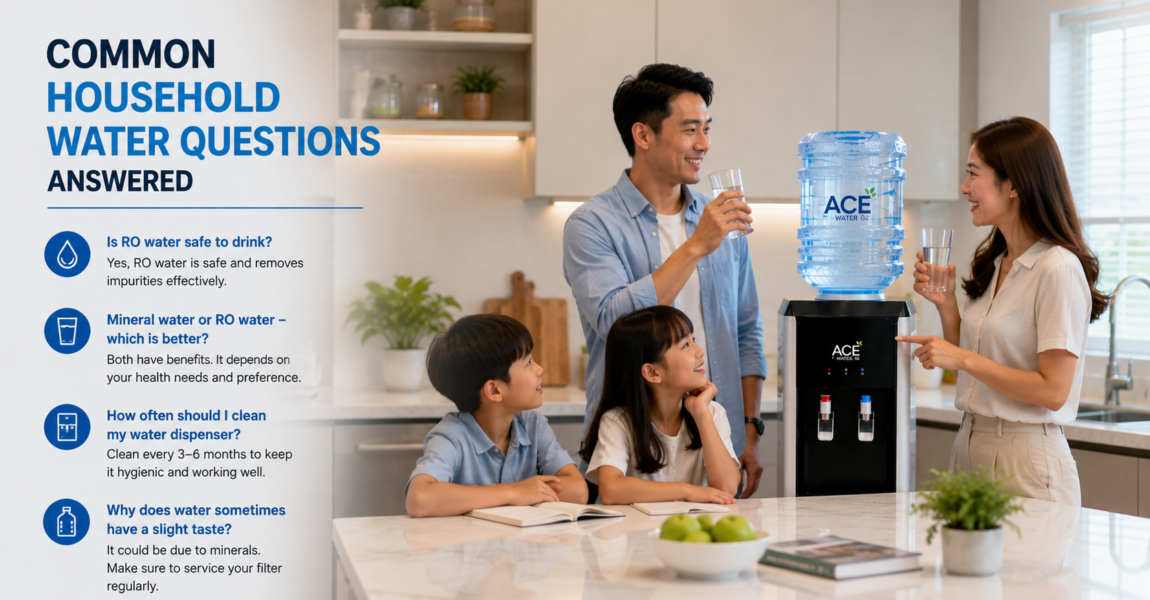
Water is crucial, but it can also be a source of confusion. You’ve probably wondered about your home’s water quality, whether it’s safe to drink, or why it sometimes smells a bit off. We’re tackling your most pressing concerns, from hard water woes to the surprisingly common issue of sulfur odors, and even touching on the serious topic of lead in old pipes. If you’re looking for a reliable 19 liter bottled RO water delivery, it’s important to understand what makes drinking water safe and suitable for your household. Many common water concerns, from taste and odour to water quality, can be addressed with high-quality RO water. With convenient 19 liter bottled RO water delivery, families can enjoy clean, purified drinking water delivered directly to their doorstep for everyday hydration.
Key Takeaways:
- Hard water isn’t a health risk, but it can cause mineral buildup in pipes and appliances, leading to inefficiency and shorter lifespans for things like your water heater.
- Most municipal tap water in developed nations is safe to drink, meeting stringent quality standards, though taste can vary significantly from one region to another due to different mineral compositions.
- A rotten egg smell in your water usually points to hydrogen sulfide gas, often caused by certain bacteria in your well or water heater, and it’s something you’ll want to address for both comfort and potential pipe corrosion.
- Lowering your water bill often comes down to simple behavioral changes and quick fixes, like checking for leaks, installing low-flow fixtures, and being mindful of your irrigation schedule.
- Lead in older plumbing systems is a serious concern, especially if your home was built before the mid-1980s; it’s always a good idea to get your water tested if you suspect lead pipes are present.
What’s the deal with hard water anyway?
You’ve probably heard the term “hard water” thrown around, but what does it actually mean for your home? Simply put, hard water contains a high concentration of dissolved minerals, primarily calcium and magnesium. It’s not dangerous to drink, but it can certainly be a nuisance around the house.
This mineral content comes from water percolating through deposits of limestone and chalk. Think of it like a natural filter picking up tiny bits of rock along the way. Your geographic location plays a big role here; some regions just naturally have harder water than others.
Why your glasses are always spotty
Ever pull a “clean” glass from the dishwasher only to find it covered in cloudy spots? That’s hard water at work. Those spots are mineral deposits left behind after the water evaporates, clinging stubbornly to your glassware.
It’s not just glasses either. You’ll see similar scale buildup on shower doors, faucets, and even inside your coffeemaker. This mineral residue can make things look dingy and can be a real pain to scrub away. Have questions about your home’s drinking water? Summer RO offers a reliable solution for families seeking clean, safe, and refreshing water every day. Whether you’re concerned about tap water quality, water taste, or everyday hydration, Summer RO water provides purified drinking water that supports a healthier lifestyle and gives you greater peace of mind at home.
My take on the whole water softener debate
Considering a water softener? Many people swear by them for tackling hard water issues head-on. These systems work by removing those pesky calcium and magnesium ions, often replacing them with sodium ions.
The immediate benefits are pretty clear: softer skin and hair, cleaner dishes, and no more scrubbing scale off your fixtures. You might even notice your soaps and detergents lathering better, meaning you can use less of them.
Of course, there’s a flip side. Water softeners require salt, which means ongoing costs and the occasional chore of refilling the brine tank. And some folks worry about the added sodium in their drinking water, especially if they’re on a low-sodium diet. For most, though, the benefits of preventing scale buildup and extending the life of appliances like water heaters often outweigh these minor inconveniences.
Is tap water actually safe to drink?
You’re probably wondering if the water coming out of your faucet is actually good for you, especially with all the news swirling around. The truth is, in most developed countries, municipal tap water is held to incredibly high standards. Regulators like the EPA in the United States set strict limits on contaminants, and water treatment plants work tirelessly to meet them.
But even with those rigorous standards, there are still variables. For instance, the pressure in your residential water system can affect how quickly water travels through pipes and potentially pick up things along the way. Your local water report is your best friend here – it’ll tell you exactly what’s being tested for and found in your specific area.
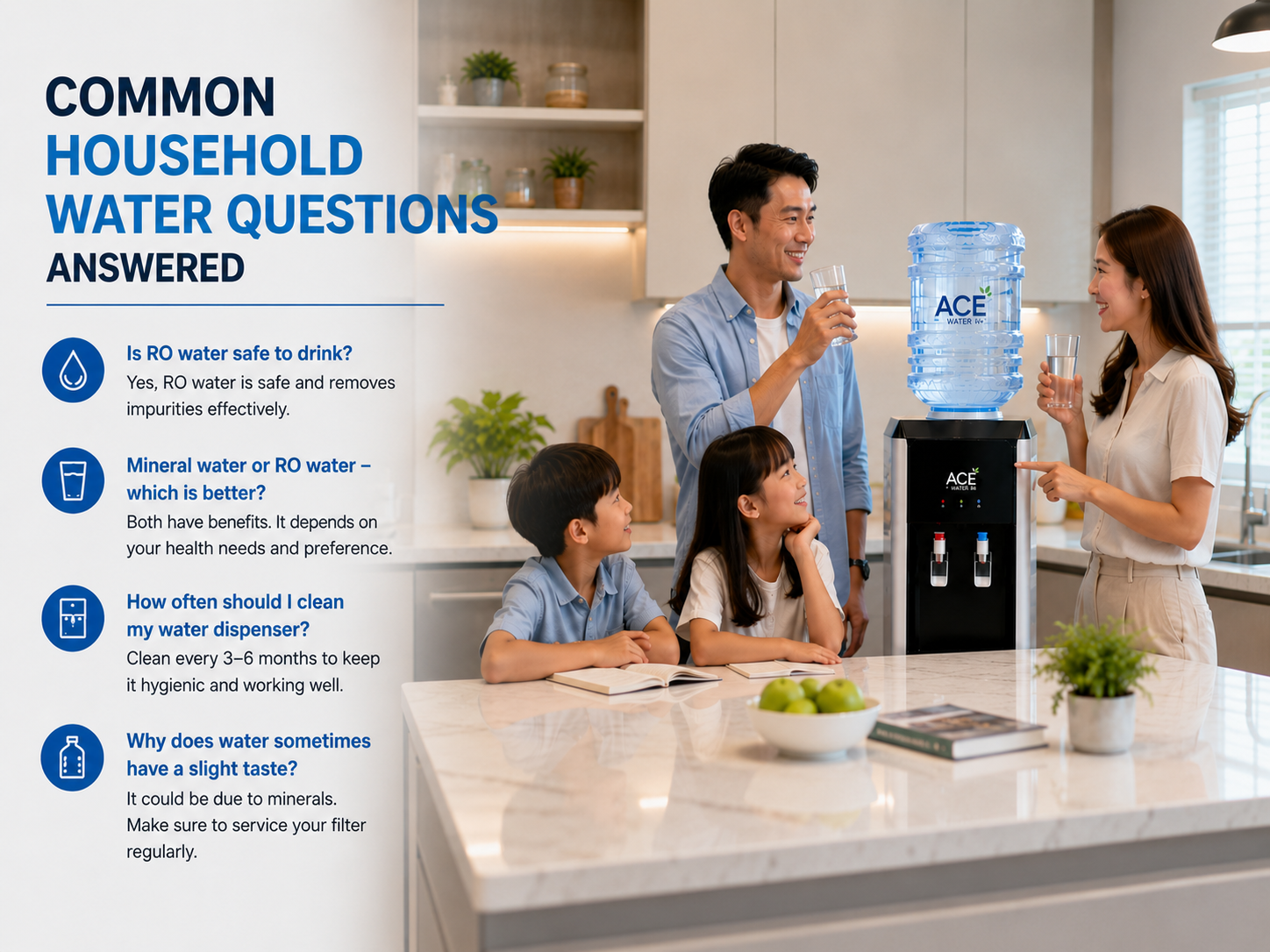
The real deal on what’s in your pipes
What’s actually flowing through those lines in your home can be a bit more complex than just what leaves the treatment plant. Older homes, for example, might have pipes made of materials that can leach tiny amounts of minerals or even – in rare, older cases – lead into your water. It’s not usually a cause for panic, but it’s good to be aware.
Modern plumbing, on the other hand, typically uses materials like PEX or copper, which are far less likely to introduce anything unwanted. Still, even these can sometimes contribute to minor taste changes, especially if water sits in the pipes for extended periods.
Here’s why I’m a fan of simple filters
I’m a big proponent of using simple water filters, not necessarily because your tap water is inherently dangerous, but because they offer an extra layer of peace of mind. A basic pitcher filter or a faucet-mounted one can significantly improve taste and odor, making your water much more enjoyable to drink.
These filters are fantastic at catching things like chlorine, sediment, and sometimes even trace pharmaceuticals that, while generally not harmful in minute quantities, you probably don’t want to be consuming. Think of it as an easy, affordable upgrade to your daily hydration routine.
Why does my water smell like rotten eggs? Seriously.
That unmistakable rotten egg odor in your water is almost always hydrogen sulfide gas. It’s naturally occurring and can get into your water supply from a few different places, often from decaying organic matter in your well or even certain types of bacteria growing in your water heater.
You might notice it more strongly from your hot water tap because heat can release the gas more readily. While generally not harmful at the levels that cause an odor, it’s definitely unpleasant and can be a sign of underlying issues.
Dealing with that funky sulfur scent
First, try to pinpoint the source. Does the smell come from all taps or just one? If it’s only from the hot water, your water heater is the likely culprit. Bacteria can grow inside the tank, especially if it’s been sitting unused for a while or if the anode rod needs replacing.
Flushing your water heater can sometimes help, or you might need to replace the anode rod with a magnesium or aluminum-zinc alloy one. If the smell is from both hot and cold water throughout your house, the issue is probably with your main water supply.
What’s up with that chlorine smell?
Many municipalities use chlorine to disinfect public water supplies, which is a good thing for keeping us safe from harmful bacteria and viruses. So, that swimming pool smell you’re noticing? That’s probably just the chlorine doing its job.
Sometimes, though, the concentration can be a bit higher, especially after heavy rains or maintenance on the water lines. It’s usually nothing to worry about and dissipates fairly quickly if you let the water sit out for a bit.
If the chlorine smell is particularly strong and persistent, you might consider a simple activated carbon filter for your tap or a whole-house filtration system. These filters are very effective at removing chlorine and improving the taste and odor of your drinking water, giving you a much cleaner-smelling glass of H2O.
My honest thoughts on lowering your water bill
You’re probably looking for some magic bullet here, right? A secret trick to slash your water usage without even noticing. Well, the truth is, a lot of it comes down to awareness and some pretty straightforward fixes. We often waste water without even realizing it, and those little drips and longer showers add up faster than you’d think.
One of the biggest culprits, surprisingly, isn’t always what you’d expect. Sure, a running toilet is bad, but even minor leaks can seriously inflate your bill. And if you’re curious about other water-related issues, check out Common Water Quality Questions, Answered – it’s a great resource.
Fixing those annoying leaky faucets
Ever ignored that drip, drip, drip from your bathroom faucet? You’re not alone, but that seemingly insignificant leak can waste hundreds of gallons of water each month. It’s often just a worn-out washer or O-ring, a fix that’s surprisingly simple and inexpensive.
Taking just a few minutes to replace a faulty washer can save you a significant amount on your water bill over time. If you’re not comfortable doing it yourself, a plumber can usually sort it out in no time, and the cost will likely be less than what you’d pay for wasted water in a year.
Why low-flow showerheads aren’t actually that bad
Many people picture a sad, weak trickle when they hear “low-flow showerhead,” but that’s really an outdated image. Modern low-flow showerheads are engineered to provide a surprisingly satisfying shower experience while using significantly less water. You’ll barely notice the difference in pressure.
They achieve this by aerating the water or using pulsating streams, creating the sensation of a strong flow even with fewer gallons per minute. This means you get to enjoy your hot shower without the guilt – or the exorbitant water bill.
Today’s models often feature innovative designs and even multiple spray settings, offering a luxurious feel. So, you’re not sacrificing comfort; you’re just being smart about your consumption.
Should you be worried about lead in your pipes?
You’re right to be concerned about lead; it’s a serious health risk, especially for children. Lead can leach into your drinking water from old pipes, fixtures, and even solder. It’s tasteless, odorless, and invisible, making it a silent threat. But here’s the good news: not all homes have lead pipes, and there are ways to find out if yours does.
If your home was built before 1986, there’s a higher chance you might have lead plumbing. That doesn’t mean you’re guaranteed to have it, but it’s definitely worth investigating. For more insights into common plumbing questions, you might find this article helpful: Top Plumbing Questions Answered by the Experts.
How to check your old plumbing
Start by identifying your service line where it enters your home, usually in the basement or near the water meter. Look for a dull gray pipe that’s soft enough to scratch with a key or coin – that’s a strong indicator of lead. Copper pipes, on the other hand, are reddish-brown.
Another place to check is under your sinks. Examine the visible pipes and connections. If you see any dull, dark gray sections or suspect lead solder (which looks like a dull, silver-gray bead), it’s time to take the next step.
Testing kits that actually work
You can purchase reliable lead testing kits online or at most hardware stores. These kits typically involve taking a water sample and sending it to a certified lab for analysis. They’re designed to give you an accurate picture of your water’s lead content.
Many kits come with clear instructions, making the sampling process straightforward. You’ll usually collect both a “first draw” sample (water that’s been sitting in the pipes) and a “flushed” sample (after running the water for a few minutes) to get a comprehensive view of potential lead exposure.
Once your samples are submitted, the lab will provide a detailed report, often within a week or two. This report will tell you the exact concentration of lead in your water, allowing you to make informed decisions about filtration or remediation if necessary. Don’t rely on cheap, instant home tests that only offer a general indication; you need precise lab results for something this important.
Final Words
You’ve now got a much clearer picture of what’s happening behind your taps, from those sulfurous smells to the unseen minerals in hard water. Understanding these common issues helps you make informed decisions about your home’s water quality and consumption.
Taking a proactive stance on your household water isn’t just about fixing problems when they arise; it’s about peace of mind. You’re now equipped to tackle everything from mystery odors to high water bills, ensuring your home’s water system runs smoothly and safely for years to come.
FAQ
Q: How often should I test my home’s water quality?
A: It’s a good idea to test your water annually, especially if you’re on a private well. For municipal water users, an annual check can still catch issues that might develop within your home’s plumbing, like lead or copper leaching. You can often get free testing kits from local health departments or purchase more comprehensive ones online.
Q: What’s the difference between a water filter and a water softener?
A: A water filter works to remove impurities like sediment, chlorine, bacteria, or heavy metals, making the water safer or better tasting. Think of a Brita pitcher or a whole-house carbon filter. A water softener, on the other hand, specifically targets the minerals that cause hard water – primarily calcium and magnesium – preventing scale buildup in pipes and appliances, and making soap lather better. They do very different jobs.
Q: My water pressure has suddenly dropped. What could be causing it?
A: A sudden drop in water pressure can be due to several things, from a simple clogged aerator on a faucet to a more serious issue like a leak in your main water line. It could also be a problem with your water heater, especially if the low pressure is only affecting hot water. Sometimes, utility work in your area can temporarily reduce pressure too, so it’s worth checking with your neighbors.
Q: Is it safe to drink water from the hot tap?
A: Generally, no, it’s not recommended. Hot water tanks can accumulate sediment and even harbor bacteria, and the hot water itself can leach contaminants like lead and copper from pipes more readily than cold water. Always use cold water for drinking, cooking, and making baby formula. If you need hot water for these purposes, heat cold water on the stove or in a kettle.
Q: How can I tell if I have a water leak in my home?
A: There are a few tell-tale signs. A surprisingly high water bill is often the first clue. You can also check your water meter: read it, then avoid using any water for a couple of hours (or overnight), and read it again. If the number has changed, you likely have a leak somewhere. Look for damp spots on walls or ceilings, musty smells, or visible drips under sinks and around appliances. Even a small, constant drip can waste a lot of water and money over time.
- August 4, 2026
- Facts