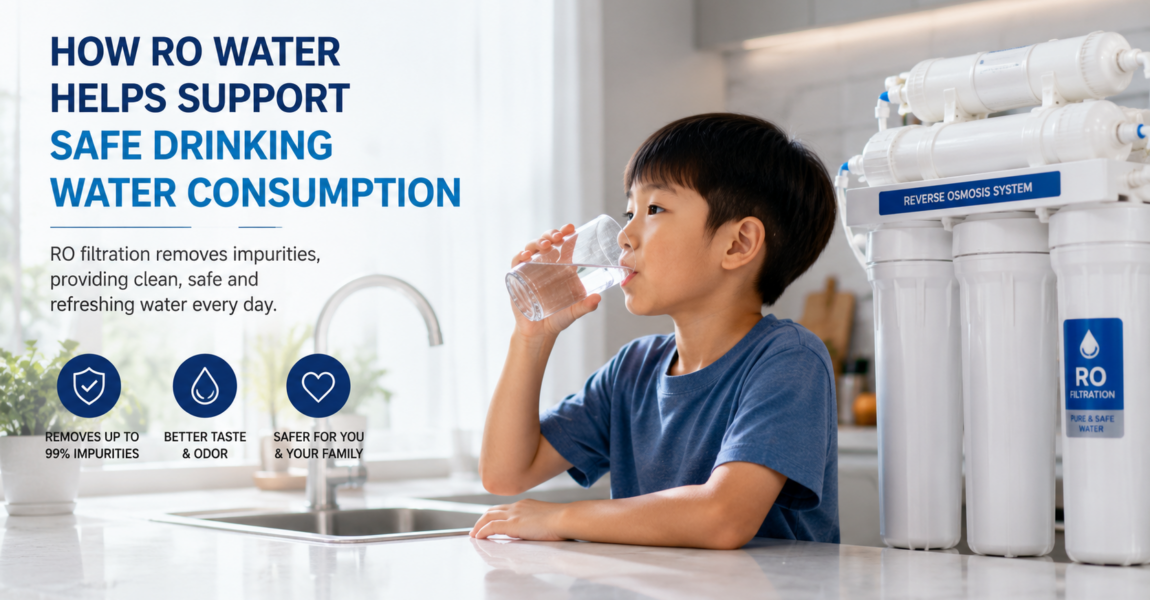
Water quality is a big deal, right? You want to know the water you’re drinking is clean, pure, and free from hidden nasties. And that’s where Reverse Osmosis (RO) systems come in, offering a really effective way to ensure your drinking water is as safe as it can be. We’ll explore how this technology gives you peace of mind with every glass. Choose bottled RO water for a clean, refreshing, and convenient source of purified drinking water that supports safe daily hydration at home, work, or on the go.
What’s the deal with RO anyway?
So, you’ve probably heard the term “RO water” floating around, right? It stands for Reverse Osmosis, and it’s a pretty big deal in the world of water purification. It’s not just a fancy filter; it’s a multi-stage process that really gets down to business, giving you water that’s incredibly clean.
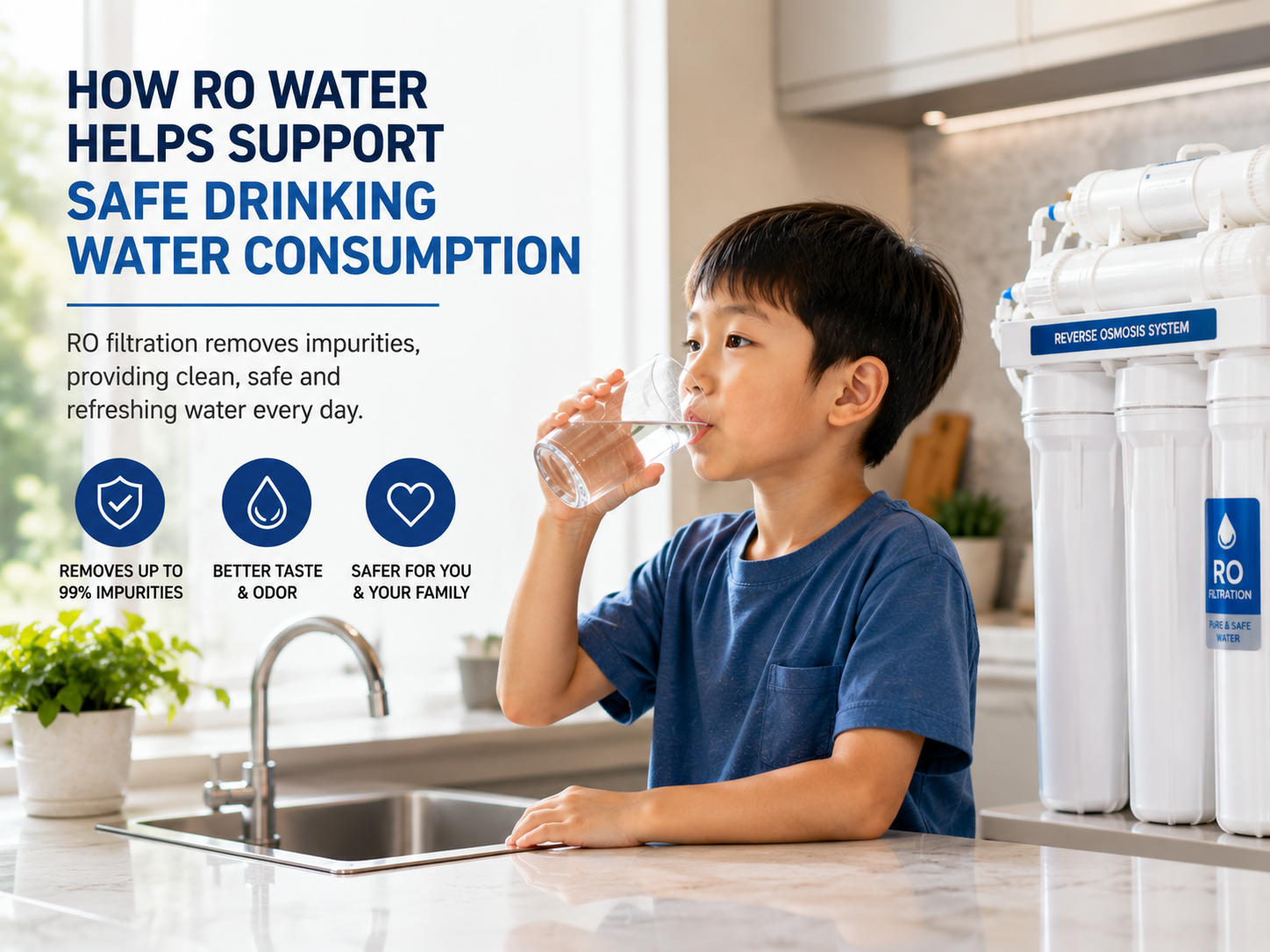
You might be wondering what makes it so special compared to your standard pitcher filter. Well, it’s all about how it works at a molecular level, pushing water through a super-fine membrane to strip out even the tiniest impurities. Enjoy clean and refreshing hydration with Desa Drinking Water, a reliable choice for supporting safe drinking water consumption every day.
How the magic actually happens
The process kicks off with your tap water being pushed through a series of pre-filters. These initial stages are crucial for grabbing larger sediment and chlorine, protecting the star of the show – that delicate RO membrane. Think of it like a bouncer at a club, keeping out the riff-raff before the main event.
After these preliminary clean-ups, the water then gets forced at pressure against the semi-permeable RO membrane. This isn’t just any filter; it’s designed to allow only water molecules to pass through, leaving behind almost everything else.
Why that tiny membrane is a lifesaver
This membrane is truly the heart of the whole operation. It’s incredibly fine, with pores so small that they can block dissolved solids, heavy metals, and even many types of bacteria and viruses. You’re crucially getting rid of the stuff you really don’t want to drink.
It’s this unique characteristic that sets RO apart from many other filtration methods. You’re not just improving taste; you’re actively removing a vast spectrum of contaminants that could be lurking in your municipal supply.
Why I think RO is the ultimate budget hack
You’re probably thinking about the initial outlay for an RO system, and yes, there’s a cost involved. But let’s look at the bigger picture: how much are you spending right now on bottled water or even less effective filters that need constant replacing? An RO system, once installed, drastically cuts down on these recurring expenses, making it a surprisingly cost-effective solution in the long run.
It’s not just about the obvious savings either. Think about your health – and the potential medical costs associated with consuming unfiltered or poorly filtered water over years. Investing in an RO system is an investment in your well-being, which, let’s be honest, is priceless. And if you’re still wondering, “Is Reverse Osmosis Water Safe to Drink Every Day?” – the answer is a resounding yes, for most people.
Stop wasting money on plastic bottles
The endless cycle of buying plastic water bottles is not only terrible for the environment but also a significant drain on your wallet. A single bottle might seem cheap, but those costs add up startlingly fast over weeks and months. You’re necessaryly paying for water that’s often no better – and sometimes worse – than what you can get from your tap with proper filtration.
Imagine never having to add bottled water to your grocery list again. With an RO system, you have an unlimited supply of pure, great-tasting water right in your kitchen. That means fewer trips to the store, less heavy lifting, and a lot more cash staying in your pocket.
Why home filtration is way more convenient
Running out of clean drinking water is a common household frustration, isn’t it? You’re either making an unplanned trip to the shop or boiling water – neither of which is ideal when you’re busy. A home RO system completely eliminates this hassle.
It’s having premium water on tap, literally, whenever you need it. Whether you’re filling a glass, a kettle, or a reusable bottle for the gym, it’s there. No waiting, no worrying if you have enough.
You can even use it for cooking and making ice cubes, which really elevates the taste of everything, from your morning coffee to your evening meal. The sheer convenience of having high-quality water available 24/7, without any extra thought or effort, is a game-changer for daily life.
My take on the taste test: Does it actually taste better?
Saying goodbye to that weird chlorine smell
You know that distinct, slightly chemical smell that sometimes wafts from your tap water? That’s typically chlorine, used to disinfect municipal water supplies. It’s effective for killing bacteria, sure, but it doesn’t exactly make for an appetizing glass of water.
RO systems are incredibly efficient at removing these volatile organic compounds, including chlorine and chloramines. This means the water you’re drinking is free from those off-putting odors, leaving you with a much cleaner, more neutral-smelling experience.
Why staying hydrated is easier when it’s crisp
Ever find yourself avoiding tap water because it just doesn’t, well, taste great? If your water has an odd aftertaste or a metallic tang, you’re less likely to reach for that glass throughout the day.
When water tastes clean and refreshing, staying hydrated becomes almost effortless. You’re not thinking about any unpleasant flavors; you’re just enjoying a crisp, pure drink that genuinely quenches your thirst, which can make a big difference in your daily fluid intake.
Think about it: if you’re constantly seeking out bottled water because your tap water is unappealing, you’re not only spending more money but also creating more plastic waste. Having delicious, pure water on tap encourages consistent hydration right from your home, supporting your health goals without any extra fuss.
Honestly, is maintaining these things a pain?
Don’t forget to swap those filters out
You’re probably wondering if keeping an RO system running smoothly is a huge chore. The truth is, it’s not nearly as bad as you might imagine. The biggest thing you’ll need to do is change out the filters periodically, which is pretty straightforward.
These filters, including the sediment and carbon pre-filters, do a lot of the heavy lifting. They catch all the larger particles and chlorine before the water even hits the RO membrane, protecting that more expensive component and ensuring its longevity.
It isn’t as much work as you’d think
Replacing the filters usually involves just twisting off the old ones and popping in the new. Most systems are designed for easy, tool-free access, so you won’t need to be a plumbing expert or call in a professional every time.
A typical household system might need new pre-filters every six to twelve months, depending on your water quality and usage. The RO membrane itself lasts much longer, often two to five years, which is a significant stretch of time between changes.
Many modern RO systems even come with indicator lights or alarms that let you know exactly when a filter change is due. This takes all the guesswork out of maintenance and helps you stay on top of things without constantly checking a calendar or trying to remember when you last swapped them out.
The real deal about saving the planet from home
Making a difference for the environment doesn’t always require grand gestures or a complete lifestyle overhaul. Sometimes, it’s the small, consistent choices we make right in our own homes that add up to significant positive change. You’d be surprised how much impact your daily habits have.
Think about it: every little step you take, from reducing waste to conserving energy, contributes to a healthier planet. It’s about being mindful and making conscious decisions that align with a more sustainable future, and yes, your RO system plays a part.
Cutting down on all that plastic waste
You know those single-use plastic water bottles? They’re a massive problem, clogging landfills and polluting our oceans. By having an RO system at home, you’re practically eliminating your need for them.
Imagine how many bottles you’d typically buy in a week, a month, or even a year. Using a reusable bottle filled with your own purified RO water means a dramatic reduction in plastic waste from your household alone.
Why your carbon footprint will thank you
The journey of bottled water from source to store shelf is surprisingly carbon-intensive. Think about the energy used in manufacturing those plastic bottles, the fuel for transportation across states or even countries, and then the refrigeration in stores. It all adds up.
When you purify your own water at home with an RO system, you’re drastically cutting down on these transportation and production emissions. You’re removing yourself from that entire supply chain, which is a big win for the atmosphere.
The energy saved from not having to produce, ship, and chill countless plastic bottles really makes a difference. It’s a direct way you can reduce your personal contribution to greenhouse gas emissions, simply by choosing to filter your water at home.
To wrap up
You’re not just getting cleaner water; you’re actively taking control of what goes into your body. Think about the peace of mind that comes with knowing you’ve significantly reduced common contaminants like lead, chlorine, and even emerging microplastics from your daily hydration. It’s a pretty compelling step towards a healthier lifestyle, wouldn’t you say?
This isn’t about fear-mongering; it’s about making an informed choice for your household’s well-being. You’re investing in a consistent, high-quality water source right from your tap, which can make a noticeable difference in everything from the taste of your coffee to the purity of your cooking water. And that’s a win in my book.
FAQ
Q: How does Reverse Osmosis (RO) specifically remove contaminants from water?
A: RO systems work by forcing water through a semi-permeable membrane under pressure. This membrane has incredibly tiny pores, so small that they block dissolved salts, minerals, bacteria, viruses, and many chemical pollutants like lead and chlorine. Pure water molecules, however, are small enough to pass through, leaving the larger contaminants behind to be flushed away.
It’s a bit like a super-fine sieve, but on a molecular level. Think of it: the membrane acts as a barrier, physically separating the good stuff from the bad, making sure what ends up in your glass is as clean as possible.
Q: Can RO water systems remove newer contaminants like microplastics or PFAS chemicals?
A: Yes, RO systems are quite effective at removing a significant portion of emerging contaminants, including microplastics and per- and polyfluoroalkyl substances (PFAS), often called “forever chemicals.” The tight pore size of the RO membrane is usually small enough to block these larger molecules and particles. This is a big deal, as these contaminants are increasingly found in water sources globally.
While no system is 100% perfect for every single contaminant, RO offers a very strong line of defense against these tricky new pollutants. It provides a level of purification that many standard filters just can’t match.
Q: Does RO filtration remove beneficial minerals from drinking water, and is that a concern?
The amount of minerals you get from water is often quite small compared to a balanced diet. Many modern RO systems, or separate re-mineralization filters, can actually add a balanced blend of healthy minerals back into the water if that’s something you’re looking for. You can customize your water to your preference.
Q: What’s the typical lifespan of an RO system’s filters and membrane, and how often do they need replacement?
A: The lifespan of RO filters and membranes varies depending on your water quality and usage, but there’s a general guideline. Pre-filters (sediment and carbon filters) usually need changing every 6 to 12 months. These filters protect the main RO membrane from larger particles and chlorine damage.
The RO membrane itself is more durable, often lasting between 2 to 5 years. A post-carbon filter, which polishes the taste, typically lasts about a year. Regular maintenance ensures your system continues to perform optimally and provides safe, great-tasting water for years.
Q: How much wastewater does an RO system produce, and are there more efficient options available?
A: Traditional RO systems can produce a fair amount of wastewater because they flush contaminants away. The ratio used to be quite high, sometimes 4 gallons of wastewater for every 1 gallon of purified water. That’s a significant amount, and it’s a valid concern for many.
However, newer, more efficient RO systems have drastically improved this ratio. Many modern units now operate at ratios closer to 1:1 or even better, thanks to advanced pump technology and design. If water conservation is a top priority for you, look for high-efficiency or ” permeate pump” RO systems; they’re designed to minimize water waste while still delivering excellent purification.
- July 15, 2026
- Health