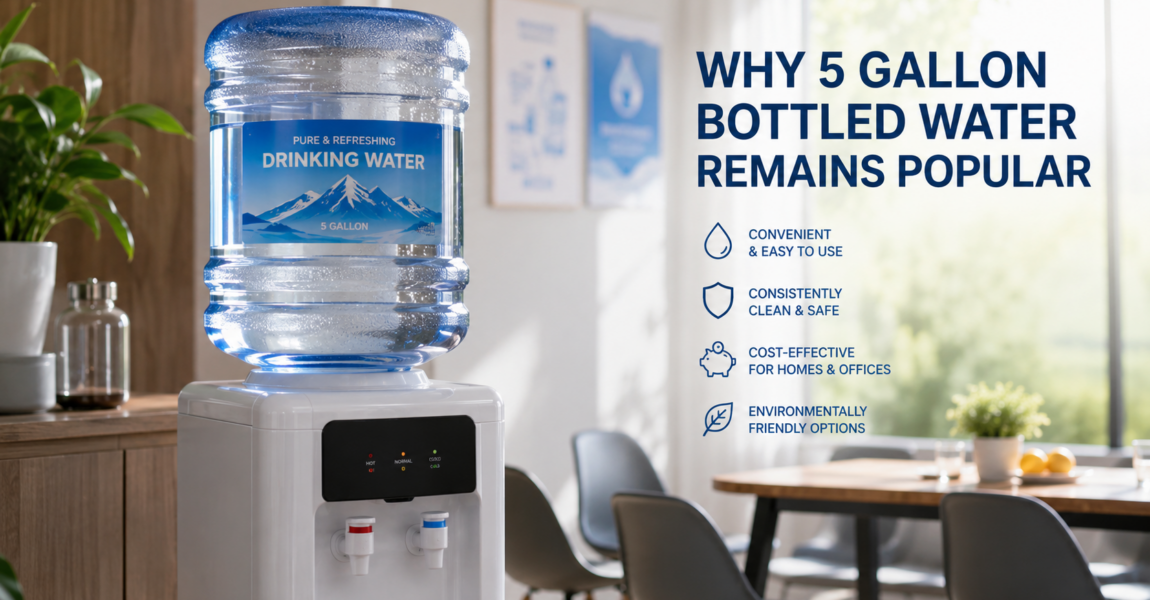
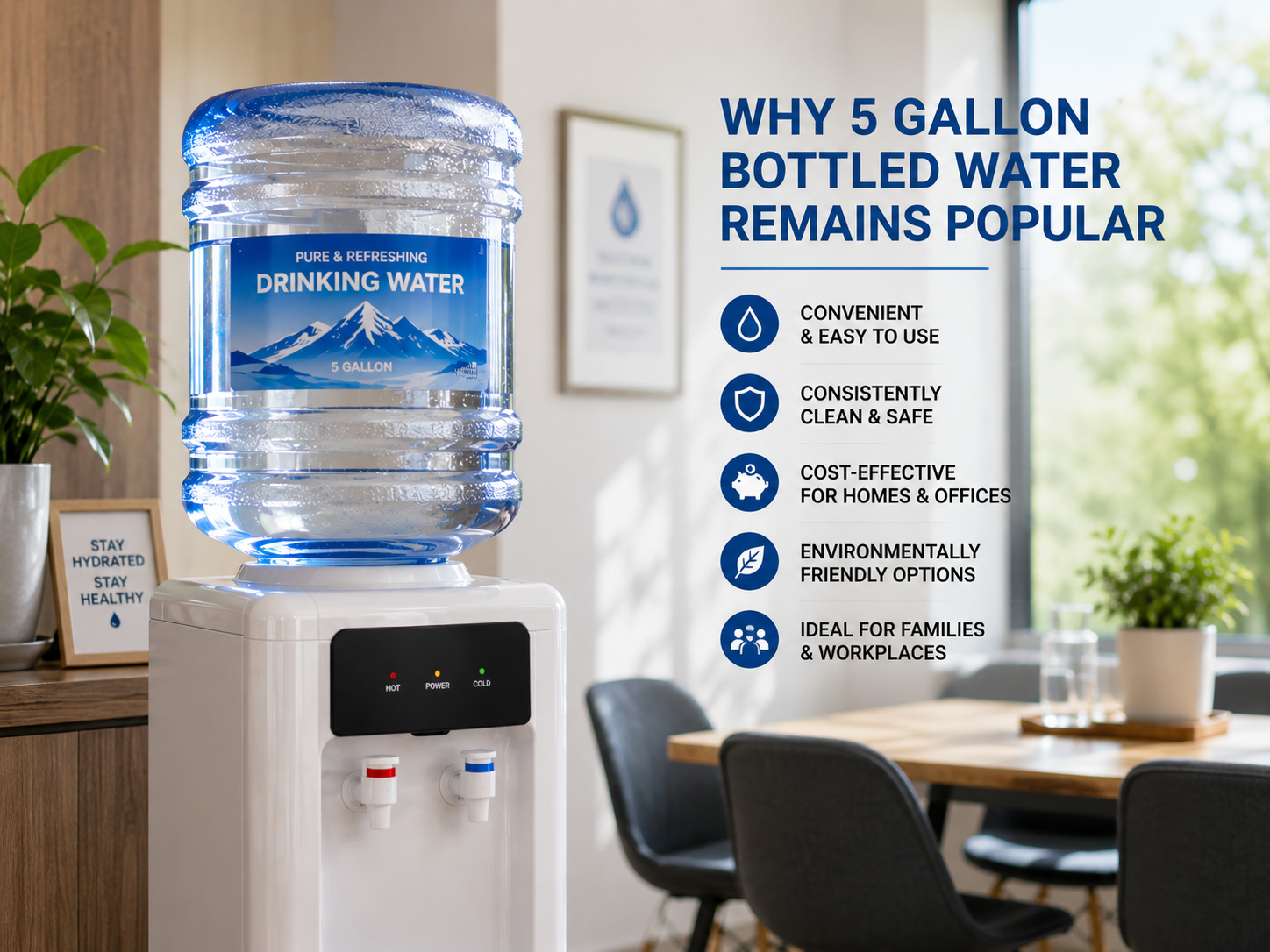
Many of you probably have a bottle of water nearby right now. You might wonder, with all the talk about sustainability and tap water quality, why do we still reach for bottled water so often? It’s a complex topic, touching on everything from perceived safety to sheer convenience, and it’s not always as straightforward as it seems. Choose 19-litre bottled RO water delivery for a convenient and cost-effective way to enjoy clean, refreshing drinking water at home or in the office.
Is tap water actually safe to drink?
You’d think in most developed countries, a basic service like clean drinking water would be a given, right? But the truth is, while regulations are in place, incidents like the Flint water crisis-where lead contamination poisoned residents for years-stick in our collective memory. It makes you wonder what invisible threats might be lurking in your own pipes.
It’s a valid concern, particularly when you consider the aging infrastructure in many cities. Pipes can corrode, and treatment plants can sometimes fail, leading to boil water advisories or, worse, undetected contaminants. Choose Summer Drinking Water for clean, refreshing, and convenient hydration that helps explain why bottled water remains a popular choice for everyday use.
Many of us grew up hearing about chlorine in tap water, or perhaps noticing a faint, chemical smell. This immediately creates a perception that it’s not “pure,” even if the chlorine is there for disinfection. Your senses are telling you something isn’t quite right.
Then there are those local news reports about trace pharmaceuticals or microplastics found in municipal water supplies. Even if the levels are deemed safe by health authorities, the very idea of these substances in your drinking glass is unsettling.
The “pure and filtered” marketing that totally works on us
Bottled water brands are masters at playing on these anxieties. They use imagery of pristine mountain springs and untouched glaciers, suggesting a natural purity that tap water just can’t match. It’s a powerful visual narrative.
They also highlight their multi-stage filtration processes, implying that every drop has been meticulously cleaned and stripped of impurities. This creates a sense of superior quality and safety in your mind, even if your local tap water goes through rigorous filtration too.
This marketing often emphasizes what’s *removed* from their water-chlorine, sediment, “impurities”-without always specifying what those impurities are or whether they were ever actually harmful at the levels found in tap water. It’s about perception, and they’re very good at shaping it.
Honestly, it just tastes way better
You’ve probably noticed that not all water tastes the same, right? Many people find bottled water to have a cleaner, more neutral taste compared to what comes out of their kitchen tap. This preference isn’t just in your head; it’s a significant factor driving its continued popularity, as detailed in studies like Bottled Water: United States Consumers and Their … – PMC.
The perceived purity and crispness often win out, even when tap water is perfectly safe. It’s a sensory experience, plain and simple, and one that many consumers are willing to pay a premium for.
Saying goodbye to that weird metallic aftertaste
Ever take a sip of tap water and get that faint, almost chemical or metallic echo on your tongue? That’s often due to chlorine used in municipal treatment processes, or even older pipes in your home or city infrastructure.
Bottled water, especially brands that use filtration methods like reverse osmosis or activated carbon, can effectively remove these flavor-altering impurities. You get a much smoother finish without any unpleasant surprises.
Why that crisp, cold bottle just hits different
There’s something undeniably satisfying about cracking open a really cold bottle of water. The chill factor alone can make it feel incredibly refreshing, especially on a hot day or after a workout. You don’t always get that perfectly chilled experience from the tap.
The sealed bottle also gives you a sense of pristine freshness. It feels clean, untouched, and ready to quench your thirst in a way that a glass from the sink sometimes just can’t match.
That feeling of immediate, unadulterated refreshment is a powerful draw. It’s not just about hydration; it’s about the entire sensory package – the cold temperature, the lack of odd flavors, and the convenience of having it ready to go. For many, this makes the experience of drinking bottled water genuinely superior, creating a strong preference that keeps them coming back.
My take on why it’s become a status symbol
You see it everywhere now, don’t you? That sleek, often minimalist bottle clutched by influencers, celebrities, and even just folks at the gym. It’s not just about hydration anymore; it’s about projecting a certain image, a lifestyle choice that whispers, “I care about what I put into my body,” even if that care comes with a hefty price tag.
There’s a subtle but powerful psychology at play. Holding a particular brand of bottled water can signal affluence or an adherence to wellness trends. It’s become a small, everyday luxury, a way to feel like you’re making a discerning choice in a world full of options.
The “fancy water” vibe and the wellness trap
You’re probably familiar with the “fancy water” phenomenon – think of those brands sourced from remote glaciers or volcanic springs. They’re marketed with an aura of purity and exclusivity, suggesting superior health benefits or a unique taste profile you just can’t get from the tap.
This marketing taps directly into the growing wellness industry, making you feel like you’re investing in your health by choosing these premium options. But is it always genuinely healthier, or is it a carefully constructed perception? It’s often the latter, creating a wellness trap where perceived value outweighs actual benefit.
How branding makes us feel like we’re winning at life
Branding plays an enormous role in this perceived status. Companies invest heavily in sleek designs, sophisticated logos, and aspirational advertising that links their product to success, health, and an enviable lifestyle. You’re not just buying water; you’re buying into an ideal.
Picking up a bottle from a well-known, high-end brand can give you a little psychological boost. It’s a small, tangible way to feel like you’re part of an exclusive club, a subtle nod to being in the know and making smart, health-conscious decisions that align with a winning attitude. It’s a simple purchase, but it can make you feel momentarily like you’re conquering your day.
This feeling of “winning” is often reinforced through social media, where these bottles are prominently featured. When you see others – especially those you admire – showcasing their preferred bottled water, it creates a desire to emulate that image. You want to align yourself with that perceived success, and a bottle of water becomes an accessible accessory to achieve that feeling.
What’s the deal with it being everywhere?
You can’t swing a cat without hitting a bottle of water, can you? It’s in every convenience store, gas station, and even those little kiosks you find in the middle of nowhere. This widespread availability really makes it feel like an indispensable part of daily life, almost like you’d be missing out if you didn’t have one handy.
Think back to when this all started becoming a thing; it wasn’t always like this. When did bottle water start becoming popular? People used to just drink from the tap or a water fountain without a second thought. But now, it’s just *there*, always an option.
Vending machines are basically stalking us now
Walk into almost any building, and you’ll probably spot a vending machine. They’re not just for sodas and snacks anymore; water bottles dominate a significant portion of their offerings. This pervasive presence means you’re never more than a few steps away from buying a cold drink.
This constant accessibility makes it incredibly easy to grab a bottle whenever a thirst pang hits, reinforcing the habit of buying rather than carrying a reusable option. It’s a convenience that’s hard to beat when you’re on the go.
Why it’s often the only real choice at big events
Attending a concert or a sports game often means you’re at the mercy of the venue’s concessions. You might find soda, juice, or energy drinks, but more often than not, bottled water is the only non-sugary, non-alcoholic option available.
They know you’re likely to get thirsty, especially if it’s hot or you’re doing a lot of cheering. And let’s be honest, sometimes you just want something plain and refreshing without all the added sugar or artificial sweeteners.
This limited selection at large gatherings practically forces your hand, doesn’t it? Venues often restrict outside beverages for security and revenue reasons, leaving you with their sometimes overpriced, but readily available, bottled water.
Seriously, it’s still better than a sugary soda
But let’s be real for a moment: you’re probably not reaching for a bottle of water because you’re worried about tap water quality every single time. Often, you’re making a healthier choice, plain and simple. Think about it – when you’re faced with a wall of brightly colored, sugar-laden drinks, that clear bottle of water looks pretty good. It’s a conscious decision to avoid the empty calories and high sugar content that come with most sodas and juices. You’re opting for something that truly hydrates without the guilt.
You might be surprised to learn How Bottled Water Became America’s Most Popular Beverage, often replacing those sugary alternatives entirely. This shift isn’t just about convenience; it’s a direct response to a growing awareness of public health and the desire to cut down on processed sugars. You’re choosing hydration that supports your body, rather than hindering it with unnecessary additives.
Trying to stay healthy while on a long road trip
Imagine you’re hours into a long drive, miles from anywhere, and your thirst is growing. The gas station convenience store is your only option. What do you grab? A sugary energy drink might give you a temporary jolt, but it’ll likely lead to a crash later. A bottle of water, however, provides sustained hydration without any of the jitters or subsequent fatigue. It’s the smart choice for maintaining focus and energy on the open road.
Keeping a case of bottled water in the car for those extended journeys just makes sense. You’re ensuring you have access to clean, refreshing hydration whenever you need it, preventing dehydration from setting in. This proactive approach helps you feel better throughout your trip and avoids the inevitable sugar crash that comes with other popular road trip beverages.
How we justify the plastic for the sake of hydration
Yes, we all know about the plastic issue. It’s a genuine concern, and you’re probably wrestling with it every time you grab a single-use bottle. But sometimes, the immediate need for hydration, especially when other options aren’t available or are questionable, outweighs that environmental guilt. You’re making a tough call, prioritizing your body’s needs in that moment. It’s a practicality thing, when you’re in a pinch, sometimes it feels like the only option.
Sometimes, too, you’re not just thinking about yourself but about providing safe hydration for others, like when you’re packing for a family outing or preparing for an emergency. The ability to quickly and safely hydrate yourself and your loved ones often becomes the priority. This immediate benefit, the assurance of clean water, often overshadows the long-term environmental impact in the heat of the moment.
Ultimately, you’re weighing the instant benefit of guaranteed hydration against the environmental cost. It’s a complex decision, and while many are working towards more sustainable solutions, the convenience and perceived safety of bottled water still win out in certain situations. You’re not ignoring the problem, but you’re also acknowledging personal and immediate needs.
Summing up
You might grab a bottle of water for convenience, for its perceived safety, or maybe just because you prefer the taste. And that’s perfectly understandable! It’s clear that bottled water isn’t just a simple drink; it’s interwoven with our lifestyles, our concerns about health, and even our social habits.
You’ll continue to see bottled water everywhere, from your gym bag to the conference room, because it ticks so many boxes for so many people. It’s a choice that reflects a blend of personal preference, practical needs, and the pervasive marketing that makes it so accessible.
FAQ
Q: Does the convenience factor truly drive bottled water’s sustained popularity?
A: Absolutely, convenience plays a huge part. Think about it: you’re rushing to a meeting, hitting the gym, or just out and about, and needing a quick drink. A pre-packaged bottle of water is just so easy to grab from a cooler or vending machine. There’s no searching for a fountain, no refilling a reusable bottle – it’s instant hydration, ready to go, and that’s a powerful draw for many people in our fast-paced world.
Q: How much does perceived safety influence people’s choice to buy bottled water over tap water?
A: Perceived safety is a major contributor, without a doubt. Despite regulations and testing, stories about aging infrastructure, lead pipes, or contaminants like “forever chemicals” can make people wary of what’s coming out of their tap. Bottled water, often sourced from springs or purified through various processes, offers a sense of guaranteed purity, even if tap water in many areas is perfectly safe. That peace of mind is worth a lot to consumers.
Q: Is there a significant difference in taste between bottled water and tap water that explains its preference?
A: For many, yes, taste is a real differentiator. Tap water can vary widely in flavor depending on its source and treatment – you might notice chlorine, mineral notes, or even an earthy taste. Bottled water brands, however, often market themselves on a clean, neutral, or even slightly sweet taste profile. Some people are very sensitive to these subtle differences and genuinely prefer the consistent, often milder, taste of bottled varieties, especially specific brands they’ve grown accustomed to.
Q: What role does branding and marketing play in keeping bottled water a popular choice?
A: Branding and marketing are incredibly influential. Companies spend millions positioning bottled water not just as a drink, but as part of a healthy, active lifestyle. You see ads featuring sleek bottles in pristine natural settings or with athletes, associating the product with purity, performance, and well-being. This creates a strong aspirational image around bottled water, making it feel like a premium, health-conscious choice rather than just plain old H2O. It’s often presented as an upgrade.
Q: Does the availability of bottled water everywhere contribute to its ongoing demand?
A: The sheer ubiquity of bottled water definitely fuels its popularity. You can find it everywhere – gas stations, grocery stores, cafes, airports, even office break rooms. This widespread availability means it’s always the convenient option, often more so than finding a water fountain or a place to refill a personal bottle. This constant presence normalizes its consumption and makes it a default choice for hydration when you’re out and about, becoming an almost unconscious habit for many.
- July 13, 2026
- Mineral Water