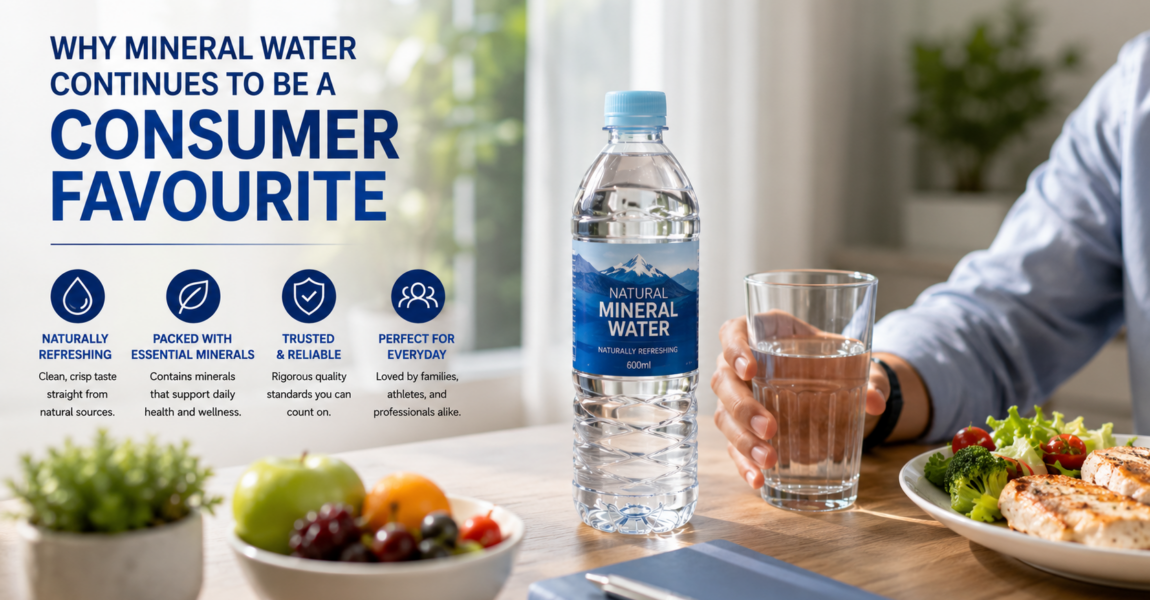
Key Takeaways:
- People really value the distinct taste of mineral water. It’s not just about hydration; there’s a unique flavor profile that sets it apart from regular tap water, often attributed to the specific blend of dissolved minerals. Think about how a fine wine has terroir – mineral water has something similar.
- The perceived health benefits play a huge role in its enduring popularity. Consumers often associate the naturally occurring minerals like magnesium, calcium, and potassium with various wellness advantages, from bone health to improved digestion. And who doesn’t want to feel a little healthier?
- Brands have done an excellent job creating a premium image around mineral water. It’s often marketed as a high-quality, natural product, sometimes even highlighting its source from pristine, untouched springs. This sophisticated branding helps justify the higher price point for many.
- The convenience factor is a big draw. Bottled mineral water is easy to grab and go, fitting into busy modern lifestyles where people are constantly on the move. You can find it almost anywhere, from corner shops to high-end restaurants.
- There’s a strong psychological appeal. Choosing mineral water can feel like a small indulgence, a way to treat yourself to something a bit more special than plain old H2O. It’s a simple pleasure that many find hard to resist.
The real deal about why it tastes so different
Why that crisp hit feels so good
You’ve probably noticed that distinct, almost effervescent quality in good mineral water, right? It’s not just your imagination; those dissolved minerals, especially bicarbonates, play a huge role. They interact with your taste buds in a way that regular filtered water simply can’t replicate, giving you that satisfying, clean finish.
This sensation is a big part of why people are willing to pay a premium. The Premium Bottled Water Market Size Report, 2026-2033, highlights this trend, showing a steady increase in consumer demand for these unique taste profiles.
It’s not just in your head, it’s the chemistry
The unique geological journey of mineral water is what truly sets it apart. As it filters through various rock layers deep underground, it picks up a specific cocktail of minerals like magnesium, calcium, potassium, and sodium. The precise balance of these elements creates a signature taste profile for each source.
Think about wines from different regions; the terroir impacts the flavor significantly. It’s much the same with mineral water. The concentration and type of dissolved solids directly influence not just the taste, but also the mouthfeel – that subtle texture you perceive when you drink it.
For example, water high in magnesium often has a slightly softer, almost silky feel, while higher calcium levels can contribute to a crisper, more structured taste. Getting this balance right is crucial for the brands that consistently top the taste tests. Enjoy clean, refreshing hydration with our 19L bottled mineral water delivery, trusted by homes and offices for everyday convenience.
My take on the tap vs. mineral debate
Why they aren’t even in the same league
You’re probably thinking, “Water is water, right?” Not exactly. Tap water, while perfectly safe in most developed countries, is primarily about hydration and basic public health. It’s treated, filtered, and disinfected to remove harmful contaminants, which is a huge win for society, but it doesn’t really focus on what’s left behind.
Mineral water, on the other hand, comes from protected underground sources, untouched by human activity. It’s bottled at the source, meaning it retains its naturally occurring minerals and trace elements like magnesium, calcium, and potassium. These aren’t just added for taste; they’re part of its natural composition, giving it a unique profile that tap water simply can’t replicate. Stay refreshed wherever you go with 250ml mineral water—your convenient choice for clean, natural hydration every day.
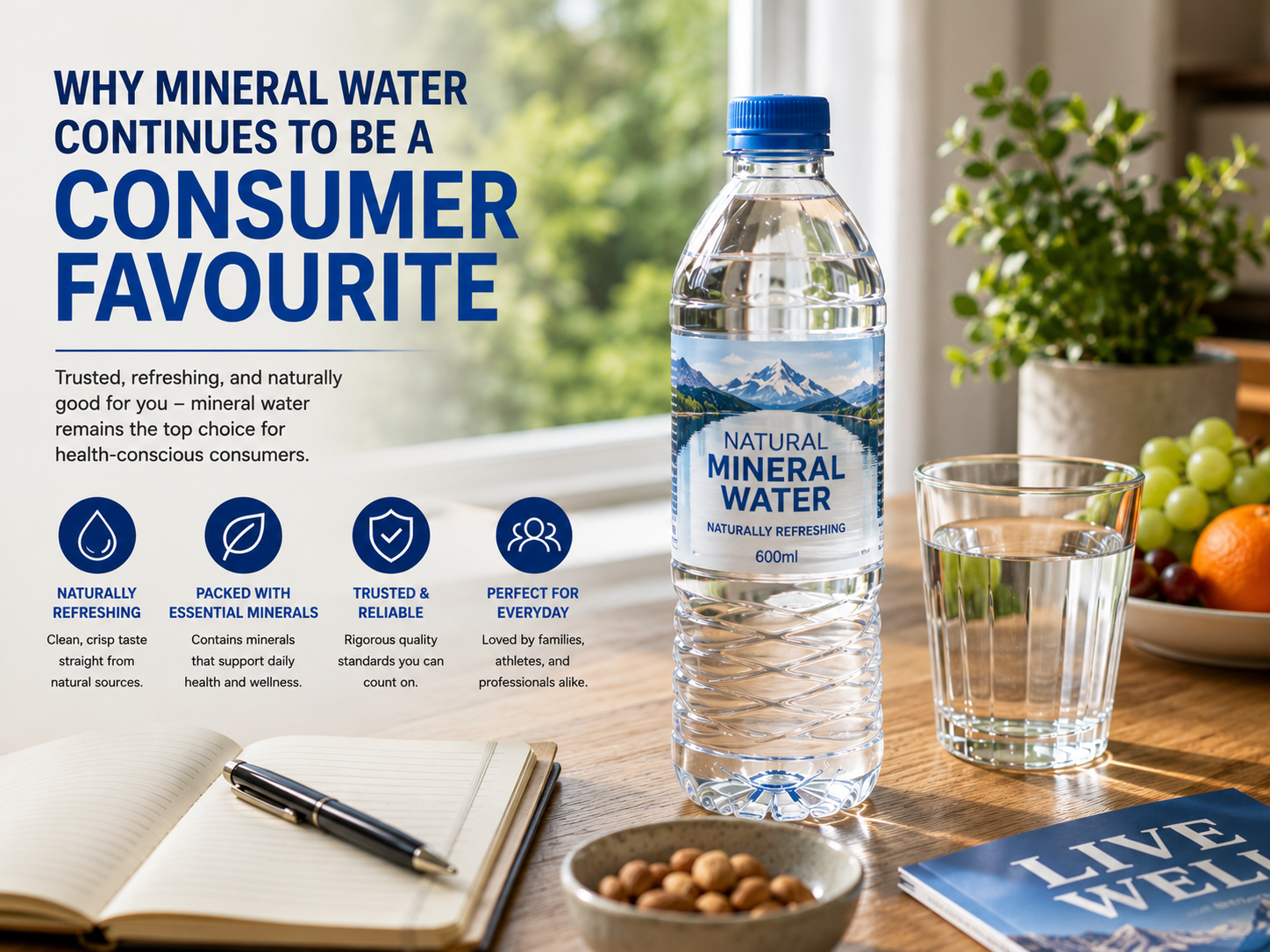
Let’s talk about the price tag for a second
Of course, the elephant in the room is always the cost. You can fill a glass from your kitchen sink for virtually nothing, while a bottle of mineral water costs a few dollars. It’s a stark difference, and it makes many people question whether it’s truly worth it.
But when you consider the journey that mineral water takes – from its protected source, through natural filtration, to bottling and transportation – that price starts to make a bit more sense. You’re paying for the purity, the unique mineral content, and the convenience of a ready-to-drink product that’s been carefully preserved. Think about it: you’re not just buying water; you’re buying a piece of earth’s natural, untouched bounty, delivered right to you.
Honestly, what about the environment?
The struggle between convenience and being green
You’re probably thinking about all those plastic bottles, right? It’s a valid concern, and one that weighs heavily on many consumers. We love the convenience, the grab-and-go ease, but that nagging feeling about the environmental impact is hard to shake. It really is a balancing act, isn’t it?
That immediate accessibility often wins out when you’re thirsty and on the move. But the environmental cost is something we’re all becoming more aware of, especially when you consider questions like Is Bottled Water Better Than Tap Water?, which often includes a look at the packaging.
Here’s how brands are trying to fix things
Many mineral water brands are acutely aware of the plastic problem. They’re investing heavily in solutions like bottles made from recycled PET (rPET), aiming to close the loop on plastic waste. Some are even exploring plant-based plastics or entirely new packaging materials.
You’ll also see initiatives focused on reducing the overall amount of plastic used in each bottle. This means lighter bottles and caps, which might seem small, but it adds up to a significant reduction in plastic tonnage over millions of units.
Beyond the bottle itself, some companies are pushing for better recycling infrastructure and consumer education, trying to ensure that their products, once consumed, actually make it into a recycling stream rather than a landfill. It’s a complex challenge, but the industry is definitely feeling the pressure to innovate.
Is it actually better for your skin?
What the “glow” talk is all about
You’ve probably heard people swear that drinking mineral water gives them a special “glow.” This idea often stems from the belief that the minerals themselves, like silica and zinc, are somehow absorbed directly into your skin cells from the inside out, making them look more radiant. It’s a nice thought, isn’t it?
The truth is, while these minerals are certainly good for your body, the direct link between drinking mineral water and a visibly “glowing” complexion is more anecdotal than scientific. Your body processes water and its contents through digestion, not by directly sending specific minerals to your epidermis for an instant shine.
My thoughts on the hydration hype
Proper hydration, no matter its source, is absolutely vital for healthy skin. When you’re well-hydrated, your skin cells are plump and function better, which can make your skin look smoother and more elastic. Dehydration, on the other hand, often leads to dull, tired-looking skin.
But does mineral water hydrate you *better* than tap water? Not necessarily. Your body is incredibly efficient at absorbing water, whether it’s filtered tap or sparkling spring water. The key is consistent intake, not the specific mineral content of your H2O.
If you enjoy the taste of mineral water and it encourages you to drink more throughout the day, then great! That sustained hydration will certainly benefit your skin. However, don’t feel pressured to spend extra on bottled water for purported skin benefits alone, especially when considering the environmental impact. As Consumer Reports points out regarding our bottled water habits, there are other factors to weigh.
Final Words
You’ve seen how mineral water isn’t just a simple beverage; it’s a complex mix of geology, taste, and perception. It’s clear why it continues to hold a special place in your shopping cart, whether you’re drawn to its unique taste profile, the perceived health benefits, or simply the ritual of uncapping a fresh bottle.
Your preference for mineral water often comes down to a blend of its inherent qualities and the story it tells – a story of purity and natural origin. That connection, that feeling of choosing something a little bit special, is powerful, and it’s something you simply don’t get from every other drink out there.
FAQ
Q: How does mineral water acquire its unique composition compared to regular tap water?
A: Mineral water starts its journey as rainwater or melted snow, slowly seeping through layers of underground rock and soil. Along this path, it naturally dissolves various minerals like magnesium, calcium, potassium, and bicarbonates from the geological formations it passes through. This prolonged contact with the earth is what gives each brand – and even different sources from the same brand – its distinct mineral profile and, frankly, its characteristic taste. Tap water, on the other hand, often comes from surface sources like rivers or reservoirs and undergoes extensive treatment processes that can strip away or alter its natural mineral content.
Q: Does the source of mineral water really make a difference in its quality or taste?
A: It makes a huge difference! Think of it like wine – the “terroir” or the specific geological environment of the source profoundly impacts the water’s final composition and flavor. Water from volcanic regions might have a different mineral balance than water from ancient limestone aquifers. This is why a sparkling mineral water from the Italian Alps tastes distinctly different from a still one sourced from the French Pyrenees. Each source is unique, providing its own signature blend of dissolved solids that creates that particular mouthfeel and aftertaste you either love or hate.
Q: What regulations are in place to ensure the authenticity and purity of bottled mineral water?
A: Governments generally have pretty strict regulations for bottled mineral water. In the U.S., the FDA (Food and Drug Administration) classifies it as a food product and has specific standards it must meet, including rules about its source, mineral content, and the bottling process. It can’t be treated with disinfectants or have minerals added to it, which sets it apart from “purified” or “spring” water. This ensures that what you’re drinking is genuinely natural water from an underground source, protected from contamination, and bottled at the source with its original mineral composition intact.
Q: Why do some mineral waters have a natural carbonation, while others are still?
A: That’s a great question, and it all comes back to the geology of the source. Naturally carbonated mineral water flows through underground rock formations where it comes into contact with natural carbon dioxide gas. This gas dissolves into the water under pressure, creating those lovely bubbles we associate with a crisp, sparkling drink. Still mineral water, conversely, emerges from sources where it hasn’t encountered significant amounts of natural CO2, so it remains uncarbonated from the start. Both are natural, just from different geological circumstances.
- July 7, 2026
- Mineral Water