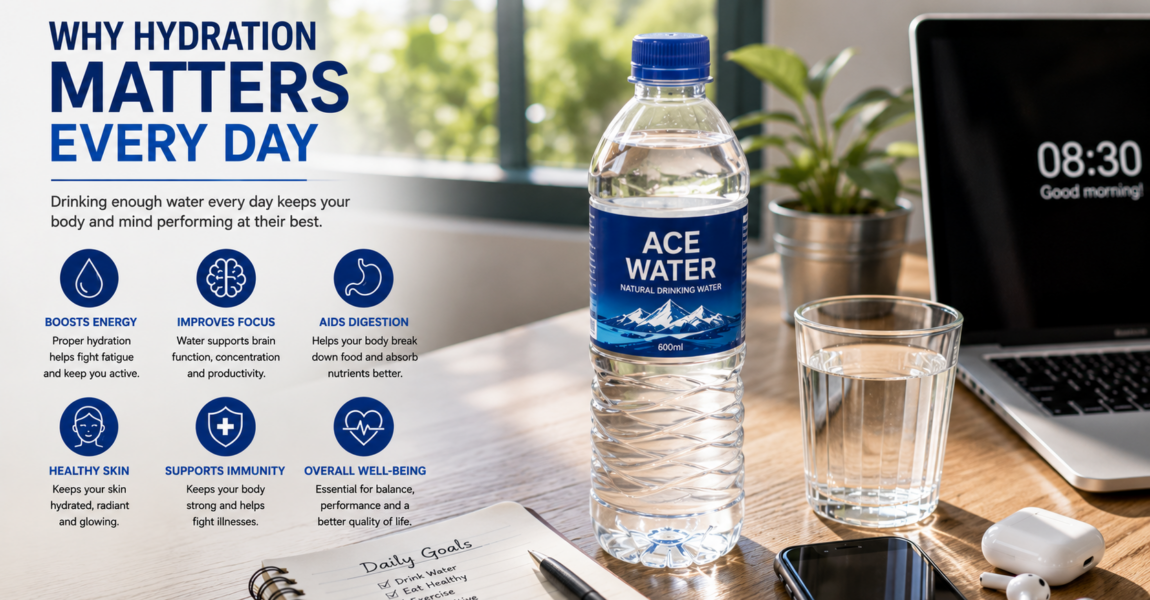
Over half your body is water, making daily hydration non-negotiable for everything from brainpower to glowing skin. You’re probably not drinking enough, and that can lead to some pretty serious health issues if you’re not careful. But don’t worry, staying properly hydrated is easier than you think and offers incredible positive impacts on your overall well-being. Stay hydrated every day with pure, refreshing RO water—clean, safe drinking water for a healthier lifestyle
Key Takeaways:
- Your body is mostly water, about 60% in adults, and every single cell, tissue, and organ needs it to function right. Think of it like the oil in your car – things seize up without it.
- Brain power takes a hit when you’re dehydrated. Even mild dehydration can mess with your mood, focus, and memory, making it harder to concentrate on tasks or even just remember where you put your keys.
- Forget the rigid ‘eight glasses a day’ rule; your personal hydration needs depend on things like your activity level, the weather, and your overall health. Listen to your body and drink when you’re thirsty, but don’t wait until you’re parched.
- Proper hydration really does contribute to healthier skin. It helps maintain elasticity and can give you a more vibrant complexion, working from the inside out in a way no topical cream ever could.
- Watch out for signs like dark urine, dry mouth, or fatigue – these are your body’s way of telling you it needs more water. Ignoring these signals can lead to more serious issues down the line.
Why we’re basically just walking water balloons
Think about it for a second: you’re not just a collection of bones and organs. You’re actually a pretty sophisticated biological system, and a huge chunk of that system is, well, water. It’s not just floating around in there, either; it’s actively involved in almost everything your body does, from thinking to moving.
It’s the very medium that allows your cells to communicate, your nutrients to travel, and your waste to be flushed away. Without enough of it, everything slows down, and not in a good way.
How much of you is actually water?
You might be surprised to learn just how much of your body is composed of water. For an average adult, it’s somewhere around 55% to 60%. Babies, for example, are even more watery, coming in at about 75%.
Even your bones, which feel so solid, are about 31% water. Your muscles and kidneys are closer to 79%, and your brain and heart? A whopping 73% water. So, you’re less solid than you think!
What’s happening inside when you’re dry
When you start to get dehydrated, your body begins to ration its water supply. This means less efficient transport of nutrients and oxygen to your cells, and a slower removal of metabolic waste. You’ll likely feel sluggish, maybe even a little foggy.
Your blood volume can also decrease, making your heart work harder to pump blood around your body. This can lead to increased heart rate and lower blood pressure, which is definitely not ideal for overall health.
This isn’t just about feeling a bit tired, though. If dehydration becomes severe, it can lead to serious health issues like heatstroke, kidney stones, and even electrolyte imbalances that can affect heart function. That’s why staying properly hydrated really is a big deal for your entire system.
The real deal about your brain on water
Why you’re feeling so foggy and tired
Ever had one of those days where your brain just feels like it’s wading through mud? You’re probably not imagining it. Even 10 Reasons Why Hydration is Important, mild dehydration can significantly impact your cognitive functions. We’re talking about things like memory, concentration, and even your reaction time. It’s a real drain on your mental energy.
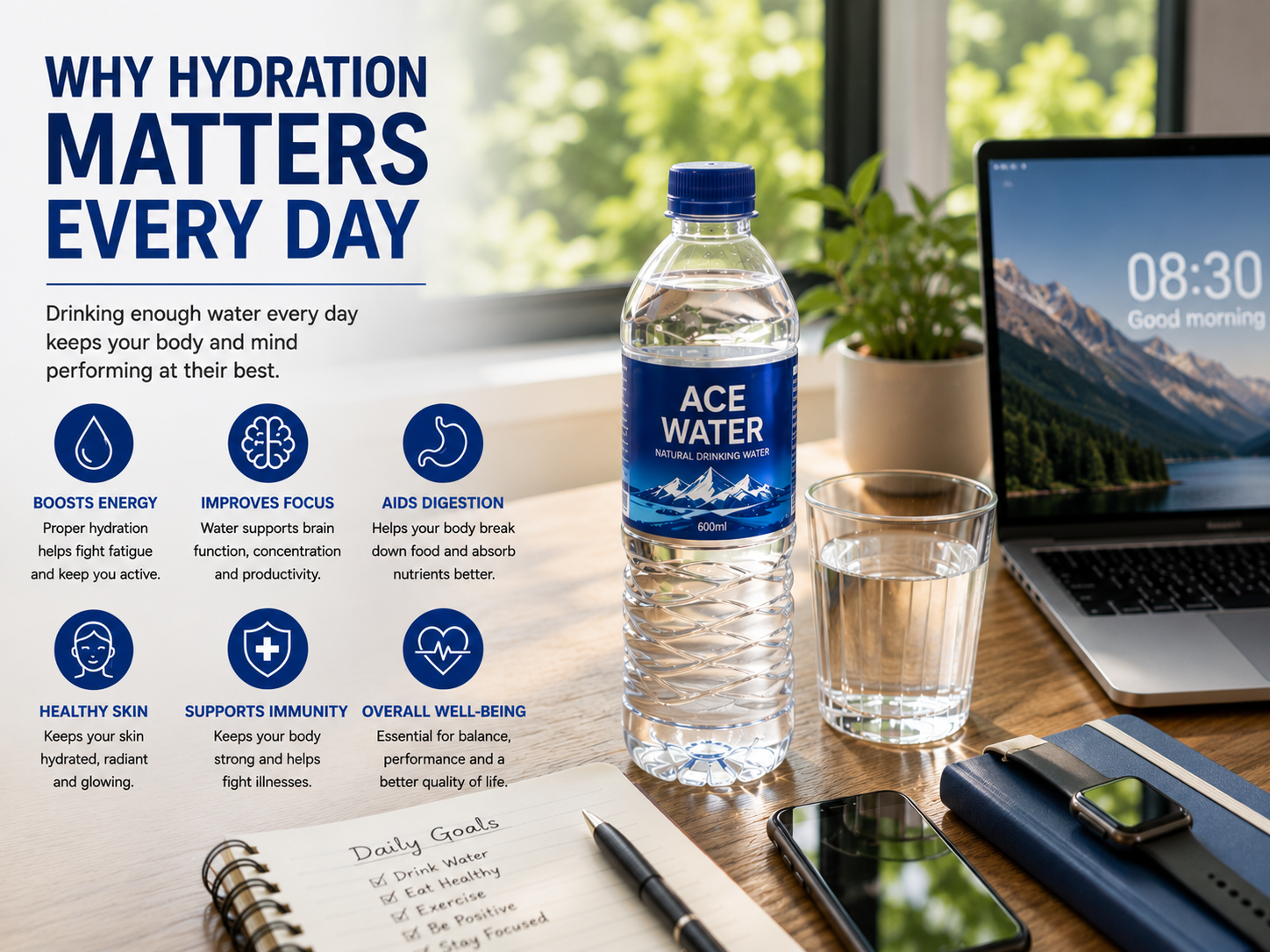
Your brain, being about 75% water, is incredibly sensitive to even small fluctuations in your fluid levels. When you’re not properly hydrated, it literally shrinks a bit, making it harder for brain cells to communicate effectively. That dull ache behind your eyes? It might just be your brain asking for a drink. Make daily hydration easy with Summer Drinking Water 250ml, offering clean, refreshing water that’s perfect for work, school, and travel.
Honestly, it’s the easiest way to focus
Thinking clearly doesn’t have to be a monumental task. You can give your brain a serious boost just by keeping a water bottle handy. It’s like giving your internal supercomputer the fuel it needs to run at optimal speed.
This simple act can lead to sharper focus and improved decision-making throughout your day. Imagine tackling complex problems or just getting through your to-do list without feeling that mid-afternoon slump.
And it’s not just about avoiding the negative; proper hydration actively supports neurotransmitter function. These chemical messengers are necessary for everything from mood regulation to quick thinking, so keeping them happy with plenty of water means you’re literally building a better brain environment for concentration.
My take on the whole 8 glasses a day rule
Is that magic number even real?
You’ve probably heard it a thousand times: drink eight glasses of water a day. It’s practically drilled into us from childhood, right? But here’s the kicker – that specific number isn’t some universally scientific decree. It’s more of a general guideline, a nice round figure that’s easy to remember. No one study definitively established this as the Water Wisdom: The Importance of Hydration golden rule for everyone, everywhere.
This widespread advice, while well-intentioned, doesn’t account for individual differences. Your neighbor’s hydration needs could be wildly different from yours, and that’s perfectly normal. Relying solely on this one-size-fits-all approach might leave you either over-hydrated or, more likely, still a bit parched.
How to figure out what you actually need
So, if eight glasses aren’t the be-all and end-all, how do you know what’s right for *you*? Your body is actually pretty good at telling you. Listen to its signals, and pay attention to how you feel throughout the day. Things like your activity level, the climate you live in, and even your overall health play a huge part.
A good starting point is to simply observe your urine color. If it’s consistently pale yellow, almost clear, you’re likely well-hydrated. If it’s dark yellow or amber, that’s a pretty strong sign you need to reach for some water. And don’t forget, thirst is your body’s way of saying, “Hey, I need a drink!” Ignoring thirst signals is one of the quickest ways to become dehydrated.
Consider your lifestyle too. If you’re hitting the gym hard or spending a lot of time outdoors in the heat, you’ll naturally need more fluids than someone with a more sedentary routine. Even certain medications can impact your hydration status, making it even more important to adjust your intake accordingly.
That glow isn’t just about expensive creams
Seriously, hydration is the best skincare
You know that dewy look everyone chases? It’s not just about what you put *on* your skin. Think about it: when your skin cells are properly hydrated from the inside, they’re plumper and more resilient. This internal moisture helps to smooth out fine lines and gives your complexion a natural, healthy radiance that no amount of highlighter can truly replicate.
And let’s be honest, you’re saving money. Instead of constantly buying new serums and moisturizers, you’re investing in something far more fundamental and effective. Staying well-hydrated helps maintain your skin’s elasticity, reducing the appearance of dullness and giving you that truly fresh-faced look.
Keeping things moving in your gut
Your digestive system absolutely relies on water to function properly. It’s like the grease for a well-oiled machine; without enough fluid, things can really slow down, leading to discomfort and irregularity. We’re talking about preventing constipation, which nobody enjoys.
Water helps break down food and absorb nutrients more efficiently, too. When you’re adequately hydrated, your body can process waste products and toxins much more effectively, ensuring that everything keeps moving smoothly through your system. Dehydration, on the other hand, can make your stool hard and difficult to pass, causing significant strain and discomfort.
You’ve gotta watch out for these warning signs
You might think you’re doing okay, but your body often sends out subtle SOS signals when it’s not getting enough H2O. Ignoring these can lead to more serious issues down the line, so it’s smart to pay attention. For more context on The importance of hydration, you can always check out resources from Harvard.
Headaches that just won’t quit
Ever had a headache that just lingers, even after you’ve tried everything? It could be a sign you’re dehydrated. Your brain actually shrinks slightly when you’re not properly hydrated, pulling away from your skull and causing that uncomfortable pressure.
This isn’t just a minor annoyance; a persistent dehydration headache can really mess with your concentration and mood. So, before you reach for the pain relievers, try downing a big glass of water first. You might be surprised at how quickly it helps.
What your pee is trying to tell you
One of the easiest and most direct ways to gauge your hydration level is by checking your urine. You’re aiming for a pale, straw-like yellow – almost clear. If it’s darker, like apple juice, your body is definitely telling you it needs more water, and soon.
A really dark yellow or even amber color means you’re likely significantly dehydrated, and that’s when you really need to act. Don’t wait until you feel thirsty; thirst is actually a sign that dehydration has already begun.
And if your urine is completely colorless, you might actually be drinking too much water too quickly, which can also be problematic, though less common. Moderation is key, as always, but generally, most of us are under-hydrated rather than over-hydrated.
Easy ways to sip more without it being a chore
You’re probably thinking, “Okay, I get it, hydration’s a big deal, but I already have a million things to do.” And you’re right! But boosting your water intake doesn’t have to feel like another item on your never-ending to-do list. It’s about finding small, repeatable habits that become second nature, almost like brushing your teeth.
Making it effortless is the name of the game here. Think about what works for you, your daily rhythm, and where you can naturally slot in a few extra gulps. It’s not about chugging a liter all at once; it’s about consistent, gentle sips throughout your day.
Here’s how I remember to keep drinking
My biggest game-changer has been setting a simple timer on my phone. Every hour or so, it gives a gentle ping, reminding me to take a few sips from my water bottle. It’s not intrusive, just a little nudge that breaks up my focus and gets me to rehydrate.
I also keep a dedicated water bottle right next to me, whether I’m at my desk, in the car, or just lounging around. If it’s visible, I’m way more likely to reach for it. Out of sight, out of mind is a real problem when you’re trying to stay hydrated, so keep it front and center.
Making plain water taste way better
Plain water can get a little boring, let’s be honest. That’s why I’m a huge fan of infusing it with fruits or herbs. You can drop in some sliced cucumber and mint for a really refreshing twist, especially on a hot day. It adds just enough flavor to make it interesting without any added sugars or artificial stuff.
Another fantastic option is frozen berries. Toss a handful into your glass, and as they slowly melt, they release a subtle sweetness and a beautiful color. It’s like a tiny, healthy treat that makes drinking water feel a bit more luxurious.
You can experiment with citrus slices like lemon, lime, or even orange, which add a zesty kick. Or try a few ginger slices for a bit of spice, or even some rosemary for an unexpectedly sophisticated flavor. The goal is to make each sip enjoyable, so you naturally want to drink more, turning a chore into a delightful habit.
Conclusion
You’ve seen how staying hydrated isn’t just about quenching thirst; it’s a foundational pillar for your well-being. Keeping your body properly watered helps everything, from your brain’s sharp focus to your skin’s healthy glow. It’s truly a simple habit with profound, far-reaching benefits for your everyday life.
Make hydration a non-negotiable part of your daily routine. Your body works hard for you, so give it the consistent support it deserves.
FAQ
Q: How does proper hydration impact my energy levels throughout the day?
A: You know that sluggish feeling you sometimes get in the afternoon? A lot of times, it’s not just about needing another coffee. Even mild dehydration can significantly zap your energy, making you feel tired and lethargic. Water plays a huge role in transporting oxygen and nutrients to your cells, and when that process slows down, so do you. Think of it like a car running low on gas – it just won’t perform at its best.
Staying well-hydrated helps maintain your blood volume, which means your heart doesn’t have to work as hard to pump blood. This efficiency keeps your energy production humming along nicely, helping you avoid those mid-day slumps and stay focused whether you’re at work or hitting the gym.
Q: Can drinking enough water really help with weight management?
Plus, water plays a part in your metabolism. Your body needs water to effectively break down fat and convert it into energy. Some studies even suggest that drinking cold water can slightly boost your metabolism as your body expends energy to warm it up, though that effect is pretty minor compared to other benefits.
Q: What are some less obvious signs of dehydration I should watch out for?
Most people know dark urine or feeling parched are signs, but there are subtler clues. Headaches are a big one; dehydration can cause your brain to temporarily shrink, pulling away from your skull and triggering pain. You might also notice dry skin or lips, even if you’re using moisturizer.
Irritability and difficulty concentrating are also red flags. Your brain needs plenty of water to function optimally, and when it’s even slightly deprived, your mood and cognitive abilities can take a hit. Muscle cramps, especially during or after exercise, can also signal that you haven’t had enough to drink.
Q: Is it possible to drink too much water, and what happens if you do?
It’s pretty rare for healthy individuals to overdo it on water, but yes, it is possible. This condition is called hyponatremia, and it happens when you drink so much water that your sodium levels become dangerously diluted. Sodium is crucial for normal cell function, and when it drops too low, it can lead to swelling in the brain, seizures, coma, and even death.
Athletes who rapidly consume large amounts of water during endurance events are sometimes at risk, as are individuals with certain medical conditions. The key is to listen to your body and drink when you’re thirsty, rather than forcing down excessive amounts. Your kidneys can typically process about 0.8 to 1 liter of water per hour, so spreading your intake throughout the day is always a good idea.
Q: How do my daily activities and environment affect my hydration needs?
Your hydration needs aren’t static; they change quite a bit based on what you’re doing and where you are. If you’re hitting the gym, going for a run, or just doing some intense yard work, you’re going to sweat more and lose more fluids. You’ll definitely need to increase your water intake to compensate for that.
Being in a hot, humid climate also means you’ll sweat more, even if you’re not exercising. Conversely, dry, cold environments can also increase fluid loss through respiration. Even flying on an airplane can dehydrate you due to the dry cabin air. So, always consider your surroundings and activity level when thinking about how much water you need.
- July 3, 2026
- Health