Key Takeaways:
* During a heatwave, your body sweats *a lot* to try and cool down, and that means you’re losing fluids and electrolytes way faster than usual. If you don’t drink enough water to replace what you’re losing, you’ll get dehydrated, and that’s when things start going wrong – headaches, dizziness, and feeling totally wiped out.
* Staying properly hydrated helps your body regulate its temperature. When you’ve got enough fluid in your system, your blood flows better, and your body can send heat to your skin to evaporate through sweat. No water, no sweat, and your internal temperature can just keep climbing, which is super dangerous.
* Dehydration can really mess with your brain. You might find yourself struggling to concentrate, feeling confused, or even getting irritable. Your brain needs water to function at its best, so keeping those fluids up helps you stay sharp and make good decisions, especially when it’s scorching outside.
* When you’re dehydrated, your heart has to work much harder to pump blood around your body. This extra strain can be risky, especially for older folks or anyone with existing heart conditions. Drinking plenty of water keeps your blood volume up, making it easier for your heart to do its job without overdoing it.
* Water is like the express delivery system for nutrients and oxygen to your cells, and it helps flush out waste products too. In a heatwave, your body is already under stress, so giving it the water it needs helps all your organs function properly and keeps your body’s natural detox processes running smoothly.
Why it’s actually so hard to stay cool
You know that feeling when the air outside just *hits* you, heavy and hot, making you feel instantly sluggish? Your body, it’s constantly working behind the scenes to keep your internal temperature just right, around 98.6 degrees Fahrenheit, but extreme heat throws a real wrench in that system. You’ve got this incredible internal thermostat, but even the best systems have their limits, especially when pushed by relentless sunshine and high humidity.
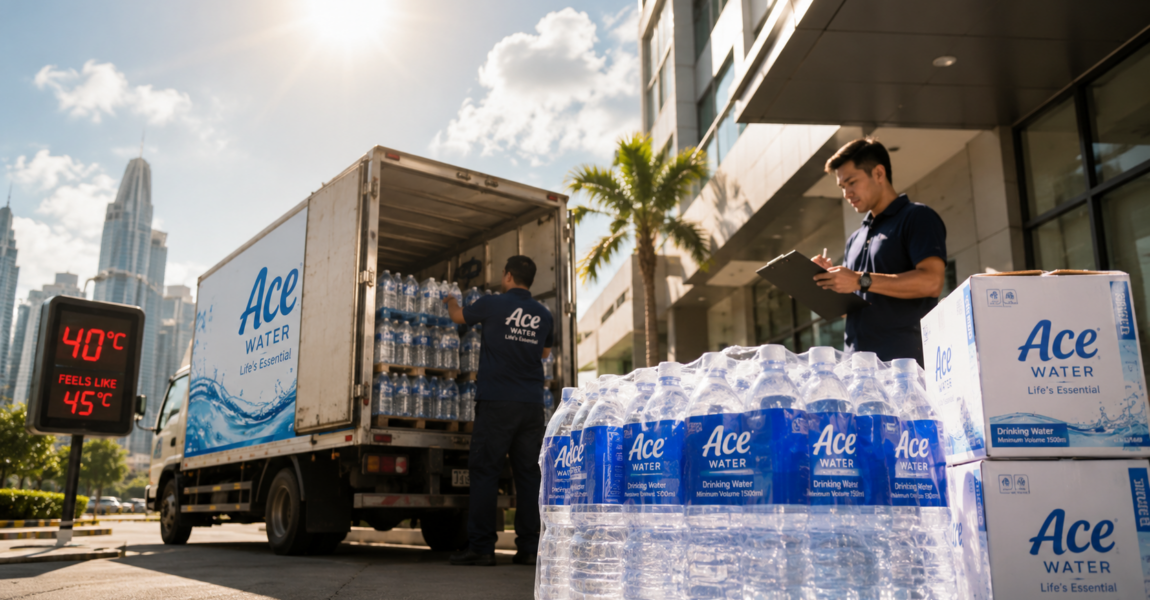
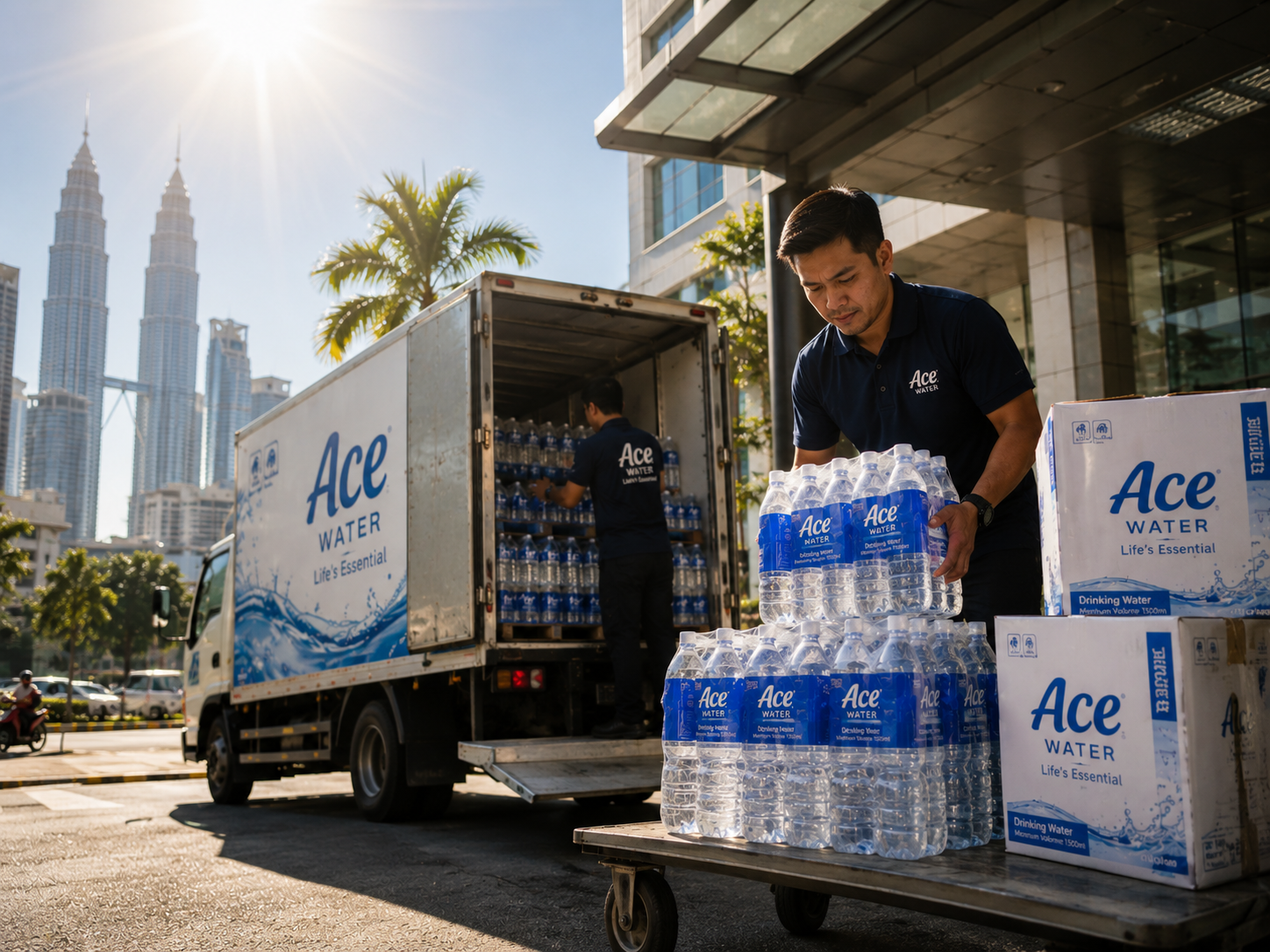
Imagine trying to run a marathon in a sauna – that’s kind of what your body’s experiencing during a heatwave. It’s not just about feeling uncomfortable; your core temperature starts to creep up, and that’s when things can get seriously dicey. You might not even realize how much strain your system is under until you start feeling those first signs of trouble. During hot weather and heatwaves, having access to clean drinking water is essential. Ace Water’s 19-liter bottled mineral water delivery provides a convenient and cost-effective hydration solution for homes, offices, and workplaces, helping everyone drink enough water throughout the day.
What’s really happening when we sweat
Sweating, it’s your body’s natural air conditioner, really. When your internal temperature rises, tiny glands all over your skin release a watery fluid. This isn’t just water, though; it also contains some salts and other stuff.
As that sweat evaporates from your skin’s surface, it takes heat with it, cooling you down. You’re literally shedding heat into the atmosphere, a pretty neat trick, right? The more you sweat, the more heat you can potentially lose, but there’s a catch, and it’s a big one.
Why your body’s cooling system gets overwhelmed
Your body’s ability to cool itself through sweating depends entirely on one main thing: evaporation. When the air around you is already super humid, meaning it’s packed full of water vapor, there isn’t much room for your sweat to evaporate into. It just sits there, clinging to your skin, making you feel sticky and even hotter.
Think of it like trying to dry clothes in a really damp room – they just don’t dry. So, your body keeps producing sweat, thinking it needs to cool you down, but that sweat isn’t doing its job efficiently. This is when you can really start to feel the heat’s dangerous grip.
That’s when your core temperature keeps climbing and climbing, even if you’re sweating buckets. Your body is trying its best, but it’s fighting a losing battle against the environmental conditions, and that’s precisely why staying hydrated is absolutely critical to give your system a fighting chance.
How to tell if you’re seriously dried out
The weird signs you’re totally missing
You might think dehydration is just about feeling thirsty, but your body often sends more subtle, even weird, signals. Ever notice your mouth feeling a bit sticky, or your breath getting, well, not so fresh? That’s your body telling you it’s running low on saliva production, a direct consequence of insufficient fluid intake.
Are your eyes feeling dry or gritty, like you’ve been staring at a screen for hours? This dryness can be another sneaky sign; your tear ducts need proper hydration to keep things lubricated and comfortable. Pay attention to these little nudges – they’re often the first warnings before bigger problems arise.During heatwaves, keeping a bottle of mineral water close by makes it easier to replace lost fluids throughout the day. Desa Mineral Water 500ml is a convenient choice for on-the-go hydration, helping you enjoy clean, refreshing water whenever temperatures rise.
Why a headache is just your body shouting
A throbbing headache, particularly during a heatwave, is one of the most common and often overlooked indicators of dehydration. Your brain, like all your organs, needs a specific balance of fluids to function correctly. When you’re dehydrated, your brain tissue can actually shrink temporarily, pulling away from your skull and causing that painful sensation.
This isn’t just a minor discomfort; it’s your body’s way of screaming for water. Ignoring these headaches can lead to more severe symptoms, making it even harder for you to recover. You can find 10 Tips for Staying Hydrated During the Summer Heat to help prevent this.
When your headache starts, it’s not just a signal for pain relief, it’s a direct command to drink water. Don’t reach for a pill first; try a glass or two of water and see if that dull ache begins to subside. You’d be surprised how often that’s all it takes to quiet your body’s urgent plea.
Here’s how I keep my water game strong
You know that feeling when you’re halfway through a sweltering day and suddenly realize you haven’t had a single glass of water? It’s the worst, isn’t it? Staying hydrated during a heatwave doesn’t have to be a chore; it really comes down to building some simple habits. You’ll find that with a few proactive steps, keeping your fluid levels up becomes second nature.
It’s all about creating a system that works for *you*. You’re unique, so your hydration strategy should reflect that. Think about your daily routine and where you can naturally incorporate more sips.
My favorite ways to remember to sip
My phone buzzing with a hydration reminder used to drive me crazy, but then I found a trick that actually works. I keep a dedicated water bottle, a really cute one, right on my desk or next to me on the couch. Seeing it constantly is a visual cue that’s hard to ignore.
Another thing that helps is linking water intake to existing habits. I always grab a glass right after brushing my teeth in the morning, and again before I sit down for lunch. This way, it just becomes part of the routine, no extra brainpower needed.
Little tricks to make water taste better
Plain old water can get a bit boring sometimes, can’t it? I discovered adding a few slices of cucumber and a sprig of mint makes it feel like a fancy spa drink. It’s surprisingly refreshing and makes me want to reach for my glass more often.
You can also try freezing berries or fruit slices into ice cubes. As they melt, they subtly infuse your water with flavor. This is a brilliant way to add a touch of sweetness without any added sugars, which is especially important when you’re trying to stay healthy and hydrated.
Consider experimenting with different citrus fruits like lemon, lime, or even orange slices; their acidity can really perk up plain water. You might also enjoy a splash of natural fruit juice – just a tiny bit – to give your water a burst of flavor. Do not forget, the goal is to make drinking water enjoyable so you’re more likely to do it consistently, especially when the heat is relentless and dangerous.
Don’t forget about those electrolytes
You might be diligently drinking water, but during a heatwave, that might not be quite enough. Your body loses more than just plain water when you sweat profusely; it also expels necessary minerals called electrolytes. This depletion can lead to symptoms far beyond simple thirst, impacting how your body functions.
Feeling lightheaded, experiencing muscle cramps, or just feeling utterly drained could be signs of an electrolyte imbalance. Ignoring these signals during extreme heat can be genuinely dangerous, potentially escalating to more severe heat-related illnesses.
Why salt isn’t always the enemy
Many people worry about salt intake, and generally, that’s a good thing for heart health. However, in the intense heat, when you’re sweating buckets, your body actually *needs* some of that sodium to replenish what’s lost. It’s not about chugging salty snacks, but understanding its role.
Depriving yourself of necessary electrolytes, including sodium, can actually hinder your body’s ability to retain water and regulate its temperature effectively. A little bit of salt, in the right context, can be your friend, helping prevent those nasty heat cramps.
What I grab when water isn’t enough
When plain water just isn’t cutting it, I often reach for coconut water. It’s a natural source of potassium and other electrolytes, and it tastes pretty refreshing too, especially when chilled. It’s not overly sweet, which is a big plus for me.
Another go-to is a well-diluted sports drink – I’m talking half water, half drink – to avoid too much sugar. Sometimes, I even make my own electrolyte solution with a pinch of sea salt, a squeeze of lemon, and a tiny bit of honey in water. It’s simple, effective, and you control the ingredients.
These options aren’t meant to replace water entirely, but they act as a fantastic supplement when you’re truly pushing your limits or spending extended time outdoors in the scorching sun. Think of them as your body’s backup plan for staying balanced and preventing heat exhaustion.
What about when it’s just too hot?
You might think you can just push through, but extreme heat is no joke. Your body’s cooling system can get overwhelmed, leading to some pretty serious health problems if you’re not careful. Keeping yourself hydrated becomes your absolute top priority when the mercury skyrockets.
It’s really smart to educate yourself on Staying Hydrated as the Temperatures Rise. Understanding the signs of heat stress and heatstroke can literally be a lifesaver, helping you know when to act fast.
When to stop pushing it and go inside
Listen to your body, it’s telling you something important. If you start feeling dizzy, nauseous, or get a headache, those are major red flags. You need to get out of the heat immediately and find a cool place to rest.
Don’t wait for things to get worse. Cooling down quickly is important to prevent more severe heat-related illnesses from setting in.
Why you can’t just tough it out
Trying to power through intense heat puts an incredible strain on your body. Your internal temperature can rise dangerously, and your organs can start to struggle under the stress. This isn’t just about feeling uncomfortable; it’s about preventing serious damage.
Ignoring the warning signs can lead to heatstroke, which is a medical emergency that can be fatal. Your body simply isn’t designed to operate effectively when it’s overheating, and pushing it can have dire consequences you really want to avoid.
You might think you’re strong or resilient, but the human body has its limits, especially when battling extreme heat. Your body’s ability to regulate its temperature gets compromised, and you risk things like organ failure or brain damage. It’s not about willpower; it’s about physics and biology, and sometimes, you just have to respect what your body is telling you.
Final Words
Presently, your body faces immense challenges when temperatures soar, and maintaining proper hydration becomes paramount. You’re not just dealing with discomfort; you’re actively working to prevent serious health complications. Staying adequately hydrated helps your body regulate its temperature, ensuring your organs function correctly even under stress. It’s about giving your body the best chance to cope when the heat is on.
You can’t afford to underestimate the power of consistent water intake during a heatwave. Dehydration can creep up on you, leading to heat exhaustion or even life-threatening heatstroke. So, you’ll want to make a conscious effort to sip water regularly throughout the day, even if you don’t feel thirsty. Your well-being depends on it, plain and simple.
FAQ
Q: Why is staying hydrated so important when it’s super hot outside?
A: When those temperatures climb, your body works overtime to keep cool, mostly by sweating. That sweat is your body’s natural air conditioning, but it means you’re losing a lot of fluids and electrolytes. If you don’t replace them, you can quickly get dehydrated, and that’s when things can go downhill fast. Dehydration can lead to heat exhaustion or even heatstroke, which are serious medical emergencies.
Your blood volume decreases when you’re dehydrated, making your heart work harder to pump blood around. This extra strain is something you really want to avoid, especially during a heatwave. Just feeling a little parched means you’re already behind on your fluid intake, so it’s best to sip water consistently.
Q: What are the signs I’m not drinking enough water during a heatwave?
A: You might notice a few things if you’re getting dehydrated. A dry mouth is a pretty obvious one, of course. You might also feel really thirsty, which is your body’s way of telling you to drink up. Headaches are common, and you could feel dizzy or lightheaded, especially if you stand up too quickly.
Another big indicator is your urine color. If it’s dark yellow or amber, you’re definitely not drinking enough. It should be light yellow, almost clear. You might also feel tired or sluggish, even if you’ve gotten enough sleep. Muscle cramps can also pop up because you’re losing those important electrolytes through sweat.
Q: How much water should I actually be drinking when it’s scorching hot?
A: The old “eight glasses a day” rule is a good starting point, but during a heatwave, you probably need more than that. Your activity level makes a difference too. If you’re outside working or exercising, you’ll need significantly more fluid. A good general guideline is to try and drink at least 10-12 glasses of water, maybe even more, throughout the day.
Don’t wait until you feel thirsty to drink. That’s actually a sign you’re already a bit dehydrated. Keep a water bottle with you and take sips regularly, even if you don’t feel parched. Spreading your water intake throughout the day is much better than chugging a lot all at once.
Q: Are there other drinks besides plain water that help with hydration during a heatwave?
A: Absolutely! While plain water is king, you have other options that can help. Sports drinks can be good if you’re sweating a lot and need to replace electrolytes, but watch out for the sugar content. Diluted fruit juice can also provide some fluids and a little energy, just make sure it’s not too sugary.
Coconut water is another excellent natural option for electrolytes. And don’t forget about foods with high water content! Eating fruits and vegetables like watermelon, cucumber, strawberries, and oranges contributes a lot to your fluid intake. Those can be really refreshing too.
Q: What happens if I don’t drink enough water and get really dehydrated in the heat?
A: Ignoring dehydration in extreme heat can lead to some serious health problems. The first stage is usually heat exhaustion. You might feel dizzy, nauseous, have a headache, or get really sweaty and clammy. Your body is trying super hard to cool itself down, but it’s struggling.
If heat exhaustion isn’t treated, it can quickly progress to heatstroke. This is a life-threatening emergency. With heatstroke, your body can no longer regulate its temperature, and your core body temperature can skyrocket. You might stop sweating, your skin could be hot and dry, you could become confused, have seizures, or even lose consciousness. If you suspect heatstroke, call for emergency medical help immediately.
- June 12, 2026
- Health