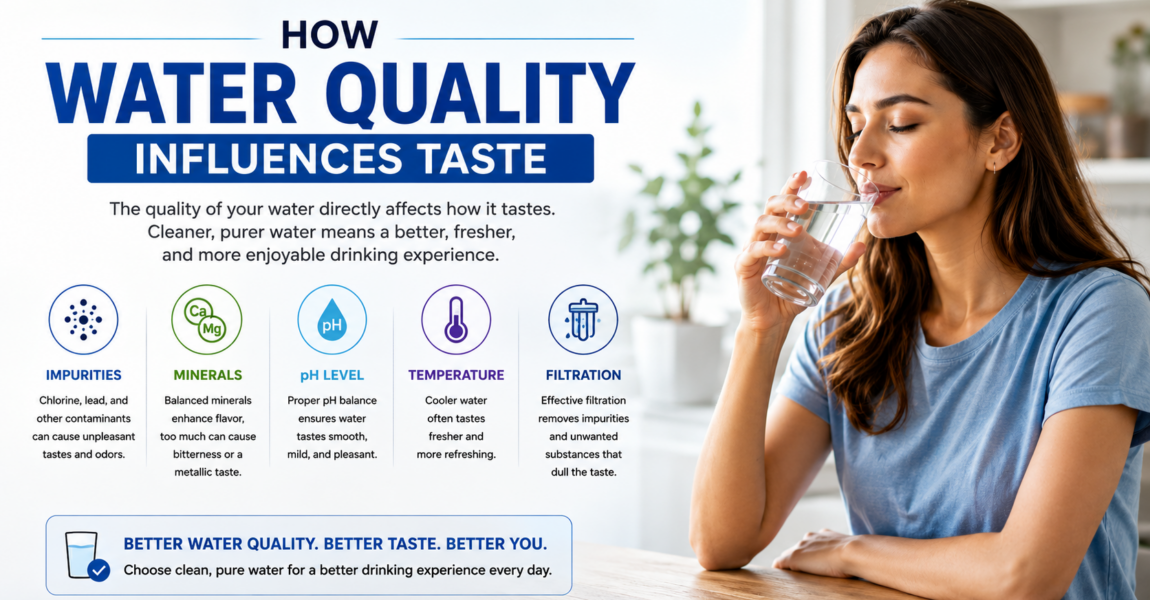
Many of us just turn on the tap, expecting a clean, refreshing drink. But have you ever noticed how your coffee tastes different at a friend’s house, or how that glass of water at a restaurant just hits different? The truth is, the water you drink isn’t just H2O; it’s a complex brew of minerals, chemicals, and even microorganisms that significantly impact its flavor. You might think water is just water, but its quality plays a huge role in how everything from your morning brew to a simple glass of water actually tastes. Poor water quality can introduce off-flavors, making your drink unpleasant, while optimal quality provides that crisp, clean taste you crave. The taste of water starts with its quality. Ace Water Marketing’s RO water delivery service provides clean, carefully filtered drinking water for homes and offices, helping you enjoy a fresher and more pleasant drinking experience every day.
Key Takeaways:
Ever grabbed a glass of water, took a big gulp, and just thought… *blech*? You know that feeling. It’s not just about being thirsty; sometimes water just doesn’t taste right. And it’s usually because of what’s in it, or what’s *not* in it.
* Minerals make a difference, big time. Water isn’t just H2O, right? It picks up all sorts of stuff as it travels through the ground. Things like calcium, magnesium, and potassium… they’re not just good for you, they actually give water its own unique flavor. Too much of one, or too little of another, and your water can taste flat, or even a little metallic.
* Chlorine is a necessary evil, but it really messes with taste. Water treatment plants add chlorine to kill off all the bad bacteria and viruses, which is obviously a good thing. Nobody wants to get sick from their tap water. But that chlorine smell and taste? It’s super noticeable, kinda like a swimming pool in your glass. It’s a trade-off we make for safety.
* The pH level plays a bigger role than you’d think. This isn’t just some science class concept. The pH scale tells you how acidic or alkaline your water is. Water that’s too acidic can taste a bit sour, while water that’s too alkaline can feel almost slippery or have a slightly bitter aftertaste. Getting that balance right really impacts how refreshing it feels.
* Older pipes can really ruin a good drink. Think about it: water travels through all these pipes to get to your faucet. If those pipes are old, corroded, or made of certain materials like lead or copper, tiny particles can leach into your water. That gives it a really unpleasant, sometimes metallic, sometimes earthy taste. It’s definitely not what you want when you’re trying to hydrate.
* Even tiny contaminants can throw off the whole vibe. We’re talking about things you can’t even see, like pesticides, industrial chemicals, or even microscopic algae. These can get into water sources and, even in really small amounts, they can leave a funky taste or odor. It’s why filtering your water is often such a good idea if you’re sensitive to those subtle off-notes.
What’s actually floating in your glass?
You might not see it, but your tap water often carries a surprising mix of dissolved solids and microscopic particles. These invisible guests, from minerals to chlorine byproducts, all play a role in the flavor profile that hits your palate. What’s really going on in there?
Think of your water as a tiny, dynamic ecosystem; it’s constantly interacting with its environment, picking up traces of everything it touches. This journey, from source to tap, dictates what compounds end up in your glass, directly impacting how refreshing – or unappealing – your drink tastes. The taste of water is influenced by its quality and mineral content. For a refreshing and naturally balanced drinking experience, Desa Mineral Water 1.5L provides clean, crisp-tasting mineral water that is perfect for home, work, travel, and everyday hydration.
Minerals aren’t always a bad thing
Certain minerals, like magnesium and potassium, can actually enhance water’s taste, giving it a pleasant, crisp character. They contribute to what we often describe as “good” mineral water, providing a subtle complexity that plain, distilled water simply lacks. It’s a delicate balance, though.
These beneficial minerals, in the right concentrations, can even make your coffee or tea taste better, extracting more nuanced flavors from the grounds or leaves. You’re looking for that sweet spot, where minerals add depth without overwhelming the natural taste.
Why too much calcium makes things taste chalky
High levels of calcium carbonate are a common culprit behind that distinctly chalky or “hard” water taste many people complain about. It’s not just a feeling; the calcium ions actually interact with your taste buds, creating that dry, almost powdery sensation in your mouth. You know the one.
This excess calcium can also leave noticeable mineral deposits on your dishes and plumbing fixtures, a clear sign that your water is on the harder side. It’s more than just an aesthetic issue; it really does impact the sensory experience of drinking.
When calcium concentrations climb too high, your water can start to taste flat and lifeless, masking other subtle flavors that might otherwise be present. It’s like trying to appreciate a fine wine when someone’s added too much salt – the dominant, undesirable taste just takes over. This isn’t just about unpleasantness; it can actually hinder your body’s ability to properly hydrate, as the water feels less refreshing and harder to drink in sufficient quantities.
Why’s my tap water tasting like a public pool?
You’ve probably noticed that sometimes your tap water just tastes… off. It’s not just your imagination; your water’s flavor can fluctuate quite a bit. Think about it, can changes in water taste affect livestock usage of waterers? Absolutely, and it’s no different for us.
A big part of this mystery lies in how your water is treated and what minerals it picks up on its journey to your glass. Each sip tells a story, if you know how to listen.
The truth about chlorine and your taste buds
That swimming pool taste? That’s almost always chlorine, and it’s there for a good reason. Chlorine is a powerful disinfectant, keeping your water safe from nasty bacteria and viruses. Without it, your water would be a much riskier drink.
But, you know, it doesn’t exactly make for a refreshing beverage. Even small amounts of chlorine can be quite noticeable to your taste buds, giving your water that distinct, somewhat chemical flavor.
Dealing with that weird metallic aftertaste
Sometimes your water has this strange, almost rusty flavor that lingers after you swallow. That metallic aftertaste often comes from tiny amounts of dissolved metals in your water. Iron, copper, or zinc can all contribute to this peculiar sensation.
This isn’t always a cause for alarm, but it’s definitely something to pay attention to. Old pipes, especially in older homes, are often the culprits, slowly leaching these metals into your water supply.
If you’re consistently experiencing a metallic taste, it’s a good idea to have your water tested. While small amounts of some metals aren’t harmful, high levels of metals like lead or copper can be dangerous to your health. A professional test can pinpoint the exact issue and help you decide on the best filtration solution.
The real deal about pH levels and flavor
You’ve probably heard the buzz about pH, but what does it actually mean for your drink? This measurement, ranging from 0 to 14, dictates how acidic or alkaline your water is, and it’s a huge factor in how your beverages taste. Get it wrong, and your morning coffee could be a disaster.
Water with a pH of 7 is perfectly neutral. Anything below that is acidic, and anything above is alkaline. You’d be surprised how even a slight shift can alter the entire flavor profile of your favorite drink, making it either bright and refreshing or dull and unappealing.
Is alkaline water actually worth the hype?
Think about all those fancy bottled waters touting high pH. People swear by alkaline water for its supposed health benefits, but for taste, it’s a different story. You might find it has a smoother, almost slippery feel in your mouth.
Some folks enjoy this unique mouthfeel, saying it makes coffee less bitter. But be careful; too high a pH can give water a slightly soapy or metallic aftertaste that no one wants in their tea.
How acidity can seriously ruin your drink
Ever had a cup of coffee that tasted like it was brewed with battery acid? That’s what happens when your water is too acidic. It can make your drinks incredibly sour and unpleasant, completely masking the intended flavors.
Your morning orange juice, for example, already has its own acidity. Mix that with acidic water, and you’re in for a puckering experience. It can also react with certain compounds in your beverages, creating off-flavors you definitely didn’t sign up for.
An overly acidic water supply can also accelerate the corrosion of your plumbing, which might introduce metallic tastes into your water over time. This reaction can also leach undesirable minerals from pipes, further compromising the taste and potentially your health. It’s a double whammy: bad taste and possible contamination.
My take on why temperature changes everything
You might think water just tastes like water, no matter the temperature, right? But you’d be seriously mistaken. The temperature of your water actually plays a huge role in how you perceive its taste, often masking or highlighting flavors you wouldn’t otherwise notice. It’s a fascinating dance between your senses and the water’s inherent characteristics.
The truth is, temperature isn’t just about refreshment; it’s a taste modifier. Consider how a chilled drink can hide certain notes, while a warmer one brings them right to the forefront. This principle applies directly to the water flowing from your tap.
| The Temperature-Taste Connection | |
| Cold Water | Room Temperature Water |
| Muffles subtle flavors and odors, making water seem “cleaner.” | Amplifies dissolved compounds, making off-notes more noticeable. |
| Can reduce the perception of chlorine or metallic tastes. | Highlights earthy, metallic, or chemical undertones. |
Why ice-cold water hides the bad stuff
So, you love your water ice-cold, don’t you? It’s not just about feeling refreshed; there’s a real scientific reason why that frigid temperature makes even mediocre water seem pretty good. Cold numbs your taste buds, importantly dulling your perception of any less-than-pleasant flavors lurking in your glass.
Think about it: when you drink something super cold, your mouth is less sensitive to subtle nuances. This can be a blessing if your Source Water Quality: Managing Taste and Odor isn’t top-notch, as those unwanted tastes and smells just fade into the background. You’re basically getting a taste-bud vacation from anything undesirable.
What happens when your water gets room temp
Ever noticed how that perfectly fine glass of water tastes a bit… different after it’s sat out for a while? As water warms up, your taste buds become far more attuned to everything dissolved within it. Those subtle flavors that were practically invisible in cold water suddenly become much more prominent, sometimes unpleasantly so.
This is where you’ll really start to notice any chlorine, mineral content, or even slight earthy notes that were previously masked. The warmer temperature actually increases the volatility of certain compounds, meaning their odors and tastes are released more readily into the air and onto your palate. It’s like turning up the volume on your water’s flavor profile – for better or worse.
When your water reaches room temperature, it’s not just about perceiving existing flavors more intensely. The increased temperature can also encourage the growth of certain harmless but taste-altering microorganisms, or even accelerate chemical reactions within the water, potentially creating new, less desirable flavor compounds. That’s why water that tastes perfectly fine straight from the fridge can develop a stale or slightly off-flavor if left out too long.
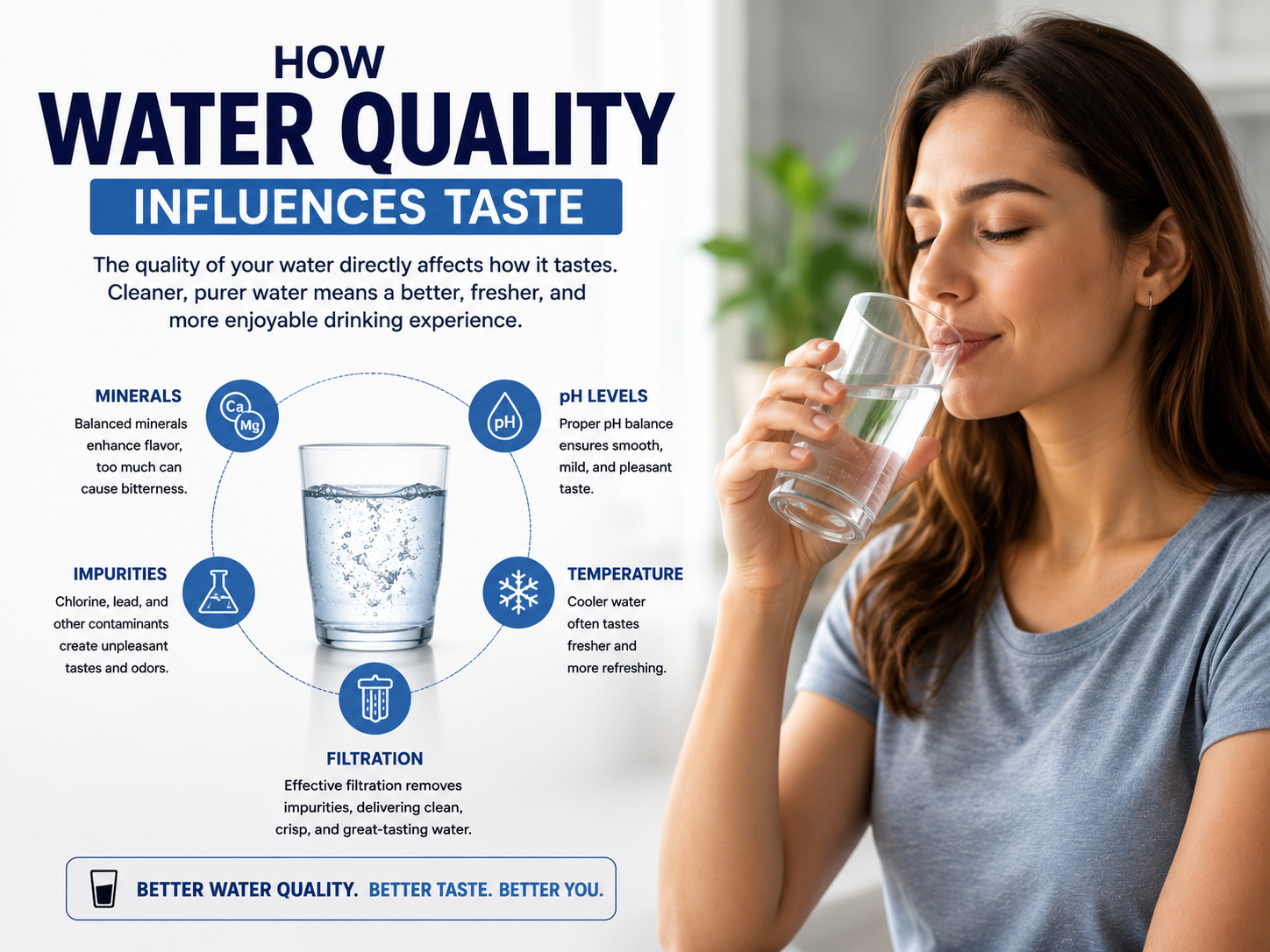
Why your coffee doesn’t taste like the cafe’s
Ever wonder why that perfect cup at your favorite coffee shop seems impossible to replicate at home? You’re using the same beans, maybe even the same brewing method, but something’s just…off. The secret often lies in the water. Understanding water’s role in taste is key, and you can learn more by checking out the WQA’s Taste & Odor Fact Sheet.
Your local cafe likely invests in serious water filtration, removing impurities that silently sabotage your brew. Home setups rarely match this dedication, leaving your coffee vulnerable to all sorts of off-flavors.
Hard water is the enemy of a good roast
That cloudy film on your tea or the stubborn scale in your kettle? That’s hard water at work, packed with dissolved minerals like calcium and magnesium. These minerals don’t just build up; they actively interfere with the coffee extraction process, preventing the full flavor from developing.
Ultimately, hard water creates a dull, flat-tasting coffee, masking the nuanced notes your expensive beans promise. You’re imperatively brewing with a flavor inhibitor, and nobody wants that.
Simple tricks for a better morning brew
Want to instantly upgrade your coffee without buying a new machine? Start with a simple filter pitcher. You’d be amazed at the difference filtered water makes, letting those delicious coffee flavors shine through.
Even better, consider a dedicated faucet filter or an under-sink system. These provide a consistent source of clean, great-tasting water, not just for coffee but for all your cooking and drinking needs.
Trying these small changes makes a huge impact on your daily ritual. You’ll find your coffee tasting brighter, more aromatic, and just plain better, proving that sometimes the simplest solutions are the most effective.
Conclusion
Hence, you’ve seen how much goes into that seemingly simple glass of water you drink. Your water’s taste isn’t just some random thing; it’s a direct reflection of its journey and what it picked up along the way. Think about it – every mineral, every tiny particle, it all plays a part in shaping that unique flavor profile you experience.
You really can’t underestimate the role water quality plays in your daily life, can you? From your morning coffee to your evening meal, the water you use impacts everything. Paying attention to your water source and its quality isn’t just about health, it’s about enjoying better-tasting food and drinks too.
FAQ
Q: Why does my tap water sometimes taste a little “off” even if it’s safe to drink?
A: You’ve probably noticed this – one day your water tastes perfectly fine, then another day it’s got a slightly weird flavor. It’s totally normal to wonder what’s going on, especially when you know the water is treated and safe. The thing is, “safe” doesn’t always mean “tastes great.” A lot of different things can sneak into your water, even in tiny amounts, and completely change its flavor profile without making it unsafe. We’re talking about things like chlorine, which is used to kill germs, or even minerals picked up from the pipes.
Think about it like cooking. You can have all the right ingredients, but if you add a pinch too much salt or a spice you don’t like, the whole dish tastes different. Water is kind of the same. The treatment process is there to protect you, but those protective measures, like adding disinfectants, can have a noticeable effect on the taste. Also, the pipes in your house or even the main lines can contribute flavors. Older pipes, for example, might leach tiny bits of metal, giving the water a metallic tang. It’s a complex mix of chemistry and infrastructure, really.
Q: What are the main culprits that give tap water a bad taste?
A: So, when your water tastes bad, what’s usually behind it? Chlorine is definitely at the top of the list. Water treatment plants add it to kill bacteria and viruses, which is fantastic for public health. But, gosh, you can really taste it sometimes, can’t you? It often gives water a sort of swimming pool smell and taste, especially if you’re sensitive to it. That’s a super common complaint.
Then there are dissolved minerals. Calcium and magnesium, which are responsible for “hard” water, don’t typically cause a strong bad taste themselves, but they can leave a sort of chalky or earthy mouthfeel. Other minerals, like iron or manganese, can give water a metallic or even slightly bitter flavor. And if you’re on well water, you might get sulfur, which smells and tastes like rotten eggs – yuck! Organic matter, like decaying leaves or algae in the source water, can also create earthy or musty tastes, even after treatment. It’s a whole cocktail of potential flavor changers.
Q: Can water filters actually improve taste, or are they just for removing contaminants?
A: Oh, absolutely, water filters can make a huge difference in taste! It’s not just about getting rid of harmful stuff, though they do that too. Many filters are specifically designed to tackle those taste and odor issues we just talked about. Activated carbon filters, for example, are fantastic at absorbing chlorine, chloramines, and many organic compounds that contribute to off-flavors and smells. You’ll often notice a huge improvement in the freshness of your water after running it through one.
Think of a Brita pitcher or a filter on your tap. That’s often an activated carbon filter at work. They really strip out those chemical tastes, leaving you with something much cleaner and more refreshing. Some filters also reduce sediment, which, while not always a taste issue, can certainly affect the water’s clarity and overall appeal. So, yes, if you’re tired of that weird chlorine tang or a slightly musty scent, a good filter is definitely worth considering. It’s like giving your water a little spa treatment.
Q: Does the temperature of water affect how it tastes?
A: You know, it really does! Temperature plays a surprisingly big role in how we perceive water’s taste. Ever had a glass of lukewarm water and thought it tasted a bit flat or even slightly stale? Then you try a nice, cold glass and it seems so much crisper and more refreshing. That’s not just your imagination. Colder temperatures tend to suppress flavors and odors. This means those subtle off-notes, like a hint of chlorine or some earthy undertones, are less noticeable when the water is chilled.
When water is warmer, those volatile compounds that contribute to taste and smell become more active and evaporate more readily, making them much easier for your nose and tongue to detect. It’s why a cold drink seems to mask flavors better than a warm one. So, if your tap water has a slight taste you’re not fond of, chilling it down can often make it much more palatable. It’s a simple trick, but it works wonders for many people. Plus, who doesn’t love a really cold glass of water on a hot day?
Q: My water tastes fine, but my friend’s water in another town tastes totally different. Why is there such a variation?
A: This happens all the time, right? You go to a friend’s house a few towns over, take a sip of water, and it’s like, “Whoa, this is not what I’m used to!” The reason for such big differences is that water quality and taste are incredibly localized. It all boils down to where the water comes from and how it’s treated. Some towns get their water from a river, others from a deep well, and some even from a reservoir. Each source has its own unique mineral composition and potential natural contaminants.
Then there’s the treatment process itself. Different municipalities use different methods and chemicals based on their source water and regulations. One town might use more chlorine, another might have harder water naturally, and a third might have older pipes distributing the water. All these factors combine to create a unique “flavor profile” for each area’s tap water. It’s like how wines from different regions taste distinct – the terroir, or local environment, makes a big difference. So, your water might taste great to you because you’re used to its specific characteristics, while your friend’s water is just different, not necessarily better or worse.
- June 10, 2026
- Benefits