Key Takeaways:
You know, with all the talk lately about water filters and fancy hydration, it’s easy to forget about something as basic as distilled water. But it’s actually pretty unique and has some very specific uses that are good to know.
* Distilled water is super pure, I mean, *really* pure. It’s gone through a process of boiling and condensation that strips out almost everything – minerals, contaminants, and even beneficial electrolytes. Think of it as water in its most basic, stripped-down form.
* You definitely shouldn’t be chugging distilled water as your main hydration source. Because it lacks minerals, drinking it regularly can actually mess with your body’s electrolyte balance. It’s not poison, but it’s not what your body needs for long-term health.
* This ultra-purity makes distilled water perfect for non-drinking applications. Things like CPAP machines, humidifiers, steam irons, and even car batteries rely on it to prevent mineral buildup and corrosion. Using tap water in these can cause real problems over time, like clogged components or reduced efficiency.
* For delicate tasks, distilled water is the go-to. If you’re mixing chemicals in a lab, sterilizing medical equipment, or even just cleaning sensitive electronics, that mineral-free quality is a must. It ensures no unwanted reactions or residue are left behind.
* You can buy distilled water easily enough, or you can even make it at home with the right setup. It’s usually sold right alongside bottled spring water in grocery stores, but knowing what it’s for, and what it’s *not* for, makes all the difference.
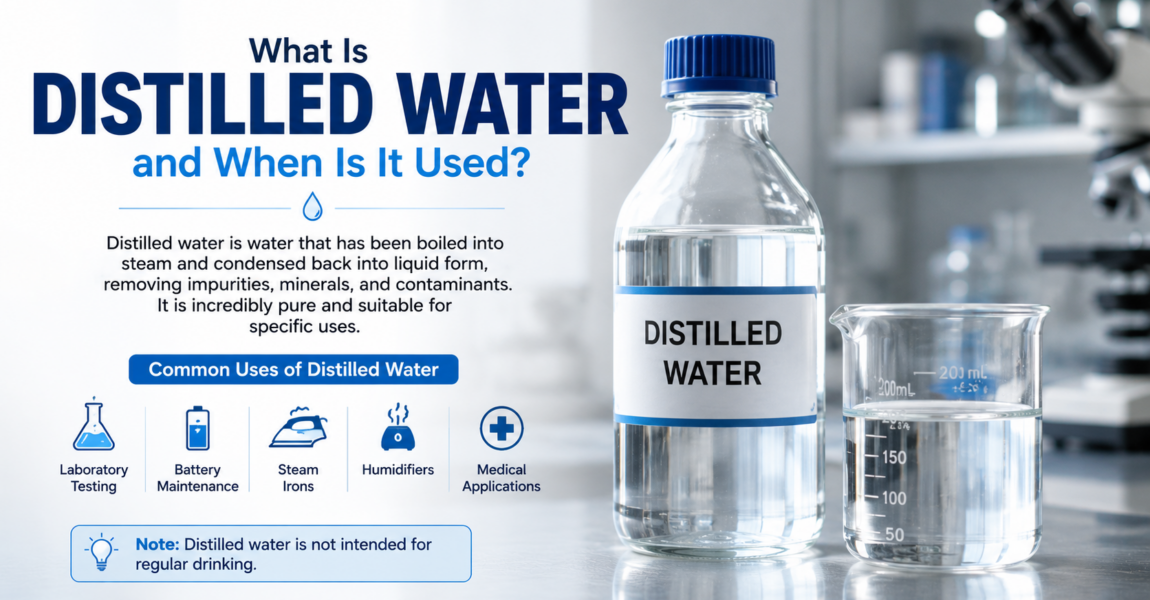
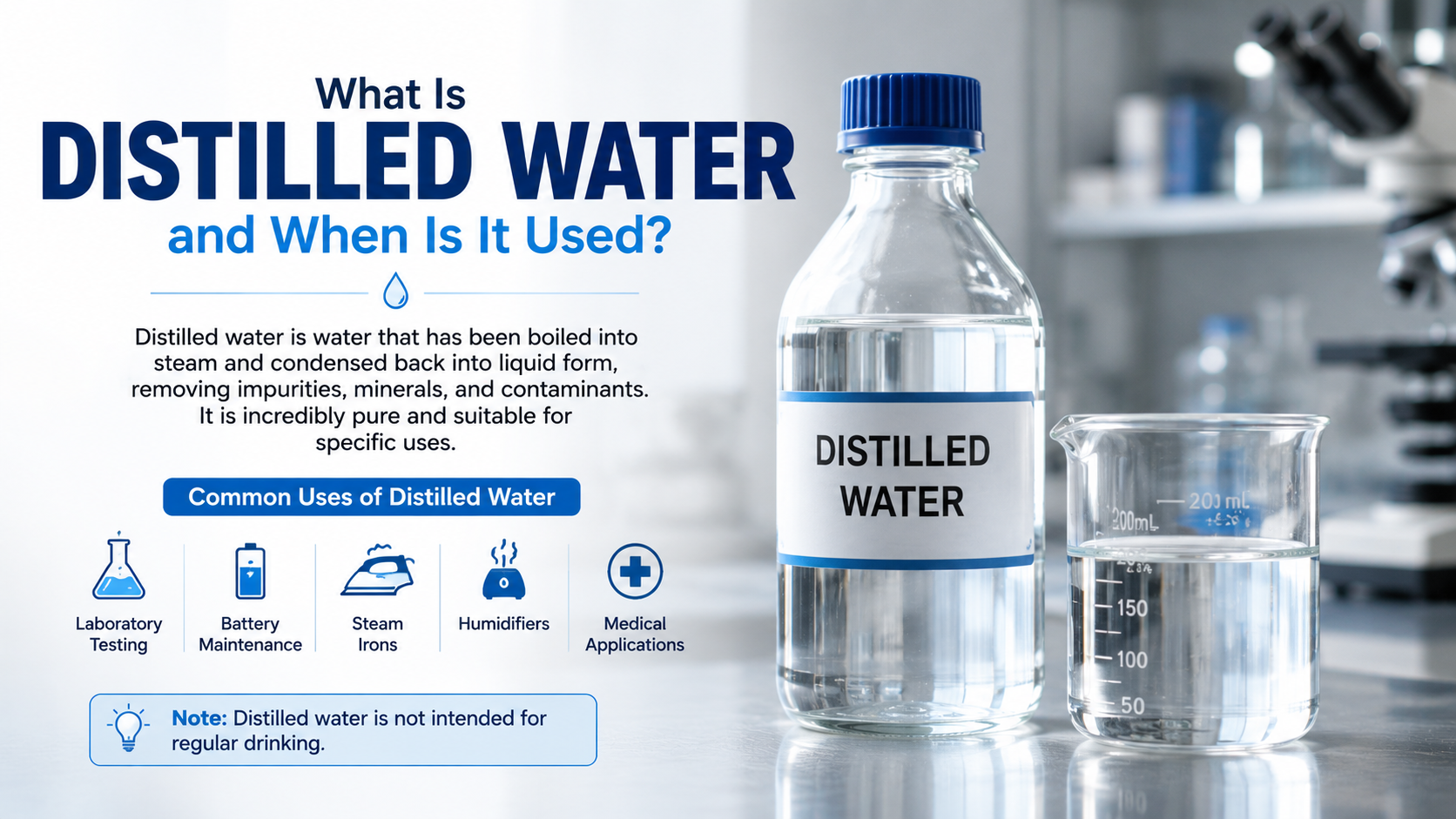
What Is Distilled Water and When Is It Used?
So, what’s the real deal with distilled water anyway?
You’ve probably heard the term “distilled water” tossed around, but what makes it so different from the water in your tap or even bottled spring water? This isn’t just a fancy name for filtered water; it’s a whole different ballgame of purity, achieved through a process that strips away almost everything but the H2O itself.
Imagine water so clean, it leaves behind all the minerals, chemicals, and contaminants you can think of. That’s distilled water. It’s a blank slate, a pure solvent, and because of this unique characteristic, it finds its way into some pretty specific and often surprising applications. While distilled water is commonly used for specialized applications, Desa Mineral Water 250ml is a convenient choice for everyday hydration, providing refreshing drinking water in a portable bottle for work, travel, and events
How the whole boiling-and-steam thing actually works
The magic behind distilled water starts with a simple, age-old process: boiling. You heat water until it turns into steam, leaving behind all the heavier impurities that can’t evaporate.
This steam then rises, totally free of any dissolved solids or minerals, before it’s cooled down. As the steam cools, it condenses back into liquid water – and *bam*, you’ve got distilled water, incredibly pure and ready for action.
Why it isn’t just your regular old tap water
Thinking distilled water is just super-filtered tap water is a common misconception, but it couldn’t be further from the truth. Tap water, even when treated, contains a whole host of dissolved minerals, salts, and sometimes even trace amounts of chlorine or other chemicals.
Distilled water, on the other hand, undergoes a transformation that *removes* practically everything. It’s not just a little cleaner; it’s fundamentally different in its chemical makeup and behavior, making it unsuitable for drinking in large quantities because it lacks beneficial electrolytes.
This fundamental difference means distilled water behaves differently, too. Because it’s so pure, it’s actually an excellent solvent, meaning it will readily try to absorb minerals and other substances it comes into contact with. This is why it’s so dangerous to drink distilled water exclusively, as it can leach important electrolytes from your body over time. While distilled water is commonly used for laboratories, medical equipment, and appliances, everyday hydration is best supported with quality drinking water such as Summer Drinking Water 500ml, offering a convenient and refreshing option for home, office, events, and on-the-go consumption.
Where you’ll actually see people using it
You might be wondering where you’d actually encounter distilled water in your everyday life, beyond perhaps a science class. The truth is, it pops up in some pretty specific, yet important, places where purity is absolutely non-negotiable. You can learn more about its general uses and benefits in this Distilled Water Overview.
Think about situations where even the slightest mineral deposit or impurity could cause a big problem. That’s where distilled water truly shines, preventing buildup and ensuring proper function. It’s not something you’d typically drink for hydration, but its role in certain applications is critically important for health and machinery.
Why your CPAP machine seriously needs it
Your CPAP machine, if you use one, is a prime example of where distilled water is absolutely vital. The humidifier chamber in these devices uses water to add moisture to the air you breathe, preventing dryness and irritation.
Using tap water here is a big no-no, as the minerals in it would quickly build up as scale, clogging the machine and potentially introducing bacteria into your breathing air. This mineral buildup can damage your machine and compromise your health, making distilled water the only safe choice.
Keeping things clean with neti pots and medical gear
Another common place you’ll find distilled water is with neti pots for nasal irrigation. Flushing your nasal passages with tap water can introduce harmful microorganisms like amoebas, leading to severe and dangerous infections. Distilled water is sterile and free from these contaminants, making it the only safe option for this practice.
You’ll also see distilled water used extensively in medical and laboratory settings. Sterilizing equipment, preparing solutions, and even in some dental practices – its purity prevents contamination and ensures the accuracy of results, protecting both patients and sensitive instruments. It’s about preventing any unwanted guests from causing issues.
Why your household appliances will seriously thank you
Lately, folks are really getting into optimizing their home environments, and that includes paying attention to the water they use. You might think water is just water, right? But for your appliances, it’s not always the case. Using the wrong kind of water can lead to some serious headaches, and even shorten the life of your expensive gadgets. So, understanding what is the difference between distilled water and regular water can save you a lot of trouble and cash.
Distilled water, with its lack of minerals, acts like a superhero for many of your household items. It prevents that annoying, damaging buildup you often see. Think about all the appliances that rely on water – they’re constantly fighting against mineral deposits found in tap water. Using distilled water is like giving them a clean slate every single time. While distilled water is commonly used for laboratories, medical equipment, and appliances, everyday hydration is best supported with quality drinking water such as Summer Drinking Water 500ml, offering a convenient and refreshing option for home, office, events, and on-the-go consumption.
Saving your steam iron from that gross crusty buildup
You know that brown, flaky stuff that sometimes spits out of your steam iron, staining your clothes? That’s mineral buildup, straight from your tap water. It clogs the steam vents, making your iron less effective and eventually ruining it.
Using distilled water in your iron completely eliminates this problem. Your iron will produce clean, pure steam, gliding smoothly over fabrics without leaving any unwanted residue. It’s a simple switch that makes a huge difference in your iron’s longevity and performance.
Why it’s a must-have for car batteries and radiators
Car maintenance can feel like a chore, but some simple swaps make it easier. Concerning your car battery, topping it off with anything other than distilled water is a big no-no. Tap water contains minerals that can interfere with the battery’s chemical reactions, causing corrosion and significantly shortening its lifespan.
Radiators also benefit immensely from distilled water. The minerals in tap water can lead to scale buildup within your cooling system, reducing its efficiency and potentially causing your engine to overheat. Keeping your radiator filled with distilled water ensures optimal performance and prevents costly repairs down the road. It really prolongs the life of these vital components, keeping your vehicle running smoothly and efficiently without any nasty surprises.
What Is Distilled Water and When Is It Used?
Distilled or purified – what’s the difference?
You might think “purified” means the same as “distilled,” but that’s not quite right. While both processes aim for cleaner water, distillation goes a step further, effectively boiling water into steam and condensing it back into a liquid, leaving almost everything behind. This intense process makes distilled water incredibly pure.
Purified water, on the other hand, can be treated through various methods, like filtration or reverse osmosis, which remove many contaminants but often don’t achieve the same level of purity as distillation. Knowing the difference helps you understand why distilled water is chosen for specific uses, like in medical settings or for your humidifier. You can find more details on Distilled Water Uses For Your Home, where it’s truly important.
The lowdown on reverse osmosis and other filters
Reverse osmosis, or RO, systems push water through a semi-permeable membrane, getting rid of a lot of dissolved solids and impurities. They’re pretty good at what they do, making your tap water taste better and safer to drink. Think of them as a really strong coffee filter for your water.
Other filters, like activated carbon filters, work by trapping contaminants as water passes through. These are great for improving taste and odor, but they don’t remove nearly as many dissolved solids as an RO system or, of course, distillation. You’re getting cleaner water, but not necessarily “pure” in the distilled sense.
Why “pure” doesn’t always mean it’s distilled
The term “pure” gets thrown around a lot when we talk about water, doesn’t it? But here’s the thing: “pure” is a broad term, and it doesn’t always guarantee you’re getting water that’s been through the rigorous distillation process. Many bottled waters claim to be pure, and they are, to a certain extent, free from many common contaminants.
Still, that doesn’t mean they’re free from *everything*. Distilled water, by its very nature, is practically stripped bare of minerals, chemicals, and even microorganisms because it’s importantly just H2O. So, when you see “pure” on a label, you should probably dig a little deeper to understand what purification method was actually used.
When you’re looking for truly clean water, especially for sensitive applications like CPAP machines or laboratory use, you really need to be sure it’s *distilled*. Other purification methods, while effective for drinking water, simply don’t achieve the same level of mineral and contaminant removal. It’s a significant distinction, one that can impact the longevity of your appliances or the accuracy of your experiments. So, always check the label carefully and understand what “pure” actually means in that context.
Conclusion
To wrap up, you now have a good grasp of what distilled water is – it’s just pure H2O, nothing else. You’ve seen how the distillation process strips away everything, from minerals to contaminants, leaving you with a blank slate. This makes it incredibly useful in very specific situations where purity is key, like in laboratories or for certain medical devices.
You’re probably wondering if you should drink it all the time, right? Well, for everyday hydration, you’re better off with regular tap water or filtered water that still contains those beneficial minerals. Distilled water definitely has its place, but it’s not your go-to for daily sips. Use it wisely, you know?
FAQ
Q: What exactly is distilled water, and how does it differ from regular tap water?
A: Distilled water is super pure, really. It’s made by boiling water into steam and then condensing that steam back into liquid. This process leaves behind almost all impurities, minerals, salts, and even some bacteria and viruses that might be in the original water. Think of it like a very thorough cleaning. Tap water, on the other hand, comes right from a municipal source. It’s treated to be safe for drinking, but it still contains a whole bunch of naturally occurring minerals, like calcium and magnesium, and sometimes trace amounts of other things, depending on where you live. So, the big difference is purity – distilled water is practically H2O and nothing else, while tap water has a whole cocktail of stuff in it.
Q: Is distilled water safe to drink regularly, and are there any potential downsides?
A: You can drink distilled water, sure, but it’s not really recommended as your main source of hydration. Here’s why: that intense purification process, while great for removing bad stuff, also strips out all the beneficial minerals. Your body actually needs those electrolytes and minerals that tap water and bottled mineral water provide. If you drink only distilled water for a long time, you could potentially miss out on those important nutrients. Some people say it can even make you feel a little “flat” because it lacks that mineral taste. For short periods, it’s fine, but for daily hydration, most health experts suggest water with some mineral content. It’s just better for you in the long run.
Q: When is distilled water actually used, outside of just drinking?
A: Distilled water has a ton of uses where purity is key, and it’s not just for drinking. You’ll find it everywhere from medical settings to your home appliances. For example, it’s perfect for CPAP machines because it prevents mineral buildup that can damage the device and keeps the air pathways clean. People use it in steam irons to avoid mineral deposits that can stain clothes or clog the iron’s vents. It’s also a go-to for car batteries, humidifiers, and even in some laboratory experiments where any contamination could mess up results. Basically, if you need water that won’t leave residue or react with other substances, distilled water is the way to go. It’s the ultimate blank slate of water.
Q: Can I make distilled water at home, and what equipment would I need?
A: Yep, you can definitely make distilled water at home! It’s actually a pretty simple process, though it takes a little time. You’ll need a large pot with a lid, a smaller pot or heat-safe bowl that can float inside the larger one, and a rack to keep the smaller pot elevated off the bottom of the big pot. A common method involves putting the smaller pot inside the larger one, filling the larger pot with tap water but not letting it touch the smaller one. Then, you invert the lid on the large pot and place ice on top of the lid. As the water in the big pot boils, the steam rises, hits the cold lid, condenses, and drips into the smaller pot. That condensed water is your distilled water. There are also specific countertop water distillers you can buy if you want something more dedicated and efficient, but the pot method works in a pinch.
Q: Is there a difference between distilled water, purified water, and deionized water?
A: Oh, yeah, there are definitely differences between them, even though they all aim for cleaner water. Distilled water, as we talked about, uses boiling and condensation to remove impurities and minerals. Purified water is a broader term; it just means water that’s been processed to remove impurities, but it doesn’t specify the method. It could be reverse osmosis, distillation, deionization, or a combination. The key is that it meets certain purity standards, often higher than tap water. Deionized water, or DI water, is treated to remove ions – those charged particles like minerals and salts. It’s super pure in terms of ions, but it might not remove non-ionic compounds like some organic molecules or bacteria. So, while all three are cleaner than tap water, they each achieve that cleanliness through different processes and with slightly different end results regarding what’s left in the water. Distilled water is generally considered the most comprehensively pure of the three for general purposes.
- June 8, 2026
- Benefits