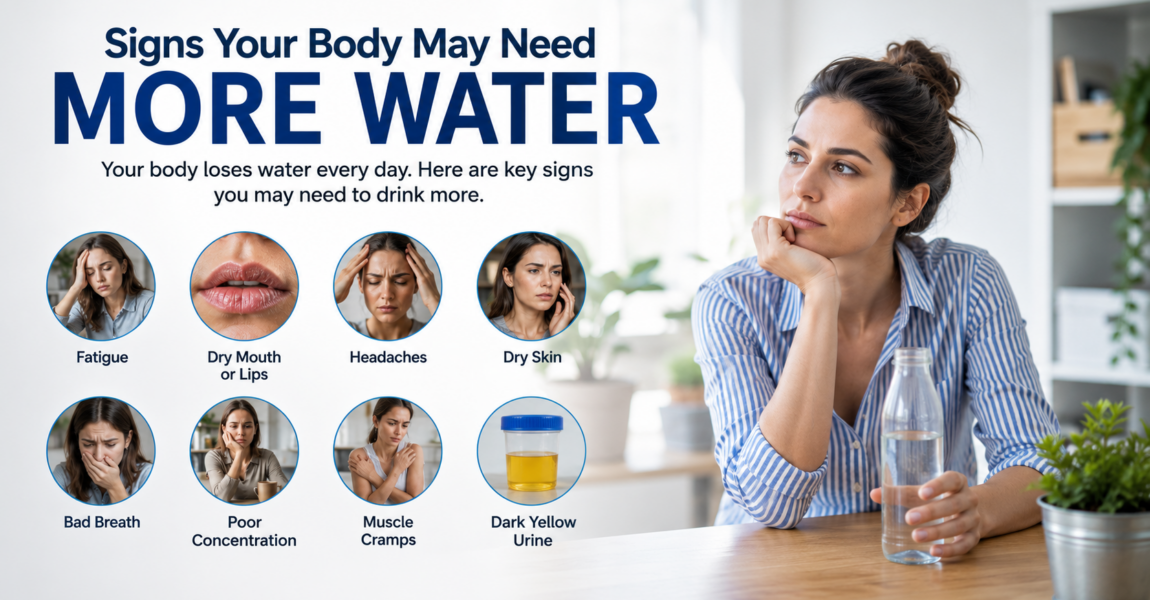
Hydration impacts everything you do, and often, you’re not drinking enough without even realizing it. You might feel a little sluggish, or maybe you’re battling a persistent headache, and you just can’t figure out why. Your body sends out subtle, sometimes alarming, signals when it’s parched, and learning to recognize them can prevent serious health issues.For households and offices that need a reliable water supply, our 19-liter bottled mineral water delivery provides convenient access to refreshing mineral water, helping ensure you always have enough water on hand when the signs of dehydration start to appear. Delivery available throughout Kuala Lumpur and Selangor.
You know that feeling – a mouth that feels like the Sahara desert, and an unquenchable thirst that just won’t quit. This isn’t just a minor annoyance; it’s your body sending a clear, urgent message that it’s running low on fluids. Don’t ignore these persistent signals.
Thirst is your body’s primary indicator of dehydration, a primal urge that tells you to drink. When you’re constantly reaching for a glass of water, or feel like you can’t get enough to drink, chances are your system is crying out for hydration.
Why your tongue feels like sandpaper
Your tongue, usually moist and smooth, can become rough and dry when you’re dehydrated. This happens because saliva production decreases, leaving your mouth without its usual protective and lubricating layer. It’s a noticeable change, making speaking and swallowing less comfortable.
This feeling of a “cotton mouth” is a direct result of reduced salivary flow. Saliva helps clean your mouth and prevents bacteria buildup, so less of it means a less pleasant oral environment and a clear sign to drink up. Feeling tired, experiencing dry mouth, or noticing other signs of dehydration? Desa Mineral Water 500ml is a convenient way to replenish fluids throughout the day, helping you maintain healthy hydration wherever you go.
What’s up with that sticky feeling?
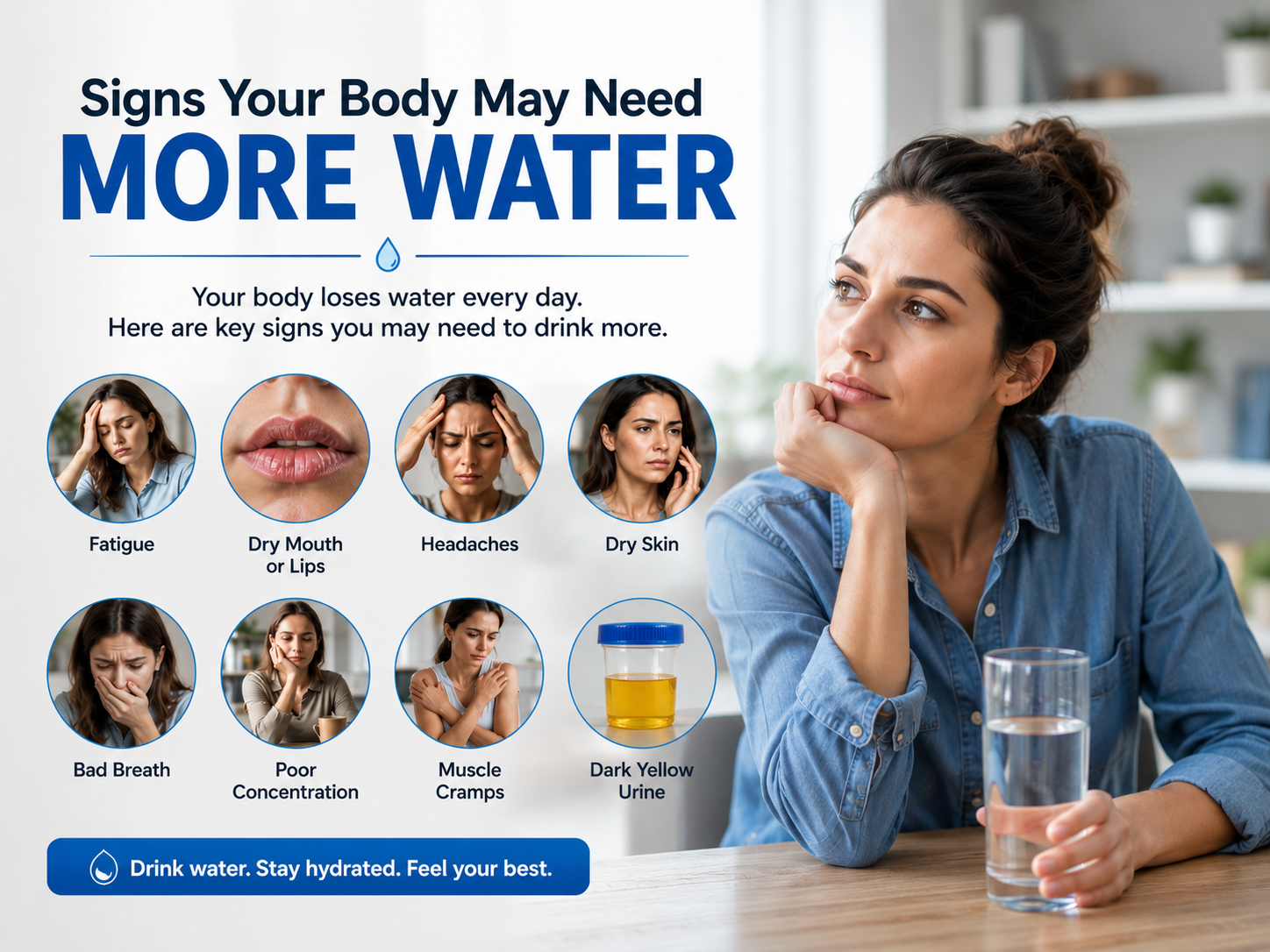
Perhaps you’ve noticed a strange stickiness inside your mouth, almost like you’ve eaten something sugary and haven’t rinsed. This sensation is directly linked to a lack of saliva. Saliva is crucial for keeping your mouth feeling fresh and clean, and when it’s scarce, things get tacky.
Without enough saliva, your mouth’s natural cleansing process is hindered. You might also notice bad breath accompanying this stickiness, as bacteria tend to thrive in a dry oral environment, making that sticky feeling even more unpleasant and a definite cue for more water.
That sticky, unpleasant sensation is your body’s way of telling you that your oral cavity isn’t getting the lubrication and cleansing it needs. It’s not just a minor discomfort; it’s a sign that your body’s overall hydration levels are dipping, and you should probably grab a glass of water sooner rather than later.
Seriously, why am I so tired?
Feeling like you’re constantly running on fumes, even after a full night’s sleep? You’re not alone. Many people attribute persistent fatigue to stress or a busy schedule, but often, the culprit is much simpler: not enough water. Your body needs adequate hydration for every single cellular process, and when it’s lacking, things start to slow down.
This constant drain can leave you feeling sluggish and unmotivated, making even simple tasks feel like a monumental effort. You might even find yourself reaching for another cup of coffee, which can actually worsen dehydration. Now, while we’re talking about needing more water, it’s also worth a quick look at What Happens When You Drink Too Much Water? – balance is key, right?
The brain fog is actually real
Ever walked into a room and completely forgotten why you went there? Or struggled to focus on a conversation? That hazy, unfocused feeling, often called “brain fog,” isn’t just a sign of a busy mind; it’s a major indicator of dehydration. Your brain, after all, is mostly water, and when it’s not getting enough, its cognitive functions take a hit.
Thinking clearly becomes a chore, and you might notice your memory isn’t as sharp as usual. This isn’t just annoying; it can impact your productivity and overall well-being. So, if your thoughts feel muddled, grab a glass of water before reaching for another energy drink.
Why you’re dragging your feet at 2 PM
That afternoon slump, where you feel like you could just lay your head down on your desk and drift off, it’s not just a myth. This common experience is often directly tied to your hydration levels. When your body is dehydrated, your blood volume actually decreases, making your heart work harder to pump oxygen and nutrients to your muscles and organs.
Your energy levels plummet because your body is working overtime just to maintain basic functions. You might feel a profound sense of weariness, making even light activity feel exhausting. It’s like trying to run a race with a flat tire – you’re just not going to get very far.
This slowdown happens because your cells aren’t getting the fluid they need to produce energy efficiently. Muscles can feel heavy and weak, and you might notice a general lack of stamina. It’s a clear signal your body is struggling, and a big glass of water could be the simplest fix.
Let’s talk about your bathroom habits
Are you really paying attention to what your body tells you when you visit the loo? It might feel a bit TMI, but your bathroom breaks offer some of the most straightforward clues about your hydration levels. Don’t just flush and forget; a quick glance can reveal a lot about your internal state.
Your body is a finely tuned machine, and its waste products are like little reports. Ignoring these signals means you’re missing out on valuable information that could help you feel so much better. It’s time to get a little more observant, don’t you think?
Checking the color of your pee
What color is your urine usually? A pale, straw-like yellow indicates good hydration, meaning you’re likely drinking enough water. If it’s consistently clear, almost like water, you might actually be over-hydrating, which isn’t ideal either.
Observe the shade carefully; if your urine is a darker yellow, like apple juice, it’s a clear signal you need to drink more water. A very dark yellow or amber color means you’re definitely dehydrated and should grab a glass of water right away.
When things just aren’t moving down there
Have you noticed your bowel movements becoming less frequent or harder to pass? Constipation is a common sign that your body isn’t getting enough fluid. Your digestive system needs water to keep things flowing smoothly, literally.
If you’re straining or experiencing discomfort, it’s often a direct result of dehydration. Your colon pulls water from waste when you’re not adequately hydrated, making stool dry and difficult to move. This isn’t just uncomfortable; it can lead to other issues.
When your stools are consistently hard, dry, or you’re having fewer than three bowel movements a week, it’s a strong indicator of insufficient water intake. Make sure you’re increasing your fluid consumption, and consider adding fiber-rich foods to help things along.
Is your skin trying to tell you something?
You might be wondering why your skin feels a bit… off lately. Perhaps it’s looking duller than usual, or maybe those fine lines around your eyes seem more pronounced. Your skin, the body’s largest organ, often sends out clear signals when it’s thirsty, and you’d be surprised how quickly you can spot them.
Many folks don’t realize just how much their skin’s appearance is tied to their hydration levels. Seriously, if you’re experiencing dry patches or a general lack of plumpness, your body could be whispering – or shouting – for more water. For a full rundown of signals, check out these 14 Signs You Need to Drink More Water.
The pinch test you’ve gotta try
Ever done the pinch test? It’s a quick, easy way to get a read on your hydration without any fancy equipment. Gently pinch the skin on the back of your hand or your forearm, hold it for a few seconds, then release.
Watch how quickly your skin snaps back into place. If it takes a little while to return to normal, sort of lingering there, that’s a pretty strong indicator you might be dehydrated. A slow return means your skin’s elasticity is compromised, a tell-tale sign of insufficient water.
Why those fine lines look way worse today
Notice how those tiny lines around your eyes or mouth seem to be screaming at you in the mirror this morning? It’s not just your imagination. When your body doesn’t have enough water, your skin loses its natural plumpness.
This loss of volume can make existing fine lines and wrinkles appear significantly deeper and more defined. You’re not necessarily getting new wrinkles; they’re just far more noticeable because your skin isn’t hydrated enough to smooth them out.
Dehydration actually shrinks skin cells, making the surface less supple and more prone to showing every crease and fold. Think of it like a deflated balloon – all the wrinkles become much more apparent. Keeping your skin well-hydrated helps maintain its elasticity and fullness, effectively minimizing the appearance of those pesky lines.
My take on the whole 8-glasses-a-day rule
You’ve probably heard it a million times: “Drink eight glasses of water a day!” It’s practically drilled into us from childhood. But is that really the magic number for everyone? The truth is, staying hydrated is incredibly important for your overall health, helping everything from your energy levels to your digestion. You can learn more about Dehydration: signs, causes, and tips to drink more water, which is a great resource.
It’s not just about hitting a specific quota; it’s about understanding what your unique body needs. Every person is different, and what works for one might not work for another.
Honestly, one size doesn’t fit all
Thinking that everyone needs exactly eight glasses can be a bit misleading, don’t you think? Your daily water requirement really depends on a bunch of things – like your activity level, the climate you live in, and even your overall health. Someone who’s super active and lives in a hot climate will naturally need a lot more water than someone sedentary in a cooler environment.
Plus, you get a good chunk of your water intake from the foods you eat, especially fruits and vegetables. So, don’t just count the glasses; consider your entire fluid intake throughout the day.
Listening to what your body actually wants
The best indicator for hydration isn’t a fixed number, it’s your own body. It sends pretty clear signals when it’s thirsty, and paying attention to those signals is key. Your body is incredibly smart, and it knows what it needs.
Are you feeling a bit sluggish, maybe a headache creeping in? Those could be early signs you need to reach for some water. Don’t ignore those subtle nudges; they’re your body’s way of communicating with you.
Your urine color is also a fantastic indicator – ideally, it should be a pale yellow. If it’s darker, you’re likely not drinking enough. So, next time you’re in the bathroom, take a quick peek!
The real deal on getting your sips in
You’ve seen the signs your body is craving water, right? Now, let’s talk about actually getting those much-needed sips throughout your day. Getting enough water isn’t just about chugging a big glass when you feel parched; it’s more about consistent hydration, keeping your system topped up before thirst even strikes.
Think about it, what’s stopping you from reaching for that glass more often? It might be habit, or maybe you just don’t like the taste of plain old H2O. But, your body literally depends on it for *everything*, from digestion to temperature regulation, so making it happen is non-negotiable.
Making water taste less boring
Boring water? Nobody wants that. Try infusing your water with fruits like sliced lemon, cucumber, or berries – it adds a delightful flavor without all the sugar. A little fresh mint can really wake up your taste buds, too.
Another idea is to experiment with sparkling water. It provides that fizzy sensation, which some people prefer over flat water, and you can still add those fruit infusions for a refreshing twist. You’ll find it’s easier to hit your hydration goals when your drink is enjoyable.
Keeping a bottle handy so you don’t forget
Your water bottle is your best friend in this hydration journey. Seriously, having a reusable bottle filled with water *always* within arm’s reach is a game-changer; it’s a constant visual cue to take a sip. You’ll be amazed how much more you drink just by seeing it there.
Imagine, your bottle sitting on your desk, in your car, or next to your favorite chair – it removes the “effort” of getting up to grab a glass. This simple act of preparation can drastically increase your daily water intake, keeping those dehydration symptoms at bay.
You know, having a dedicated water bottle isn’t just about convenience; it’s also about building a positive habit loop. Every time you take a sip from your bottle, you’re reinforcing the idea that hydration is a priority, and over time, it becomes second nature.
Final Words
Following this, your body sends clear signals when it’s thirsty, and learning to recognize them is a game-changer for your well-being. You’ve seen how everything from a dry mouth to a nagging headache can point to dehydration, and ignoring these messages just isn’t a good idea. Staying on top of your water intake truly makes a difference in how you feel day-to-day.
So, listen to what your body’s telling you. Make hydration a priority, because a well-hydrated you is a healthier, happier you. It’s a simple change, but oh, what a huge impact it can have on your energy, your mood, and just about everything else!
FAQ
Q: Why am I feeling so tired and sluggish all the time, even after a good night’s sleep?
A: Feeling constantly drained, like your energy tank is always on empty, can be a big red flag that you’re not drinking enough water. Your body needs water to carry oxygen and nutrients to your cells, and when you’re dehydrated, this process slows down. Think of it like a car running on fumes – it just can’t perform its best. You might even notice you’re having trouble concentrating, or just feeling mentally fuzzy.
Dehydration can really mess with your mood too, making you feel more irritable or generally down. So, if you’re yawning through your day despite getting enough rest, try reaching for a glass of water before another cup of coffee. You might be surprised at how much better you feel.
Q: My mouth feels dry, but I’m still thirsty even after drinking. What’s going on?
Your body is incredibly smart, and it sends out these signals for a reason. Don’t just ignore it. Sometimes people mistake thirst for hunger, too, so if you’re reaching for a snack but you just ate, try water first. You might find that your “hunger” was actually just your body begging for a drink.
Q: Why do I get headaches so often, and can water really help with that?
You might notice a dull ache or even a full-blown migraine. Before you pop a painkiller, try slowly sipping some water. For many people, simply rehydrating can significantly lessen or even completely resolve a headache. It’s a simple fix that often gets overlooked.
Chapped lips are another dead giveaway. They’re often one of the first places to show signs of internal dehydration. So, if you’re slathering on lip balm constantly and it’s not helping, look at your water bottle. A well-hydrated body means happier, healthier-looking skin all over.
Q: My urine is really dark yellow, and I’m not going to the bathroom very often. Is that normal?
And if you’re not making many trips to the bathroom throughout the day, that’s another big clue. Your body is holding onto every drop it can get. You should be urinating several times a day. If you’re not, start increasing your water intake gradually. Your kidneys will thank you, and you’ll feel better too.
- June 7, 2026
- Health