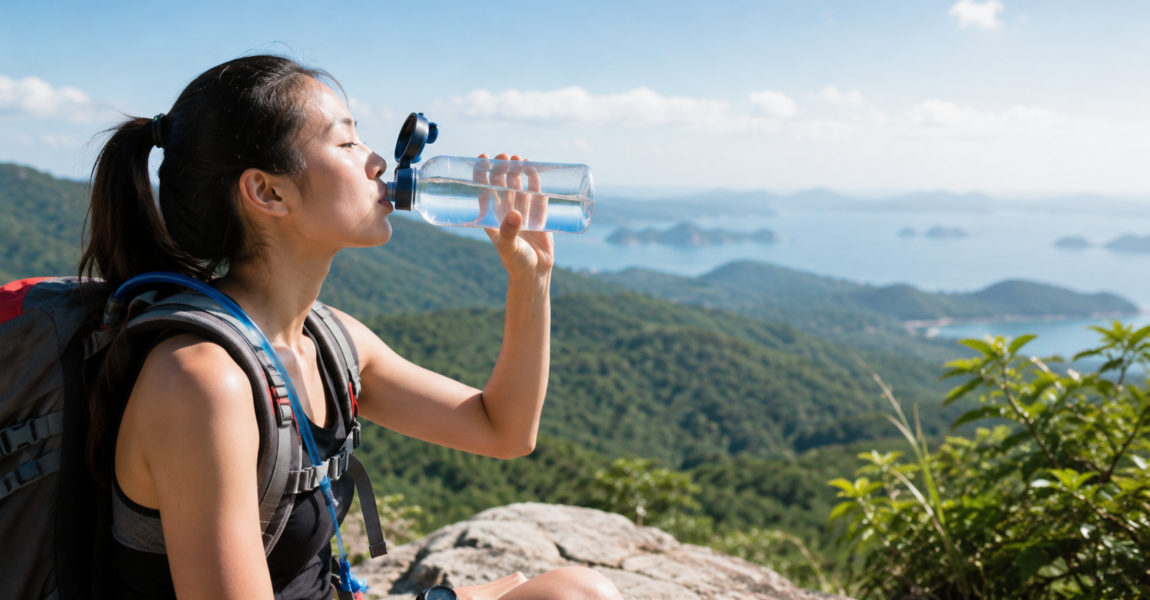
Overheating and dehydration are serious risks when you’re enjoying the great outdoors. You’ll need to proactively manage your fluid intake, especially when temperatures rise or your activity levels are high. Staying properly hydrated means you can enjoy your adventure safely and perform at your best. After a day of hiking, cycling, or outdoor adventures, a hot and cold water dispenser provides instant access to refreshing cold water for hydration or hot water for your favorite beverages, making recovery and hydration more convenient at home or in the office.
Why do we actually need so much water anyway?
Your body relies on water for pretty much everything, from regulating your temperature to lubricating your joints. Every single cell, tissue, and organ needs water to function properly, and when you’re active outdoors, that demand skyrockets. Think of it as the fuel your internal engine runs on – without enough, you’re just not going to perform your best.
Sweating is your body’s amazing cooling system, but it also means you’re constantly losing fluids and electrolytes. You see, replacing those lost fluids isn’t just about quenching your thirst; it’s about maintaining your body’s delicate balance so you can keep going strong. Failing to do so can lead to some pretty uncomfortable, and even dangerous, situations.
Dehydration isn’t just a little headache
Ignoring your body’s signals for water can quickly escalate beyond feeling a bit parched. Mild dehydration might just give you a nagging headache or make you feel sluggish. But push it further, and you’re looking at impaired physical performance, dizziness, and even confusion.
Serious dehydration, especially during strenuous activity, can lead to heat stroke, a life-threatening condition where your body’s core temperature rises dangerously high. You’re putting yourself at significant risk if you don’t prioritize consistent hydration, and that’s something you definitely want to avoid out in the wilderness.
My take on the 8-glasses-a-day rule
You’ve probably heard the old “drink eight glasses of water a day” advice, right? Honestly, it’s a decent starting point, a good general guideline for folks living a fairly sedentary life. But when you’re out there hiking, biking, or climbing, that number becomes almost laughably inadequate. Your needs are totally different, far greater.
Your activity level, the weather, and even your unique physiology all play a huge role in how much water you truly need. Trying to stick rigidly to a generic rule when you’re burning serious calories and sweating buckets is just setting yourself up for trouble. You need to listen to your body, not some arbitrary number.
That “8-glasses-a-day” rule doesn’t account for the fact that you get some water from foods, like fruits and vegetables, which can contribute to your overall fluid intake. It also doesn’t consider how much you’re sweating or the intensity of your activity. So, while it’s a simple concept, it’s not really a comprehensive plan for staying hydrated, especially when you’re pushing your limits outdoors. Whether you’re hiking, cycling, or enjoying outdoor adventures, alkaline water offers a refreshing way to support your hydration routine. Its smooth taste makes it easy to drink regularly and helps you maintain fluid intake throughout your activity.
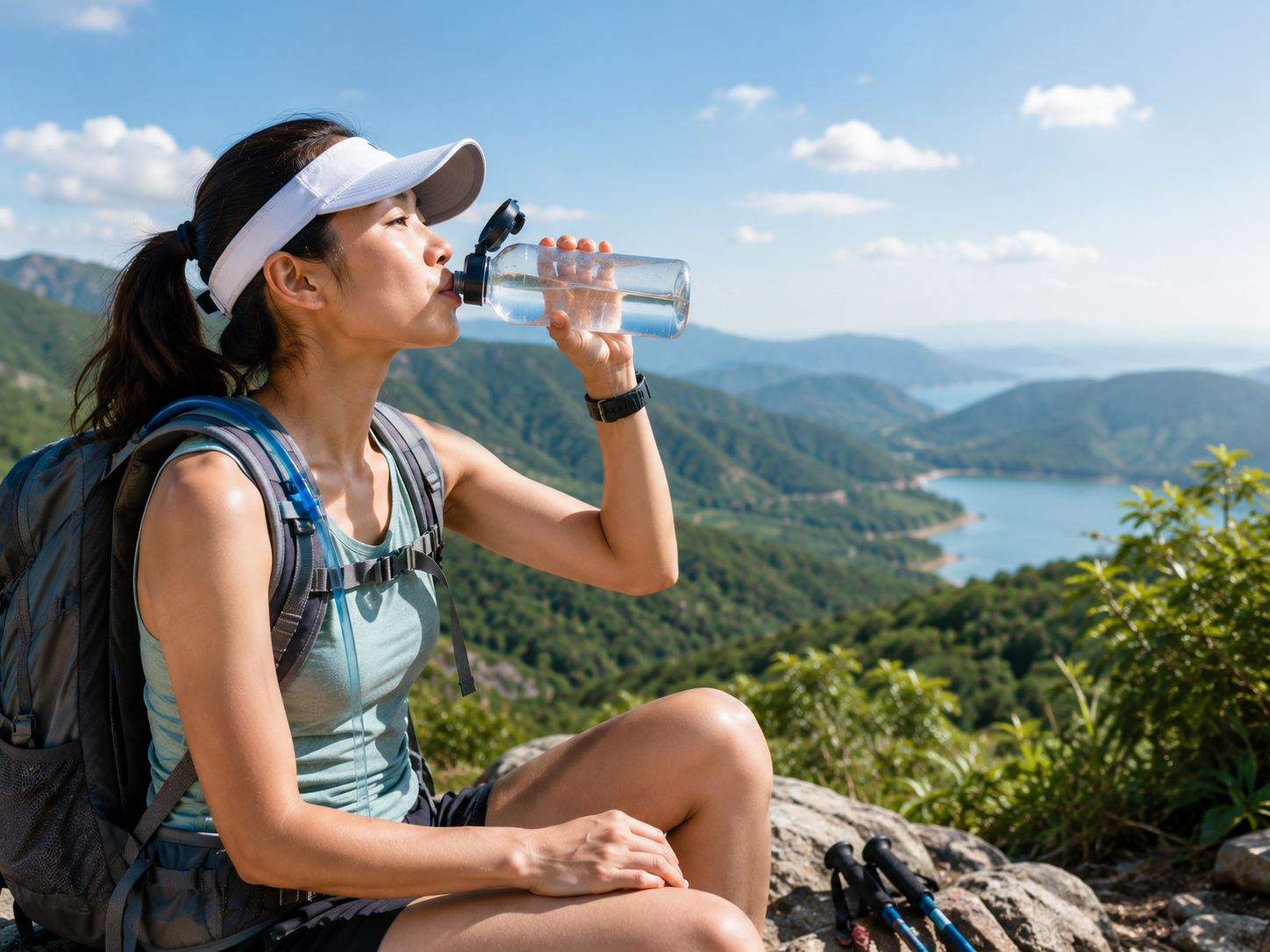
Timing is everything, honestly
You wouldn’t start a long drive on an empty tank, right? Well, your body’s the same way when it comes to hydration for outdoor fun. Getting your fluid intake right isn’t just about what you drink during your hike or paddle, it’s a whole strategic game that starts way before you even tie your boots.
Your hydration strategy really makes or breaks your comfort and safety out there. Think about it: feeling sluggish or getting a headache halfway through a trail isn’t just annoying, it can be genuinely dangerous in remote areas.
Why you’ve gotta drink up before you even leave
Did you know you should be actively hydrating for hours, maybe even a day, before your big outdoor adventure? Pre-hydrating sets your body up for success, ensuring your cells are already topped off and ready to tackle the demands of exertion and heat.
This proactive approach means you’re not playing catch-up from the get-go. Starting off already a little dehydrated puts you at a significant disadvantage, making it much harder to stay adequately hydrated as you sweat.
The real deal about sipping vs chugging
Most people think, “I’ll just drink when I’m thirsty,” but that’s already too late. You’re actually already in a mild state of dehydration by then. The trick is to consistently sip water, little by little, throughout your activity, not wait until you’re parched and then try to gulp down a whole bottle.
Sipping small amounts regularly allows your body to absorb the fluid much more efficiently. Chugging large quantities can overwhelm your system, sometimes leading to uncomfortable sloshing in your stomach, and it means a lot of that water just passes through without being fully utilized.
Your body just can’t process a huge influx of liquid all at once as effectively as it can a steady, consistent stream. So, aim for those smaller, frequent sips – it’s a much more effective way to keep your hydration levels stable and prevent that nasty bonk from dehydration.
It’s not just about plain water, I promise
You might think chugging bottle after bottle of water is the only way to stay hydrated on the trail, but that’s only part of the story. While water is undoubtedly imperative, especially when you’re pushing your limits, your body actually needs more than just H2O to function optimally during strenuous activities. For a deeper examine the science behind it, check out this excellent resource on Sports and Hydration for Athletes: Q&A with a Dietitian.
Your body loses more than just water when you sweat – you’re also losing critical minerals, and those need to be replenished. Ignoring this can lead to some pretty uncomfortable, and even dangerous, situations out in the wild. Think beyond just quenching your thirst; think about truly fueling your body for endurance.
Why your body’s seriously craving electrolytes
Many people just don’t realize how much their body depends on these tiny powerhouses. Electrolytes, like sodium, potassium, calcium, and magnesium, are absolutely imperative for everything from nerve function to muscle contractions. When you’re sweating buckets, you’re flushing them right out of your system.
Without enough electrolytes, your muscles can start cramping up, you might feel dizzy, and your energy levels will plummet faster than a rock off a cliff. It’s a serious imbalance that can turn a great day outdoors into a dangerous situation, so paying attention to these minerals is super important.
My favorite ways to get salty on the trail
Finding ways to replenish those lost salts doesn’t have to be complicated or involve weird concoctions. I often pack things that are naturally a bit salty and easy to carry. Think about salty pretzels, some good jerky, or even a handful of salted nuts – these are all excellent choices.
Another fantastic option is incorporating electrolyte drink mixes into your water bottle. These powders are super convenient; just toss a packet in and shake. They’re designed specifically to replace what you lose, and many even come in tasty flavors, making hydration a bit more enjoyable.
I particularly love using electrolyte tablets that dissolve in water. They’re lightweight, don’t take up much space, and give me a quick boost of what I need without being overly sweet. Sometimes, I’ll even just grab a small bag of chips – a little salt can go a long way when you’re feeling depleted.
What’s the best way to carry your stash?
You’ve got your water, but how do you actually carry it without it feeling like a burden? Choosing the right method is just as important as choosing the right drink, especially when you’re out there tackling tough trails or enjoying a leisurely paddle. You want something that’s convenient, secure, and won’t hinder your movement.
You’ll find a few main contenders in the world of outdoor hydration transport, each with its own perks and quirks. Your ideal choice really depends on the activity, the duration, and your personal comfort preferences.
Why hydration packs are a total game-changer
Hydration packs, with their integrated bladders and hands-free sipping, truly revolutionize how you drink on the go. You can continuously hydrate without breaking your stride or fumbling for a bottle, which is super helpful when you’re mountain biking or trail running.
The weight of the water is also distributed evenly across your back, making it feel less cumbersome than a sloshing bottle in your hand or a side pocket. This means less fatigue over longer distances and a more comfortable experience overall.
Why I’m still a fan of the old-school bottle
Sometimes, the simplicity of a good old water bottle just can’t be beat. They’re incredibly easy to refill, whether you’re at a public water fountain or topping up from a stream with a filter. You can also easily see exactly how much water you have left, which is a nice visual reminder to keep drinking.
Bottles are also way easier to clean thoroughly after a long day, letting them air dry completely without any hidden nooks or crannies to worry about. Plus, you can often attach them to carabiners or stash them in side pockets, keeping them readily accessible without wearing a full pack.
You can also easily mix different drinks in separate bottles – maybe one with plain water and another with an electrolyte solution – giving you options without contaminating your main water supply. And let’s be honest, sometimes you just don’t want the extra bulk of a pack when a simple bottle will do the trick for shorter excursions.
Seriously, let’s stop with the plastic bottles
You’re out there, enjoying nature, but are you leaving a trail of plastic behind? Think about it – those single-use water bottles pile up, creating a massive environmental problem. We can do better, especially when there are so many fantastic, sustainable alternatives for staying hydrated on the trail.
Your hydration strategy can actually be a force for good. Instead of grabbing another plastic bottle, consider investing in reusable options and learning about effective water purification. It’s not just about you; it’s about protecting the places you love to explore. For more detailed advice on keeping yourself hydrated responsibly, check out this guide on How to Stay Hydrated on the Trail.
Why you’ve gotta ditch the single-use stuff
Billions of plastic bottles end up in landfills or oceans every year. This isn’t just an ugly statistic; it means microplastics are infiltrating everything, even our food and water. You’re literally drinking your old water bottle, eventually.
Plastic production also uses a ton of fossil fuels, contributing to climate change. Switching to a reusable bottle is one of the simplest, most impactful changes you can make to reduce your environmental footprint. Plus, they look way cooler, don’t they?
Filtering your own water is easier than it sounds
Carrying enough water for a long hike can be incredibly heavy. Imagine just bringing an empty bottle and a small filter! You can lighten your pack significantly by learning to purify water from natural sources.
Modern water filters are compact, efficient, and surprisingly affordable. You’re not just saving weight; you’re gaining a huge sense of self-sufficiency and peace of mind knowing you’ll always have safe drinking water.
Many hikers worry about the safety of wild water, and that’s a valid concern. However, with the right gear – a reliable filter or purifier – you can eliminate harmful bacteria, protozoa, and even viruses from streams, lakes, and rivers. This means less planning around water caches and more freedom to explore remote areas, knowing you can resupply your hydration on the go.
Final Words
As a reminder, staying properly hydrated isn’t just a suggestion when you’re enjoying the great outdoors – it’s absolutely vital for your safety and enjoyment. You’ve learned how important it is to plan ahead, bringing enough water for your activity, and understanding how your body loses fluids. Don’t underestimate the impact of even mild dehydration on your energy levels and cognitive function.
Your well-being truly depends on making hydration a top priority. Listen to your body, drink regularly even if you don’t feel thirsty, and be prepared for changing conditions. A little foresight goes a long way in ensuring your outdoor adventures are memorable for all the right reasons, not because you had to cut them short due to feeling unwell.
FAQ
Q: How much water do I really need to drink when I’m out hiking all day?
A: Figuring out the right amount of water for a long hike can feel a bit like guesswork, but it doesn’t have to be. A good rule of thumb is to aim for about 0.5 to 1 liter of water per hour of activity. This isn’t a hard and fast rule, though; your individual needs will change based on a few things. How hot is it out there? Are you climbing steep hills or just strolling on flat ground? How much are you sweating? All these factors play a part. You’ll need more water on a sweltering summer day with lots of uphill sections than on a cool, breezy walk.
A good way to check if you’re drinking enough is to pay attention to your body. Are you feeling thirsty? Is your urine light yellow or clear? If it’s dark, you’re probably not drinking enough. Don’t wait until you’re parched to take a sip; try to drink small amounts regularly, even when you don’t feel super thirsty. That’s a good habit to get into.
Q: What are some good alternatives to just plain water for staying hydrated during intense outdoor activities?
A: Plain water is always a winner, no doubt about it, but sometimes you need a little something extra, especially when you’re really pushing yourself. Electrolyte drinks or tablets can be a game-changer. Think about it: when you sweat, you’re not just losing water; you’re losing important salts like sodium, potassium, and magnesium. Replenishing these helps your body hold onto water better and keeps your muscles working right.
You can find lots of sports drinks out there, but watch out for ones packed with sugar. You want the electrolytes without all the extra stuff that can upset your stomach. Coconut water is another fantastic natural option; it’s got a good balance of electrolytes and a bit of natural sugar for energy. Some people even mix a pinch of salt into their water bottle for a DIY electrolyte boost. Just be careful not to overdo it with the salt.
Q: My water bottle always gets warm on long trips. Any tips for keeping my water cool out on the trail?
A: Warm water on a hot day… yuck, right? Nobody wants that. The best defense against warm water is a good insulated bottle. Stainless steel, double-walled bottles are amazing; they can keep your water cold for hours, even in direct sunlight. They’re a bit heavier than plastic, sure, but the payoff is worth it when you get that refreshing cold sip.
If you’re stuck with a regular plastic bottle, there are still some tricks you can try. Freeze your water bottle partway full the night before. This turns it into a giant ice cube that slowly melts, keeping the rest of your water cold. You can also wrap your bottle in a damp cloth or a special insulated sleeve. The evaporation helps keep things cooler. Just don’t expect miracles with a flimsy plastic bottle; invest in a good one if you’re serious about cold water.
Q: How can I tell if I’m actually getting dehydrated, and what should I do if I think I am?
A: Knowing the signs of dehydration is super important, because sometimes it sneaks up on you. The first obvious sign is feeling thirsty, but by then, you’re already a little behind. Look out for a dry mouth, feeling tired or sluggish, and a headache starting to creep in. Your pee color is a big clue too; if it’s dark yellow, you need to drink more, like yesterday.
If you suspect you’re getting dehydrated, don’t panic, but do act quickly. Stop what you’re doing and find some shade if you can. Start sipping water slowly, not chugging it. Chugging can make you feel sick. If you have an electrolyte drink or tablet, use it. Small, frequent sips are the way to go. If you start feeling dizzy, confused, or your heart is racing, that’s serious. You need to get help immediately. Don’t try to push through it; your health comes first.
Q: Is it really necessary to drink water even when it’s cold outside and I don’t feel thirsty?
A: Oh yeah, totally. This is a common mistake people make. Just because the air is chilly doesn’t mean your body isn’t working hard and losing fluids. You might not feel as thirsty because you’re not sweating buckets like in the summer, but your body is still losing water through breathing, especially in dry, cold air. You’re also probably wearing more layers, which can actually make you sweat more than you realize.
Your body still needs water to function properly, no matter the temperature. Think about it: your muscles are still moving, yourRO organs are still doing their thing. Keep sipping water regularly, just like you would on a warm day. You might even find warm drinks like herbal tea helpful in the cold, as they contribute to your fluid intake and can make you feel cozier. Don’t let the cold weather trick you into thinking you’re fine without water.
- June 14, 2026
- Health