
Key Takeaways:
You know, while plain old tap water is perfectly fine for hydration, mineral water brings a little something extra to the table. It’s not just about quenching thirst; it’s about getting those tiny doses of minerals your body might be craving, like magnesium or calcium, that you don’t always get enough of from food alone. So, it’s a nice little boost without even trying.
Choosing mineral water means you’re often getting water from a protected source, which usually means less processing and fewer additives than some other bottled waters. It’s like a more natural, straightforward sip. You’re just drinking what nature put there, and that can feel pretty good.
Hydration is key for, well, everything – energy, digestion, clear thinking. Mineral water helps you hit those daily water goals, and for some, the slightly different taste makes it more enjoyable to drink. If you like it more, you’ll drink more. Simple as that.
For folks who are active or just sweat a lot, mineral water can help replenish electrolytes lost during exercise. While it’s not a sports drink, those naturally occurring minerals can give you a subtle edge in staying balanced. It’s a gentle way to support your body’s recovery.
Thinking about cutting back on sugary drinks? Mineral water is an excellent, zero-calorie swap. It adds a bit of flavor and interest without any of the added sugars or artificial sweeteners. Plus, it just feels like a more sophisticated choice than soda, doesn’t it?
Why your body seriously needs those minerals
Think about it: your body can’t produce crucial minerals on its own. You’ve got to get them from somewhere, and mineral water offers a super accessible, natural source. These tiny powerhouses play a huge role in practically every bodily function, from nerve transmission to bone health.
You might be surprised just how many processes rely on these unsung heroes. Without enough of them, you’re setting yourself up for potential health problems that can truly impact your daily life and energy levels. For homes and offices that prioritize healthy hydration, our 5-gallon bottled mineral water delivery provides a convenient supply of mineral-rich drinking water to support your daily wellness routine.
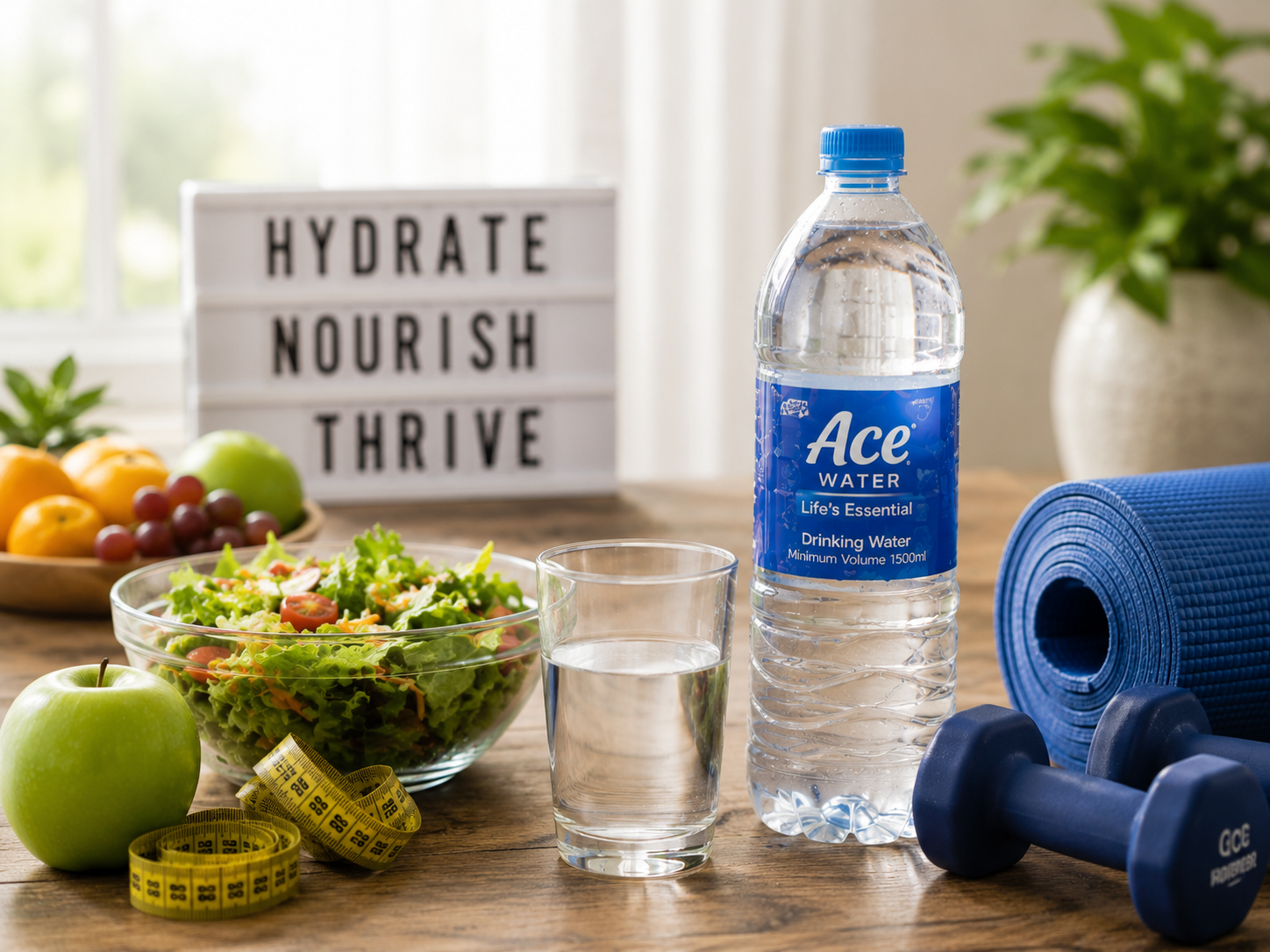
Magnesium and calcium are total game-changers for your health
Magnesium, for instance, is involved in over 300 biochemical reactions in your body. It helps with muscle and nerve function, blood glucose control, and blood pressure regulation. Feeling tired or having muscle cramps? You might be lacking this crucial mineral.
Calcium isn’t just for strong bones and teeth – though it’s super important for that! It also plays a key role in blood clotting, muscle contraction, and maintaining a normal heartbeat. Getting enough of both can make a noticeable difference in how you feel day-to-day.
Getting your electrolytes without the sugary sports drinks
Hydration is more than just drinking water; it’s about balance. You lose electrolytes like sodium, potassium, and chloride through sweat, especially when you’re active or it’s hot. Replenishing these is critical for preventing dehydration and maintaining proper fluid balance.
Many popular sports drinks are loaded with artificial colors, flavors, and a ton of sugar – stuff you definitely don’t need. Mineral water, on the other hand, provides these naturally occurring electrolytes without all the junk.
You can actually enjoy the benefits of electrolyte replenishment simply by choosing the right mineral water. It’s a much cleaner, healthier way to support your body’s hydration needs and keep you feeling good, without the unnecessary sugar crash later.
My take on the whole digestion thing
You know that feeling after a meal, when your stomach just feels… heavy? I’ve been there countless times, and for a long while, I just chalked it up to eating too much. But you, my friend, might be surprised at how much something as simple as what you drink can impact that entire digestive process, making you feel lighter and more comfortable.
This simple change can truly make a noticeable difference in your overall well-being. Focusing on hydration, especially with something like mineral water, helps your body break down food more efficiently and absorb all those good nutrients. Making healthy choices starts with proper hydration. Mineral Water 250ml provides a convenient way to enjoy refreshing water enriched with naturally occurring minerals, making it an ideal companion for work, travel, exercise, and everyday wellness.
Why those bubbles actually help your stomach settle down
Ever notice how a fizzy drink can sometimes just *hit different* when your stomach feels off? Those tiny carbonation bubbles in mineral water aren’t just for show; they actually play a role in helping things move along in your digestive tract. You’re giving your system a little gentle push, if you will.
The carbon dioxide in mineral water can help stimulate gastric motility, which basically means it encourages your stomach muscles to contract and move food through more effectively. It’s like a mini internal massage, preventing that sluggish, bloated sensation and making you feel much more comfortable.
Honestly, it’s the best thing to drink after a big meal
We’ve all been there: Thanksgiving dinner, a huge Italian feast, or just one of those nights where you *really* enjoyed your meal. You feel stuffed, maybe a little sluggish, and reaching for another sugary soda just sounds like a terrible idea. That’s when mineral water truly shines.
It’s about giving your body something that aids digestion, not hinders it. You’ll find that a glass of mineral water after a generous meal helps to cleanse your palate and settle your stomach, leaving you feeling refreshed instead of weighed down.
When you drink mineral water after a large meal, you’re not just hydrating; you’re also providing your body with vital minerals that can support digestive enzymes. This gentle, natural aid helps break down fats and proteins more efficiently, reducing the likelihood of indigestion and that uncomfortable, overstuffed feeling. It truly is the ideal post-meal beverage for a lighter, more energetic you.
Is it actually worth the extra money?
You’re probably wondering if shelling out extra cash for mineral water is really justified. After all, tap water is right there, practically free! But consider the distinct mineral profile you gain, offering a unique blend of electrolytes and trace elements that can truly enhance your overall well-being. Think about The Many Health Benefits of Mineral Water, and how those specific minerals might be missing from your everyday H2O.
Your body might appreciate the difference, especially if you’re active or simply seeking a more comprehensive hydration strategy. The investment isn’t just for taste; it’s for the potential health advantages that a balanced mineral intake can provide.
Comparing the cost to your kitchen faucet
Let’s break down the cost difference, because that’s usually the first thing people think about. It’s true, bottled mineral water isn’t free like tap water, but when you look at the bigger picture, the cost per serving might surprise you.
You’re imperatively paying for convenience, purity, and a guaranteed mineral content.
Cost Comparison: Mineral Water vs. Tap Water
| Feature | Mineral Water | Tap Water |
| :—————- | :——————————————————- | :————————————————————————— |
| Cost | Higher per liter, varies by brand | Very low, imperatively negligible |
| Mineral Content | Guaranteed, specific profile, naturally occurring | Varies widely by location, often filtered, inconsistent |
| Convenience | Bottled, portable, ready-to-drink | Accessible from faucet, requires filtration for some |
| Taste | Distinct, often preferred by consumers | Can vary greatly, sometimes has chlorine taste |
| Purity | Typically bottled at source, minimal processing | Treated, regulated, but can have contaminants or additives depending on source |
The real deal about the environmental impact
Many people worry about the environmental footprint of bottled water, and that’s a completely valid concern. Plastic bottles are a big one, contributing to landfill waste and ocean pollution, which is a serious issue we all need to address.
But here’s a thought: not all mineral water comes in single-use plastic, and many brands are making significant strides in sustainable packaging.
You’ll find options in glass bottles, cartons, or even larger, refillable dispensers, which can drastically reduce your personal impact. Plus, supporting brands with strong environmental initiatives helps drive positive change across the industry. Just research a bit to find those companies that are truly committed to being green.
How to pick a good bottle at the store
You’re standing in the aisle, faced with a dizzying array of bottles. Picking a good mineral water isn’t about fancy labels, it’s about understanding what’s inside. You’ll want to choose one that complements your dietary needs and taste preferences, especially if you’re keen on knowing Why is mineral water imperative for diet lists? – Maden Suyu.
Consider the mineral content and where it comes from. A natural mineral water should list its source and the minerals it contains, ensuring you get those beneficial elements without any added junk.
Reading labels shouldn’t be a huge chore
Just flip that bottle over and take a peek at the label. You’re looking for a clear list of minerals, things like calcium, magnesium, and potassium. Don’t stress too much about memorizing every single number, but do check for a low sodium content if you’re watching your salt intake.
Always make sure the water is labeled “natural mineral water.” This designation means it comes from an underground source, protected from pollution, and hasn’t been chemically treated. Anything else might just be filtered tap water with some minerals added back in, and that’s not what you’re after.
What’s the difference between “mineral” and “sparkling”?
Many people get these two mixed up, but there’s a pretty big distinction. “Mineral water” means the water comes from a naturally protected underground source, containing a consistent amount of minerals like calcium and magnesium. It can be still or naturally sparkling.
“Sparkling water,” however, just means it has bubbles. It could be regular tap water with carbonation added, or it could be a naturally carbonated mineral water. The key is to check if it’s *also* mineral water.
If you see “sparkling water” without “mineral” somewhere on the label, you’re likely just getting carbonated water, which might not offer the same beneficial mineral profile. A naturally sparkling mineral water, on the other hand, gives you those healthy minerals along with the refreshing fizz you crave.
Simple ways to make it part of your day
Integrating mineral water into your daily routine doesn’t have to be complicated. You’re already drinking water, right? Just think about making a simple switch to naturally sourced mineral water and you’ll immediately start benefiting from necessary electrolytes and trace minerals your body craves. Want to learn more about The Benefits of Minerals in Water?
You’ll find it’s a refreshing change that supports your hydration goals and offers more than just plain H2O. Giving your body those extra minerals can make a real difference in how you feel, especially if you’re active.
Swapping out your soda habit for something way better
Consider this: that fizzy soda you sometimes reach for? It’s loaded with sugar and artificial stuff. Imagine replacing that with the natural bubbles and clean taste of mineral water instead.
It’s a pretty easy swap that can seriously cut down on your sugar intake and still give you that satisfying fizz. Plus, you’re getting minerals, not empty calories – a definite win-win for your health.
Here’s how to jazz it up with some fruit and herbs
Plain mineral water is great, but sometimes you want a little something extra, don’t you? You can easily infuse your water with fresh flavors, turning a simple drink into a delightful experience.
Just grab some slices of cucumber, a few mint leaves, or maybe some berries. Pop them right into your glass or pitcher.
This simple trick not only makes your water taste amazing but also adds a touch of natural sweetness and a beautiful visual appeal, making hydration feel like a treat rather than a chore. You’ll be surprised how much you look forward to drinking water when it’s infused with your favorite fruits and herbs.
FAQ
Q: Is mineral water really better than regular tap water for daily hydration?
A: You know, it’s a question I get all the time. People often wonder if splurging on mineral water is truly worth it compared to just filling up from the tap. The truth is, both are excellent for hydration, which is the main goal, right?
Mineral water, though, brings a little something extra to the table. It’s sourced from underground reservoirs and picks up natural minerals like calcium, magnesium, and potassium along the way. Your tap water, while safe and usually fluoridated for dental health, typically has fewer of these naturally occurring elements.
So, if you’re looking for a simple way to top up your mineral intake without thinking too much about it, mineral water can be a nice bonus. It’s not a magic bullet, but those extra minerals contribute to overall well-being, supporting things like bone health and muscle function. For most people, a mix of both works beautifully, getting the best of both worlds.
Q: Can mineral water help me get enough electrolytes, especially after a workout?
A: Oh, the post-workout hydration dilemma! We’ve all been there, feeling a bit zapped after a good sweat session. When you exercise intensely, your body loses more than just water; it sheds electrolytes like sodium, potassium, and magnesium.
That’s where mineral water can shine a little brighter than plain water. Because it naturally contains these very minerals, it can offer a gentle replenishment. It’s not going to be like a sports drink, which is designed for rapid, high-dose electrolyte replacement, but it’s a step up from just plain H2O.
Think of it as a natural, less sugary alternative for moderate activity. If you’re doing an hour of yoga or a brisk walk, a bottle of mineral water could be just what your body needs to feel balanced again. For marathon runners, you’d probably still want a dedicated electrolyte solution, but for everyday fitness, it’s a great option.
Q: What’s the deal with the different mineral content in various brands? Does it actually matter?
A: This is where it gets interesting, and honestly, a little overwhelming sometimes when you’re standing in the water aisle. You’ll notice some bottles proudly display their mineral analysis, listing calcium at 80mg, magnesium at 20mg, and so on. Other brands might just say “natural mineral water.”
The mineral content varies wildly depending on the source. Some waters are high in calcium, making them good for bone support. Others might have more magnesium, which is great for muscle relaxation and nerve function. It absolutely matters if you’re trying to target specific mineral needs or just curious about what you’re drinking.
For someone looking to increase their daily magnesium intake without supplements, choosing a magnesium-rich mineral water could be a simple, enjoyable way to do it. Or perhaps you want less sodium in your diet; checking the label helps you pick a lower-sodium option. It’s like choosing different kinds of produce – they all offer benefits, but some have more of certain things than others.
Q: Is there a downside to drinking mineral water exclusively, like too many minerals or something?
A: That’s a really smart question to ask, because sometimes we think “more is better” with healthy things, and that’s not always true. For most healthy people, regularly drinking mineral water as part of a balanced diet isn’t going to cause issues. Your kidneys are pretty amazing at filtering out what your body doesn’t need.
However, if you have specific health conditions, like kidney problems or high blood pressure, you might want to talk to your doctor. Some mineral waters have higher sodium levels, which could be a concern for someone monitoring their blood pressure. And extremely high levels of certain minerals, while rare in bottled water, could theoretically be an issue for very sensitive systems.
A good rule of thumb is variety. Mixing it up with tap water, filtered water, and different brands of mineral water ensures you’re getting a broad spectrum of hydration without overloading on any single mineral. It keeps things balanced and interesting for your body.
Q: How can I tell if a mineral water is genuinely good quality or just marketing hype?
A: It’s easy to feel like you’re being sold a story when you see all those fancy labels and pristine mountain imagery, isn’t it? Differentiating real quality from clever marketing can be tricky, but there are a few things to look for.
First, check the label for the source. Reputable mineral waters will clearly state where they come from – a specific spring, aquifer, or well. They’ll also often provide a detailed mineral analysis, sometimes called a “total dissolved solids” (TDS) number, which indicates the concentration of minerals. A higher TDS generally means more minerals.
You want to see a list of actual minerals, like calcium, magnesium, potassium, bicarbonate, and sulfates, not just vague claims of “purity.” If a brand doesn’t list its mineral content or source, it might just be purified tap water with some minerals added back in, which isn’t the same as naturally sourced mineral water. Trust your taste buds too; sometimes a truly mineral-rich water has a distinct, almost earthy flavor that plain water lacks. It’s about finding what feels and tastes good to you, backed by transparent information.
- June 15, 2026
- Mineral Water