Key Takeaways:
You know, I was at a friend’s house the other day, and they were showing off their fancy water filter, swearing it made their tap water taste like pure mountain spring. But then they pulled out a plastic bottle for their hike, and I just had to chuckle a bit because it’s easy to get caught up in what we *think* we know about water.
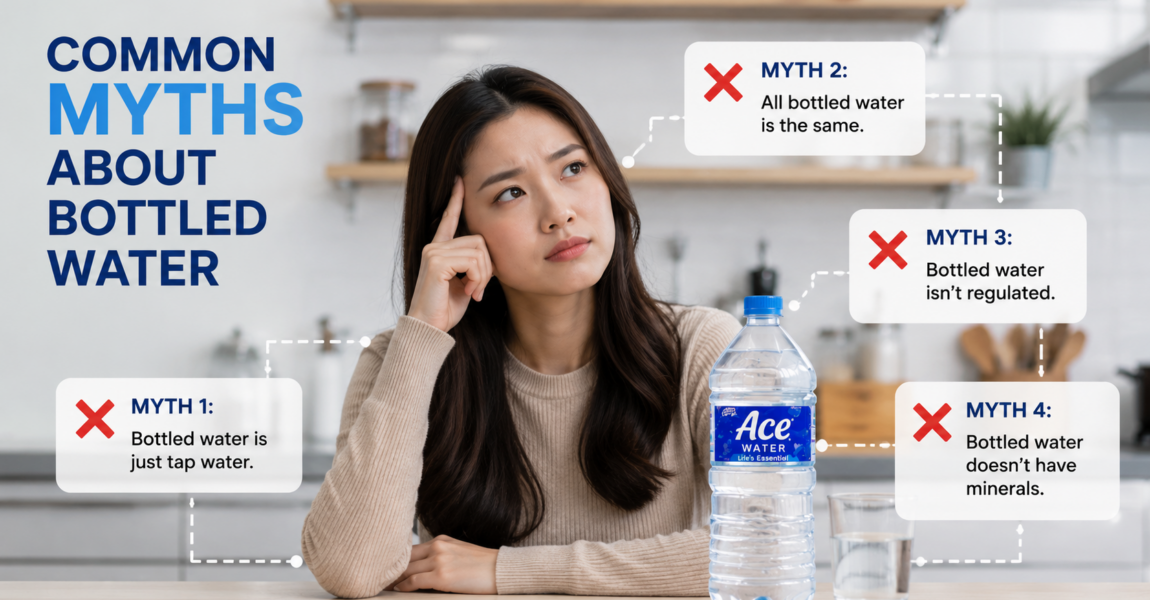
* Bottled water isn’t necessarily safer or healthier than tap water. Many people assume it is, but public tap water in many countries, especially places like the US and Canada, undergoes rigorous testing and often meets higher quality standards than some bottled brands. So, that tap water coming out of your faucet? It’s probably pretty good.
* The idea that bottled water has fluoride added more often than tap water is a myth. Tap water is often fluoridated as a public health measure to prevent tooth decay, something bottled water rarely does. If you’re looking for fluoride for your teeth, your tap is usually the better bet.
* Plastic water bottles don’t typically leach harmful chemicals like dioxins into the water, even when exposed to heat or sunlight. That old worry about leaving a bottle in a hot car? It’s largely unfounded. Most modern plastic bottles are made from PET, which doesn’t contain dioxins and is quite stable.
* Buying bottled water isn’t always supporting a “natural” or “pristine” source. A significant amount of bottled water is actually just purified tap water, sometimes from municipal sources, bottled and sold at a premium. So, you might be paying a lot for something that’s not much different from what you get at home.
* Reusable water bottles are generally a much better option for your health and the environment. Not only do they cut down on plastic waste, but they also give you control over your water source. Plus, you can wash them properly, which is always a good thing.
Is bottled water actually cleaner than what’s in your tap?
You might grab a bottle of water thinking it’s automatically better, purer even, than what flows from your faucet. It’s a common belief, fueled by marketing that often paints tap water as suspect. But is this really the case?
Often, you’re paying a premium for water that’s importantly the same, or sometimes even less regulated, than your municipal supply. It’s a pretty big myth that bottled water holds some secret, superior cleanliness. Many people have misconceptions about bottled water, but choosing a trusted hydration solution matters. Ace Water offers affordable 5-gallon alkaline water delivery, providing clean, refreshing water conveniently delivered to homes and offices throughout Kuala Lumpur and Selangor.
The real deal on where that water comes from
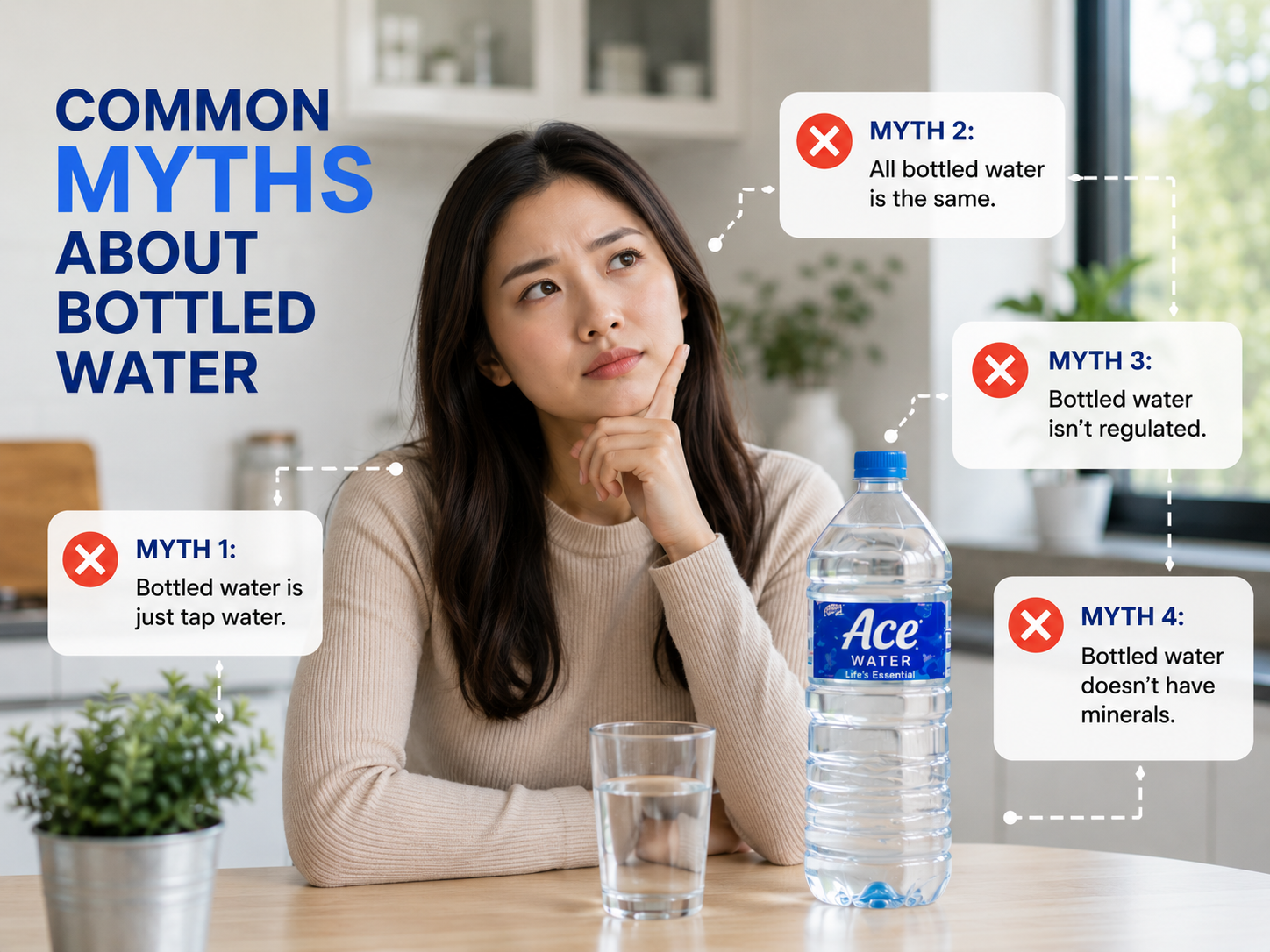
Many bottled water brands simply filter and bottle municipal tap water. Yes, you read that right – your tap water, but repackaged. They might add some minerals for taste, but the source often isn’t a pristine mountain spring.
Other bottles draw from groundwater sources, like wells. However, these sources aren’t inherently superior and can still contain contaminants, meaning they need purification just like tap water.
Why tap water isn’t the villain it’s made out to be
Your local tap water undergoes rigorous testing, often much more frequently than bottled water. Public water systems are required to meet strict EPA standards, meaning consistent quality checks are happening all the time.
Think about it: your city’s water department has a huge responsibility to keep millions of people safe. They’re not messing around with quality control.
And when we talk about safety, it’s worth noting that tap water suppliers must make their test results publicly available. You can usually find a detailed water quality report online for your area, giving you full transparency on what’s in your glass. This level of regular, public accountability is something bottled water companies aren’t always required to match, which is a pretty big difference if you ask me. Not all bottled water is the same. Desa Mineral Water offers clean, refreshing hydration with naturally occurring minerals at affordable prices, making it a practical choice for everyday drinking.
Reusing those plastic bottles is totally fine, right?
You might grab a single-use plastic water bottle, empty it, and then think, “Hey, I’ll just refill this and save some money!” It’s a common habit, and it feels like you’re doing something good for the planet, right? But what if I told you that simple act could actually be doing more harm than good? It turns out, there’s a lot more to those plastic bottles than meets the eye, and some of the myths surrounding their reuse are pretty persistent. For more insights on this topic, check out these Bottled Water Myths | Culligan Water Resources.
My take on the whole chemical leaching scare
Many people worry about chemicals leaching into their water from plastic bottles, especially when they’re reused or exposed to heat. This concern isn’t entirely unfounded, but it’s often blown out of proportion. The truth is, most bottled water containers are made from PET plastic, which is generally considered safe for single-use.
You see, the real issue isn’t typically a sudden burst of chemicals, but rather a gradual degradation. Repeated use, especially with hot liquids or harsh cleaning, can start to break down the plastic. This might release tiny amounts of compounds, but the evidence for this being a significant health risk from casual reuse is pretty weak.
Why you shouldn’t keep refilling that single-use plastic
So, if chemical leaching isn’t the biggest monster under the bed, why am I telling you to ditch the reuse habit? Well, think about what happens when you drink from a bottle – your mouth introduces bacteria. Then, if you just rinse it with water, those bacteria can multiply, turning your bottle into a little germ factory.
This becomes a much bigger problem than any potential chemical leaching. You’re basically creating a perfect breeding ground for all sorts of microorganisms. And let’s be honest, how often do you truly *sanitize* that bottle after every use? Probably not often enough.
The structural integrity of single-use bottles also isn’t designed for repeated stress. They can develop tiny cracks or scratches over time, which are perfect hiding spots for bacteria. This means that even if you try to clean them, you might not be reaching all those nooks and crannies. You’re just asking for trouble, and frankly, it’s not worth the risk for something as simple as a water bottle.
Honestly, “enhanced” water is just a marketing trap
Thinking that “enhanced” water offers some magical health boost is a common pitfall. Many brands want you to believe their special concoctions are better than plain old H2O, but that’s rarely the truth. You’re often paying a premium for little to no actual benefit.
Companies love to dress up their products with fancy labels and health claims. They’ll talk about “electrolytes” and “vitamins” like they’re imperative additions, when for most people, they’re just unnecessary extras. Don’t fall for the hype!
What’s really inside those vitamin-packed bottles
Peeking at the ingredient list reveals a different story than the fancy marketing. You’ll often find added sugars, artificial sweeteners, and synthetic vitamins that your body might not even fully absorb. It’s not the pure, natural goodness you might imagine.
These drinks often contain colors and preservatives too, stuff you probably don’t want to be chugging down regularly. Are you really getting a health boost when your “vitamin water” has more sugar than a soda? Probably not.
Why your body doesn’t need the extra stuff they’re selling
Your body is actually quite good at getting what it needs from a balanced diet. You’re probably already consuming enough vitamins and minerals through your food, making those “enhanced” waters redundant. Why spend extra money on something your system is already handling?
Feeling thirsty? Plain water is usually all you need to stay hydrated and support your body’s natural functions. Unless you’re an elite athlete after an intense workout, those added electrolytes and vitamins are likely just passing right through you.
Most people get plenty of vitamins from their daily meals – think about all the fruits, vegetables, and whole grains you eat. Adding more through bottled water is often just overkill, and sometimes, too much of certain vitamins can even be harmful. It’s always best to stick to the basics for optimal hydration and health.
Does water seriously have an expiration date?
You might’ve seen an expiration date on your bottled water and thought, “Wait, does water actually go bad?” It’s a common misconception, and you’re not alone in wondering about it. The truth is, the water itself doesn’t expire, not in the way food does, but there’s more to those dates than meets the eye, as you can learn more about Bottled Water Myths.
So, why are those dates there then? Well, it mostly has to do with the container, not the H2O inside. Think about it – water has been around forever, right?
Here’s what those dates on the cap actually mean
That little date stamped on the cap or bottle isn’t telling you when the water inside will turn sour. Instead, it’s usually a “best by” date for the bottle itself. This date is often there for inventory rotation in stores, or sometimes it relates to the container, not the liquid.
Manufacturers also use these dates to ensure the product is sold within a timeframe where the packaging is at its best. It’s really about the quality of the plastic, not the water’s drinkability, so don’t stress if you find an old bottle in the back of the fridge.
Why the plastic is what’s really going bad
Plastic bottles, while convenient, aren’t designed to last forever. Over time, the plastic itself can start to degrade, especially when exposed to heat or sunlight. This degradation can lead to tiny plastic particles leaching into the water, which isn’t ideal.
You might also notice a subtle change in taste if water has been sitting in a plastic bottle for a long time. That’s because the plastic can impart a slight chemical flavor, even if the water is still perfectly safe to drink. It’s just not as fresh-ttasting.
The real concern with older plastic bottles isn’t that the water becomes dangerous, but rather that the plastic itself can begin to break down. This process, often accelerated by exposure to sunlight or extreme temperatures, can cause chemicals from the plastic to migrate into the water. While the amounts are usually very small and generally considered safe by regulatory bodies, it can definitely affect the taste and overall quality of your drink. So, while you won’t get sick from “expired” water, it might not be the refreshing experience you’re hoping for.
Why I think we’re wasting way too much money
You probably don’t even think about it, but every time you grab a bottle of water, you’re making a choice that impacts your wallet pretty significantly. We’re talking about a habit that, over time, really adds up, especially when you consider the sheer volume of bottled water consumed globally.
Just think about all those little purchases, those quick grabs from the convenience store or the vending machine – they might seem small individually, but together, they form a pretty hefty chunk of change that could be better spent elsewhere.
The crazy price gap between the sink and the store
Consider the stark reality: a gallon of tap water often costs less than a penny. Now, compare that to the average price of a single 16-ounce bottle of water, which can easily run you a dollar or more – that’s a massive difference, isn’t it?
This huge disparity means you’re paying hundreds, even thousands, of times more for the exact same product, just because it comes in a plastic container from a store.
How fancy labels trick us into paying more
Packaging plays a huge role in our perception of value, and bottled water companies are masters at it. They use sleek designs, catchy names, and images of pristine mountains to make you believe you’re getting something superior.
You’ll often find bottles with frosted labels or unique shapes, all designed to make that water seem more luxurious and, therefore, worth a higher price tag.
These marketing tactics are incredibly effective; they create an illusion of quality and purity that often has no basis in reality. We’re conditioned to associate attractive packaging with a better product, even when the contents are virtually identical to what flows from your faucet. It’s a clever psychological trick that keeps us reaching for the more expensive option, believing we’re making a better choice when we’re often just paying for pretty plastic.
The truth about where all that plastic ends up
You might think that once you toss that empty bottle in the recycling bin, its journey is over, a clean slate. But the reality is far more complex, and frankly, a bit unsettling. You see, the vast majority of plastic – including your bottled water containers – doesn’t magically disappear or transform into new bottles. For more insights into these issues, explore common Myths About Bottled Water.
Plastic’s lifecycle after you’re done with it isn’t always what we’re led to believe. A significant portion of it ends up somewhere you’d rather it didn’t, creating a lasting impact on our planet.
Why recycling isn’t the magic fix we’ve been promised
Many people assume recycling solves the plastic problem entirely. However, the truth is, only a small percentage of plastic ever gets truly recycled. The process is often expensive and inefficient, with many types of plastic not being economically viable to recycle at all.
This means that even your best intentions often don’t translate into a closed-loop system. A lot of what you put out for recycling still ends up in landfills or worse.
The real impact on our oceans and soil
Consider the sheer volume of plastic that escapes the recycling stream. It doesn’t just vanish; it breaks down into microplastics, tiny fragments that are incredibly difficult to remove from the environment. These particles contaminate our soil, affecting agriculture and potentially entering the food chain.
Then there are our oceans, a silent victim of our plastic consumption. Millions of tons of plastic enter the oceans every year, forming massive garbage patches and harming marine life. Animals often mistake plastic for food, leading to internal injuries, starvation, and even death. It’s a truly devastating cycle.
This plastic pollution, especially the microplastics, poses a significant threat to delicate ecosystems. It disrupts natural processes and introduces harmful chemicals into the environment, impacting everything from tiny plankton to majestic whales. The long-term consequences of this widespread contamination are still being understood, but they are undoubtedly severe and far-reaching, affecting both wildlife and potentially human health through the food chain.
Final Words
Following this, you might be surprised to learn that many of your long-held beliefs about bottled water just aren’t true. You’ve heard that bottled water is inherently safer, or maybe that it’s always purer than tap water, right? Well, that’s often not the case. Your local tap water, especially in developed countries, undergoes rigorous testing and often meets higher safety standards than some bottled brands.
You should also question the idea that all bottled water comes from pristine mountain springs. A significant portion of it is simply filtered tap water, sometimes from municipal sources. And what about those microplastics? You’re probably concerned about them, and you should be, as they’re a growing environmental issue that comes with single-use plastic bottles. So, when you reach for that next bottle, you really should consider if it’s truly better than what’s flowing from your faucet.
FAQ
Q: Is bottled water really purer than tap water, or is that just clever marketing?
A: A lot of people think bottled water is automatically cleaner, super filtered, and just better for you than what comes out of your faucet. The truth is, that’s often not the case at all! Most bottled water companies source their water from municipal supplies – yeah, the same kind of water that’s running through your pipes right now. They might filter it a bit more, add some minerals for taste, or run it through UV light, but it’s not some magic elixir.
The Environmental Protection Agency (EPA) regulates tap water in the United States, and those standards are pretty strict. The Food and Drug Administration (FDA) regulates bottled water, and while those are also good, they’re not necessarily *better* or more stringent than EPA rules. So, for many places, your tap water is perfectly safe and just as pure, if not more so, than a lot of what’s in those plastic bottles. It’s a bit of a myth that bottled water is inherently superior.
Q: Does bottled water expire, or is the date on the bottle just for the plastic?
A: You’ve probably seen that ‘best by’ or ‘expiration’ date stamped on a bottle of water and wondered, “Does water actually go bad?” Well, the water itself, in a sealed bottle, won’t really ‘expire’ in the way milk or juice does. It’s not going to spoil or become unsafe to drink if it’s just plain water.
The date on the bottle is mostly there for the plastic packaging. Over time, chemicals from the plastic can leach into the water, especially if the bottle has been exposed to heat or sunlight. This isn’t usually a health hazard in small amounts, but it can definitely affect the taste of the water, making it taste a bit plastic-y or stale. So, while you won’t get sick from drinking ‘expired’ bottled water, it probably won’t taste as fresh, and you might be getting some microplastics you don’t really want.
Q: Is it true that drinking water from plastic bottles causes cancer?
A: This is a big worry for many people, and it’s understandable why. There’s been a lot of talk about chemicals in plastics, especially BPA (bisphenol A), and their potential health effects. For a long time, BPA was a common ingredient in many plastics, including some water bottles. Studies did raise concerns about BPA mimicking hormones and potentially leading to health problems, including some cancers.
The good news is that most major bottled water brands have switched to BPA-free plastics. You’ll often see “BPA-free” clearly marked on the bottle. While it’s always wise to be mindful of chemical exposure and avoid leaving plastic bottles in hot cars for extended periods, the direct link between modern, commercially bottled water and cancer for the general public isn’t supported by current scientific consensus. If you’re concerned, choosing glass or stainless steel reusable bottles is always an excellent option.
Q: Do bottled water companies actually deplete local water sources?
A: This is a really important question about the environmental impact of bottled water, and yeah, it’s a legitimate concern in many places. Bottled water companies, especially large ones, need a lot of water to fill all those bottles. They often draw this water from local aquifers, springs, or municipal supplies.
In some regions, particularly those already facing water scarcity or drought, these large-scale withdrawals can put a significant strain on local water resources. It can lower water tables, affect ecosystems, and even impact the water available for local communities’ agriculture or drinking. It’s not always a problem, but it definitely can be, and it’s why many environmental groups advocate for more sustainable water management and less reliance on single-use bottled water. Where a company gets its water and how much it takes really matters.
Q: Is alkaline bottled water actually better for your health than regular water?
A: Alkaline water has really gained popularity, with claims that it can neutralize acid in your body, detoxify, and even prevent diseases. The idea is that its higher pH level (usually 8 or 9) makes it healthier. But here’s the thing: your body is incredibly good at regulating its own pH levels.
Your stomach acid is super strong for digestion, and your kidneys and lungs work constantly to keep your blood pH in a very narrow, healthy range. Drinking alkaline water, especially in normal amounts, isn’t going to significantly change your body’s overall pH or provide the dramatic health benefits often advertised. While it won’t hurt you, scientific evidence supporting these specific health claims is pretty limited. For most people, good old regular water, whether from the tap or a bottle, is perfectly sufficient for hydration and health. It’s largely a marketing trend rather than a scientifically proven health boost.
- June 22, 2026
- Facts