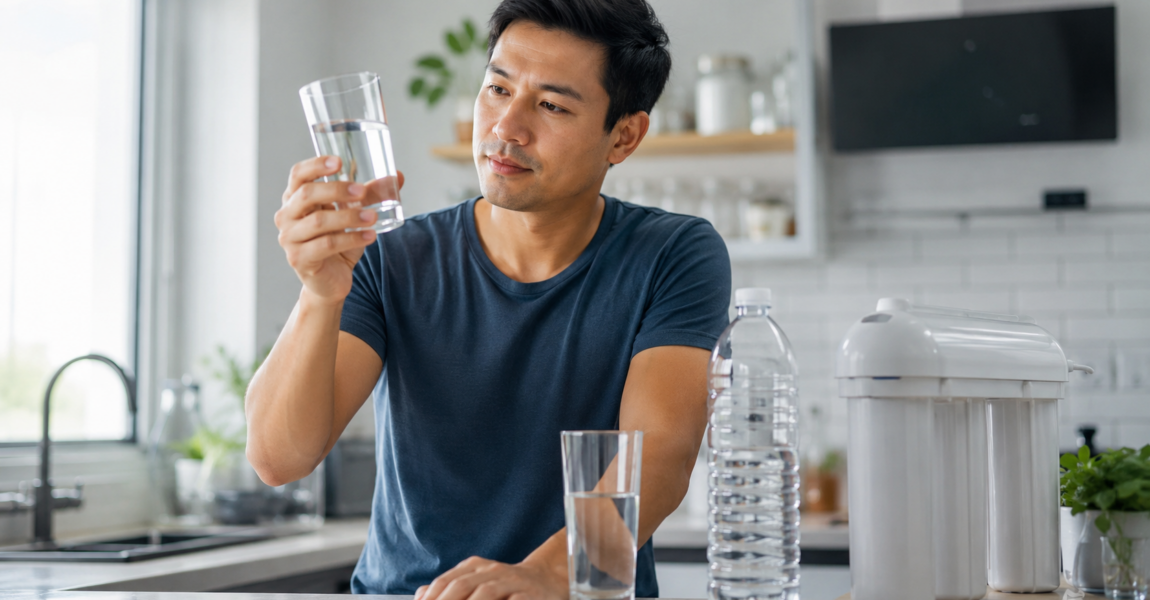
Most of us grab a glass of water without a second thought. But have you ever stopped to consider what’s really in it? Contaminants like lead, chlorine, and even microscopic organisms can lurk unseen, posing serious risks to your health. Don’t worry, though; choosing truly high-quality drinking water isn’t as complicated as it seems, and you’ll soon know exactly what to look for. Choose high-quality hydration with our 5-gallon RO bottled water delivery, providing clean, purified water for your home or office.
Key Takeaways:
- Your home’s tap water quality isn’t a given; it really varies significantly by location, and even within the same city. You’ve got to investigate local water reports, which are usually available online from your municipal water provider, to get the real picture of what’s flowing into your home.
- Filtering your water is often a smart move, even if your tap water is deemed “safe.” Filters can tackle a range of contaminants that might slip past municipal treatment, from chlorine and sediment to lead and microplastics. The trick is choosing the right filter for your specific needs, whether that’s a simple pitcher filter or a whole-house system.
- Don’t just assume bottled water is superior; it’s not always the purer or healthier option. Many brands are just filtered tap water, and the environmental impact of single-use plastic bottles is a huge concern.
- Alkaline and mineral waters are trendy, but their health benefits are largely unproven by science. Stick to plain, filtered water for hydration unless you have a specific, medically-advised reason to explore these specialty waters.
- Testing your water, even with a simple at-home kit, gives you concrete data. Knowing what’s actually in your water helps you make informed decisions about filtration and consumption, rather than just guessing.
Is your tap water actually safe or just “fine”?
You might assume that because your tap water comes out clear, it’s perfectly safe to drink. But “safe” often just means it meets minimum regulatory standards, which unfortunately don’t always catch everything you should be concerned about. You see, there’s a big difference between water that won’t immediately make you sick and water that truly supports your long-term health. Stay confidently hydrated with Summer Drinking Water 250ml, bottled for quality, purity, and everyday convenience.
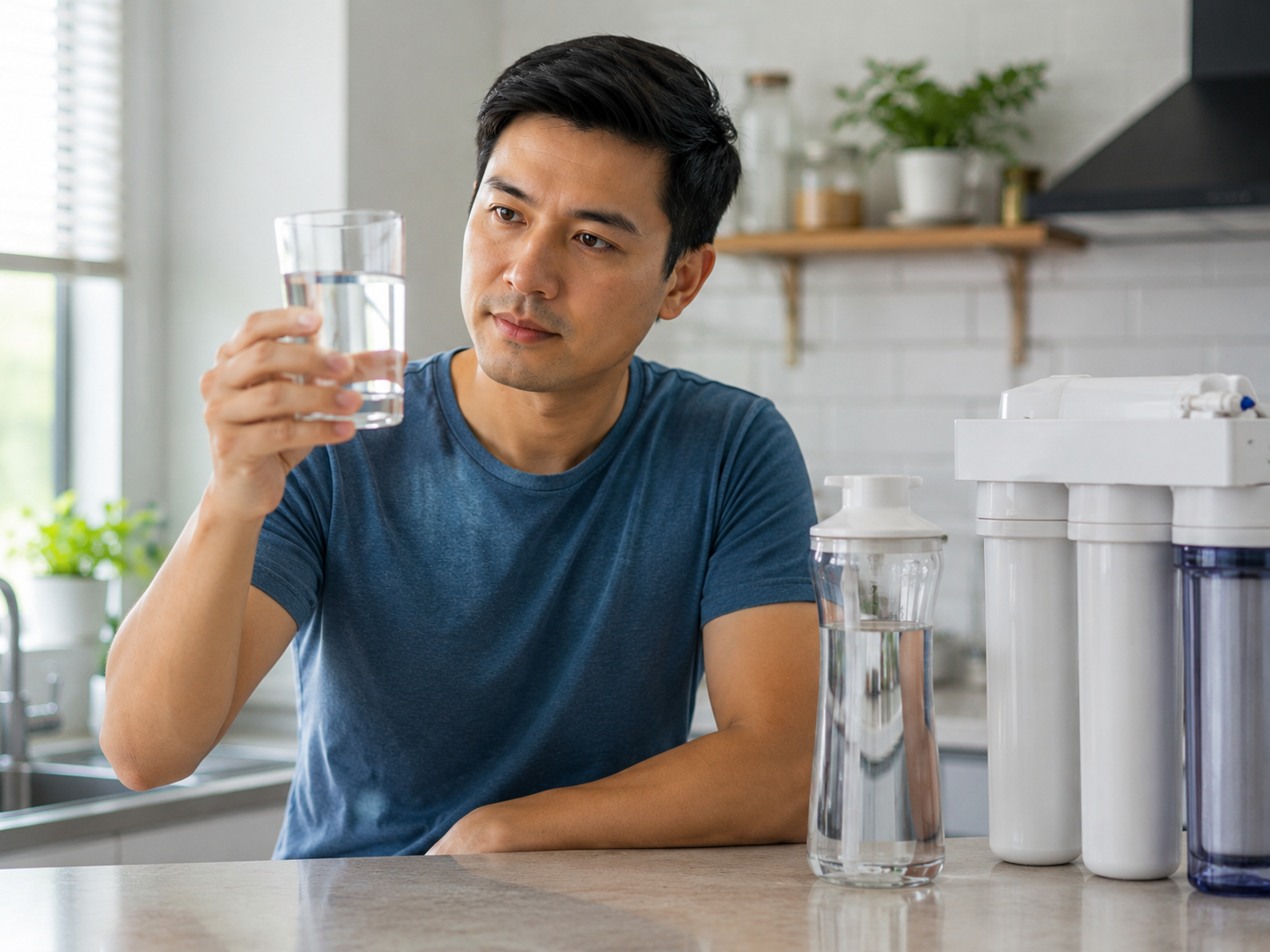
What’s really hiding in those old pipes
Your home’s plumbing could be a silent culprit, introducing contaminants even if the city’s water supply is pristine. Old lead pipes, common in homes built before the 1980s, can leach neurotoxic lead directly into your drinking glass. And it’s not just lead; copper pipes can corrode, adding unwanted metals. Plastic pipes, while not leaching heavy metals, can sometimes release microplastics or other chemical compounds, especially as they age or if exposed to heat. So, even if the water leaves the treatment plant clean, its journey to your faucet might be adding some unwelcome guests.
Why I don’t always trust the city report
Most municipalities publish annual water quality reports, and while these are a good starting point, they don’t tell the whole story. These reports usually reflect averages taken at the treatment plant or specific sampling points, not necessarily what’s coming out of your individual tap. And that’s a key distinction. The regulations themselves can be a bit slow to catch up with emerging contaminants. For instance, many “forever chemicals” like PFAS have only recently started gaining widespread regulatory attention, meaning they might not have been routinely tested for in older reports. Your city might be reporting within legal limits, but those limits don’t always reflect the latest science on health impacts, especially for vulnerable populations. Think about it: a city might test for 100 different compounds, but what about the other thousands of potential contaminants that aren’t on the list? They simply aren’t looking for them.

My take on the whole bottled water craze
You’ve probably seen the endless rows of bottled water at the grocery store, each promising purity and refreshment. It’s a massive industry, and honestly, it often feels like more marketing hype than actual health benefit, especially when you consider the options available for treating your own tap water. If you’re curious about the various types of water out there, 10 Types of Water and How to Choose Between Them offers a good overview.
The truth about “spring water” labels
“Spring water” sounds so idyllic, doesn’t it? Visions of crystal-clear streams bubbling up from pristine mountainsides often come to mind. But the reality can be a bit more… industrial. Many brands bottle water that comes from a spring, yes, but it might then undergo significant processing, including filtration and disinfection, before it ever reaches you. You’re not necessarily getting water straight from the source with all its natural minerals intact. Sometimes, it’s just municipal water that’s been treated and then had minerals added back in – a bit of a marketing sleight of hand.
Why plastic bottles are a huge no-no for me
The environmental impact of single-use plastic bottles is undeniable and genuinely alarming. Millions of these bottles end up in landfills or polluting our oceans, taking hundreds of years to decompose. That’s a legacy none of us want to leave. Beyond the visible pollution, there’s a more insidious problem: microplastics. These tiny plastic particles can leach into the water, especially when bottles are exposed to heat or sit for extended periods. Research is ongoing, but the idea of regularly ingesting microscopic plastic fragments with my water is something I actively try to avoid. You don’t want these accumulating in your system; it’s a serious long-term health concern we’re only just beginning to understand.
Let’s find a filter that actually works
Why cheap pitchers won’t cut it
You’ve probably seen those inexpensive pitcher filters, right? They’re super convenient and widely available, but here’s the honest truth: most of them are designed to improve taste and odor, not to remove the really concerning stuff. They might make your water taste a bit better by reducing chlorine, but they’re often not equipped to tackle heavy metals, pesticides, or pharmaceuticals.
Think about it – a basic carbon filter just isn’t engineered for that level of purification. You’re imperatively getting a cosmetic fix for your water, which is fine if taste is your only concern, but it leaves you vulnerable to a host of other potential contaminants.
Reverse osmosis is the real deal
If you’re serious about water quality, reverse osmosis (RO) systems are what you should be looking at. These systems use a semi-permeable membrane to literally strip out almost everything from your water, including dissolved solids, chemicals, and even microorganisms. It’s a much more thorough process than what you’ll get from a pitcher filter, giving you genuinely pure H2O.
The water produced by an RO system is incredibly clean, often purer than most bottled waters you’d buy at the store. You’re looking at a significant reduction in everything from lead and arsenic to fluoride and nitrates – contaminants that many other filters simply can’t handle effectively.
These systems typically involve multiple stages of filtration, often starting with sediment and carbon filters to protect the delicate RO membrane, followed by the membrane itself, and sometimes a final polishing filter. This multi-stage approach ensures that your water goes through a comprehensive purification process, leaving you with water that’s not just good-tasting, but truly exceptionally clean and safe.
What’s the deal with alkaline and mineral water?
Honestly, you might be overpaying for pH
You’ve seen the marketing: sleek bottles promising a higher pH and a host of health benefits. But here’s the honest truth – your body is incredibly good at regulating its own pH. Your stomach acid is already super acidic, around a pH of 1.5 to 3.5, and it’s designed to neutralize whatever you throw at it. So, that slightly alkaline water? It’s likely getting a swift pH adjustment the moment it hits your stomach.
Many brands simply add electrolytes or minerals to achieve that higher pH, which isn’t necessarily a bad thing, but it’s often not worth the premium price tag. In fact, when I Tried 22 Popular Bottled Water Brands, and This Is the …, some of the most expensive alkaline options didn’t even taste the best. You’re often paying for clever marketing, not a scientifically proven health boost.
Getting the good minerals back in
Filtered water, especially if you’re using reverse osmosis, can sometimes strip away beneficial minerals along with the contaminants. These aren’t just for taste; minerals like magnesium, calcium, and potassium play important roles in your body’s functions, from nerve transmission to muscle contraction. So, while you’re getting pure water, you might be missing out on some natural goodness.
One simple way to reintroduce these is through mineral drops specifically designed for drinking water. They’re usually concentrated and you just add a few drops to your glass, giving your water a subtle boost without overwhelming the taste. Alternatively, some advanced water filters now incorporate a remineralization stage, adding a balanced blend of beneficial minerals back into the water after purification. This ensures you’re getting clean water that’s also nutritionally sound, striking a nice balance between purity and natural content.
How to test your water without being a scientist
You don’t need a lab coat and a microscope to get a good idea of your water quality. Many simple, affordable methods can give you a clear picture of what’s flowing from your tap.
Understanding these basic tests can help you decide if further investigation or a filtration system is necessary for your home.
Simple kits that don’t cost a fortune
Home testing kits are readily available online and at hardware stores, and they’re surprisingly accurate for common contaminants. These kits often use color-changing strips or vials to indicate the presence of things like chlorine, lead, nitrates, and even some pesticides.
Just dip the strip or add a few drops of water, wait a specified time, and compare the color to a chart provided in the kit. It’s really that straightforward to check for several common issues.
Signs that your water is seriously gross
Sometimes, your senses are the best first line of defense. If your water looks, smells, or tastes off, that’s a pretty strong indicator something’s amiss.
A sudden change in any of these characteristics should prompt immediate concern and investigation. Don’t ignore these red flags.
For example, cloudy or discolored water can signal anything from sediment to rust from old pipes, or even bacterial growth. A strong chlorine smell might mean your municipality is over-treating, but an earthy or rotten egg smell often points to sulfur bacteria, which isn’t just unpleasant but can also suggest other issues in your plumbing. And if it tastes metallic, you could have high levels of iron or copper, possibly from corroding pipes, which can be harmful over time.
Can we stay hydrated without ruining the planet?
You’re probably wondering, “What’s the healthiest type of water to drink?” and how that ties into environmental impact, right? It’s a fair question, and one that many are asking. We all want to do our part, but staying hydrated is, well, pretty crucial. The good news is that you absolutely can hydrate responsibly. It often comes down to making conscious choices about where your water comes from and how you carry it. Check out what people are saying over on What’s the healthiest type of water to drink? : r/HydroHomies for some great discussions.
Why I’m switching back to glass
Plastic water bottles, even the “BPA-free” ones, still concern me. There’s growing evidence about microplastics leaching into our water, and frankly, that’s not something I want to be ingesting regularly. Glass, on the other hand, is inert. It doesn’t leach anything into your drink, meaning your water tastes exactly as it should – pure and clean. And while glass can break, the peace of mind knowing you’re not consuming microplastics is worth the extra care.
The best reusable bottles on the market
Finding a good reusable bottle means considering a few things: material, insulation, and how easy it is to clean. You want something that fits your lifestyle, whether you’re hitting the gym or just keeping it on your desk. Stainless steel bottles are fantastic for insulation, keeping your water cold for hours, which is a huge plus on a hot day. Just be sure to pick one with a wide mouth for easy cleaning. Consider brands like Hydro Flask or Klean Kanteen; they’ve built a reputation for durability and excellent temperature retention. Many even offer different lid styles so you can customize your drinking experience, from straw lids to chug caps.
Final Words
You’ve got a lot of choices when it comes to drinking water, and it’s easy to feel overwhelmed. But armed with a little knowledge about your local water quality, and perhaps a good filter, you can make informed decisions. Don’t just settle for what’s convenient; your health is worth a bit of investigation.
Making a conscious choice about your water really does make a difference, not just for you, but for the planet too. You’re aiming for hydration that feels good and does good. It’s a journey, not a destination, and you’re now better equipped to take those next steps.
FAQ
Q: How do I know if my tap water is safe to drink?
A: The first step is always to check your local water quality reports. These are usually available online through your municipal water provider and give you a detailed breakdown of what’s in your water, including contaminants and their levels. It’s a great starting point.
You can also invest in a home water testing kit for a more personalized assessment. These kits test for common issues like lead, chlorine, hardness, and sometimes even bacteria. For a really thorough analysis, consider sending a sample to a certified lab; they can identify a much wider range of potential problems that a home kit might miss.
Q: Is bottled water a healthier alternative to tap water?
Not necessarily, and it’s a common misconception. While some bottled waters might taste different, many are simply filtered tap water. The regulations for bottled water can sometimes even be less stringent than those for municipal tap water, depending on where you are.
Plus, you have to consider the environmental impact of all those plastic bottles, not to mention the cost. For most people, a good home filtration system provides water that’s just as, if not more, pure and is far more sustainable and economical in the long run.
Q: What should I look for when buying a water filter?
Always check for certifications from independent organizations like NSF International or the Water Quality Association (WQA). These certifications mean the filter has been tested and verified to reduce the contaminants it claims to. It’s not just marketing hype.
You’ll also want to consider the specific contaminants you’re trying to remove. If you have lead pipes, you need a filter certified for lead reduction. If your water tastes heavily chlorinated, a carbon filter will be effective. Don’t forget about flow rate and filter lifespan either; a slow filter or one that needs constant changing can be a real hassle.
Q: How often should I change my water filter?
This really depends on the type of filter and your water usage. Most manufacturers provide a guideline, like every three or six months for pitcher or faucet filters, or perhaps annually for some under-sink systems. Ignoring these recommendations means your filter will become less effective over time as it gets saturated with contaminants.
An old filter can even start to release trapped particles back into your water, making it worse than if you hadn’t filtered it at all. So, mark your calendar or set a reminder on your phone – it’s a small task that makes a big difference for your water quality.
- July 27, 2026
- Benefits