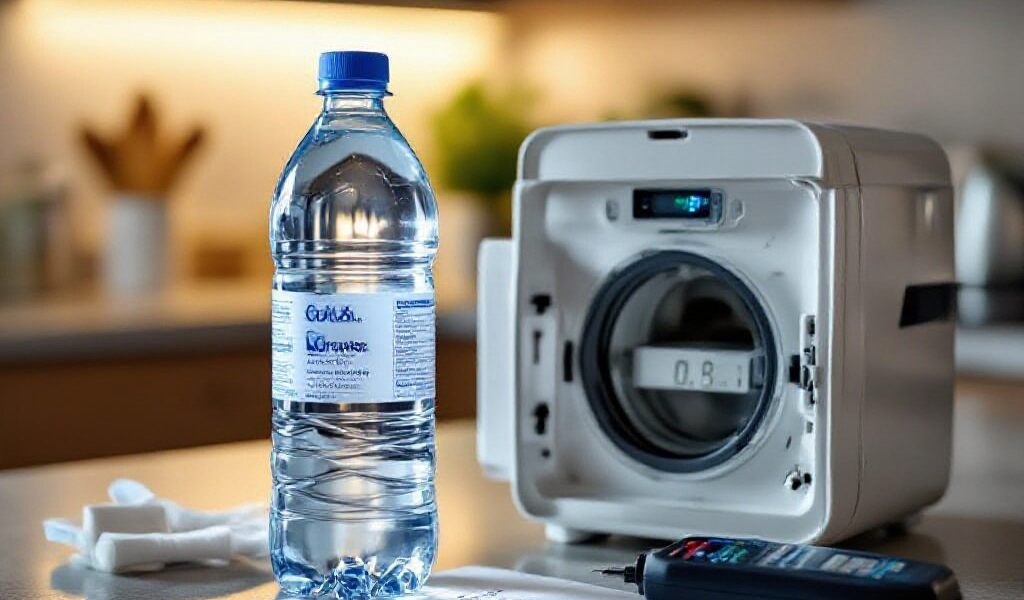
Quality water is paramount for your well-being. You might assume your tap water is safe, but contaminants can pose a serious risk to your health. Pollutants like lead, bacteria, and pesticides can lead to digestive issues, neurological problems, and even cancer. Ensuring your water is clean offers numerous health benefits, supporting every bodily function. Reliable 5 gallon bottled RO water delivery ensures your family enjoys clean, purified drinking water every day, supporting better health and protecting you from common water contaminants.
Key Takeaways:
- Contaminants in drinking water, even at low levels, can contribute to chronic health issues like cancer, reproductive problems, and neurological disorders over time.
- Water quality directly impacts bodily functions; clean water supports nutrient absorption, waste elimination, and maintaining stable body temperature.
- Children, pregnant women, and individuals with compromised immune systems are particularly susceptible to the harmful effects of poor water quality due to their developing or weakened systems.
- Filtering your tap water or choosing bottled water can reduce exposure to common pollutants such as lead, chlorine, and agricultural runoff, improving overall health.
- Regular testing of private well water is important, and staying informed about local municipal water reports allows consumers to make informed decisions about their water sources.
Physiological Impacts of Contaminated Water
You might not immediately consider the water flowing from your tap a potential health hazard, but the reality is stark. Contaminated water can introduce a host of unwelcome guests into your system, triggering a cascade of physiological responses that range from immediate discomfort to severe, long-term health complications. Your body’s delicate balance is easily disrupted by impurities.
These unseen threats can compromise your immune system, hinder nutrient absorption, and even damage cellular structures. Understanding these impacts is key to appreciating why safe drinking water is not a luxury, but a fundamental requirement for your well-being. Choose convenient RO water delivery to enjoy consistently purified drinking water that supports better health and protects your body from harmful contaminants.
Acute Gastrointestinal and Systemic Infections
Many waterborne pathogens target your digestive system, causing acute gastrointestinal distress. You could experience symptoms like severe diarrhea, vomiting, and abdominal cramps, which quickly lead to dehydration and electrolyte imbalance. These infections, often caused by bacteria like E. coli or viruses such as Norovirus, can incapacitate you.
Other contaminants can lead to systemic infections, spreading beyond the gut. You might develop fevers, headaches, and body aches as your immune system fights off invaders like Salmonella or Giardia. Children, the elderly, and immunocompromised individuals face significantly higher risks from these immediate threats.
Chronic Exposure and Long-term Organ Toxicity
Prolonged consumption of water containing even low levels of certain contaminants presents a far more insidious danger. You might not notice immediate symptoms, but over time, these substances accumulate in your body, leading to chronic organ toxicity. This silent assault can impair the function of vital organs.
You risk damage to your liver, kidneys, and nervous system from sustained exposure to heavy metals like lead or mercury, or industrial chemicals. These toxins can disrupt cellular processes, leading to inflammation, tissue damage, and even an increased risk of certain cancers.
This long-term exposure can significantly impact your overall health, diminishing your quality of life and potentially shortening your lifespan. Your body’s natural detoxification pathways can become overwhelmed, making you more susceptible to disease and reducing your ability to recover from illness. The cumulative effect of these contaminants is a serious concern, often manifesting years after initial exposure.
The Importance of Pure Water for Cellular Function
Your body’s cells are tiny powerhouses, each performing countless reactions that sustain life. This intricate cellular machinery relies heavily on the quality of the water you consume. Pure water ensures these microscopic processes occur without interference from harmful contaminants.
Cells cannot function optimally without adequate hydration. Every metabolic pathway, from energy production to protein synthesis, depends on water as a solvent and a reactant.
Facilitating Nutrient Transport and Waste Elimination
Nutrients travel throughout your body dissolved in water. Water acts as the primary medium for transporting crucial vitamins, minerals, and glucose to every cell, ensuring they receive the fuel needed for proper operation.
Waste products generated by cellular metabolism, such as urea and lactic acid, are also carried away by water. Impurities in your drinking water can hinder this vital elimination process, allowing toxins to accumulate and potentially damage your cells.
Maintaining Electrolyte Balance and Metabolic Stability
Electrolytes, like sodium, potassium, and chloride, are dissolved in your body’s water and carry electrical charges crucial for nerve and muscle function. Maintaining their precise balance is paramount for overall health.
Metabolic stability, the consistent performance of all chemical reactions in your body, is directly impacted by water quality. Contaminated water can disrupt these delicate balances, leading to cellular dysfunction and potentially serious health issues.
Pure water allows your body to precisely regulate the concentration of these electrolytes, which is critical for nerve impulses, muscle contractions, and maintaining appropriate fluid levels within and around your cells. When you drink water with undesirable impurities, your body expends extra energy attempting to filter and neutralize these substances, potentially straining organs like your kidneys and liver and making it harder to maintain this crucial internal equilibrium.
Vulnerable Demographics and Specific Health Risks
Your susceptibility to waterborne illnesses or contaminants isn’t uniform across all age groups or health conditions. Certain populations face a significantly higher risk from poor water quality, experiencing more severe and lasting health consequences. Understanding these vulnerabilities underscores The Importance of Water Quality Assurance and Your Health.
Protecting these groups requires a proactive approach to water safety. Contaminated water can exacerbate existing health issues and introduce new, serious threats, making diligent monitoring and treatment paramount for everyone’s well-being.
Developmental Implications for Infants and Children
Infants and young children are exceptionally vulnerable to water contaminants due to their developing immune systems and smaller body mass. Even low levels of toxins can have a disproportionately large impact on their health.
Their rapid growth and high fluid intake relative to body weight mean they absorb more contaminants. This can lead to developmental delays, neurological damage, and chronic health problems that persist into adulthood.
Risks to Immunocompromised and Elderly Populations
Individuals with weakened immune systems, whether from illness or medication, are at an increased risk of severe infections from waterborne pathogens. Their bodies struggle to fight off bacteria and viruses that a healthy individual might easily overcome.
Older adults often have compromised immune systems and pre-existing health conditions, making them highly susceptible to the adverse effects of contaminated water. They can experience prolonged illness, hospitalizations, and even fatalities from exposures that might only cause mild discomfort in younger, healthier individuals.
Compromised immune function in these groups means that even common waterborne pathogens, such as *Cryptosporidium* or *Giardia*, can lead to life-threatening conditions. Their bodies may lack the ability to mount an effective defense, resulting in persistent infections, severe dehydration, and organ damage.
Global and Local Regulatory Safety Standards
You might wonder how drinking water quality is assured on a broader scale. Governments worldwide establish stringent regulations to protect public health, setting limits for contaminants and mandating treatment processes. These global standards are often adapted and strengthened by local authorities, reflecting specific regional challenges and water sources.
These regulatory frameworks are designed to minimize your exposure to harmful substances. Different countries and even different states within a country can have varying acceptable levels for certain chemicals, creating a complex but generally protective web of oversight.
The Role of the EPA and the Safe Drinking Water Act
In the United States, the Environmental Protection Agency (EPA) plays a central role in safeguarding your drinking water. The Safe Drinking Water Act (SDWA), passed in 1974, is the cornerstone of these protections, authorizing the EPA to set national health-based standards for drinking water to protect against both naturally occurring and man-made contaminants.
The EPA works tirelessly to ensure that public water systems meet these strict standards. They monitor water quality, enforce regulations, and provide guidance to states and local water providers, ultimately aiming to deliver clean and safe water directly to your tap.
Decoding Consumer Confidence Reports (CCR)
You receive a Consumer Confidence Report (CCR) annually from your local water utility. This document is a powerful tool for understanding your water quality, detailing where your water comes from, what contaminants have been detected, and whether your utility is meeting regulatory standards.
This report helps you make informed decisions about your water consumption. You can find information about potential health effects of detected contaminants and learn about any violations, giving you the transparency you deserve regarding your water supply.
The CCR provides a detailed snapshot of your water’s journey from source to tap, including any detected levels of lead, nitrates, or other regulated substances. If any contaminant levels exceed the maximum allowed, the report will explain the potential health risks and what actions your water utility is taking to address the issue, ensuring you are fully aware of your water’s safety.
Proactive Measures for Water Quality Management
Protecting your health from waterborne contaminants demands a proactive approach to water quality. You can significantly reduce potential risks by understanding your water source and implementing smart management strategies, ensuring the water you consume is consistently safe and pure.
Taking control of your water quality means being informed and prepared. You are responsible for safeguarding your well-being, and adopting these measures will provide peace of mind knowing your drinking water meets high standards.
Evaluating Domestic Filtration and Purification Systems
Selecting the right filtration system for your home requires careful consideration of your specific water issues. You should identify common contaminants present in your supply to choose a system that effectively targets them, providing cleaner, safer water for your household.
Different systems offer varying levels of purification, from simple activated carbon filters to complex reverse osmosis units. You will find that understanding the technology behind each option helps you make an informed decision about the best investment for your family’s health.
Routine Testing Protocols for Private Well Owners
Regularly testing your private well water is absolutely crucial for your safety. You should establish a consistent testing schedule to monitor for bacteria, nitrates, and other potential contaminants that can fluctuate with environmental changes.
Understanding the specific tests needed for your region and well type will help you protect against unseen dangers. You are responsible for ensuring your well water remains safe for consumption year-round, preventing serious health issues.
Your local health department or a certified laboratory can provide guidance on what specific contaminants to test for, often recommending annual checks for coliform bacteria and nitrates, and more frequent testing if you notice changes in water taste, odor, or clarity. You might also consider testing for lead, pesticides, or arsenic depending on your well’s location and surrounding land use, as these can pose significant health risks if left undetected.
To wrap up
Following this discussion, you understand that the water you drink directly impacts your well-being. Consuming contaminated water exposes you to bacteria, viruses, and chemicals that can cause immediate illness and long-term health problems. Protecting yourself involves being aware of your water source and taking steps to ensure its purity.
Your daily water intake is a cornerstone of good health, influencing everything from digestion to cognitive function. Opting for clean, safe drinking water supports your body’s systems, helping them operate efficiently. Making informed choices about your water quality is a simple yet profound way to invest in your personal health.
FAQ
Q: Why is consistent access to clean drinking water so important for the human body?
A: The human body relies on water for almost every biological process. Water transports nutrients to cells, regulates body temperature, lubricates joints, and helps flush waste products from the system. Consistent access to clean water ensures these functions operate efficiently. Dehydration, even mild, can impair cognitive function, reduce physical performance, and strain organs. Long-term consumption of contaminated water, on the other hand, introduces harmful substances that can accumulate and cause chronic health issues, ranging from digestive problems to kidney damage and neurological disorders.
Q: What types of contaminants can be found in drinking water and how do they impact health?
A: Drinking water can harbor a variety of contaminants, each posing different health risks. Microbial contaminants, such as bacteria and viruses from sewage, cause immediate gastrointestinal illnesses like diarrhea and vomiting. Chemical contaminants include heavy metals like lead and arsenic, which can leach from pipes or occur naturally in the environment. Lead exposure is particularly harmful to children, affecting brain development. Pesticides and industrial chemicals, if present, can disrupt endocrine systems and increase cancer risks over time. Pharmaceutical residues and microplastics are emerging concerns, with their long-term health effects still under study, but they represent another layer of potential toxicity in the water supply.
Q: How does water hardness or softness affect daily health and household systems?
A: Water hardness refers to the concentration of dissolved minerals, primarily calcium and magnesium. Hard water is not typically a health risk; some studies even suggest a potential benefit from the mineral intake. However, hard water causes mineral buildup in pipes and appliances, reducing their efficiency and lifespan. It also makes soap less effective, leading to dry skin and hair for some individuals. Soft water, with fewer minerals, does not cause scale buildup and allows soap to lather easily. Some soft water systems use sodium in the softening process, which could be a consideration for individuals on sodium-restricted diets. The primary health impact of water hardness is indirect, affecting skin and hair health or the efficiency of household systems rather than direct toxicity.
Q: What are the potential long-term health consequences of consuming water with low-level chemical contaminants?
A: Consuming water with even low levels of chemical contaminants over an extended period can have significant long-term health consequences. Many chemicals, like certain pesticides or industrial byproducts, are carcinogens, meaning they increase the risk of cancer after prolonged exposure. Others are endocrine disruptors, interfering with hormone function and potentially affecting reproductive health, metabolism, and development. Heavy metals, even in small amounts, can accumulate in the body’s tissues and organs, leading to neurological damage, kidney disease, or bone problems over decades. The body’s ability to detoxify these substances can be overwhelmed, leading to a gradual decline in health that may not manifest with immediate symptoms.
Q: What steps can individuals take to ensure the quality of their drinking water at home?
A: Individuals have several options for improving their home drinking water quality. First, checking local water quality reports, often available from municipal water providers, provides insight into common contaminants in the area. Testing well water annually is important for private well owners. Installing a water filter is a practical step; options range from simple pitcher filters for taste and odor to whole-house filtration systems that address a wider array of contaminants. Boiling water is an effective emergency measure against microbial contamination. Replacing old lead pipes, if present in the home, eliminates a significant source of lead exposure. Staying informed about water advisories and maintaining plumbing systems also contributes to safer drinking water.
- March 11, 2026
- 2
- Health