Key Takeaways:
- You might think all bottled water is pretty much the same, but mineral water actually comes from underground sources, naturally protected, so it’s got a consistent mix of minerals. It’s not just tap water filtered and bottled, you know?
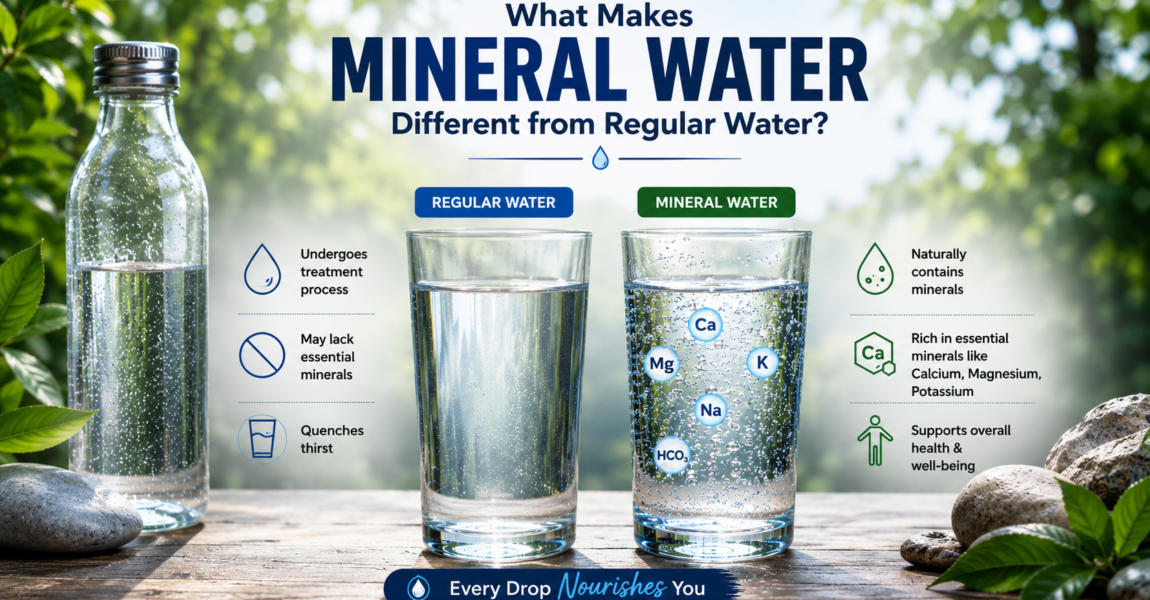
- The big deal with mineral water is its unique “terroir,” kinda like wine. The specific rocks and soil it flows through give it a distinct mineral profile – stuff like magnesium, calcium, and potassium. This isn’t just added in; it’s naturally occurring from the earth.
- Unlike regular bottled water, which can be treated and have minerals added or removed, mineral water has to maintain its original composition. The taste and health benefits really come from that untouched, natural mineral content.
- Those natural minerals in mineral water aren’t just for show; they can actually help your body. Things like calcium for bones, magnesium for muscle function, and even bicarbonates for digestion – it’s all there, straight from the source.
- And here’s the thing: because of its natural origins and untouched mineral profile, mineral water has a really distinct taste. It’s not just “plain water”; its unique mineral balance gives it a specific mouthfeel and flavor that regular processed water just can’t replicate.
What’s actually in that bottle anyway?
You might think all bottled water is pretty much the same, right? Just H2O in a fancy container. But when you grab a bottle of mineral water, you’re getting something genuinely different – a natural blend of elements that plain tap water just can’t compete with, giving it a unique taste and potential health benefits.
It’s not just about filtering out impurities; mineral water comes with its own distinct fingerprint of dissolved solids. These aren’t added in a lab; they’re naturally occurring, picked up on the water’s long journey underground, which makes all the difference in its composition and character. Choose gallon mineral water for your home or office and enjoy refreshing hydration with naturally dissolved minerals that give every sip a cleaner, richer taste than regular water.
So, what exactly are these “minerals” everyone talks about? They’re inorganic substances like magnesium, calcium, potassium, and sodium, all naturally dissolved into the water as it flows through rocks and soil. The specific types and concentrations of these minerals give each brand of mineral water its own distinct flavor profile and even its reported health advantages.
Think of it like this: your body needs these elements, and mineral water provides them in a readily absorbable form. You’re not just hydrating; you’re also potentially topping up on some of those imperative micronutrients that are important for everything from bone health to muscle function.
Where this water’s been hiding
This special water doesn’t just appear from a tap. It originates from protected underground sources, often deep within geological formations, untouched by surface pollution. This isolation is crucial for maintaining its purity and mineral integrity, which is why these sources are carefully monitored and regulated.
The journey itself is what makes it unique. As the water slowly percolates through layers of rock and earth, it naturally filters itself, picking up those beneficial minerals along the way. This long, natural process means the water you drink has been underground for a significant amount of time, sometimes hundreds or even thousands of years, developing its distinctive character.
Imagine water slowly seeping through ancient limestone, volcanic rock, or granite, dissolving tiny bits of calcium, magnesium, and other elements as it goes. This underground odyssey, often lasting decades or centuries, is what imbues mineral water with its unique and consistent composition, making it truly a product of its geological environment. Enjoy refreshing hydration anytime with 250ml mineral water, packed with naturally occurring minerals that make mineral water taste cleaner and more refreshing than regular water.
Let’s talk about the taste test
You’ve probably noticed it, right? That subtle-yet-distinct difference when you sip a glass of mineral water compared to what comes out of your tap. It’s not just in your head; those dissolved minerals and trace elements truly do create a unique flavor profile. You can even find out more about what is the difference between tap water, spring water and … if you’re curious.
Think about it this way: each mineral water brand is like a tiny geological snapshot, reflecting the rocks and soil it’s filtered through. This natural filtration process gives each bottle its own signature taste, something you just don’t get with regular purified water.
Why some bottles taste a bit funky
Sometimes, you might open a bottle and get a taste that’s a little… off. This isn’t necessarily a bad thing, but it often points to a higher concentration of certain minerals, like sulfur or magnesium. Too much of these can create a slightly bitter or even metallic aftertaste.
It’s also worth considering how the water was stored before it reached you. Exposure to sunlight or fluctuating temperatures can sometimes affect the delicate balance of minerals, subtly altering the taste. Always check the expiration date and storage recommendations on the bottle.
My take on that “earthy” vibe
That “earthy” taste many people describe? It’s often a sign of naturally occurring bicarbonates and calcium, which are fantastic for you! These minerals aren’t just good for your body; they also contribute to a smoother, almost creamy mouthfeel that some people absolutely love.
You might even find that some mineral waters have a slight alkalinity, which can give them a softer, less acidic finish. This can be a real game-changer for people who find regular tap water a bit harsh.
This isn’t just about taste; it’s about connecting with nature in a very direct way. When you taste that “earthy” note, you’re experiencing the very essence of the geological formations the water traveled through – a truly unique and healthy experience.
Is it actually better for your health?
You’ve probably heard the buzz about mineral water’s health benefits, and you’re wondering if it’s just clever marketing or if there’s real science behind the claims. Many people swear by it for everything from better digestion to improved skin, and you might be curious if it could do the same for you. The truth is, the unique blend of minerals found in natural mineral water can offer some distinct advantages over your typical tap water, but it’s not a magic bullet.
Considering how much we focus on what we eat, it makes sense to also think about what we drink. Your body needs more than just hydration; it thrives on important minerals. While regular filtered water is good, it often lacks these valuable elements. Mineral water, on the other hand, comes straight from the earth with its mineral content intact, potentially giving you a beneficial boost.
What those minerals are doing for you
These naturally occurring minerals aren’t just for show – they play critical roles in your body’s daily functions. Think about calcium; it’s not just for strong bones, but also helps with muscle function and nerve signaling. Magnesium, another common mineral, helps regulate blood sugar, blood pressure, and even aids in protein synthesis.
Potassium, often found in mineral water, is important for maintaining fluid balance and healthy blood pressure. You’re giving your body a direct supply of these elements, which can sometimes be hard to get enough of through diet alone. A steady intake of these minerals can support overall cellular health and keep things running smoothly.
Why your gut might thank you
Your digestive system is a complex ecosystem, and mineral water can be a surprisingly helpful friend to it. Some mineral waters contain sulfates, which act as natural laxatives, gently encouraging bowel regularity. This can be a real relief if you sometimes struggle with constipation.
Other minerals, like bicarbonates, can help neutralize stomach acid, potentially easing indigestion and heartburn. You’re importantly providing a gentler environment for your stomach and intestines to work in. A happy gut often means a happier you, reducing discomfort and promoting better nutrient absorption.
The balance of electrolytes in mineral water can also play a role in maintaining proper hydration at a cellular level, which is fundamental for digestive health. When your cells are adequately hydrated, they function more efficiently, from absorbing nutrients to expelling waste. This can lead to a more comfortable and predictable digestive experience, making mineral water a simple yet effective addition to your daily routine if gut health is something you’re actively working on.
Honestly, is it worth the extra money?
You’re probably wondering if shelling out more for mineral water is actually worth it when tap water is practically free. Well, when considering your health, some sources suggest that Is drinking Mineral Water good for you? is a question with a nuanced answer, often pointing to the naturally occurring electrolytes and minerals that regular tap water might lack. You might find its unique mineral profile offers a different kind of hydration.
Ultimately, your personal health goals and taste preferences play a big role here. If you’re looking for a specific mineral boost or just prefer the taste, then it might feel like a good investment. But for everyday hydration, you’ve got other options.
Why it’s way more pricey than tap
So, why does mineral water cost so much more than what comes out of your faucet? The journey from a pristine underground source to your bottle involves quite a few steps, often starting with sourcing from specific, protected springs. This isn’t just about bottling water; it’s about preserving the natural purity and mineral composition.
Then, there’s the processing, bottling, and transportation – all adding to the final price tag. Tap water, on the other hand, benefits from large-scale municipal systems designed for efficiency and broad distribution, keeping costs incredibly low for consumers.
When you should just stick to the faucet
When is it totally fine to just go with tap water? Most days, for most people, tap water is perfectly adequate, providing all the hydration you need without any fuss. If you’re just looking to quench your thirst and aren’t chasing specific mineral benefits, your kitchen faucet is your best friend.
You shouldn’t feel pressured to buy bottled water for basic hydration, especially if your local tap water quality is good. It’s a convenient, environmentally friendlier, and budget-conscious choice for daily consumption.
Your local tap water, especially in many developed areas, undergoes rigorous treatment and testing to meet strict safety standards. You can usually find reports on your municipality’s water quality online, giving you peace of mind about what you’re drinking. For general thirst and everyday use, tap water is often the most sensible and sustainable option.
What’s the deal with the bubbles?
You’ve probably noticed some mineral waters have a bit of a fizz to them, right? This isn’t just for show; it’s another key difference when you compare mineral water vs spring water. The presence of these bubbles can tell you a lot about the water’s journey and its composition.
It really comes down to how those carbonation levels are achieved. Some waters are naturally sparkling, picking up carbon dioxide as they travel underground, while others get their fizz added later.
Naturally fizzy vs the fake stuff
Some mineral waters bubble up straight from the earth, already effervescent. This natural carbonation happens when the water interacts with volcanic gases or specific mineral deposits deep underground, dissolving carbon dioxide and creating that characteristic sparkle. It’s a completely natural process, untouched by human intervention.
Other bottled waters, however, have carbon dioxide *added* during the bottling process. This is often the case with purified or spring waters that aren’t naturally carbonated. You’re importantly getting regular water with some added fizz, which is a different experience entirely from truly natural sparkling mineral water.
Why your stomach might care
That natural carbonation in some mineral waters can actually make a difference for your digestive system. The dissolved carbon dioxide might aid in digestion for some people, helping to settle the stomach after a meal or even easing feelings of nausea. It’s a subtle effect, but noticeable for those who are sensitive.
You might find that the gentler, natural fizz of certain mineral waters is much easier on your stomach than the harsher, artificially carbonated drinks. The bubbles in soda, for example, are often much more aggressive and can lead to bloating or discomfort for many individuals.
The dissolved minerals themselves, combined with the natural carbonation, can create a unique alkaline environment in your stomach. This can potentially help neutralize excess stomach acid, leading to a feeling of relief for those prone to indigestion or heartburn. So, it’s not just about the bubbles, but the whole package working together.
The real mess with plastic bottles
You’ve probably noticed the sheer volume of plastic bottles surrounding bottled mineral water. This convenience comes at a significant environmental cost, creating mountains of waste that take hundreds of years to decompose. Think about the journey each bottle makes, from production to your fridge, and then often straight to a landfill.
We’re talking about a global issue here, where the demand for bottled water, mineral or otherwise, fuels an unsustainable cycle. The impact on our oceans and natural habitats is becoming increasingly alarming, with microplastics finding their way into everything, even the very water we drink.
Why I think we need to be careful
Consider the energy expended to produce and transport these plastic containers. This process contributes to carbon emissions, impacting air quality and accelerating climate change. You might not think about it much, but every single bottle has a footprint.
Plastic itself, when exposed to heat or light, can leach chemicals into the water it holds. While research is ongoing, this raises questions about the long-term health implications of consuming water from plastic bottles regularly. It’s definitely something to keep in mind.
Better ways to get your mineral fix
Refillable glass bottles are a fantastic alternative, allowing you to enjoy mineral water without the plastic guilt. You can often find bulk mineral water at specialty stores, making it easy to fill up your own containers at home. This simple switch can make a big difference.
Another excellent option is investing in a good quality water filter for your tap water, then adding mineral drops. This allows you to control the mineral content and ensures you’re getting clean, delicious water without contributing to plastic waste. It’s a win-win situation, really.
You can also explore options like mineral water delivery services that use reusable glass bottles, which often get picked up and refilled by the company. Some companies even offer home carbonation systems where you can add minerals to your own sparkling water, giving you complete control and minimizing your environmental impact.
To wrap up
Taking this into account, you can see that mineral water isn’t just fancy bottled water. It brings a unique set of minerals and a distinct taste profile to the table, all thanks to its journey through underground rock formations. You’re getting a natural infusion of elements like magnesium, calcium, and potassium, which regular tap water just doesn’t consistently offer.
So, when you’re choosing your next drink, consider if you’re looking for the simple hydration of regular water or the added benefits and unique character that mineral water provides. It really comes down to what you’re hoping to get out of your water, doesn’t it?
FAQ
Q: What’s the biggest difference between mineral water and just plain tap water?
A: You know, when you think about it, the main thing that sets mineral water apart is where it comes from. We’re talking about natural springs, deep underground, where water flows over rocks and picks up all sorts of good stuff – minerals like magnesium, calcium, and potassium. Tap water, on the other hand, is usually sourced from rivers or reservoirs, then it gets treated and filtered to make it safe to drink. That process often strips out a lot of the natural minerals, or they just weren’t there in high concentrations to begin with. So, mineral water has this natural mineral profile that regular water just doesn’t.
Q: So, are those minerals actually good for you, or is it just a marketing thing?
A: Oh, they’re definitely good for you! Those minerals aren’t just for show. Calcium helps keep your bones strong, right? Magnesium plays a role in muscle function and nerve health. Potassium is super important for maintaining fluid balance. While you’re not going to get all your daily mineral needs from water alone, drinking mineral water can certainly contribute to your intake. It’s like a little bonus for your body, a natural way to top up some vital nutrients.
Q: Does mineral water taste different from regular water? I feel like it does sometimes.
A: You’re not imagining things, it absolutely does! The mineral content is the big reason for that. Depending on the specific minerals present and their concentrations, mineral water can have a distinct taste. Some might taste slightly salty because of sodium, others could have an earthy or even slightly sweet note due to calcium and magnesium. Tap water, after all its processing, tends to have a more neutral flavor, sometimes with a hint of chlorine depending on where you live. It’s a noticeable difference, and many people prefer the unique taste of mineral water.
Q: Is mineral water always sparkling, or can it be still too?
A: That’s a common misconception, actually! Mineral water can be both still and sparkling. The “sparkling” part just means carbon dioxide has been added, either naturally from the spring itself or through a process by the bottler. Many natural mineral waters are bottled as “still” water, meaning they don’t have those bubbles. So, if you’re looking for the mineral benefits without the fizz, you’ve got plenty of options. Just check the label, it’ll tell you if it’s still or sparkling.
Q: Why is mineral water usually more expensive than regular bottled water or tap water?
A: Well, a few things go into that price difference. First, there’s the source. Mineral water comes from specific, protected underground springs, and getting it from there to a bottle involves a more specialized process. There’s less intervention, sure, but it’s often about preserving that natural composition. Then you have the bottling and transportation, which can be more involved for a product sourced from unique locations. Regular bottled water might just be purified tap water, which is a lot cheaper to produce. You’re vitally paying for the natural origin, the mineral profile, and the specific taste experience when you buy mineral water.
- June 2, 2026
- Mineral Water