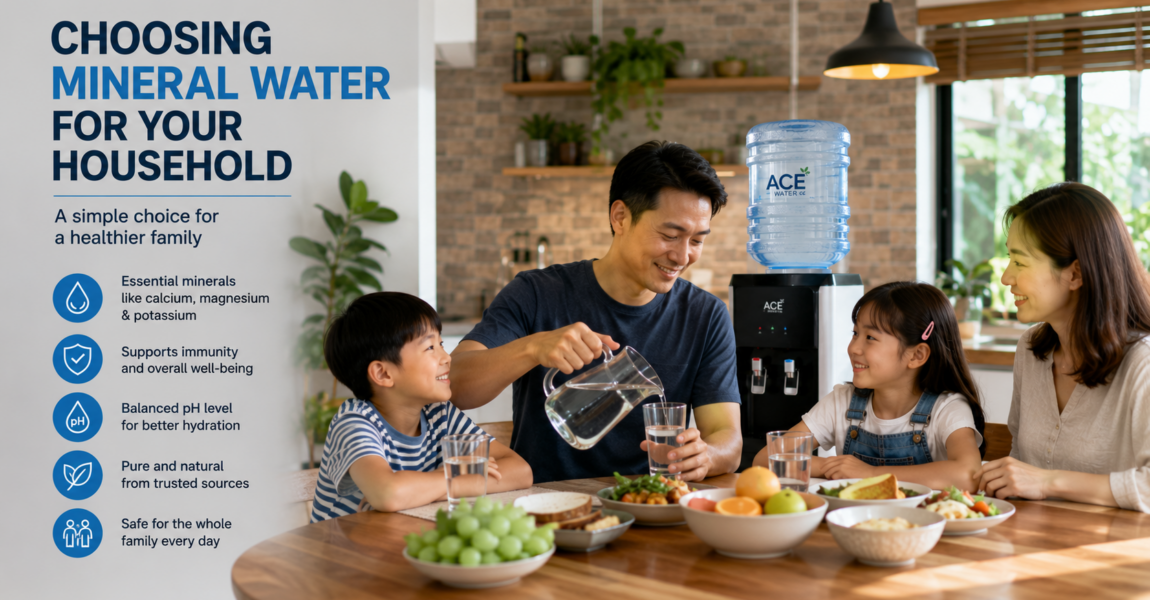
Just imagine pouring a glass of water that’s not only refreshing but also packed with beneficial minerals. You’re not just hydrating; you’re potentially boosting your well-being. But with so many options, how do you pick the best mineral water for your home, avoiding those that might be less than ideal or even detrimental to your health? Stay refreshed wherever you go with Desa 250ml Mineral Water—the perfect choice for your household, offering convenient, quality hydration that every family member can enjoy anytime, anywhere.
Key Takeaways:
- Not all mineral waters are created equal. You’ll find a vast difference in mineral content, taste, and even potential health benefits depending on the source, so a little research goes a long way.
- Don’t just grab the prettiest bottle. Always check the “Nutrition Facts” or “Mineral Analysis” label for things like magnesium, calcium, and bicarbonates – these are the good guys that give mineral water its unique properties.
- Total Dissolved Solids (TDS) is a key indicator. A higher TDS generally means more dissolved minerals, which can impact both the taste and the mineral contribution to your diet. Some people prefer a lower TDS for a “lighter” taste, others seek out higher levels for specific mineral intake.
- Taste is subjective, but it’s often a direct reflection of the mineral composition. If you’re sensitive to certain metallic or earthy notes, it’s likely due to specific minerals like iron or sulfur compounds present in the water. Try a few different brands to find what your palate prefers.
- Consider the environmental impact of your choice. Buying in bulk, opting for glass bottles, or exploring home water filtration systems that re-mineralize can help reduce plastic waste and your carbon footprint.
What’s actually in your bottle anyway?
You’re probably thinking, “Water is water, right?” Not quite. When you pick up a bottle of mineral water, you’re not just getting H2O; you’re getting a unique cocktail of dissolved solids, gases, and trace elements that give each brand its distinctive taste and potential health benefits. It’s a natural product, sourced from underground reservoirs, and its journey through various rock layers is what makes it special.
That journey is actually what infuses it with minerals like calcium, magnesium, and potassium. These aren’t just random additions; they’re naturally occurring elements that are absorbed as the water filters through different geological formations. Think of it like a slow, natural brewing process.
The minerals you’re really drinking
Calcium is a big one you’ll often see on the label, and it’s vital for strong bones and teeth. Many mineral waters offer a decent dose, making them a nice supplement to your diet, especially if you’re not a big dairy fan. It’s a natural way to get some of that goodness.
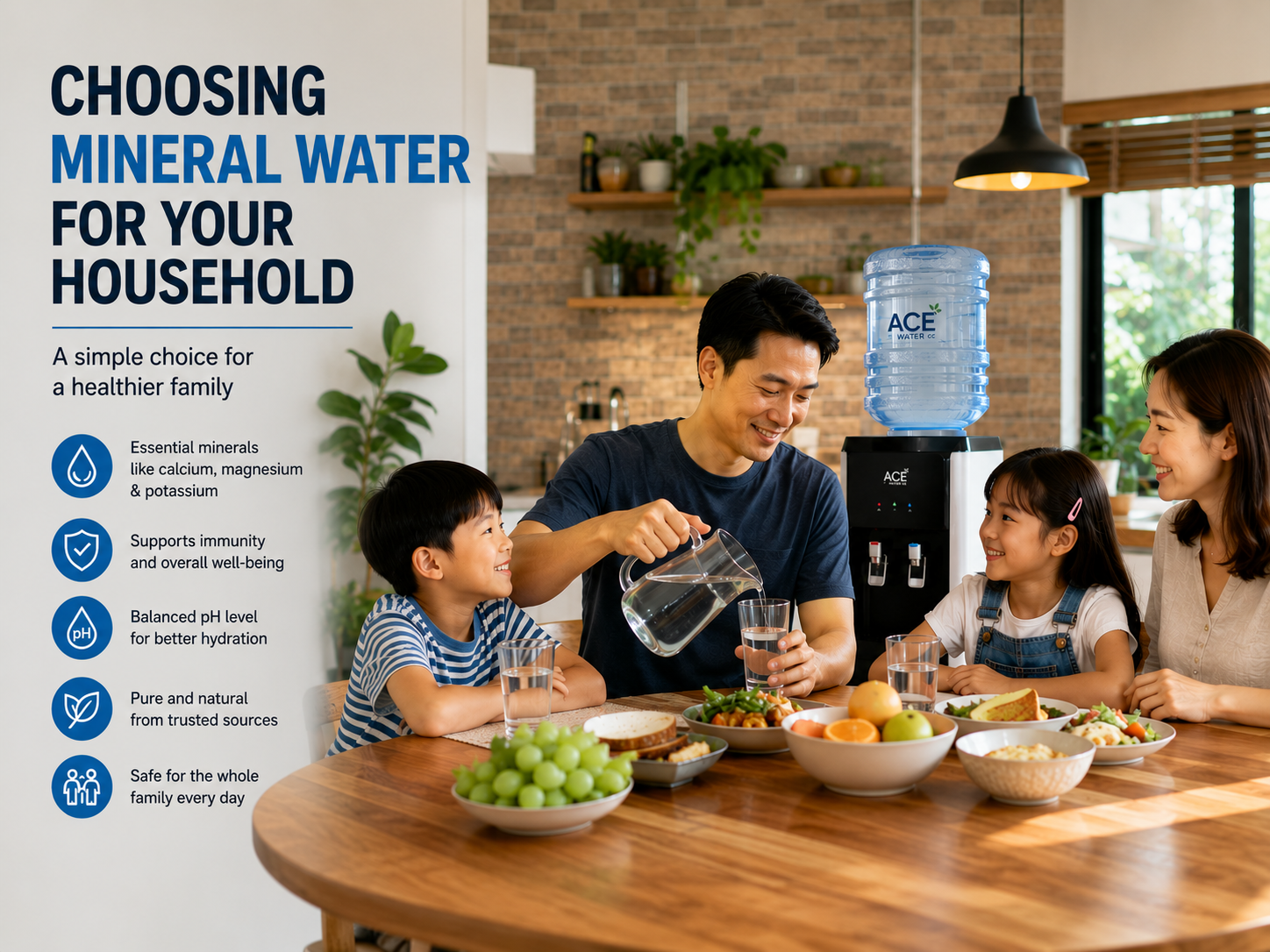
Magnesium is another common player, and it contributes to over 300 biochemical reactions in your body, from muscle and nerve function to blood glucose control. So, when you’re sipping on that sparkling water, you’re potentially giving your body a little boost of this important electrolyte. Keep your family hydrated with our convenient 19L bottled mineral water delivery, providing fresh, mineral-rich water straight to your home.
Why tap water isn’t always the best bet
While tap water is generally safe to drink in many places, it often undergoes significant treatment processes. These treatments, while effective at killing harmful bacteria and viruses, can strip the water of some of its naturally occurring minerals, leaving it tasting a bit flat or, worse, with a noticeable chlorine aftertaste. You might also find varying levels of hardness, depending on where you live.
Another factor is the plumbing in your home or even in older municipal systems. Lead can leach into tap water from old pipes, a serious health concern that no amount of boiling will fix. Even if your area has good water quality at the source, the journey to your faucet can introduce contaminants.
And let’s not forget about microplastics. Recent studies have shown that tap water, like bottled water, can contain tiny plastic particles, though the long-term health effects are still being researched. For some, the peace of mind that comes from a sealed bottle of mineral water, sourced from protected springs, is a significant draw.
Is high TDS actually a big deal?
You’ve probably seen “TDS” on a bottle – Total Dissolved Solids. It’s just a measure of all the minerals, salts, and organic matter dissolved in your water. High TDS isn’t inherently bad; in fact, many mineral waters are prized precisely for their rich mineral content, which contributes to their unique taste and potential health benefits. But when does it become an issue? Really high TDS can sometimes indicate a greater presence of less desirable compounds, or simply a taste profile that’s not to everyone’s liking. For example, municipal water regulations often set limits on TDS, not because it’s toxic, but because it can affect the water’s aesthetic quality – think scaling in pipes or a salty taste.
The real deal about magnesium and calcium
These two minerals are often the stars of mineral water, and for good reason! Calcium is important for strong bones and teeth, and magnesium plays a role in hundreds of bodily functions, from muscle contraction to nerve function. You’re actually getting a small, but often beneficial, top-up from your water. A good balance of these can even make water taste better, giving it a pleasant mouthfeel. Some studies even suggest that drinking water rich in magnesium and calcium could contribute to your daily intake, especially if your diet is lacking.
Why too much sodium isn’t great for the kids
While adults might enjoy the subtle salinity in some mineral waters, too much sodium isn’t ideal for children. Their developing kidneys are less efficient at processing large amounts of salt, and a high sodium intake can put unnecessary strain on their tiny systems. You really want to keep an eye on those labels for the little ones. Excess sodium can also contribute to issues like increased thirst and, in the long term, potentially affect blood pressure. So, for everyday hydration, especially for infants and toddlers, low-sodium mineral water is definitely the safer bet.
Seriously, why do some waters taste like pennies?
Ever noticed that metallic tang in your mineral water sometimes? It’s often due to a higher concentration of certain minerals, particularly iron or copper. While these elements are naturally occurring and generally harmless in small amounts, they can definitely affect the flavor profile, giving you that distinct “pennies” taste. You might want to check out Choosing the Best Type of Water to Drink for more insights. This isn’t necessarily a bad thing from a health perspective – in fact, some people actively seek out waters with a richer mineral content for potential health benefits. But if you’re not a fan of the flavor, it means that particular brand or source might not be the best fit for your palate. Different geological sources yield vastly different mineral compositions, so a water from the Alps will taste quite different from one sourced in the Rockies.
Finding a flavor your family won’t hate
So, how do you find a mineral water that everyone in your home will actually enjoy? It really comes down to experimenting. Start with brands known for a lower mineral content if you’re sensitive to strong flavors. These often have a lighter, cleaner taste that’s more broadly appealing. Consider blind taste tests with your family. Pour a few different brands into unmarked glasses and see which ones disappear first. You might be surprised by the preferences that emerge, and it’s a fun way to involve everyone in the decision.
Bubbles or no bubbles?
The great sparkling versus still debate rages on in many households. Still mineral water offers a clean, unadulterated taste that’s perfect for everyday hydration and won’t interfere with the flavors of food. It’s the classic choice for a reason. Sparkling mineral water, on the other hand, brings a refreshing effervescence that can be incredibly invigorating, especially on a hot day or as an alternative to sugary sodas. The bubbles can also enhance the perception of certain mineral notes, making the flavor profile feel more complex. Some sparkling waters have naturally occurring carbonation, meaning the bubbles come right from the source, while others are artificially carbonated. You’ll find that naturally sparkling waters often have finer, more persistent bubbles and a smoother mouthfeel, making them a premium choice for many connoisseurs.
How to stock up without trashing the planet
Glass vs plastic-what’s the move?
You’re probably wondering about the environmental impact of all those bottles, right? It’s a valid concern, and one we should all be thinking about. When you’re choosing between glass and plastic, glass is generally the more sustainable option because it’s endlessly recyclable without losing quality. Plus, you avoid any potential microplastic worries.
But glass is heavy, which means more fuel for transport, so it’s not a perfect solution. Recycled PET plastic is a better choice than virgin plastic, and many brands are moving towards this. Do your research and look for brands committed to using recycled materials, or better yet, opt for larger containers to reduce the number of individual bottles.
Buying in bulk to save some serious cash
Stocking up smart doesn’t just help the planet; it helps your wallet too. Buying mineral water in larger formats, like five-gallon jugs or multi-packs of bigger bottles, almost always works out cheaper per liter than grabbing single servings. You’ll see the savings add up quickly over time.
This approach means fewer trips to the store, which saves you gas and time. Think about it: a single large container can replace dozens of smaller ones, significantly cutting down on packaging waste and your overall cost. It’s a win-win for both your budget and the environment, especially when you consider the Drinking Water Types: Benefits, Safety, Recipes, and How … available.
Many local delivery services also offer bulk mineral water, often in reusable containers that they pick up and refill. This can be an incredibly convenient way to keep your household hydrated without accumulating a mountain of single-use plastics.
To wrap up
You’ve got a lot of choices when it comes to bringing mineral water into your home, and it really boils down to what you value most. Are you chasing specific mineral benefits, or is it more about a certain taste profile you enjoy? Think about your family’s needs, too – maybe you’re looking for something low in sodium, or perhaps you’re keen on a brand that focuses on sustainable packaging. The market’s rich with options, so take your time to explore.
Finding the right fit for your household means considering both the nutritional aspects and the environmental impact. You can support brands committed to eco-friendly practices, like using recycled materials or reducing their carbon footprint, which is a win-win. Ultimately, you’re looking for that sweet spot where quality, taste, and your personal values align perfectly.
FAQ
Q: How do I know if a mineral water has the right balance of minerals for my family?
A: You’ll want to check the mineral analysis on the bottle’s label. This usually lists key minerals like calcium, magnesium, and potassium, often in milligrams per liter (mg/L). A good starting point is looking for waters with a decent amount of calcium and magnesium, as these are often what people seek in mineral water for their potential health benefits.
For example, some popular brands might feature around 50-100 mg/L of calcium and 20-50 mg/L of magnesium. Your specific needs might vary, so if you have dietary restrictions or health concerns, it’s always smart to consult with a healthcare professional about mineral intake.
Q: Is there a difference in mineral content between sparkling and still mineral water?
A: Generally, the base mineral content of the water – whether it’s high in calcium, magnesium, or bicarbonates – doesn’t change just because it’s carbonated. The carbonation process adds carbonic acid, which creates the bubbles, but it doesn’t typically alter the naturally occurring mineral composition that was present in the still water source.
Sometimes, however, brands might add carbonation to a spring water that isn’t naturally carbonated, or they might even add specific minerals back in. Always check the label. If it says “naturally sparkling mineral water,” the fizz and minerals are straight from the source. If it says “sparkling natural mineral water” or “carbonated mineral water,” it means carbonation was added.
Q: Can mineral water replace tap water for all household uses, like cooking and making coffee or tea?
A: Store your mineral water in a cool, dark place, away from direct sunlight and strong odors. Sunlight can encourage algae growth in clear bottles and can also degrade the plastic over time, potentially leaching unwanted compounds into the water. Strong odors from things like cleaning supplies or even certain foods can actually permeate plastic bottles and affect the water’s taste.
Keeping it at a consistent, cooler temperature – not necessarily refrigerated, but away from heat sources – helps preserve its crisp taste. And once opened, it’s best to consume it within a few days, just like any other bottled beverage, to ensure freshness.
Q: Are there any specific certifications or labels I should look for when choosing mineral water?
A: Absolutely. Look for labels that clearly state “Natural Mineral Water” (or “Eau Minérale Naturelle” in Europe). This designation is legally protected in many regions and signifies that the water comes from an underground source, is microbiologically pure at the source, and has a consistent mineral composition.
It also means nothing has been added or removed from the water except for carbonation, if it’s sparkling. Other terms like “spring water” or “purified water” don’t carry the same strict regulations regarding mineral content and origin. You might also see certifications related to sustainability or ethical sourcing, which can be a bonus if those align with your values.
- July 24, 2026
- Benefits