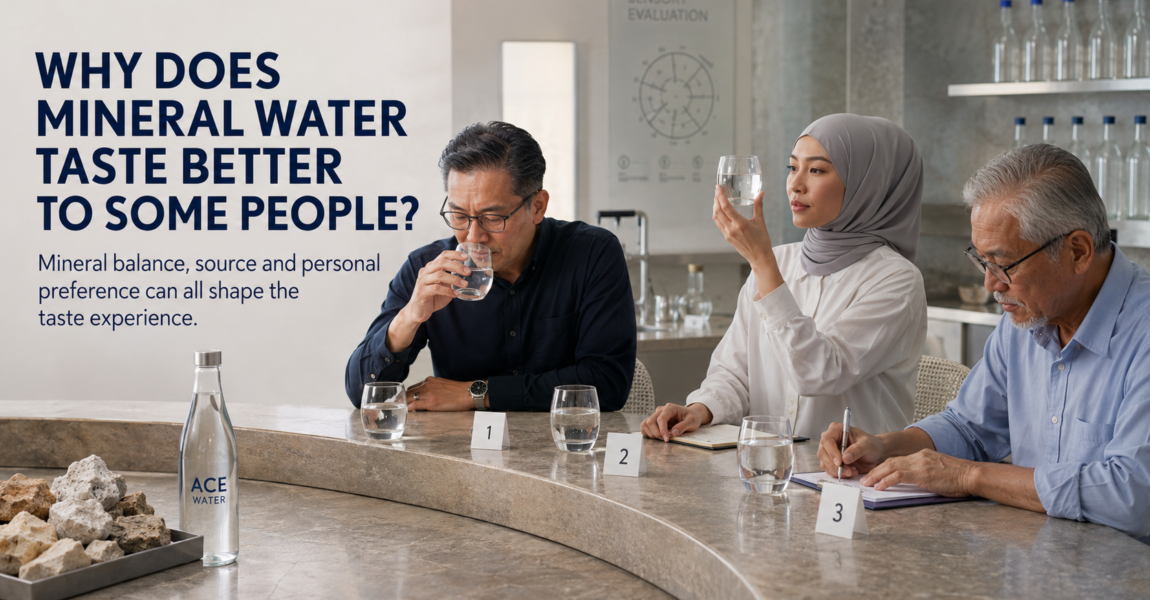
Your preference for mineral water isn’t just in your head; there’s a fascinating science behind why some find it so much more refreshing than regular tap. You’re likely experiencing the subtle, yet significant, impact of dissolved solids and gases. And it turns out, your unique biology plays a bigger role than you might imagine in how you perceive these differences.
Many families and businesses choose 19 liter bottled mineral water delivery because it provides a convenient supply of fresh, naturally sourced drinking water every day. If you’ve ever wondered why mineral water tastes better to some people, the answer often lies in its natural mineral content, unique source, and balanced composition, which can create a cleaner, crisper, and more refreshing drinking experience. Whether for your home or office, a reliable 19L mineral water delivery service ensures you always have high-quality hydration within easy reach.
Key Takeaways:
- Minerals like magnesium, calcium, and potassium aren’t just good for you; they directly influence water’s flavor profile, often adding a subtle sweetness, salinity, or even a slight tang that some palates prefer over the ‘flatness’ of distilled or heavily filtered tap water.
- The specific balance and concentration of these dissolved solids create a unique “terroir” for each mineral water, much like wine, meaning a bottle from the Italian Alps will taste distinctly different from one sourced in the French Massif Central.
- Individual taste receptors play a huge role; what one person perceives as a refreshing crispness, another might find slightly bitter or too mineral-heavy, highlighting the subjective nature of taste perception itself.
- Carbonation levels also significantly impact the experience, as the carbonic acid formed can enhance certain mineral notes and provide a textural ‘bite’ that many find more satisfying than still water.
- Psychological factors, including brand perception, perceived purity, and even the aesthetic of the bottle, subtly influence our enjoyment and can make a mineral water seem to ‘taste better’ even before it touches our lips.
What’s actually in the bottle anyway?
You’re probably wondering what separates that fancy bottle of mineral water from your kitchen tap. It’s not just about where it comes from, though that’s a big part of it. We’re talking about dissolved solids here – tiny particles that have been picked up as the water filters through rocks and soil.
These solids are what give mineral water its unique chemical fingerprint. They’re naturally present, not added later, and that distinction is pretty important. Think of it as the water’s natural terroir, much like wine has its own distinct characteristics based on the soil.
The real deal about calcium and magnesium levels
Many people find that water with higher levels of calcium and magnesium just tastes better – it has a certain “mouthfeel.” These aren’t just random minerals; they play a significant role in how you perceive the water’s texture and flavor. Too little, and it can taste flat; too much, and it might even be a bit bitter.
You’ll often see these two minerals highlighted on the label because they’re such big players. They contribute to what’s often called “hardness” in water, and while that sounds unappealing, it’s actually what many find so refreshing and flavorful in mineral water.
Total Dissolved Solids, or TDS, is a measurement of everything dissolved in your water – minerals, salts, and even some organic matter. It’s usually expressed in milligrams per liter (mg/L) or parts per million (ppm). A higher TDS generally means more flavor, but there’s a sweet spot.
Some people really prefer a low TDS, finding it lighter and cleaner, while others crave the complexity that comes from a higher TDS count. It’s a spectrum, and your preference often dictates what you’ll find most satisfying to drink.
You’ll notice that some mineral waters boast a TDS of over 1,000 mg/L, while others might be closer to 200 mg/L. This wide range explains why two different bottles of “mineral water” can taste so incredibly different to you. It’s not just marketing; it’s the chemistry in action.
Is it all just a big mental game?
You might think it’s all in your head, and to some extent, you’d be right. Our perception of taste is incredibly complex, influenced by everything from marketing to our mood. If you expect something to taste good, there’s a good chance it will, even if the actual difference is minimal. Think about how much you enjoy a meal in a fancy restaurant versus the same dish cooked at home – presentation and atmosphere play a huge role, don’t they? And for more on what makes bottled water taste good, you’ll find plenty of discussion online.
This psychological component is powerful. When you’re paying a premium for a bottle of mineral water, you’re not just buying the liquid; you’re buying into an experience, a sense of purity, or even a health benefit. That expectation alone can significantly enhance your enjoyment, making the water seem to have a crisper, cleaner, or more refreshing taste than it might otherwise.
My take on the fancy glass bottle effect
There’s something undeniably appealing about a sleek glass bottle, isn’t there? It just feels more substantial, more luxurious, than a flimsy plastic one. This isn’t just about aesthetics; it actually changes your perception of the water inside. You unconsciously associate that premium packaging with a premium product.
The weight and coolness of the glass in your hand, the satisfying clink as you set it down – these sensory cues contribute to an overall impression of quality. It makes you feel like you’re drinking something special, and that feeling translates directly into a more enjoyable taste experience.
Why the water you drank as a kid still wins
Your earliest taste memories are incredibly potent, shaping your preferences for years to come. The water you drank consistently as a child – whether it was from the kitchen tap, a specific brand of bottled water, or even a garden hose – often becomes your baseline for “good” water. It’s tied to nostalgia, comfort, and familiarity.
This isn’t just about taste; it’s about association. That specific flavor profile is linked to simpler times, to home, or to happy memories. So, when you encounter a similar taste later in life, your brain registers it as inherently more pleasant and correct.
The minerals present in that childhood water, even if subtle, imprinted on your palate. Your body became accustomed to that particular composition, and anything deviating too far from it might simply not taste as “right” to you now. It’s a powerful example of how early exposure truly shapes our preferences.
Why tap water seriously can’t compete
You might be wondering why your home’s tap water just doesn’t hit the same as that fancy bottled stuff. Well, it often comes down to a few key differences, primarily how it’s treated and what’s naturally (or unnaturally) dissolved in it. Tap water, by its very nature, has to be safe for everyone, and that means a whole lot of processing.
This universal treatment often strips away some of the natural minerals that give water its character, or it introduces elements like chlorine that can seriously alter the taste profile. Want to know more about what makes some water taste better than others? You can check out this Why Does Some Water Taste Better Than Others? article.
Dealing with that weird chlorine aftertaste
That distinctive, sometimes off-putting, swimming pool smell and taste in your tap water? That’s typically chlorine, used as a disinfectant to kill harmful bacteria and viruses. It’s absolutely crucial for public health, but it’s also a major reason many people find tap water less appealing.
The good news is that chlorine is a volatile compound, meaning it dissipates into the air over time. Leaving a pitcher of tap water uncovered in the fridge for a few hours can actually make a noticeable difference, allowing much of that chlorine to evaporate.
Why mineral water feels “thicker” in your mouth
Ever notice how some mineral waters seem to have a bit more “body” to them? It’s not just your imagination. This sensation of thickness or viscosity is often due to the higher concentration of dissolved minerals, particularly things like magnesium, calcium, and even bicarbonates.
These minerals interact with your saliva and taste buds in a way that creates a richer, sometimes almost creamy mouthfeel. It’s a subtle difference, but it’s definitely there.
Think about it like comparing skim milk to whole milk – both are milk, but the fat content changes the texture dramatically. With mineral water, it’s the mineral content that gives it that unique, sometimes almost velvety, sensation as it washes over your tongue. This can make the water feel more substantial and, for many, more satisfying to drink.
How you’ll find your own perfect bottle
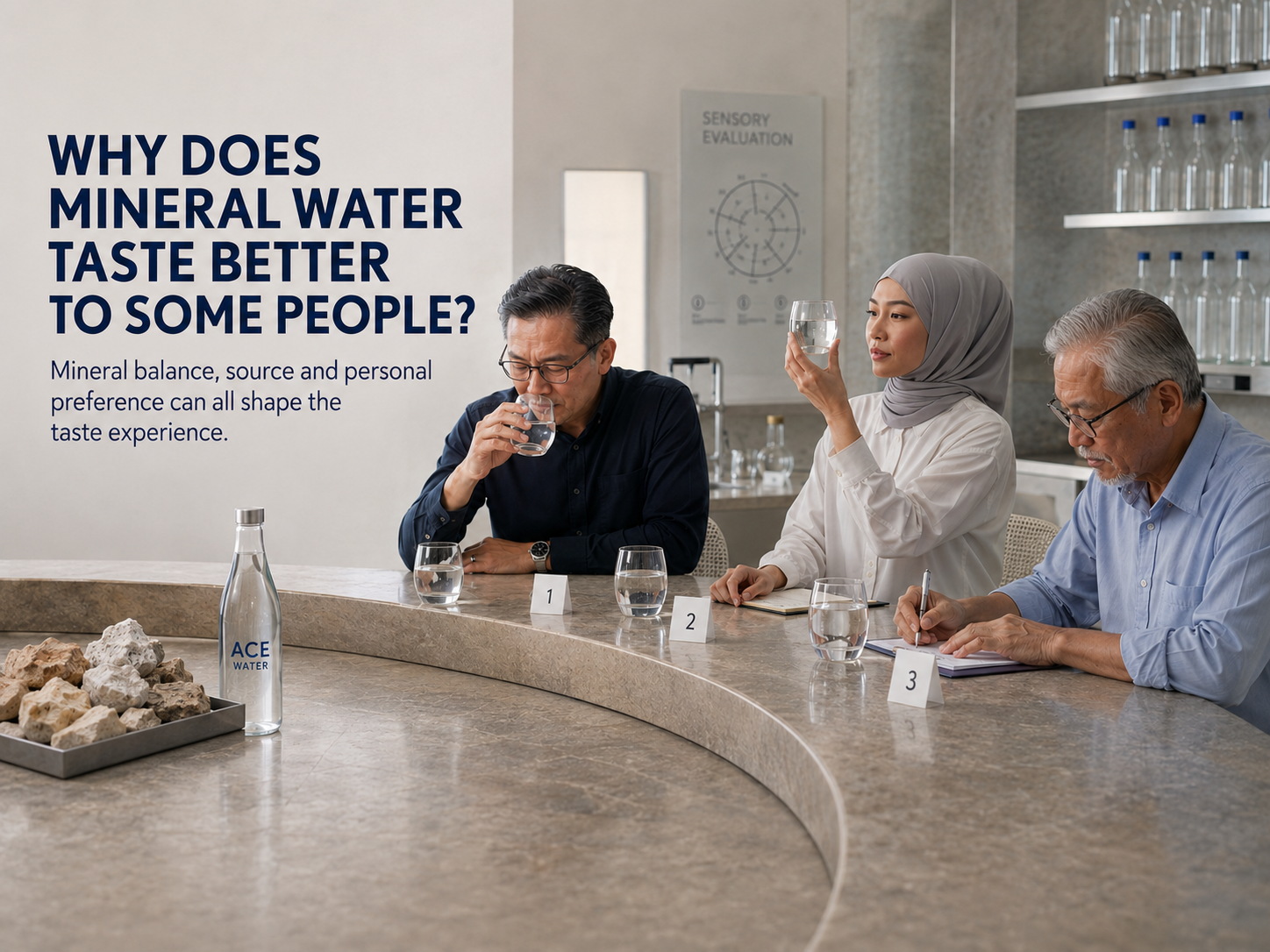
Ready to discover your own personal mineral water nirvana? It’s a journey, not a destination, and it’s surprisingly fun. Think of it like wine tasting, but for hydration – you’re looking for subtle notes and a satisfying finish, not just something to quench your thirst.
You’ll want to experiment, trying different brands and paying close attention to how each one feels and tastes. Don’t be afraid to try waters from various regions, as their distinct geological journeys impart unique mineral compositions.
How to spot the stuff you’ll actually like
Look for the mineral content listed on the label – that’s your biggest clue. High calcium and magnesium often lead to a “harder” taste, sometimes described as chalky or even slightly bitter, which some people absolutely adore. If you prefer something smoother, seek out brands with lower overall dissolved solids.
Pay attention to the source too. Volcanic sources, for instance, can impart a distinct minerality that’s quite different from, say, water filtered through ancient limestone. You’re trying to match the water’s profile to your own palate’s preferences.
Why price doesn’t always mean better flavor
It’s easy to assume that the most expensive bottle must be the best, right? Not necessarily. Sometimes you’re paying for fancy packaging, aggressive marketing, or simply the exclusivity of a limited source, rather than a superior taste experience.
You might find a less costly brand that hits all the right notes for you, proving that personal preference often trumps a hefty price tag. Don’t let marketing sway your taste buds – trust what your tongue tells you.
Many blind taste tests have shown that people often prefer moderately priced options over their ultra-premium counterparts. A bottle from a well-known, widely available brand could very well be your perfect match, despite costing a fraction of what some artisanal waters demand.
To wrap up
You’ve seen that the “better” taste of mineral water isn’t just in your head. It’s a complex interplay of dissolved solids, pH levels, and even the way your brain processes sensory information. Your unique palate, shaped by genetics and experience, plays a huge role in what you perceive as refreshing and enjoyable. It’s a personal journey of discovery, really.
So, next time you reach for a bottle, you’ll know there’s more to that crisp, clean taste than meets the eye. You’re not just hydrating; you’re engaging with a natural product shaped by geology and your own biology. And that’s pretty cool, isn’t it?
FAQ
Q: How do the dissolved minerals actually change the taste?
A: The specific types and concentrations of minerals present in the water are big taste drivers. For example, magnesium can lend a slightly bitter or metallic note, while calcium often contributes a smoother, sometimes even creamy mouthfeel. Bicarbonates, commonly found in many mineral waters, can give it a crisp, refreshing quality. It’s a complex interplay, really, like a subtle recipe where each mineral is an ingredient.
Q: Can the source of the mineral water affect its taste profile?
A: Absolutely, the geological source plays a huge role. Water that flows through volcanic rock might pick up different minerals and in different ratios than water filtering through limestone. This natural filtration process isn’t just about purity; it’s about the unique mineral signature that defines the water’s taste. Think of it like terroir in wine – the environment dictates a lot.
Q: Is there a psychological component to preferring mineral water?
A: Oh, for sure. Our perception of taste is heavily influenced by expectations and branding. If you believe a certain mineral water is premium or comes from a pristine source, you might automatically perceive it as tasting better. Marketing, the bottle’s design, and even the price can all subtly prime your brain to anticipate a superior experience. It’s not just about what’s on your tongue, but what’s in your mind too.
Q: Do different mineral waters have distinct “terroirs” like wine?
A: You bet. Just like grapes grown in different soils produce wines with unique characteristics, the geological composition of the spring or aquifer imparts distinct qualities to mineral water. Water from an area rich in granite will have a different mineral profile than water from a region with high limestone content, leading to very different tastes. It’s a natural fingerprint, if you will, unique to its origin.
Q: Can temperature impact how mineral water tastes?
A: Yes, temperature definitely makes a difference! Colder water tends to mute some of the more subtle flavors and mineral notes, making it taste crisper and more refreshing. As water warms up, those nuances, both pleasant and less so, become more pronounced. That’s why some people prefer their mineral water chilled – it can make for a smoother, less complex drinking experience.
- August 7, 2026
- Mineral Water