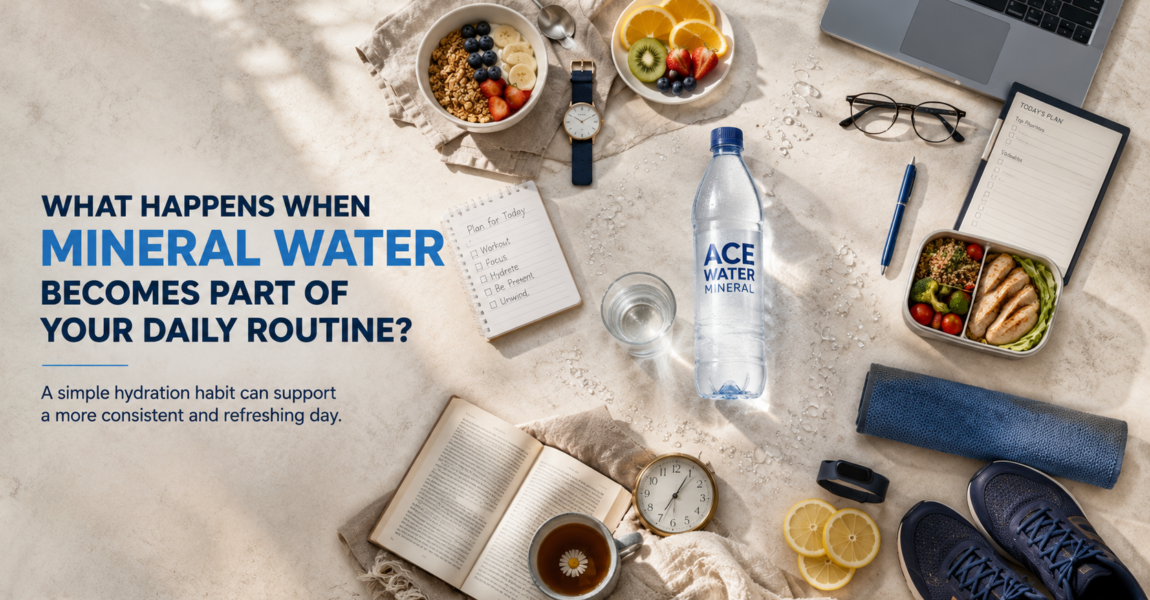
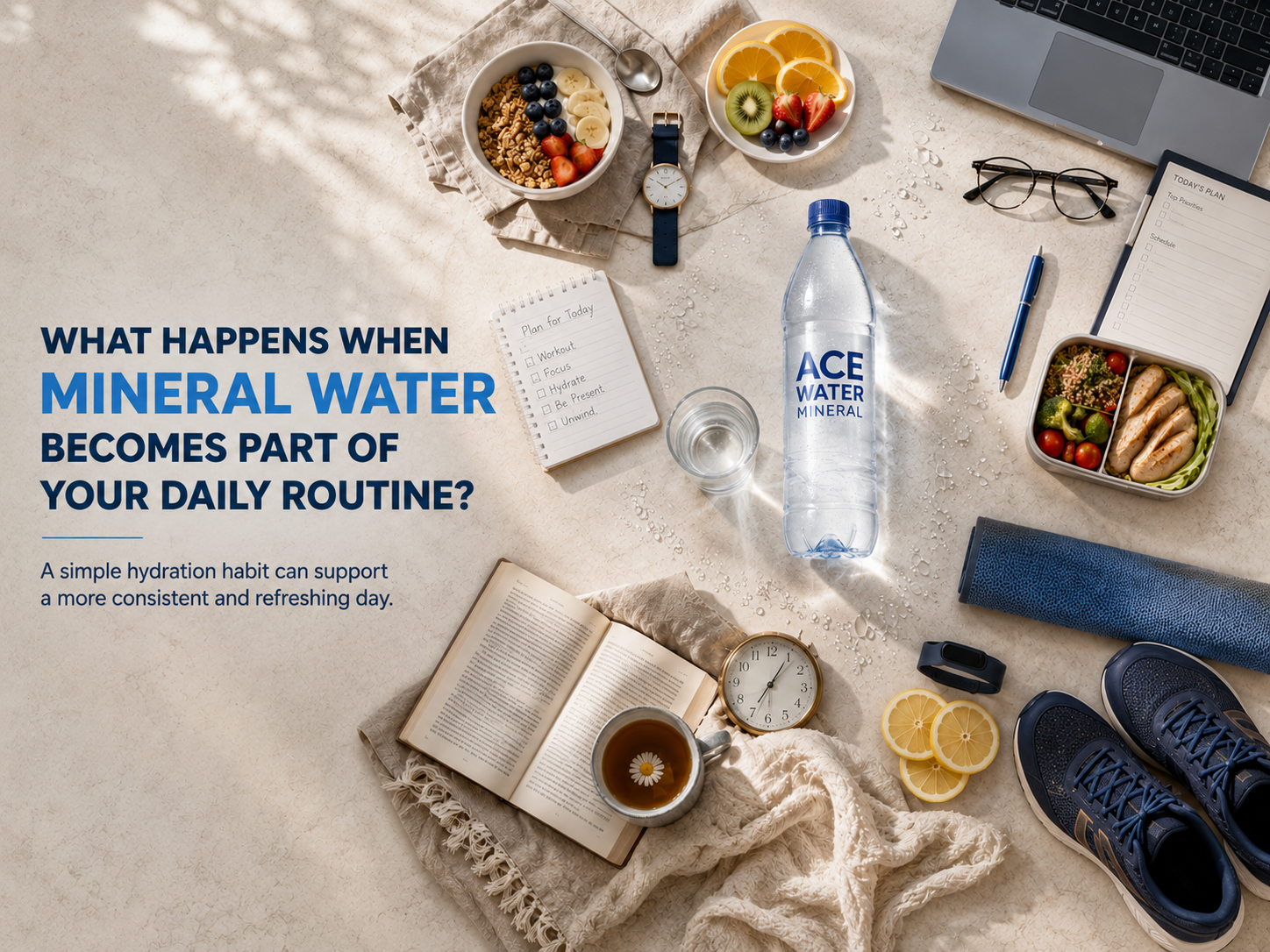
You might be surprised at the subtle yet significant shifts when mineral water becomes your daily go-to. It’s not just about hydration; you’re introducing a cocktail of naturally occurring elements that can impact everything from your digestion to your skin’s radiance, and yes, even your blood pressure if you’re not careful about mineral content. Making mineral water part of your daily routine is easier with a reliable 19 liter bottled mineral water delivery service. Large 19L bottles provide a convenient supply of mineral water for regular hydration at home or in the workplace, helping you maintain consistent drinking habits throughout the day.
Key Takeaways:
- You’re likely to see better hydration. Because mineral water often contains electrolytes like potassium and magnesium, your body can absorb and retain fluids more efficiently than with plain tap water. Think of it like a natural sports drink, but without all the added sugar.
- Digestive health often improves. The minerals, especially sulfates, can act as a mild laxative, helping to keep things moving smoothly. Some people find it reduces bloating and indigestion, making their gut feel a lot happier.
- Bone health gets a quiet boost. Calcium and magnesium are both present in varying amounts depending on the source, and these are fundamental building blocks for strong bones. It’s not a replacement for dairy, but it’s a nice supplemental source.
- Your skin might just glow a little brighter. Proper hydration is a cornerstone of healthy skin, and when your body is consistently well-hydrated from the inside out, it can reflect in a clearer, more supple complexion.
- It’s a simple swap for sugary drinks. Replacing sodas or juices with mineral water drastically cuts down on your sugar intake, which has a cascade of positive effects on your overall health, from weight management to improved energy levels.
Is mineral water actually any different from the tap?
You might be thinking, “Water is water, right?” Well, not quite when we’re talking about what comes from your tap versus what’s bottled as mineral water. The big distinction lies in where it comes from and what it picks up along the way.
Tap water, while perfectly safe to drink in most developed areas, is treated and often filtered to remove impurities. This process can also strip away some of the naturally occurring minerals.
What’s really inside those bubbles?
The bubbles you see in some mineral waters aren’t just for show or added carbonation; they can be naturally occurring. Volcanic activity or geological processes create these effervescent qualities deep underground.
But beyond the fizz, it’s the specific dissolved minerals that make all the difference. Think of things like magnesium, calcium, potassium, and bicarbonates – these are naturally present, not added later.
Why your body’s basically begging for these minerals
Your body doesn’t produce these necessary minerals on its own. You need to get them from your diet, and that’s where mineral water can really shine.
These aren’t just trace elements; they’re fundamental to countless bodily functions, from nerve transmission to muscle contraction.
Calcium, for example, isn’t just for strong bones and teeth; it’s also critical for blood clotting and maintaining a regular heartbeat. Magnesium helps with over 300 enzymatic reactions in the body, playing a key role in energy production and muscle relaxation. So, when you’re sipping mineral water, you’re actually topping up your body’s reserves of these incredibly important building blocks.
Honestly, what’s it doing to your gut?
You’re probably wondering what all those dissolved minerals are actually doing once they hit your digestive system. Well, certain minerals act like little helpers for your gut microbes, those tiny residents that play a huge part in everything from digestion to your immune system. They can create a more favorable environment for the good guys to thrive.
Think of it as giving your internal ecosystem a bit of a tune-up. A balanced gut microbiome is key to proper nutrient absorption and can even influence your mood. So, what you drink definitely matters down there.
Say goodbye to that annoying bloated feeling
Many people find that switching to mineral water can really calm things down in their stomach. The natural bicarbonates often found in mineral water can help neutralize excess stomach acid, which is a common culprit behind that uncomfortable, gassy feeling. It’s like a gentle antacid, but natural.
You might notice a significant reduction in that stretched, full sensation after meals. It’s not just about what you’re avoiding, but what you’re actively introducing that helps maintain a more peaceful digestive process.
Keeping things moving without the drama
Constipation can be a real drag, can’t it? Magnesium, a mineral abundant in many natural mineral waters, is a gentle laxative. It helps relax the muscles in your intestines and draws water into the colon, making stools softer and easier to pass.
This isn’t about harsh chemicals or sudden urges. Instead, it’s about supporting your body’s natural rhythms. A regular intake can help establish a much more consistent and comfortable bowel routine, helping you feel lighter and more energetic throughout your day.
Some studies have even shown that specific mineral water compositions are particularly effective for chronic constipation, offering a natural and accessible solution without resorting to over-the-counter remedies. It’s a subtle but powerful change.
My take on the whole bone and heart situation
You’re probably wondering if all those minerals actually make a difference, right? It’s a fair question. While some folks might dismiss it as just fancy water, there’s quite a bit of research pointing to the benefits, especially when you consider specific minerals like calcium and magnesium. Just take a look at ELI5: Is mineral water good for you? : r/explainlikeimfive for some straightforward explanations.
I’ve seen firsthand how small dietary changes can have a ripple effect on overall health. And when it comes to bones and hearts, you want every advantage you can get. So, let’s break down what these minerals are really doing for you.
Calcium isn’t just for people who drink milk
Most people immediately think of dairy when they hear calcium, but mineral water can be a surprisingly effective source. Your bones are constantly remodeling, and they need a steady supply of calcium to maintain their strength and density. This isn’t just about preventing osteoporosis later in life; it’s about supporting your skeletal system every single day.
Regular intake of calcium from sources like mineral water helps ensure your body has what it needs for these processes. Think of it as giving your bones the building blocks they require to stay strong and resilient.
Why your heart’s a huge fan of magnesium
Magnesium is an unsung hero for your cardiovascular system. It plays a critical role in regulating blood pressure, muscle function, and nerve transmission – all things that are absolutely imperative for a healthy heart. Without enough magnesium, your heart literally has to work harder, and that’s not something you want.
This mineral helps relax blood vessels, which can contribute to lower blood pressure. And it also supports the electrical stability of your heart, helping to maintain a steady, healthy rhythm. It’s involved in over 300 enzymatic reactions in the body, many of which directly impact heart health.
Consider that magnesium deficiency is actually quite common, and many people aren’t getting enough through diet alone. Adding mineral water to your routine can be a simple, consistent way to top up your levels, giving your heart the support it truly deserves.
The real deal about getting that healthy glow
Can drinking this stuff actually fix your skin?
You’re probably wondering if chugging mineral water is going to magically erase those fine lines or zap away breakouts. While it’s not a miracle cure, proper hydration is absolutely fundamental for skin health. Think of your skin cells like tiny balloons; when they’re well-hydrated, they’re plump and firm, reflecting light better and making your skin look more vibrant.
That said, don’t expect it to fix underlying dermatological issues. If you’ve got chronic acne or eczema, mineral water won’t be a standalone solution. It’s an excellent supportive measure, but you’ll still need to address specific concerns with appropriate skincare and, if necessary, professional help.
It’s more than just fancy hydration
The unique blend of minerals is really where the difference lies for your skin. Trace elements like silica, for example, are often touted for their potential role in collagen production, which helps maintain skin elasticity and reduces the appearance of wrinkles. Magnesium can also play a part in reducing skin inflammation.
These aren’t just empty claims; some mineral waters, particularly those rich in bicarbonates and sulfates, have been used for centuries in European spas for their purported skin benefits. The idea is that these minerals are absorbed, even if in small amounts, contributing to overall cellular health and, by extension, skin vitality. You’re not just drinking water; you’re consuming a dilute mineral supplement that can support your body from the inside out.
Wait, is there such a thing as too much?
You’re probably thinking, “Water is good for me, so more is always better, right?” Not exactly. While staying hydrated is absolutely key for your body’s functions – and you can learn more about why at Water: Essential for your body – there can be too much of a good thing, especially when we’re talking about mineral water. It’s all about balance, isn’t it?
It’s not just about the sheer volume of liquid you’re consuming. The unique composition of mineral water means you’re also taking in various dissolved solids. And those can add up, potentially creating some unexpected challenges if you’re not mindful.
Watch out for those sneaky sodium levels
Some mineral waters, particularly those with a naturally effervescent quality, can contain surprisingly high levels of sodium. You might not taste it as overtly salty, but it’s there.
Consuming too much sodium regularly can contribute to elevated blood pressure, which is something you definitely want to avoid. Always check the label; you’ll be surprised at the variation between brands.
When your kidneys might need you to chill out
Your kidneys are incredible filters, constantly working to process what you ingest. But a consistent influx of certain minerals can put an extra burden on them.
This is especially true for individuals who already have compromised kidney function. For them, a high mineral load could potentially exacerbate existing conditions, making their kidneys work even harder than they already are.
If you have any pre-existing kidney issues, or even a family history, it’s always wise to chat with your doctor about your daily fluid intake and the specific mineral content of the water you choose. They can offer personalized advice to ensure you’re supporting, not straining, your body’s natural processes.
Here’s how I make it work every day
You’re probably wondering how I integrate all this into a busy life without feeling like I’m constantly chasing hydration. It really boils down to making it a habit, almost a subconscious act. For me, it started with replacing my usual morning coffee with a big glass of mineral water, and then always having a bottle at my desk. You’d be surprised what happens when you start drinking more water, it truly changes things.
It’s not about chugging gallons, but rather consistent sips throughout the day. I keep a water bottle by my bed too, so I can hydrate right before falling asleep and as soon as I wake up. This simple trick ensures I’m always starting and ending my day on a hydrated note, and it really makes a difference.
Picking a brand that doesn’t taste like rocks
Finding the right mineral water is a bit like finding your favorite coffee – it’s personal. Some brands have a much stronger mineral profile, which can taste a little “earthy” to some palates. I prefer ones with a smoother, almost neutral taste, so it’s refreshing rather than a chore to drink.
My go-to usually has a good balance of magnesium and calcium without being overpowering. You might need to try a few different options to discover what suits your taste buds best. Don’t be afraid to experiment a little!
How to not break the bank on water
Let’s be real, buying bottled water daily can add up fast. To keep costs down, I often buy larger format bottles – the 1.5 or 2-liter ones – and refill my smaller, reusable bottle throughout the day. This cuts down on both cost and plastic waste, which is a win-win.
Another strategy is to look for sales at your local grocery store. Brands often go on promotion, and that’s when I stock up. Buying a case or two when there’s a good deal can save you a surprising amount of money over time.
You could also consider investing in a home water filter that specifically targets minerals if you’re really committed to the mineral water experience without the continuous purchase. Some filters are quite effective at adding beneficial minerals back into your tap water, giving you a similar profile without the recurring expense of bottled varieties.
To wrap up
You’ll likely notice some positive shifts when mineral water becomes a regular part of your hydration strategy. You might find your digestion feels a bit smoother, thanks to those naturally occurring sulfates and bicarbonates, and your skin could even show a new radiance from improved hydration and mineral intake.
But it’s not just about the immediate benefits; you’re also making a proactive choice for your long-term wellness. You’re giving your body a steady supply of necessary minerals that support everything from bone density to nerve function. Think of it as a simple, yet impactful, upgrade to your daily routine that truly makes a difference.
FAQ
Q: How does mineral water differ from regular tap water, and why might that matter for my health?
A: Mineral water, by definition, comes from an underground source and contains a consistent amount of minerals like magnesium, calcium, and potassium. Tap water, on the other hand, varies wildly in its mineral content depending on your location and local treatment processes. These naturally occurring minerals in bottled mineral water are often in a bioavailable form, meaning your body can absorb and utilize them more easily than some synthetic supplements. This difference can be significant if you’re looking to naturally boost your intake of certain electrolytes.
Q: Can drinking mineral water regularly really improve my digestion?
A: Many people report improved digestion with regular mineral water intake, and there’s some good reason for it. The sulfates in certain mineral waters, for instance, can gently stimulate your digestive system. Magnesium also plays a role in muscle function, including the smooth muscles of your gut, potentially helping with regularity. Think of it as a subtle nudge for your digestive tract, rather than a harsh stimulant.
Q: Is it true that mineral water can contribute to better skin hydration and appearance?
A: Absolutely! Proper hydration is one of the most fundamental aspects of healthy, glowing skin. When your body is well-hydrated, your skin cells are plump and function optimally, which can reduce the appearance of fine lines and give your complexion a more vibrant look. The electrolytes in mineral water also help your body retain that hydration more effectively than just plain filtered water, meaning the benefits might go a little deeper than just surface-level. It’s not a miracle cure, but consistent hydration certainly helps.
Q: Are there any potential downsides or risks to making mineral water my primary daily drink?
A: For most healthy individuals, drinking mineral water daily is perfectly safe and often beneficial. However, it’s worth noting that some mineral waters can be higher in sodium, so if you’re on a sodium-restricted diet, you’d want to check the label. Also, certain very highly mineralized waters might not be ideal for everyone in extremely large quantities, but for typical daily hydration, you’re generally in the clear. Just like anything, moderation and awareness of your specific health needs are key.
- August 26, 2026
- Mineral Water