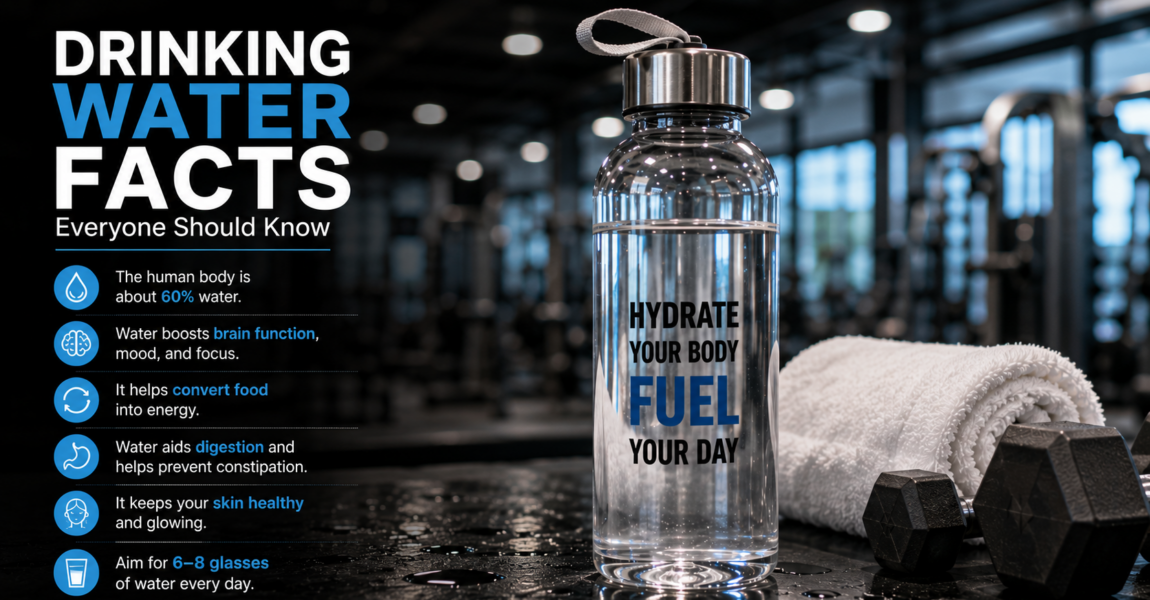
There’s a lot you think you know about water, but how much is actually true? You’ll be surprised to learn some common myths are just that – myths. We’re stepping into the science to uncover some truly dangerous misconceptions and incredibly positive impacts that proper hydration has on your body. Get ready to rethink your next glass! Stay hydrated with premium RO Water Malaysia from Ace Water Marketing, providing clean, safe, and refreshing drinking water for homes and offices across KL and Selangor.
Key Takeaways:
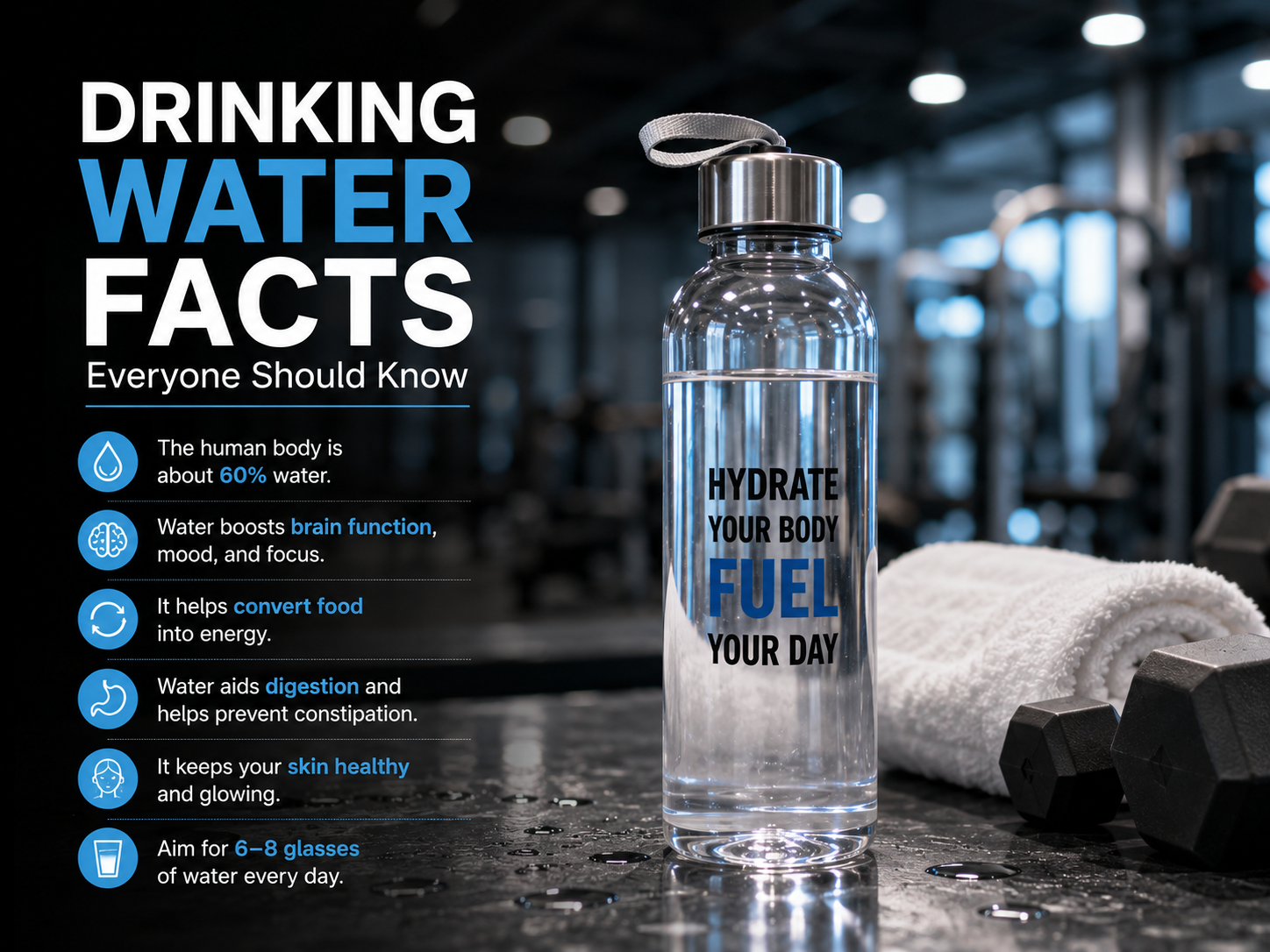
- Your body is mostly water, about 60% of it, and every single system in there relies on it to function properly. Think about your brain, your heart, even your joints – they all need consistent hydration.
- Dehydration can sneak up on you, causing headaches, fatigue, and even difficulty concentrating. You might not even realize you’re a bit parched until these symptoms start to show.
- The “eight glasses a day” rule? It’s more of a general guideline than a strict command. Your actual water needs depend on things like your activity level, the climate you’re in, and even your overall health.
- Tap water is often just as safe and healthy as bottled water, and it’s definitely better for your wallet and the planet. Many municipal water systems have rigorous testing protocols in place.
- You can absolutely get some of your daily water intake from foods rich in water, like fruits and vegetables. Cucumbers, watermelon, and oranges are great for this.
Wait, is the 8 glasses a day thing actually a lie?
That old adage about eight glasses a day? It’s been drilled into us for years, hasn’t it? But you might be surprised to learn it’s not a hard and fast rule for everyone. The truth is, that number is more of a general guideline than a scientific mandate, and it doesn’t account for all the individual differences out there.
You see, your hydration needs are as unique as you are. Factors like your activity level, climate, diet, and even your overall health play a huge role in how much water you truly need. So, while eight glasses is a nice round number, it’s far from the whole story.
The real deal about how much you actually need
So, what’s the real answer then? For most healthy adults living in a temperate climate, a good benchmark is roughly 15.5 cups (3.7 liters) of fluids a day for men and about 11.5 cups (2.7 liters) of fluids a day for women. Now, that’s total fluids, mind you, not just plain water.
These fluid intakes include water from all beverages and even the water found in your food. Think about it: juicy fruits and vegetables, soups, and even some dairy products contribute significantly to your daily intake. It’s a much broader picture than just what you pour into a glass. Stay refreshed wherever life takes you with Summer Drinking Water 250ml—perfectly sized for school, work, travel, and everyday hydration to help you stay healthy throughout the day.
Why your body’s the best judge, honestly
Your body is incredibly smart, and it has a fantastic built-in indicator for when you need to drink: thirst. When you feel thirsty, that’s your body’s way of telling you it’s time to rehydrate. Don’t ignore that signal!
Another excellent gauge is the color of your urine. If it’s pale yellow, you’re likely well-hydrated. But if it’s a darker yellow or amber, that’s a clear sign you need to drink more water, and soon. Dark urine is a major red flag for dehydration.
Paying attention to these simple cues can guide you far better than any arbitrary number. Listen to your body; it’ll tell you what it needs.
Tap water vs. bottled: Is the fancy stuff even worth it?
You’ve probably stood in the grocery aisle, staring at rows of bottled water, wondering if that extra dollar for the “artesian” stuff is really making a difference. The truth is, for most people in developed countries, tap water is perfectly safe and often just as healthy, if not more so, than its bottled counterpart. In fact, many bottled waters are simply filtered tap water anyway.
But there’s a bigger picture here than just your wallet. Think about the environmental impact. The resources used to produce, fill, and transport all those plastic bottles are immense, creating a pretty substantial carbon footprint. For more on making healthier drink choices overall, check out the CDC’s information about water and healthier drinks.
My take on the whole plastic bottle mess
I’m not going to sugarcoat it – the sheer volume of plastic waste from bottled water is a serious environmental problem. Even if you’re diligently recycling, a significant portion of those bottles still end up in landfills or, worse, polluting our oceans and natural spaces. It’s a cycle that’s just not sustainable.
Consider this: every single plastic bottle ever made still exists in some form today. That’s a sobering thought, isn’t it? Choosing tap water, especially when filtered, is a simple but powerful way to reduce your personal impact.
Filtering at home isn’t as hard as you’d think
Getting clean, great-tasting water at home doesn’t require a complex plumbing overhaul. Simple pitcher filters are incredibly effective at removing chlorine and other common impurities that can affect taste and odor. They’re inexpensive, readily available, and make a noticeable difference in your daily hydration experience.
Another popular option is a faucet-mounted filter, which offers filtered water on demand without waiting for a pitcher to slowly drip. These are usually pretty easy to install yourself and can last for several months before needing a cartridge replacement.
You can also opt for under-sink filters, which provide a dedicated filtered water tap right at your sink. These systems often offer more advanced filtration capabilities, tackling a wider range of contaminants and giving you peace of mind about the quality of every glass.
How do you even know if you’re thirsty enough?
You might think thirst is a pretty straightforward signal, right? Your mouth feels dry, you grab a glass. But often, by the time you actually *feel* thirsty, you’re already a little behind on your hydration. It’s like waiting for your car’s fuel light to come on before thinking about gas – not ideal.
Your body’s signals can be a bit subtle, and it’s easy to mistake them for other things. We’re talking about more than just a dry mouth here; there are some pretty clear indicators if you know what to look for.
Checking the color of your pee (don’t be grossed out!)
This is probably one of the most reliable and easiest ways to gauge your hydration level. You’re aiming for a pale yellow, almost like lemonade. If it’s darker, say apple juice colored, you’re definitely not drinking enough.
A clear, colorless stream might mean you’re *overdoing* it a bit, though that’s less common than being under-hydrated. Just pay attention to that mid-range pale yellow; it’s your body giving you a clear report card.
Why that afternoon headache isn’t just stress
Ever get that dull, throbbing ache behind your eyes in the afternoon? You might blame your computer screen or that last meeting, but often, it’s a direct cry for water. Dehydration can cause your brain to temporarily shrink from fluid loss, pulling away from the skull, which really isn’t fun.
That’s right, even mild dehydration can trigger headaches and make you feel sluggish. Your brain needs a constant, steady supply of water to function optimally, and when it doesn’t get it, one of the first things to suffer is your comfort and cognitive clarity. A persistent headache could be your most urgent signal to drink up.
Can you actually drink too much water?
You might think it’s impossible, but yes, you absolutely can drink too much water. It’s a less common problem than dehydration, sure, but it’s a serious one that everyone should be aware of. There are 10 things you didn’t know about water, and one of them is just how delicate your body’s balance really is.
Your kidneys can only process so much water per hour – typically around 0.8 to 1.0 liters. Push past that consistently, and you’re heading into dangerous territory. It’s not just about feeling uncomfortable; there are genuine medical risks involved.
The scary truth about over-hydration
This condition, known as hyponatremia, occurs when the sodium levels in your blood become dangerously diluted. Sodium is critical for proper cell function, nerve impulses, and muscle contractions.
When sodium levels drop too low, water rushes into your cells to try and balance things out, causing them to swell. This is particularly dangerous for brain cells, as your skull leaves no room for expansion, leading to symptoms like confusion, seizures, and in severe cases, coma and even death.
Why balance is everything, honestly
Maintaining the right fluid balance is paramount for every single bodily function. Your body is an intricate system, constantly working to keep everything in perfect equilibrium.
Too little water, and you’re dehydrated, impacting everything from energy levels to organ function. Too much, and you risk throwing off critical electrolyte balances, which can have equally devastating effects. It’s a delicate dance, and water plays a starring role.
Finding that sweet spot means listening to your body and understanding its signals. You’re aiming for clear to pale yellow urine, and generally feeling good without excessive thirst or constant trips to the restroom. It’s about mindful hydration, not just chugging gallons.
Final Words
You’ve explored some pretty important facts about drinking water, from debunking the “eight glasses a day” myth to understanding the real differences between tap and bottled options. Staying hydrated isn’t just about quenching thirst; it genuinely impacts everything from your energy levels to how well your brain functions. It’s a simple habit that yields huge returns for your overall well-being.
So, make conscious choices about your water intake. Listen to your body, experiment with ways to make water more appealing if plain H2O isn’t your favorite, and always prioritize clean, safe sources. Your body will definitely thank you for it.
FAQ
Q: How much water should I really be drinking every day?
A: You’ve probably heard the “eight glasses a day” rule, right? Well, it’s a good starting point, but it’s not a hard and fast law for everyone. Your actual daily water intake depends on a bunch of factors: your activity level, the climate you live in, your overall health, and even your diet. Someone running marathons in Arizona will need a lot more than someone working a desk job in a cooler environment.
The National Academies of Sciences, Engineering, and Medicine actually suggests about 15.5 cups (3.7 liters) of fluids a day for men and about 11.5 cups (2.7 liters) of fluids a day for women. And that includes fluids from food, mind you! Fruits and vegetables have a surprisingly high water content.
Q: Is bottled water truly better than tap water?
A: This is a big one, and it’s a bit of a myth that bottled water is inherently “better.” In many developed countries, tap water is perfectly safe and often undergoes rigorous testing by local municipalities. The Environmental Protection Agency (EPA) in the United States, for instance, sets strict standards for public drinking water.
Bottled water, on the other hand, is regulated by the Food and Drug Administration (FDA) as a food product, and while those standards are also high, they’re different. Sometimes, bottled water is just filtered tap water! Plus, there’s the environmental impact of all those plastic bottles to consider. Reusable bottles are a far better choice for the planet, and often your wallet.
Q: Can drinking more water really help with weight loss?
A: It absolutely can be a helpful tool in a weight loss strategy, though it’s not a magic bullet. Water itself has zero calories, so replacing sugary drinks like soda or juice with plain water immediately cuts down on your calorie intake. Think about it: a 12-ounce can of soda can easily have 150 calories or more.
Drinking water before meals can also help you feel fuller, which might lead you to eat less. There’s even some evidence that cold water can slightly boost your metabolism as your body expends energy to warm it up. While not a huge effect, every little bit helps, doesn’t it?
Q: How can I tell if I’m dehydrated?
A: The easiest and most reliable indicator is the color of your urine. If it’s pale yellow or nearly clear, you’re likely well-hydrated. If it’s a darker yellow, like apple juice, you probably need to drink up. Headaches are another common sign of mild to moderate dehydration, as are fatigue and dizziness.
Dry mouth and chapped lips are also pretty obvious clues. And if you’re feeling thirsty, you’re already a bit dehydrated, so it’s best not to wait until that point to grab a glass of water.
Q: What if I don’t like the taste of plain water? How can I make it more appealing?
Berries like strawberries or raspberries add a subtle sweetness and beautiful color. You can also experiment with herbs like basil or rosemary. Even a tiny splash of 100% fruit juice can make a big difference in flavor without adding too much sugar. Or, consider sparkling water with a squeeze of fresh fruit – it feels a bit more like a treat!
- July 20, 2026
- Facts