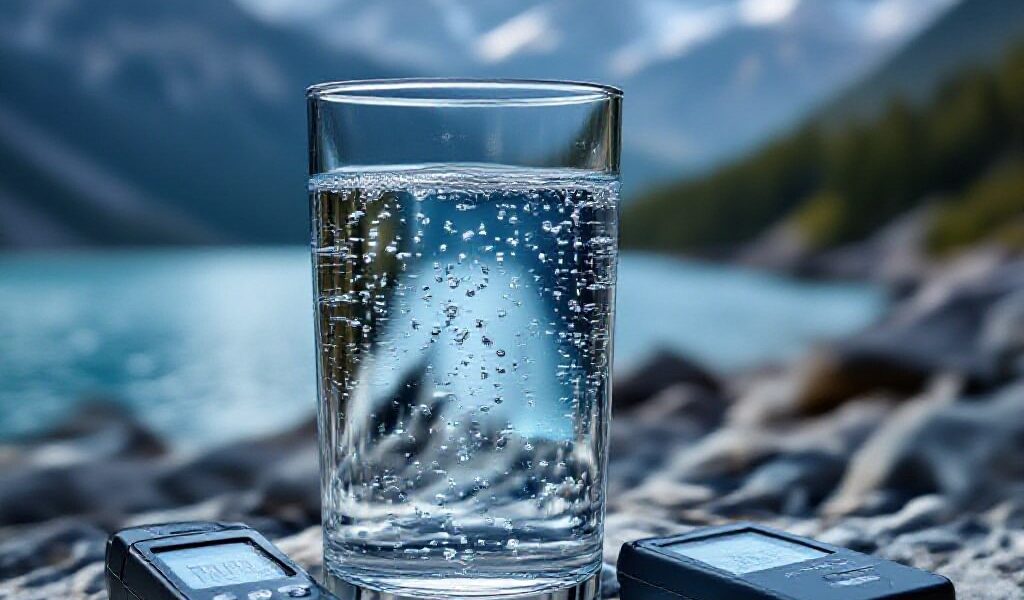
Taste the distinct nuances in mineral water, and you will understand its unique journey. You are experiencing the interplay of dissolved minerals, like magnesium, calcium, and sulfates, which create its characteristic flavor profile. These elements, naturally absorbed from underground rock formations, dictate whether your water tastes earthy, salty, or even slightly sweet. A mineral water gallon gives you the same natural mineral balance that creates mineral water’s refreshing taste, making daily hydration more enjoyable at home or in the office.
Contents
- 1 The Role of Total Dissolved Solids (TDS)
- 2 Key Minerals and Their Flavor Profiles
- 3 Geological Origins and Terroir
- 4 The Impact of Carbonation
- 5 pH Levels and Alkalinity
- 6 External Factors and Serving Conditions
- 7 Conclusion
- 8 FAQ
- 8.0.1 Q: What are the primary factors influencing the taste of mineral water?
- 8.0.2 Q: How do different mineral compositions create distinct flavor profiles?
- 8.0.3 Q: Can the origin or source location genuinely impact the taste, beyond just mineral content?
- 8.0.4 Q: Is there a difference in taste between naturally carbonated and artificially carbonated mineral water?
- 8.0.5 Q: How does the pH level of mineral water contribute to its overall taste and mouthfeel?
Key Takeaways:
- Mineral water’s unique flavor comes from the specific types and concentrations of dissolved minerals it contains. Different geological sources impart distinct mineral profiles.
- Calcium and magnesium are common minerals that contribute to a “hard” taste, often described as slightly chalky or earthy. Their presence can also influence the water’s mouthfeel.
- Sodium, even in small amounts, can lend a slightly salty or sweeter note to mineral water, impacting its overall palatability and how it interacts with food.
- Bicarbonates play a role in the water’s pH and can give it a smooth, almost creamy texture, sometimes with a subtly sweet or tangy finish.
- Trace elements like potassium, sulfates, and chlorides, though present in smaller quantities, can subtly round out the flavor profile, contributing to the water’s distinct character and aftertaste.
The Role of Total Dissolved Solids (TDS)
Defining TDS and Its Impact on Palate
You might wonder what exactly TDS means for your glass of mineral water. Total Dissolved Solids, or TDS, refers to the combined content of inorganic salts, organic matter, and other minerals present in water. This measurement directly influences the overall taste profile, acting as a key determinant of whether water tastes “hard” or “soft.”
The diverse array of dissolved particles, including calcium, magnesium, potassium, and bicarbonates, contributes to a unique flavor signature. You will notice how different levels of these substances create distinct sensations on your tongue, from a slightly salty hint to a smooth, almost sweet finish.
High vs. Low Mineral Concentrations
Perceiving the difference between high and low mineral concentrations is easier than you might think. Water with a high TDS count often presents a more pronounced, complex flavor, sometimes described as earthy or even slightly metallic. This intensity comes from a greater abundance of minerals interacting with your taste buds.
Conversely, water with a low TDS count typically tastes lighter and cleaner, offering a refreshing and subtle experience. You might even describe it as having a “soft” mouthfeel, as fewer dissolved solids interfere with the pure sensation of hydration.
A higher mineral concentration, while contributing to a richer taste, can also sometimes lead to a slightly heavier mouthfeel. Water with a lower concentration, on the other hand, often feels crisper and more delicate on the palate, making it a preferred choice for those who enjoy a neutral, unadulterated taste. A convenient 500ml mineral water bottle lets you enjoy the natural mineral taste and refreshing balance that make mineral water stand out every day.
Key Minerals and Their Flavor Profiles
You might wonder how these dissolved solids translate into distinct tastes. The unique composition of each mineral water creates a specific sensory experience, which can be quite complex. The Nutrient Effect on the Taste of Mineral Waters – PMC – NIH provides a deeper understanding of this intricate relationship.
Each mineral contributes its own characteristic note, building a complex flavor profile. Understanding these individual contributions helps you appreciate the subtle differences between various brands and sources.
Calcium and Magnesium: Bitterness and Texture
Calcium, often present in significant amounts, can impart a slightly chalky or even a subtle bitterness to the water. This mineral contributes to the overall “hardness” of the water, influencing its mouthfeel.
Magnesium, when present in higher concentrations, enhances this bitterness, creating a more pronounced, sometimes even a slightly metallic, aftertaste. You might notice a drier, almost astringent sensation on your palate.
Sodium and Bicarbonates: Salinity and Smoothness
Sodium, while often associated with table salt, plays a more nuanced role in mineral water. It can contribute a mild salinity, enhancing other flavors and giving the water a crisper finish.
Bicarbonates, working in tandem with sodium, provide a noticeable smoothness and a subtle effervescence. This combination often leads to a softer, almost velvety texture on the tongue.
This interplay between sodium and bicarbonates creates a delicate balance, where the slight saltiness is tempered by the bicarbonates’ ability to neutralize acidity, resulting in a remarkably smooth and often refreshing taste.
Geological Origins and Terroir
You might consider mineral water a simple beverage, but its journey begins deep within the Earth, shaped by millennia of geological activity. Each region’s unique terroir, a French term often associated with wine, profoundly influences the water’s final taste profile, making every sip a reflection of its ancient origins.
This subterranean journey dictates the specific minerals and trace elements you’ll find in your glass. The geological formations act as natural filters and infusers, creating a distinct fingerprint for each mineral water source.
Filtration Through Volcanic and Sedimentary Rock
Underground, water seeps through layers of rock, undergoing a natural purification process. Volcanic rock, often rich in silica and magnesium, imparts a distinctive smoothness and sometimes a slight mineral tang to the water you drink.
Sedimentary rock, composed of compressed minerals and organic matter, contributes different elements. Limestone, for instance, can introduce calcium and bicarbonate, leading to a crisper, more refreshing taste that you’ll immediately recognize.
The Influence of Aquifer Depth and Soil Composition
The depth of an aquifer plays a significant role in the water’s mineral content and purity. Deeper aquifers are often more protected from surface contaminants, allowing the water more time to interact with surrounding geological strata.
Soil composition at the surface also influences the water’s initial journey. Rich, mineral-laden soils can contribute to the water’s early chemical profile, influencing the complex flavors you experience.
You will find that the longer water remains underground, the more time it has to dissolve minerals from the surrounding rock. This extended contact time leads to a higher concentration of dissolved solids, which directly impacts the water’s taste. Furthermore, different types of soil, such as clay, sand, or loam, can filter water at varying rates and introduce distinct elements before the water even reaches the main aquifer.
The Impact of Carbonation
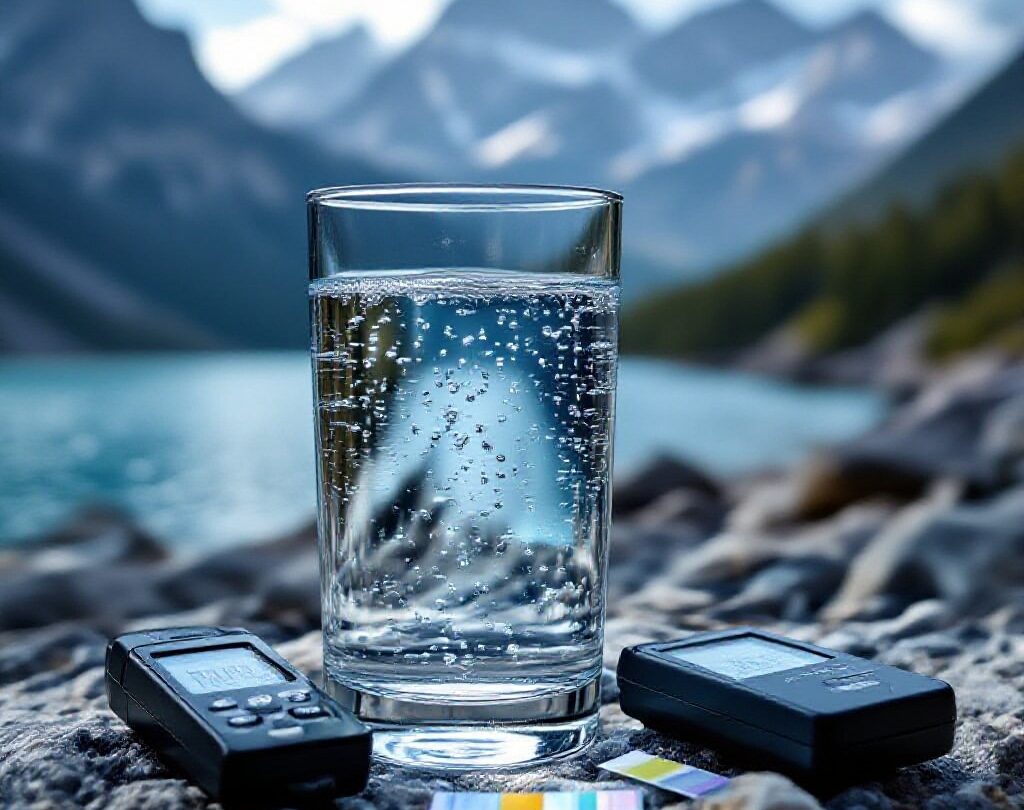
Carbonation introduces a fascinating dimension to mineral water’s flavor profile. You experience a unique sensory experience when bubbles interact with your palate, altering how you perceive the water’s inherent minerality and texture. This effervescence isn’t just about fizz; it plays a pivotal role in shaping the overall taste.
Your tongue detects the subtle prickle of carbon dioxide, which can either enhance or mask certain mineral notes. The presence of bubbles also influences the water’s mouthfeel, making some waters feel lighter and more refreshing, while others might present a more complex and dynamic sensation.
Natural vs. Added Carbon Dioxide
Some mineral waters possess natural carbonation, where volcanic activity or geological processes infuse carbon dioxide directly into the underground source. This natural infusion creates a harmonious balance with the existing mineral composition, often resulting in finer, more persistent bubbles.
Other waters undergo artificial carbonation, where carbon dioxide is introduced during the bottling process. You might notice a difference in the bubble size and intensity, which can significantly alter the initial taste and the lingering aftertaste.
How Effervescence Modifies Perceived Acidity
The effervescence in mineral water directly impacts your perception of its acidity. Carbon dioxide, when dissolved in water, forms carbonic acid, a weak acid. This acid subtly lowers the water’s pH, contributing to a tangy or zesty sensation on your tongue.
You might find that highly carbonated waters present a sharper, more acidic character compared to their still counterparts. This change in acidity can either complement or contrast with the water’s mineral content, creating diverse flavor experiences.
The subtle acidity from carbonic acid interacts with your taste receptors, particularly those responsible for detecting sourness. This interaction doesn’t necessarily make the water truly sour, but it introduces a refreshing tartness that can cleanse the palate and enhance the overall drinking experience. This effect is especially noticeable in waters with a naturally higher mineral content, where the acidity can balance out any lingering mineral flavors.
pH Levels and Alkalinity
You might consider pH levels as another key player in mineral water’s distinct taste profile. This measurement indicates how acidic or alkaline a substance is, directly influencing the flavor you perceive. A lower pH signifies acidity, while a higher pH indicates alkalinity.
Understanding these variations helps you appreciate the subtle nuances in different bottled waters. Mineral waters with varying pH levels offer unique sensory experiences, impacting everything from initial taste to lingering aftertastes.
Balancing Acidic and Basic Notes
The mineral content in your water often dictates its pH. Waters with higher levels of bicarbonates, for instance, tend to be more alkaline, contributing a smoother, often softer taste. Conversely, waters rich in certain sulfates might lean towards a slightly acidic profile.
This delicate balance creates a complex flavor tapestry. You experience a harmonious interplay between these acidic and basic notes, which can make one water feel crisp and another surprisingly mellow on your palate.
The Role of pH in Mouthfeel and Refreshment
Your perception of mouthfeel and refreshment is greatly influenced by pH. Slightly acidic waters can create a bright, almost tingling sensation, enhancing the feeling of being quenched. These waters often leave your mouth feeling clean and invigorated.
Conversely, more alkaline waters might impart a softer, silkier mouthfeel. You might find these waters to have a smoother finish, leaving a different kind of refreshed sensation.
You will notice a stark difference in how your palate reacts to a water with a pH of 6 versus one with a pH of 8. The slightly acidic water (pH 6) will likely feel lighter and perhaps more stimulating, almost like a subtle effervescence, even if it’s still. The alkaline water (pH 8) will probably feel gentler, coating your tongue with a velvety texture, and could even leave a slightly sweet or mineral aftertaste. This interplay of acidity and alkalinity directly impacts the “thirst-quenching” sensation you seek.
External Factors and Serving Conditions
Beyond its inherent composition, how you store and serve mineral water significantly impacts its taste. Consider the effects of air exposure and the absorption of ambient odors, which can subtly alter the water’s delicate flavor profile. Understanding these external influences helps you appreciate the full spectrum of its natural taste.
Other environmental elements also play a role in how the water presents itself. Factors like surrounding humidity and the presence of strong smells in your immediate environment can affect your perception of the water’s taste. After considering these points, you can ensure a more authentic tasting experience.
- Store mineral water in a cool, dark place away from direct sunlight.
- Avoid storing water near strong-smelling foods or chemicals.
- Serve mineral water in clean, odorless glassware to prevent contamination.
The Influence of Packaging Materials
The container holding your mineral water can impart subtle changes to its flavor. Plastic bottles, especially when exposed to heat or light, can sometimes leach compounds into the water, resulting in a faint, undesirable taste. Choosing the right packaging helps preserve the water’s original purity.
Glass bottles offer a superior option for maintaining the water’s integrity. They are non-reactive and do not transfer flavors, safeguarding the mineral water’s natural taste from external influences. You will notice a clearer, purer taste when water is stored in glass.
Optimal Temperature for Mineral Expression
Serving temperature dramatically influences how the minerals in your water are perceived. Too cold, and the subtle nuances of minerals like magnesium and calcium can be suppressed, making the water taste flat. A slightly chilled temperature allows these elements to express themselves more fully.
You will find a noticeable difference in the water’s texture and mouthfeel at the ideal temperature. The water feels smoother, and the characteristic mineral notes become more pronounced, offering a richer and more satisfying drinking experience. This optimal range reveals the water’s true character.
Serving mineral water at its optimal temperature unlocks its full flavor potential. Just as wine benefits from being served at the correct temperature, mineral water’s unique blend of dissolved solids is best appreciated when not overly chilled. A temperature between 10-14°C (50-57°F) generally allows the natural mineral content to express its true character without being muted by extreme cold. This range lets you experience the subtle earthiness, slight salinity, or even a hint of sweetness that some mineral waters possess. You will find the water feels more balanced and refreshing, truly showcasing its unique geological journey.
| Optimal Serving Temperatures | |
|---|---|
| Too Cold | Mutes mineral flavors, potentially making water taste dull. |
| Ideal Range (10-14°C) | Enhances mineral expression, allowing for a balanced taste. |
Conclusion
With these considerations, you now understand the complex interplay of factors that distinguish one mineral water from another. The unique geological journey each water undertakes imbues it with a specific mineral profile, influencing its taste, mouthfeel, and even its perceived health benefits. You experience a distinct flavor when you sip a water rich in magnesium versus one high in calcium, and these subtle differences are what define its character.
Your appreciation for mineral water can deepen as you recognize these nuances. The source’s geology, the mineral composition, and the dissolved gases all contribute to the sensory experience. By discerning these elements, you can make informed choices about the mineral water you prefer, enjoying the subtle variations that nature provides in every refreshing sip.
FAQ
Q: What are the primary factors influencing the taste of mineral water?
A: The unique taste profile of mineral water arises from several interconnected factors. Geological formations play a significant role; the types of rocks and soil through which water percolates dictate the specific minerals it dissolves. The duration of this underground journey also matters, as a longer contact time allows for greater mineral absorption. Temperature and pressure conditions underground influence the solubility of these minerals. The presence and concentration of dissolved solids, including bicarbonates, sulfates, chlorides, and magnesium, directly contribute to the water’s flavor. Volatile organic compounds, though often in minute quantities, can also impart subtle aromatic notes.
Q: How do different mineral compositions create distinct flavor profiles?
A: Each mineral contributes its own characteristic taste. Bicarbonates often lend a smooth, almost creamy mouthfeel and can reduce acidity, making water taste softer. Sulfates, particularly magnesium sulfate, can introduce a slightly bitter or even a medicinal note, depending on their concentration. Calcium, a common mineral, can contribute to a slightly chalky or crisp taste. Sodium chloride, or table salt, gives a discernible salty flavor, even in small amounts. Iron can impart a metallic tang. The specific balance and concentration of these various ions create a complex interplay, resulting in the unique flavor of each mineral water source.
Q: Can the origin or source location genuinely impact the taste, beyond just mineral content?
A: The geographical origin undeniably influences taste, extending beyond a simple list of minerals. The specific geological strata present at the source determine the mineral profile. Volcanic regions, for instance, often produce waters rich in silica and bicarbonates, leading to a softer, smoother taste. Limestone regions typically yield waters high in calcium and magnesium, which can give a harder, more robust flavor. The depth from which the water is drawn affects its interaction with various rock layers and the pressure it experiences. The presence of natural carbonation, originating from underground volcanic activity or CO2-rich rock formations, also dramatically alters the taste, providing effervescence and a slightly acidic tang.
Q: Is there a difference in taste between naturally carbonated and artificially carbonated mineral water?
A: A noticeable difference exists between naturally and artificially carbonated mineral water. Natural carbonation occurs when water absorbs carbon dioxide from geological sources deep underground, often in volcanic areas. This process results in finer, more integrated bubbles and a smoother, more consistent effervescence that feels inherent to the water itself. Artificial carbonation involves injecting CO2 into still water. This typically creates larger, more aggressive bubbles that can dissipate faster. The taste can be sharper, and the carbonation might feel less harmonious with the water’s underlying mineral profile. Many connoisseurs prefer the subtle complexity and mouthfeel of naturally carbonated varieties.
Q: How does the pH level of mineral water contribute to its overall taste and mouthfeel?
A: The pH level, a measure of acidity or alkalinity, significantly affects the taste and mouthfeel of mineral water. Water with a lower pH (more acidic) often tastes crisper, sometimes with a slight tang, and can feel lighter on the palate. This is common in naturally carbonated waters, where dissolved carbon dioxide forms carbonic acid. Water with a higher pH (more alkaline) tends to have a smoother, softer, and sometimes even a slightly sweet taste. These alkaline waters can feel more substantial in the mouth. The pH level influences how the various dissolved minerals are perceived, enhancing or mellowing certain flavors. For example, a higher pH can soften the bitterness sometimes associated with sulfates, while a lower pH might accentuate the crispness of calcium.
- March 13, 2026
- Mineral Water