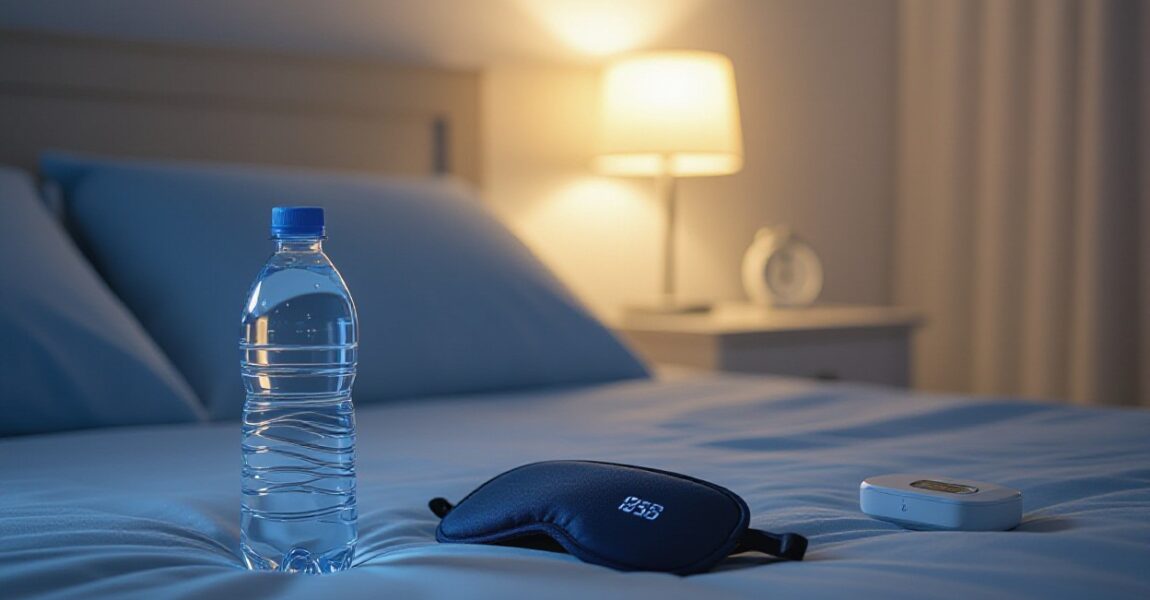
Just because hydration affects bodily functions, your fluid balance can help or hinder sleep; maintaining optimal hydration supports body temperature regulation and blood flow that promote deeper rest, while dehydration can cause dry mouth, headaches and leg cramps that disrupt sleep, and overhydration may cause frequent nighttime urination that fragments sleep; adjusting intake and timing helps you maximize benefits and avoid these risks. Stay refreshed through the night with our RO water—pure hydration that supports better sleep, deeper rest, and a more energized tomorrow.
Key Takeaways:
- Moderate hydration supports body functions (temperature regulation, circulation) that promote restful sleep.
- Drinking large amounts before bed often causes nocturia—waking to urinate—which fragments sleep.
- Dehydration can cause dry mouth, muscle cramps, headaches, and lightheadedness that interfere with falling or staying asleep.
- Timing matters: hydrate well earlier in the day and reduce evening fluids to limit nighttime bathroom trips.
- Individual needs vary by activity, climate, and medications; adjust intake and avoid caffeine or alcohol close to bedtime.
The Importance of Hydration
Your cells, tissues and blood plasma depend on steady fluid balance to function optimally; in fact, about 60% of your body weight is water, and the US National Academies recommends roughly 3.7 L/day for men and 2.7 L/day for women from all beverages and foods. Small changes matter: losing as little as 1–3% of body weight in water can raise heart rate, elevate core temperature and degrade cognitive performance, all of which can ripple into poorer sleep quality if the imbalance is not corrected before bedtime.
Beyond total volume, timing and composition of what you drink shape outcomes. Electrolyte balance, blood volume and hormonal signals like antidiuretic hormone (ADH) interact with sleep physiology—so while steady daytime hydration supports circulation and thermoregulation (helpful for falling into restorative slow-wave sleep), excessive evening drinking can trigger nocturia and fragmented sleep. At the extremes, both persistent underhydration and overhydration carry risks: chronic low intake impairs recovery and alertness, whereas hyponatremia from excessive fluid intake can be life-threatening. Let Summer Drinking Water keep you hydrated day and night—so your body stays balanced and you enjoy deeper, more restful sleep
How Water Affects Body Functions
Water directly regulates your body temperature through sweating and peripheral blood flow; when you’re dehydrated, your ability to dissipate heat is reduced and core temperature stays higher, which interferes with the normal nighttime drop in temperature needed for deep sleep. Blood volume falls with fluid loss, so your heart must work harder to deliver oxygen to tissues; this can increase nocturnal heart rate and reduce time spent in slow-wave sleep. Hormonal control matters too: ADH suppresses urine at night, and disruptions to fluid balance can alter ADH patterns and disturb sleep continuity.
On a cellular level, water maintains electrolyte gradients that nerves and muscles use to function; even modest sodium or potassium shifts change neuronal excitability and may worsen cramps, restless legs or nocturnal awakenings. Practical examples include athletes who lose ~2% body mass during training and report impaired cognitive focus, and older adults who often have blunted thirst signaling and are more prone to both dehydration and nocturia. Keeping electrolytes in range and avoiding >5% fluid loss during the day helps prevent these downstream sleep problems.
Hydration Levels Throughout the Day
You typically wake in a mildly dehydrated state after 6–8 hours without fluid; many people are 0.5–1% lighter from overnight water loss and benefit from an initial 300–500 ml on waking to restore plasma volume and reduce morning cortisol spikes. During daytime, your needs fluctuate: physical activity, ambient temperature and meals increase fluid demands, so spacing intake—aiming for steady sips rather than large boluses—helps maintain stable circulation and core temperature, which supports better sleep later.
In the afternoon and early evening you should prioritize replenishing losses from activity and food, targeting a daily total near the academy guidelines (adjusted for exercise and heat). Large volumes within 60–90 minutes of bedtime increase the risk of nocturia and sleep fragmentation; conversely, going to bed mildly underhydrated can heighten overnight thirst and discomfort. Balance is the goal: consistent intake across the day with reduced volumes close to bedtime minimizes both dehydration-related sleep disruption and urine-induced awakenings.
For actionable timing: sip about 200–300 ml with each meal, take 150–250 ml every 1–2 hours during prolonged activity, and stop drinking large volumes 60–90 minutes before lights-out; if you wake thirsty at night, small sips are preferable to chugging a large glass. Tailor these numbers to your body weight and environment—if you sweat heavily, add electrolyte-containing beverages during long sessions to replace sodium losses and protect sleep by preventing cramp or excessive nocturnal thirst.

Hydration and Sleep Quality
How well you sleep ties directly to how well your body manages fluids overnight: blood volume influences circulation to the brain and muscles, while water balance affects your ability to dissipate heat — both key for entering and maintaining deep sleep. Even a mild fluid deficit of about 1–2% of body weight can impair mood, increase perceived effort and raise heart rate, which makes falling into restorative slow-wave sleep harder.
The Link Between Dehydration and Sleep Issues
When you run low on fluids, you may experience dry mouth and thicker nasal secretions that increase snoring and upper-airway resistance, making breathing less stable during sleep. You can also get nocturnal muscle cramps from electrolyte shifts; those spasms commonly wake you and fragment sleep architecture, reducing total deep- and REM-sleep time.
Physiologically, dehydration lowers blood volume and forces the heart to work harder to maintain perfusion, often raising nighttime sympathetic activity and cortisol levels; as a result, your sleep efficiency and continuity decline. In real-world terms, athletes who lose 2% body mass to sweating report worse subjective sleep quality the same night, showing how acute fluid losses can translate quickly into disturbed sleep.
Optimal Hydration for Restful Sleep
You should prioritize steady fluid intake across the day rather than loading up at night: aim for roughly about 2–3 liters (8–12 cups) of total water from drinks and food for most adults, adjusting upward if you sweat a lot. Stop drinking large volumes about 1–2 hours before bedtime to minimize nocturnal trips to the bathroom, and if you exercise in the evening, replenish with ~500–700 ml afterward plus electrolytes if the session was intense.
For bedtime itself, a small sip (around 150–250 ml) if you’re thirsty usually suffices; avoid heavy fluids, caffeine, and alcohol in the 3–4 hours before bed because they either disrupt sleep stages or act as diuretics. Pay attention to medication and age factors: older adults and people on diuretics may need tailored timing to reduce nocturia, while excessive nighttime drinking can cause dangerous hyponatremia in rare but extreme cases.
Practical schedule example: start with 400–700 ml shortly after waking, spread 800–1,000 ml from midmorning to midafternoon, 400–700 ml after late workouts, then limit evening intake to 150–300 ml; if you have persistent nighttime awakenings despite this, track fluid timing and discuss adjustments with your clinician to balance hydration and sleep continuity.
Timing of Hydration
You should spread your fluid intake through the day so you aren’t forced to drink large volumes close to bedtime; the National Academies suggests average total water intake (from food and drink) of about 2.7 L for women and 3.7 L for men, and meeting that earlier in the day lowers night‑time disruption. Aim to taper fluids in the last 1–2 hours before you sleep and treat evening hydration as maintenance rather than catch‑up: a small 100–150 mL sip is less likely to wake you than a 300–500 mL glass.
Because bladder capacity averages roughly 300–500 mL in adults and urine production continues overnight, timing matters for sleep quality; nocturia (waking to urinate) becomes more common with age and fragmented sleep reduces restorative slow‑wave and REM stages. For practical guidance on late‑night drinking risks and benefits see Drinking Water Before Bed: Is It Healthy?
Best Times to Drink Water
After waking, drinking about 250–500 mL helps restore hydration after the overnight fast and can improve daytime cognitive function and energy, which indirectly supports better sleep later. During meals, 150–300 mL aids digestion without overloading your bladder, and spacing drinks every hour during the day (200–300 mL per hour depending on activity) is a simple routine that keeps you hydrated without a late‑evening spike.
If you exercise in the evening, hydrate earlier—consume 300–500 mL about two hours before activity and then 150–250 mL during or immediately after to replace losses; finishing most of that rehydration at least 60–90 minutes before bed reduces the chance of nocturnal awakenings. Stopping major fluid intake 1–2 hours before sleep is an effective, evidence‑based strategy to lower nighttime bathroom trips.
Avoiding Disruptive Hydration Habits
Avoid chugging large volumes right before bed or relying on late‑night fluids to fix daytime dehydration; those habits commonly produce multiple awakenings. Be aware that caffeine has a half‑life of roughly 3–7 hours, so coffee, tea, or energy drinks in the late afternoon can increase urine output and fragment sleep, and alcohol, while sedating initially, raises nocturnal urine production and causes more awakenings later in the night.
Adopt specific habits: empty your bladder just before lights out, limit evening diuretics (caffeinated beverages, high‑alcohol drinks), and keep a small bedside cup if you must sip so you avoid large volumes. For people prone to nocturia or fall risk at night, these changes can substantially reduce sleep fragmentation and safety hazards—reducing one or more nightly bathroom trips often improves overall sleep efficiency.
For example, if you find yourself waking two to three times nightly, try a one‑week experiment: stop all nonimperative fluids two hours before bed, avoid caffeine after 2 p.m., and record awakenings; many people report a drop of at least one nightly waking within days, especially when combined with a pre‑bed bathroom visit and limiting evening alcohol.
Signs of Dehydration
Physical and Mental Indicators
You’ll first notice physical cues: persistent thirst, a dry or sticky mouth, and reduced urine output that is often dark yellow instead of pale straw. Less than about 4 bathroom visits per day or urine darker than a straw color commonly signals underhydration, and severe cases can progress to low blood pressure or fainting.
Mental changes appear even with small losses of body water — as little as 1–2% of body weight can impair your mood, attention, and short-term memory. You might experience headaches, lightheadedness, slowed reaction time, or pronounced fatigue; if you develop confusion, a very rapid heart rate, or difficulty waking, those are dangerous signs that need urgent care.
- Thirst
- Dry mouth
- Dark urine
- Fewer bathroom trips
- Headache
- Dizziness
- Reduced cognitive performance
- Rapid heartbeat
- Confusion
Any prolonged combination of these signs, particularly confusion or a rapid heartbeat, should prompt medical evaluation.
Hydration Tips to Combat Dehydration
Aim to spread fluid intake across the day rather than loading up at once; a practical target is roughly 30–35 mL/kg/day (for example, about 2.1–2.5 L/day for a 70‑kg person), adjusted for climate and activity. You can follow simple rules for exercise: drink ~500 mL about 2 hours before activity, then ~150–250 mL every 15–20 minutes during exercise, and replace ~125–150% of fluid lost in the hours after.
If you sweat heavily or exercise >60 minutes, include sodium-containing fluids or sports drinks to speed rehydration; older adults and some medications blunt thirst, so set reminders or use scheduled sips. You should also time evening fluids to keep your daytime hydration high while reducing nocturnal bathroom trips — avoid large volumes within 1–2 hours of bedtime to protect sleep continuity.
- Spread intake throughout the day
- 500 mL pre-exercise
- 150–250 mL every 15–20 min during exercise
- Replace 125–150% of losses after exercise
- Use electrolyte drinks for heavy sweating
- Adjust for age and meds
- Limit large evening volumes
Any plan you follow should be personalized to your activity level, environment, and health status.
You can also use practical techniques: weigh yourself before and after workouts (a 1 kg loss ≈ 1 L sweat) to calculate exact replacement needs, carry a marked water bottle to track intake, and use a urine color chart as a quick daily check. For elderly people, enforce scheduled drinking because thirst cues diminish with age, and for people with sleep concerns, prioritize daytime hydration and modestly reduce fluid close to bedtime to balance rehydration with uninterrupted sleep.
- Weigh before/after exercise to estimate loss
- Marked water bottle for tracking
- Urine color chart as a daily check
- Scheduled sips for older adults
- Daytime focus to protect sleep
Any sustained strategy that combines monitoring and small, consistent fluid goals will reduce dehydration risk and support better sleep quality.
Impact of Different Beverages on Sleep
When you compare beverage types, their effects fall into clear patterns: beverages with caffeine or alcohol consistently impair sleep quality, while plain water and unsweetened decaffeinated drinks are neutral if timed properly. For example, consuming sugary sodas or high-glycemic juices within an hour of bed can raise your blood glucose and insulin, which in some people leads to nighttime awakenings; one controlled trial found that high-glycemic evening meals shortened sleep latency but increased night-time arousals. Diuretics like coffee and some herbal preparations can also increase nocturia risk—if you drink >500–700 mL of fluid within the hour before bed, your chance of waking to urinate rises sharply.
Specific beverage choices therefore matter more than total volume in many cases: caffeinated and alcoholic drinks have the largest negative impact, while caffeine-free herbal teas, tart cherry juice, and decaf coffee may help or be neutral for some people. You should also weigh interactions—combining alcohol with sedating medications or certain herbs can amplify drowsiness but still worsen sleep architecture, creating a trade-off between falling asleep faster and getting restorative sleep.
Caffeine and Alcohol Considerations
Caffeine has a mean half-life of about 5 hours (range 3–7 hours), so you can still have ~50% of an afternoon dose in your system at bedtime; therefore avoid consuming caffeine within 6 hours of your planned bedtime, and be cautious if you consume >200–300 mg daily (roughly 2–3 cups of brewed coffee). Individual sensitivity matters: some people notice sleep disruption from as little as 75 mg. Alcohol may help you fall asleep faster, but studies using polysomnography show it reduces REM sleep in the first half of the night and increases wakefulness in the second half, producing overall poorer sleep efficiency even when total time in bed seems unchanged.
Keep in mind one standard drink equals about 14 grams of pure alcohol; drinking even 1–2 standard drinks within a few hours of bedtime can fragment sleep and produce REM rebound the following night. If you use alcohol as a sleep aid, you should know that chronic nightly intake raises the risk of insomnia and daytime impairment, and combining alcohol with benzodiazepines or non-benzodiazepine hypnotics significantly increases respiratory depression risk.
Herbal Teas and Sleep-Friendly Options
Chamomile, valerian, lavender, and passionflower are the most-studied sleep-promoting herbs; chamomile contains apigenin, which binds benzodiazepine receptors in animal models, and valerian has been associated in some randomized trials with modest reductions in sleep latency (often on the order of about 10–20 minutes). Tart cherry juice is another option: several small trials report increases in total sleep time of ~25–30 minutes and improvements in sleep efficiency, likely due to natural melatonin and polyphenols. choose caffeine-free herbal brews and standardize dosing where possible—for example, 1–2 grams of chamomile extract or 300–600 mg of standardized valerian extract in studies showing benefit.
Watch for interactions and side effects: valerian can potentiate prescription sedatives, and kava (sometimes marketed for anxiety) has been linked to severe hepatic injury and should be avoided for sleep. If you take antidepressants, anticoagulants, or sedative medications you should check with a clinician before starting regular herbal tea use because herbs can alter drug metabolism and increase sedation.
Practical brewing and timing matter: steep chamomile for 5–10 minutes and drink it about 30–60 minutes before bed to align peak bioactive effects with sleep onset, while valerian is often taken 1–2 hours before sleep for best results. Consistency helps—most trials used nightly supplementation for 2–4 weeks to detect benefits—so you should try a controlled short trial rather than expect immediate, dramatic changes from a single cup.
Final Words
Now, staying hydrated supports better sleep by helping regulate your body temperature, reducing muscle cramps, and maintaining cognitive function so you can fall asleep and stay asleep more easily; consistent hydration during the day contributes to overall sleep quality and recovery.
However, excessive fluid intake close to bedtime can cause nighttime awakenings for bathroom trips, so hydrate steadily throughout the day and limit fluids in the hour or two before bed; adjust your intake for activity, climate, and medications, and consult a healthcare provider if sleep or hydration concerns persist.
FAQ
Q: Does staying hydrated affect how quickly I fall asleep?
A: Yes. Mild dehydration can cause dry mouth, headaches, muscle cramps and increased heart rate, all of which can make it harder to relax and fall asleep. Adequate fluid levels help maintain stable blood volume and circulation, supporting a calmer nervous system and smoother transition to sleep.
Q: Can hydration influence sleep quality and the number of nighttime awakenings?
A: Hydration status affects body temperature regulation and electrolyte balance, both tied to sleep architecture. Dehydration can fragment sleep by increasing cortisol and causing discomfort, while overhydration near bedtime raises the chance of nocturia, interrupting sleep. Maintaining balanced hydration reduces both discomfort-driven and bladder-driven awakenings.
Q: How does hydration interact with body temperature and the sleep-wake cycle?
A: Water helps regulate core temperature through sweating and blood flow. Proper hydration supports the normal evening drop in core temperature that signals sleep onset. Electrolyte imbalances from dehydration can impair thermoregulation and alter circadian signals, making sleep onset and maintenance less stable.
Q: When and how much should I drink to support better sleep without frequent bathroom trips?
A: Spread fluid intake evenly across the day rather than consuming large volumes at night. Aim for consistent hydration—moderate intake with meals and sips between meals—and reduce fluids in the 60–90 minutes before bed. Individual needs vary by body size, activity and environment; check urine color (light straw) as a simple guide.
Q: Are there risks to drinking too much water for the sake of better sleep, and how can I balance it?
A: Excessive intake, especially right before bed, can cause nocturia and, in rare cases, hyponatremia. Balance adequate daily fluids with sensible timing: hydrate through the day, include electrolytes after heavy exercise, limit caffeine and alcohol in the evening, and consult a clinician if you have heart, kidney, or endocrine conditions or take diuretics that affect fluid needs.
- November 14, 2025
- Health