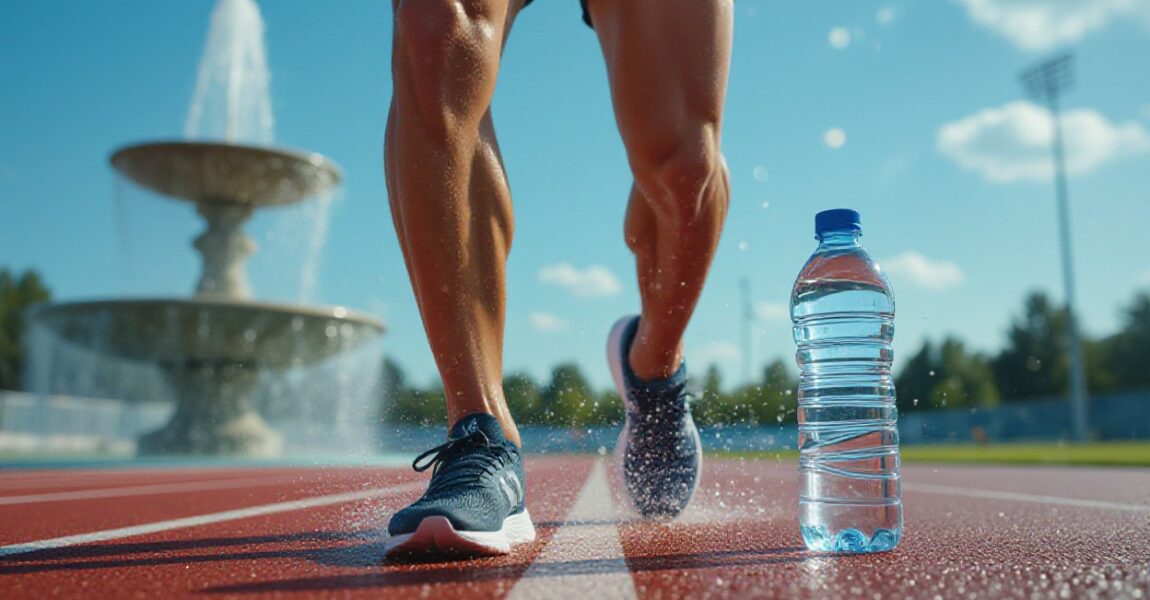
Water helps maintain fluid balance and supports muscle function, reducing the risk of exercise-associated cramps when combined with adequate electrolytes and pacing; you should hydrate before, during and after activity, monitor urine color, and match intake to sweat losses to optimize performance and lower cramp likelihood. Stay cramp-free and perform at your best with our mineral water gallon, giving you the hydration and essential minerals your muscles need during every workout
Key Takeaways:
- Hydration can lower the risk of muscle cramps for some people, but research is mixed; many cramps are linked to neuromuscular fatigue rather than dehydration alone.
- Maintaining fluid balance helps preserve muscle function and performance; dehydration of >2% body weight impairs performance and may increase cramp likelihood.
- When exercise causes heavy sweating, replacing electrolytes (especially sodium) matters—drinking plain water alone can dilute sodium and worsen symptoms.
- Effective prevention combines adequate fluid intake before and during activity with conditioning, gradual progression, proper warm-up, and pacing.
- If a cramp occurs, stop or slow down, gently stretch and massage the muscle, and rehydrate with water plus an electrolyte-containing drink; seek medical advice for frequent or severe cramps.
Understanding Muscle Cramps
You should view muscle cramps as a neuromuscular event more than just a hydration problem: they are involuntary, often painful, sustained contractions driven by increased motor neuron excitability and altered reflex control within the muscle itself. Studies using electromyography (EMG) consistently show high-frequency motor unit discharge during an active cramp, and experimental work has demonstrated that local muscle fatigue — not systemic electrolyte depletion alone — frequently precipitates that hyperexcitability in exercise-associated settings.
In practice, cramps commonly affect the calf, hamstring and quadriceps and typically last from a few seconds up to several minutes; in endurance events they tend to appear in the final stages when fatigue accumulates. You’ll also see different patterns across populations: nocturnal leg cramps increase with age, while exercise-associated muscle cramps (EAMC) cluster in athletes who push repetitive, high-force contractions or experience prolonged work in heat, often with sweat rates of 1–2 L/hour and variable sodium losses depending on individual sweat composition. Keep muscle cramps at bay with consistent hydration — our 19-liter bottled mineral water delivery makes it easy to stay fueled and ready for every exercise routine
Anatomy of Muscle Cramps
You need to understand the local reflex circuitry to follow why cramps occur: muscle spindles (stretch receptors) excite alpha-motor neurons when stretched, while Golgi tendon organs provide inhibitory feedback when tension rises. When fatigue or repetitive microtrauma shifts this balance toward increased spindle activity and reduced inhibitory input, the net effect is runaway motor neuron firing in the affected motor units, producing that sudden, sustained contraction.
At the tissue level, the motor unit — one alpha motor neuron and all the muscle fibers it innervates — is the functional unit that goes into overdrive during a cramp. EMG-based studies reveal that cramps are characterized by repetitive, high-frequency motor unit potentials rather than a true tetanic lock of all fibers; this explains why cramps can be focal (a few motor units) and why targeted interventions such as stretching can quickly reduce spindle drive and restore normal inhibition.
Common Causes of Muscle Cramps
You’ll find multiple, often overlapping triggers: neuromuscular fatigue from prolonged or intense activity is the leading mechanism cited in contemporary literature, but dehydration and electrolyte losses (sodium, potassium, magnesium, calcium) are frequently implicated in practice—especially when sweat rates are high or sodium concentration in sweat is elevated. Poor conditioning, sudden increases in training load, prior injury or muscle tightness also raise your risk, and certain medications (for example, loop diuretics or some statins) and systemic conditions (thyroid disease, pregnancy, peripheral vascular disease) can predispose you to more frequent episodes.
Evidence from controlled studies, however, shows mixed relationships between serum electrolyte levels and cramping: you might have normal serum sodium and still cramp, because local interstitial changes and neuromuscular fatigue can occur without detectable systemic abnormalities. In field observations, athletes commonly report cramps in the last 10–20% of long events, which aligns with the fatigue-driven model rather than a single, universal electrolyte deficit.
Delving deeper into electrolytes, sodium is the main determinant of extracellular osmolality and can be lost in significant amounts with heavy sweating (individual sweat sodium varies widely), but clinically significant hyponatremia is defined as serum sodium <135 mmol/L and is not routinely present in isolated exercise cramps. You should note that potassium, magnesium and calcium play roles in membrane excitability and muscle contraction; yet randomized trials of single-nutrient supplementation show inconsistent reductions in cramp incidence, suggesting that local neuromuscular factors and training status often matter more than one-off electrolyte corrections.
The Role of Hydration in Exercise
Hydration supports the electrical and metabolic environment your muscles need to function; when you lose fluids and electrolytes through sweat, plasma volume falls, cardiac output must rise to compensate, and the ionic gradients that help nerves and muscle fibers fire reliably can shift. Clinical resources note that leg cramps may have multiple causes and that hydration can be one modifiable factor — see Leg Cramps at Night: Causes, Pain Relief & Prevention for more on common contributors and prevention strategies.
In practical terms, small differences matter: a 2% loss of body weight from dehydration (about 1.4 kg for a 70 kg athlete) is associated with measurable drops in endurance and strength and increases in perceived exertion. Your sweat sodium concentration typically ranges from roughly 500–1,500 mg per liter depending on genetics and acclimatization, so fluid losses can quickly translate into osmotic and volume changes that alter neuromuscular excitability and performance.
Importance of Water for Athletes
Water is the solvent for the biochemical reactions that generate ATP, transport oxygen and nutrients, and clear lactate and other metabolites; when you’re even mildly underhydrated your blood becomes more viscous, heat dissipation is less efficient, and power output can decline. For example, studies show that losing about 2% of body mass reduces time-to-exhaustion and can lower strength and sprint capacity—effects you’ll notice in high-intensity intervals or repeated lifts.
Thermoregulation also depends on adequate water stores. Sweating and skin blood flow work together to shed heat; if you don’t replace what you lose, core temperature rises faster, heart rate drifts upward, and central nervous system drive can diminish. In endurance events and hot conditions, that combination increases your risk of fatigue and may make involuntary muscle spasms more likely during late stages of exercise.
Hydration Needs During Physical Activity
Two to four hours before exercise, aim for about 5–10 mL/kg of body mass to start in a euhydrated state. During activity, match intake to your sweat rate when possible: moderate sessions typically require about 0.4–0.8 L/hour, whereas intense exercise in heat can push sweat rates to 1.0–2.0 L/hour or more. After exercise, plan to replace losses at approximately 1.25–1.5 L of fluid for every kilogram of body mass lost to fully restore balance.
If your session lasts under an hour and intensity is moderate, plain water is usually sufficient. For efforts longer than 60–90 minutes or those with high sweat sodium losses, include electrolytes—most sports drinks contain roughly 300–700 mg sodium per liter, which helps preserve plasma volume and reduces the amount of plain fluid you need to retain.
To estimate your personal needs, weigh yourself before and after training: 1 kg lost equals about 1 L of sweat. If you lose 1 kg during a two-hour run, your sweat rate is ~0.5 L/hour; target drinking a portion of that during exercise and the remainder during recovery, and use that measured sweat rate to adjust fluid and electrolyte strategies across future sessions.

Water and Muscle Function
Muscle tissue is roughly 70–75% water, so fluid balance directly affects the cellular environment where contraction and recovery occur. When your cells are well hydrated, ion gradients across the sarcolemma and the sarcoplasmic reticulum operate more smoothly, supporting efficient calcium release and reuptake—two processes central to force production and relaxation. Blood volume also depends on hydration; lower plasma volume limits oxygen and nutrient delivery to working fibers and slows metabolite clearance, which accelerates fatigue during prolonged or repeated efforts.
Even modest fluid losses change performance: losing about 2% of your body mass from sweat commonly degrades endurance capacity, raises perceived exertion and increases cardiovascular strain. In high-intensity or repeated-sprint activities the effect can show up as reduced peak power, slower recovery between efforts, and poorer neuromuscular control—factors that raise the chance you’ll feel an involuntary, painful contraction during or after exercise.
How Water Affects Muscle Performance
Water maintains cellular volume, and that volume influences membrane excitability. If your muscle fibers shrink with intracellular water loss, ion concentrations (sodium, potassium, chloride) around the membrane change, altering the threshold for action potentials and the timing of excitation–contraction coupling. In practice, this means you may experience slower force production and less precise motor control when you are even slightly dehydrated.
Cardiovascular support for working muscles also depends on hydration. Reduced plasma volume forces a higher heart rate to preserve cardiac output and cutbacks in muscle blood flow can limit aerobic ATP production. For example, studies consistently show endurance performance drops once you are ~2% hypohydrated; for repeated high-intensity efforts, you may notice declines in sprint speed and increased muscle fatigue well before that point if rehydration and electrolyte replacement are inadequate.
The Link Between Dehydration and Cramps
Dehydration can increase the likelihood of cramps in some situations by concentrating electrolytes in the extracellular space and reducing plasma volume, both of which affect motor-neuron excitability. Your sweat contains sodium (commonly in the range of ~20–80 mmol/L depending on genetics and acclimatization), and prolonged heavy sweating without adequate replacement shifts the balance of sodium and fluid across membranes—one proposed pathway to heightened spontaneous motor unit activity and painful contractions.
However, evidence is mixed: many cramps occur in athletes who are not obviously dehydrated, and controlled lab work points to neuromuscular fatigue as the stronger common denominator. For instance, electrically induced cramp models and field observations show that fatigued muscles display altered reflex control and increased motor drive, and interventions like small volumes of pickle juice have relieved cramps in ~30–60 seconds in some trials, implying a neural reflex component rather than purely fluid/electrolyte correction.
If you sweat heavily or compete for more than an hour, monitor your body-mass changes and consider sodium-containing fluids (many sports drinks provide roughly 300–700 mg sodium per liter) to limit body-mass loss to about 2% or less during long sessions; conversely, avoid overdrinking plain water which can dilute serum sodium and cause hyponatremia.
Research on Water and Cramp Prevention
Studies Supporting Hydration
Several laboratory and field studies suggest that maintaining fluid and electrolyte balance can reduce how often you experience cramps. In controlled trials of electrically induced muscle cramps (typical sample sizes range from about 10–20 participants), interventions that added sodium or used hypertonic fluids shortened cramp duration compared with plain water; the so‑called “pickle juice” experiments are frequently cited, where subjects reported symptom relief in under a minute after ingestion. Observational work in endurance events also links larger body‑mass losses (>2% of body weight) and higher sweat sodium losses with a higher self‑reported incidence of cramps, implying that marked dehydration or salt depletion can contribute for some athletes.
Case series and coach reports add practical examples: ultra‑endurance competitors who sweat heavily and fail to replace fluids and electrolytes are often the athletes you’ll see most prone to late‑race cramping, and targeted rehydration strategies (fluid + sodium) have reduced episode frequency in several small training cohorts. Those findings support a pragmatic approach where you monitor your sweat rate and replace both fluid and salts during prolonged, hot, or high‑sweat workouts.
Contradictory Findings
Not all research supports a simple hydration–cramp link. You’ll find randomized trials and observational studies showing no significant difference in serum sodium, body‑mass change, or total fluid intake between athletes who do and do not cramp during competition. Systematic reviews note inconsistent results across studies and often classify the overall evidence as low to moderate quality, meaning you can’t assume hydration alone explains most exercise‑associated cramps.
Methodological weaknesses contribute to these contradictions: many studies rely on self‑reported cramping, vary widely in how they measure hydration (body mass vs plasma osmolality), and use small, heterogeneous samples. You should interpret single studies cautiously because an electrically induced cramp model, for instance, may not reflect the multifactorial causes of spontaneous exercise cramps in the field.
To reconcile the mixed evidence, consider that multiple mechanisms likely act together—neuromuscular fatigue, altered spinal‑reflex activity, and local metabolic factors can interact with your hydration and electrolyte status. In practical terms, this means hydration may lower risk in athletes with high sweat and salt losses, but you’ll also need to address training load, muscle fatigue, and conditioning to reduce your overall cramp susceptibility.
Practical Hydration Strategies
Pre-Exercise Hydration Tips
Consume a measured amount well ahead of start time: target 5–7 mL per kg body weight about 4 hours before activity (for a 70 kg athlete that’s roughly 350–490 mL). If you arrive at the venue still feeling concentrated or with dark urine, add another 3–5 mL/kg two hours before; a small top-up of 150–250 mL about 10–20 minutes before helps settle thirst without sloshing in your stomach.
Use quick checks to guide exact volumes: aim for pale straw-colored urine and use body-mass changes from a training session to estimate your typical sweat loss. Practice these volumes in training so you know whether plain water, a carbohydrate–electrolyte drink, or a light snack with salt best stabilizes your levels.
- Weigh yourself before and after a typical workout to calculate sweat rate — each 1 kg lost ≈ 1.2 L of fluid you need to replace over the next few hours.
- Follow the 5–7 mL/kg at 4 hours rule; for example, 80 kg → 400–560 mL.
- If conditions are hot or you expect heavy sweating, include an electrolyte drink or a small salty snack (e.g., pretzels or a salted peanut mix) in the pre-event window.
- Avoid gulping large volumes (≥500–800 mL) immediately before exercise; instead sip 150–250 mL close to the start to reduce GI discomfort.
This simple, testable routine helps you arrive at the start line hydrated without overloading your stomach.
In-Exercise Hydration Techniques
Estimate your target fluid rate from measured sweat loss: many athletes begin with 0.4–0.8 L per hour and then adjust — sweat rates commonly range from 0.3 to 2.0 L/hour depending on intensity and heat. If you lose 1 kg in an hour of training, that indicates roughly 1.2 L lost; you can use that number to set a drinking plan and accept that full replacement during high-intensity efforts may not be practical.
Sip regularly rather than gulping: aim for ~150–250 mL every 15–20 minutes when possible. For sessions lasting longer than about 60–90 minutes, use a 6–8% carbohydrate sports drink to supply 30–60 g carbs per hour while replacing electrolytes; for example, drinking 800 mL/hour of a 6% solution provides about 48 g of carbohydrate each hour.
For very long or hot sessions where your sweat rate exceeds ~1.0–1.5 L/hour, plan multiple strategies: schedule aid-station stops, carry concentrated electrolyte tabs or gels, and practice consuming both fluids and salty foods in training so your gut tolerates the intake during events.
Other Factors Influencing Muscle Cramps
- Neuromuscular fatigue and local muscle overload: when you push muscles beyond their accustomed load—such as sudden increases in intensity, long downhill running, or repeated sprinting—motor control becomes disrupted and cramps become more likely.
- Environmental heat and high sweat rates: in hot, humid conditions you can lose 1–2+ L/hr of sweat; if you’re a “salty sweater” your sodium losses per liter can be substantial, so plain water alone may worsen symptoms by diluting extracellular sodium.
- Training history and biomechanics: unaccustomed eccentric work, muscle imbalances, and poor movement patterns concentrate fatigue in specific muscles and elevate cramp risk.
- This means you’ll often need individualized strategies—combining tailored electrolyte intake, progressive conditioning, and targeted warm-ups—rather than a single universal remedy.
Electrolyte Balance
Sodium, potassium and magnesium influence membrane potentials that govern muscle excitability, so deficits can alter how easily a muscle fires. You’ll find most sports drinks supply roughly 300–700 mg of sodium per liter and a banana provides about 400 mg of potassium—practical amounts to replace modest losses during 1–2 hour sessions. At the same time, clinical serum electrolyte disturbances are uncommon in short workouts, so electrolyte replacement is most relevant when you sweat heavily, exercise for multiple hours, or have a history of long-event cramps.
If you typically lose more than ~1 L/hr of sweat or compete in events longer than 90 minutes, consider a targeted plan: use electrolyte drinks or salty snacks during training, or get a sweat-sodium test to quantify your losses. Studies show mixed results linking serum electrolytes directly to cramping, so use symptom tracking and individualized replacement (for example, 300–700 mg sodium per hour in prolonged exercise) rather than assuming electrolytes are always the root cause. Also be aware that excessive plain water can dilute sodium and contribute to hyponatremia in endurance settings, so balance fluids with electrolytes when needed.
Stretching and Conditioning
Neuromuscular fatigue from inadequate conditioning is a frequent trigger: when a muscle becomes fatigued its motor control patterns degrade and spasms are more likely. You’ll lower your risk by progressing loads gradually—avoid increasing weekly intensity or volume by more than ~10%—and by addressing eccentric strength deficits that commonly affect hamstrings and calves after hill running or sprint work.
Warm-ups and flexibility routines also matter: implement a dynamic warm-up of 8–15 minutes (easy jogging, leg swings, walking lunges, A-skips) to raise muscle temperature and neural readiness, then perform post-session static stretches held 20–30 seconds for 2–3 reps and foam rolling to aid recovery. Neuromuscular control drills (single-leg balance, jump-landing technique) help distribute load and prevent focal fatigue that leads to cramps.
You can build a practical routine by adding eccentric strength twice weekly (for example, Nordic hamstring lowers: 3 sets of 6–8 controlled reps), a 10-minute dynamic warm-up before intense sessions, and 5–10 minutes of targeted mobility and soft-tissue work afterward; these measures reduce the sudden overloads and neuromuscular instability that commonly precipitate exercise-related cramps.
Summing up
Ultimately, staying well hydrated with water reduces the likelihood that dehydration will trigger muscle cramps during exercise, but water alone is not a guaranteed prevention. You should understand that cramps are often multifactorial—electrolyte loss (especially sodium), neuromuscular fatigue, and inadequate conditioning can all play roles—so plain water helps when fluid loss is the issue but may be insufficient or counterproductive if it dilutes electrolytes during prolonged, intense, or hot activity.
You should drink to match your sweat losses and the demands of your session: use water for short-to-moderate workouts and include electrolyte-containing fluids or salty foods for long, hot, or high-sweat efforts; also address training load, warm-up, and recovery to reduce recurrence, and seek professional assessment if cramps are frequent or severe.
FAQ
Q: Does drinking water during exercise actually prevent muscle cramps?
A: Drinking water helps prevent cramps when dehydration is a contributing factor. Adequate fluid intake maintains blood volume and muscle cell function, lowering the chance of cramps caused by fluid loss and high body temperature. However, many cramps stem from neuromuscular fatigue or electrolyte imbalances, so water alone will not prevent every type of cramp.
Q: How do electrolytes affect cramp risk compared with plain water?
A: Electrolytes (sodium, potassium, magnesium, calcium) help regulate nerve impulses and muscle contraction. During prolonged or very sweaty exercise, losing electrolytes can increase cramp risk even if you drink plain water. In those situations, fluids containing electrolytes or sports drinks, or salt-containing snacks, are more effective than plain water for preventing cramps and avoiding dilution of blood sodium.
Q: How much and when should I drink to reduce the chances of cramps?
A: Aim to start exercise well hydrated by drinking fluids in the hours before activity (for example, ~500 ml 2–3 hours before). During exercise, consume small, regular amounts tailored to sweat rate—commonly 150–300 ml every 15–20 minutes. After exercise, replace losses by drinking until urine is pale and output returns to normal. Adjust volume for heat, intensity, and individual sweat rate; overdrinking without electrolytes can cause low blood sodium.
Q: If I still get cramps despite drinking water, what should I change?
A: Evaluate other causes: inadequate conditioning, sudden increases in intensity or duration, poor warm-up, tight muscles, and electrolyte loss. Add electrolytes during long sessions, improve conditioning gradually, include dynamic warm-ups and regular stretching, and check hydration status by urine color. If cramps persist despite these measures, consult a healthcare provider to rule out underlying medical issues.
Q: What immediate steps should I take when a muscle cramp occurs during exercise?
A: Stop the activity, gently stretch the affected muscle (for example, calf stretch for a calf cramp), apply firm pressure or massage, and sip fluids with electrolytes. Cooling the area and moving gently once pain lessens can help. If cramps are frequent, track training, fluid and salt intake, and environmental conditions to identify triggers and adjust strategy accordingly.
- November 17, 2025
- Health