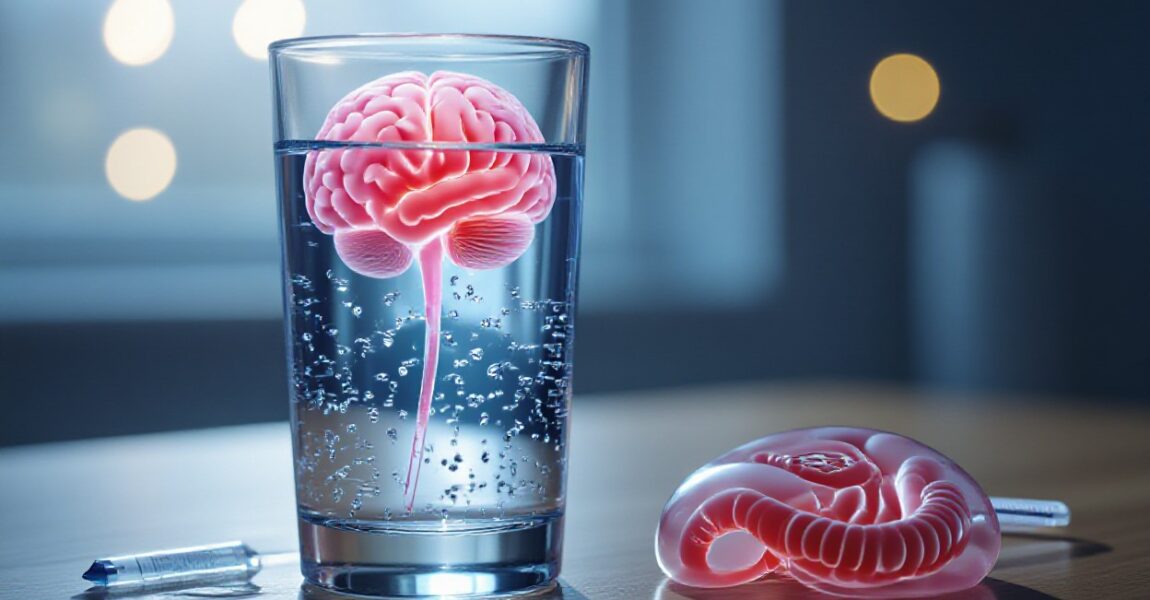
There’s a good chance you’re underestimating how much your water bottle can do for you when life feels like it’s coming at you from all sides. When you’re stressed, your body chews through resources fast, and if you’re not topping up, your focus, mood, and even your sleep can tank, hard. By staying on top of your hydration, you give your brain and body a simple, powerful edge so you can handle pressure without completely wiping yourself out. Hydration becomes one of your easiest, most underrated stress-management tools. Staying hydrated with clean, purified RO water helps keep your mind clear, energy steady, and stress levels balanced—giving your body the reliable hydration it needs to handle pressure and perform at its best during stressful times.
- Hydration quietly stabilizes your mood – even mild dehydration can make you feel extra irritable, snappy, or on edge, so sipping water is like giving your nervous system a tiny reset button.
- Drinking enough water helps your brain focus when stress is trying to scatter your thoughts, so tasks feel a bit more manageable instead of like you’re juggling 15 tabs in your head at once.
- Staying hydrated supports steadier energy, which means fewer mid-afternoon crashes where stress + fatigue team up and everything suddenly feels ten times heavier than it really is.
- Water helps your body clear out stress-related junk (like excess cortisol byproducts), so your system can calm down faster after intense moments instead of staying stuck in that wired-but-tired state.
- Making hydration a tiny daily ritual gives you a sense of control during chaotic times – every glass becomes a simple, doable act of self-care that tells your body, “hey, I’ve got you.”
Why Staying Hydrated Actually Matters During Tough Times
Your Body’s Best Friend
Picture this: you’re racing through a packed day, coffee in one hand, phone in the other, and your head feels heavy and foggy even though you’ve barely sat down. That weird combo of tension headache, tight neck, and that wired-but-tired feeling? A lot of the time, that’s not just stress, it’s low-key dehydration turning the volume up on everything your body is already dealing with. When you’re stressed, your heart rate and breathing pick up, your body burns through fluids faster, and if you’re not replacing them, you end up running on a kind of dry, gritty fuel that makes every little problem feel bigger.
In more concrete terms, even losing around 1-2% of your body weight in water can start to mess with things like blood volume, circulation, and temperature control. That means your heart works harder, your muscles fatigue faster, and your brain gets slightly less oxygen and nutrients than it really wants. During a tough week, that tiny shift can be the difference between “I handled that meeting” and “why did that totally normal email almost make me cry?” Hydration isn’t about perfection, it’s about giving your body a steady baseline so it doesn’t have to fight on every front at once. Desa Mineral Water provides essential hydration that supports your body and mind, helping you stay balanced, energized, and resilient during stressful times.
Mood Booster, Anyone?
On those days when every text feels passive aggressive and the smallest inconvenience sets you off, it’s easy to blame your job, your partner, your inbox… but not the half-empty water bottle on your desk. Yet research has shown that even mild dehydration can increase feelings of anxiety, tension, and fatigue in otherwise healthy adults. One study out of the University of Connecticut found that just a 1.5% drop in hydration status was enough to tank mood, spike irritability, and make tasks feel harder and more exhausting than they actually were.
So when you notice you’re more snappy, more sensitive, or just weirdly low for no obvious reason, checking your water intake is one of the simplest “mood audits” you can do. You don’t need fancy tonics either – a regular glass of water, a herbal tea, or even water-rich foods like cucumber, oranges, or watermelon will help top you up. The cool part is that as you keep your fluid levels steadier across the day, your emotional reactions usually feel steadier too, like someone quietly turned down the background static in your brain.
What’s especially interesting is that hydration seems to interact with your brain chemistry in very real ways: when you’re dehydrated, your body cranks up cortisol (your main stress hormone), your brain struggles more with serotonin balance, and your prefrontal cortex – the part that helps you regulate emotions and make rational choices – just doesn’t fire as efficiently. That’s why a simple habit like sipping water before big stress moments (presentations, hard conversations, intense study sessions) can act like a mini mood insurance policy, helping you feel a notch calmer, clearer, and more in control than you would on a dry tank.
How Hydration Helps You Think Straight
Keeping Your Brain in the Game
In a lot of productivity forums lately, people are tracking water intake right next to pomodoros and deep-work blocks, and there’s a reason for that: your brain is about 73% water, so when you’re low, your thinking just doesn’t fire the same. Research from the University of Connecticut found that even 1-2% dehydration can tank your cognitive performance – slower reaction times, more mistakes, and way more “wait, what was I doing?” moments. When you’re already stressed, that tiny drop in hydration hits harder, because your brain is trying to juggle cortisol, emotions, deadlines, and still keep you functioning.
What actually happens is pretty simple: less water means your blood gets a bit thicker, circulation isn’t as smooth, and your brain cells get less oxygen and glucose, so they act like a laptop on 5% battery. You might notice it as zoning out in meetings, rereading the same sentence three times, or needing way more coffee just to feel baseline. Keeping a steady intake of fluids – water, herbal tea, even water-rich foods like cucumber or orange slices – helps maintain stable blood flow so your prefrontal cortex (the part that handles planning, focus, and impulse control) can stay online. And when that part of your brain stays online, you make better calls instead of stress-driven, knee-jerk ones.
Ditching the Foggy Thoughts
What a lot of people on TikTok and Reddit call “brain fog” often lines up almost perfectly with what hydration studies describe as mild dehydration: slower information processing, fuzzy short-term memory, and difficulty focusing on complex tasks. In one small study, adults who were just 1% dehydrated reported significantly higher levels of confusion and fatigue, even though their physical workload hadn’t changed at all. You feel it as that weird mix of tired-but-wired, where you’re sitting in front of your laptop, tabs open, but your brain feels like it’s moving through syrup.
Instead of just blaming stress or poor sleep, you can use water like a quiet reset button during the day. Try this: every time you catch yourself staring at the screen, scrolling pointlessly, or losing your train of thought mid-sentence, take 8-12 slow sips of water and give it 10-15 minutes. That small, consistent habit helps your brain clear metabolic waste more effectively, supports electrolyte balance, and can smooth out those random dips in clarity that make you feel like you’re “off your game”. It won’t magically solve burnout, but it very often strips away that extra layer of mental static so you can actually tell how tired or stressed you truly are.
On a deeper level, staying hydrated also supports the systems that quietly keep fog at bay in the background, like cerebrospinal fluid circulation and your brain’s glymphatic system, which helps clear out waste byproducts that build up while you’re grinding through long days. When you’re dry, those cleanup processes get less efficient, which is one reason you might feel especially spaced out after a salty lunch, three coffees, and almost no water. By pairing steady hydration with short movement breaks – even just standing, stretching, and walking around for 2 minutes while you finish a glass of water – you create a kind of mini “flush cycle” for your brain, so your thoughts feel sharper, your words come easier, and your focus sticks around long enough to actually finish what you start.
Seriously, Hydration Can Help You Sleep Better
The Link Between H2O and Zzz’s
Hydration quietly sets the stage for how fast you fall asleep and how often you wake up at night. When you’re low on fluids, your body ramps up production of stress hormones like cortisol and adrenaline, which makes your brain feel like it’s on high alert instead of in bedtime mode. On top of that, mild dehydration thickens your blood a bit, your heart has to work harder, and your body temperature regulation gets sloppy – all stuff that makes it harder to drift off and stay out.
There’s also the very un-glamorous side: dry mouth, leg cramps, a pounding heart at 2 a.m. A 2019 study of over 20,000 adults found that people who were short on sleep were significantly more likely to be dehydrated, and the researchers pointed right at a disrupted vasopressin rhythm – that’s the hormone that tells your kidneys to hold onto water overnight. When you’re well hydrated during the day, vasopressin can actually do its job at night so you aren’t stuck in that wake-pee-repeat cycle.
Your Sleep Quality Matters
Quality sleep isn’t just about how many hours you log, it’s about how much time you actually spend in deep and REM sleep, and hydration sneaks into all of that. If your body is even 1-2% dehydrated, your heart rate tends to sit higher, your core temperature drifts, and that alone can nudge you out of deep sleep into lighter stages, so you wake up feeling like you barely rested. When your cells have the water they need, your body can cool itself properly, your heart rate settles, and your brain gets to cycle through those deep repair phases that make you feel human the next morning.
Stress throws a wrench in the gears too, because it pushes you toward late-night scrolling, salty snacks, extra caffeine, and skipped water – basically the perfect storm for choppy sleep. You might crash hard at first, then pop awake at 3 a.m. with a dry throat, slight headache, or racing thoughts, which is your body quietly asking for water and balance. Hydrating steadily through the day, easing up on fluids in the last 60-90 minutes before bed, and adding electrolytes if you’re sweating a lot gives your nervous system a calmer baseline to work from, so sleep feels less like a fight and more like something your body just slides into.
What often gets missed is that good sleep and good hydration feed each other on a loop. When you sleep well, your kidneys, lymph system, and brain’s “cleaning crew” (the glymphatic system) flush out the waste that builds up during stressful days, and that process literally depends on fluid movement. If your sleep is trash, you wake up groggy, grab more caffeine, drink less water, and your stress climbs – which then wrecks your sleep again. So by tightening up the simple stuff like keeping a water bottle at your desk, sipping consistently instead of chugging late at night, and pairing water with every coffee, you’re not just “drinking more”, you’re quietly upgrading the entire stress-sleep-hydration triangle your body leans on to get through hard weeks.
What’s the Deal with Stress-Eating?
How Water Can Help Control Cravings
Most people assume stress-eating is all about willpower, like you just “can’t control yourself” around snacks, but in reality your body chemistry is running the show. When you’re tense, cortisol spikes, your blood sugar swings around, and suddenly that bag of chips feels like a rescue mission instead of a choice. The wild part is that mild dehydration can make this worse, because your brain often confuses thirst signals with hunger, so you reach for food when what you actually needed first was plain water.
In one small 2016 trial, adults who drank about 500 ml of water before meals cut their calorie intake by 13 to 18 percent, which is huge if you tend to snack under pressure. Try this during a stressful day: before you grab a cookie or order takeout, drink a full glass of water, then give it 10 minutes – you’ll notice some cravings lose their edge, especially the random “bored” or “scrolling on your phone” hunger. You can also keep a 600-750 ml bottle at your desk and aim to refill it 3 times during the workday, which quietly keeps your appetite signals from going completely off the rails when deadlines hit.
Avoiding Emotional Overload
A lot of people think emotional overload is purely mental, like it’s all in your head, but your nervous system is basically slamming every alarm button at once when you’re stressed and dehydrated. Less fluid in your system thickens your blood a bit, your heart has to work harder, and your body produces more stress hormones to keep up, so you feel edgy, reactive, and weirdly close to tears over tiny stuff. In one study from the University of Connecticut, even just 1.5% dehydration led to higher tension, anxiety, and fatigue in otherwise healthy adults, which is the exact mix that pushes you toward emotional blowups or shutdowns.
When you start getting ahead of that with water, your emotional bandwidth stretches out again, so little frustrations don’t feel like the final straw. Try pairing hydration with a micro-pause: every time you refill your bottle, you stand up, breathe slowly 5 times, sip, and only then go back to whatever drama your inbox is throwing at you. It sounds too simple, but stacking hydration with tiny grounding breaks helps you respond instead of react, so you don’t end up stress-eating, doomscrolling, or snapping at people you actually care about.
On a more practical level, keeping your fluids up gives you a tiny delay buffer that stops emotional spirals from escalating. That small ritual of “sip first, then respond” turns into a pattern: you send fewer ragey texts, you walk away from random office snacks that don’t even taste that good, and you notice earlier when you’re mentally overloaded instead of waking up at 2 a.m. wondering why you inhaled half the pantry. Over time, that kind of hydrated self-check-in becomes one of your quiet, behind-the-scenes stress-protection habits, even on the days everything feels like too much.
My Take on Hydration and Your Immune System
Most people think immune support is all about vitamin C packets and fancy supplements, but if you’re not hydrated, a lot of that effort is basically running on half power. Your immune cells travel in your blood and lymph, and both of those are mostly water, so when you’re dried out, everything moves slower, signals get a bit fuzzy, and your body has a harder time getting defense cells where they need to be. That alone can make you feel wiped out, even if you’re not technically “sick” yet.
What you really want is a steady flow of fluids so your body can move nutrients in and waste out quickly, especially during stressful weeks when inflammation quietly creeps up. Research in the Journal of Human Nutrition and Dietetics has shown that even mild dehydration can increase cortisol levels and inflammatory markers, which basically means your immune system is getting poked from both sides. If your body is low on water, it has fewer resources to fight off the stuff that’s actually trying to knock you down.
Boosting Your Defenses
A lot of people assume “strong immunity” is about having more white blood cells, but what you really want is well-coordinated immune cells that can communicate clearly. Hydration affects this messaging system, because your cytokines (those chemical signals your immune cells use to talk) move through fluid, and when you’re underhydrated, that chemical conversation gets sluggish. So you might technically have enough immune cells, but they’re late to the party or responding in a clumsy way.
On a super practical level, staying hydrated also supports your front-line defenses: your saliva, mucus, and tear film all rely on adequate fluid, and that’s what helps trap and clear viruses and bacteria before they really set up shop. When you’re even 1-2% dehydrated, those protective barriers start to dry out, which is why your throat can feel scratchy and your nose weirdly irritated after long stressful days with too much coffee and not enough water. Moist mucous membranes are basically your body’s natural “air filter” against germs, and you support that every time you grab a glass of water instead of a third energy drink.
Staying Healthy During Stress
People often think getting sick during stressful seasons is just bad luck, but a lot of it comes down to how your body is juggling water, hormones, and inflammation. When stress spikes, your body pumps out more cortisol and adrenaline, which can change how your kidneys handle fluid and electrolytes, so you end up peeing more, sweating more, and not fully replacing what you lose. Couple that with stress habits like skipping meals, downing extra coffee, or sipping wine at night to “take the edge off”, and your hydration status can tank pretty fast without you even noticing.
What makes this a bigger deal than it seems is that dehydration and stress tend to amplify each other: less water means higher perceived fatigue, more headaches, worse mood, and a weaker stress response, which then makes you feel even more worn down and vulnerable to every bug going around the office. If you stay even moderately hydrated during your busiest weeks, you’re imperatively giving your immune system the baseline support it needs so stress doesn’t tip you over the edge.
During those high-pressure stretches – work deadlines, exams, family drama, whatever your version is – it helps to treat hydration like a quiet little insurance policy for your health. You don’t need some extreme routine, but having a water bottle in your sightline, pairing every coffee with at least half a glass of water, and adding a pinch of salt or an electrolyte tab once a day if you’re sweating a lot can make a noticeable difference in how often you catch stuff. You may still feel stressed, sure, but you give your body enough fluid to keep mucus thin, circulation strong, and immune cells moving efficiently, which is usually the difference between “I feel stressed but fine” and “I feel wrecked and now I’m sick on top of it”.
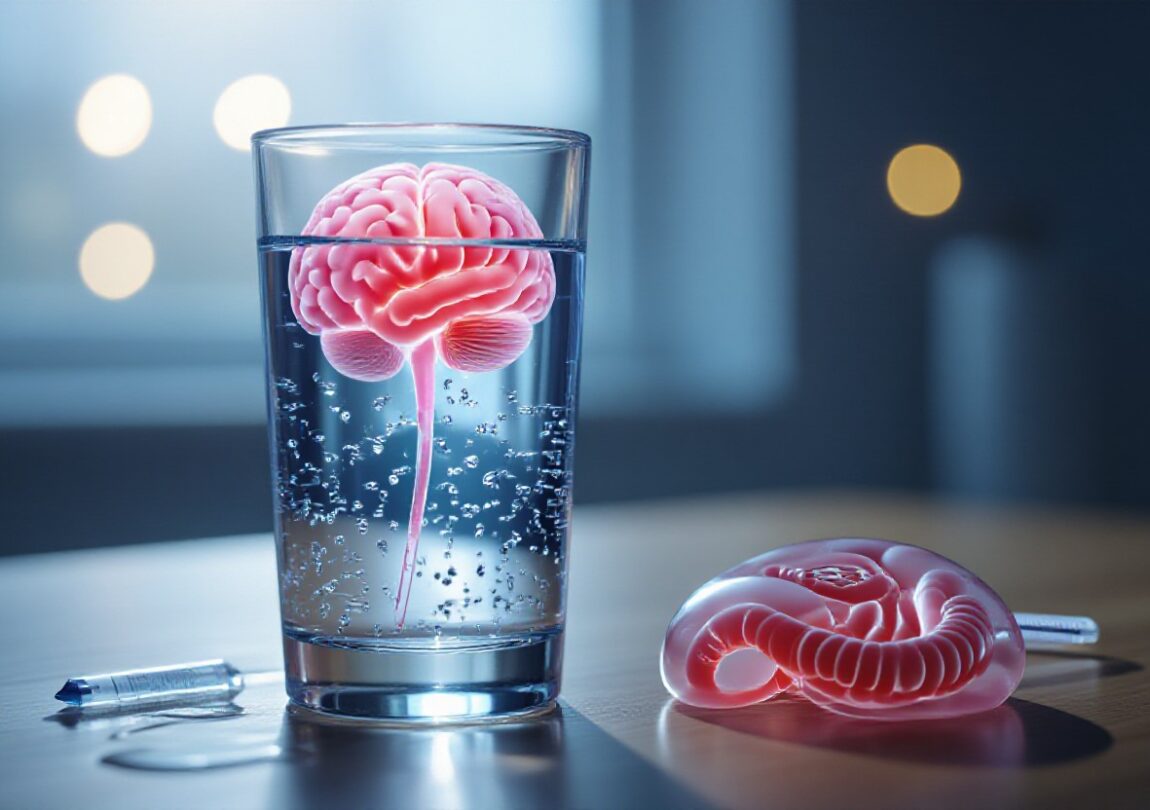
Tips for Making Hydration a Habit
Scrolling through TikTok, you’ve probably seen the huge Stanley cups and pastel emotional-support water bottles taking over – that trend caught on for a reason, because visual cues actually help you build a real hydration habit. When you attach drinking water to small routines you already do – like brushing your teeth, logging into work, or starting a Zoom meeting – you start to run on autopilot instead of relying on willpower, and that’s exactly what you want on stressful days.
If you like data, you can even treat your hydration like a tiny experiment and track how you feel when you hit your personal goal (for a lot of people that’s around 2 to 3 liters per day, adjusted for body size and activity). This is also where reading up on solid science like 7 Science-Based Health Benefits of Drinking Enough Water can keep you motivated, because you see in black and white how much consistent hydration affects mood, focus, digestion, and stress recovery.
- Pair your daily tasks with a specific hydration trigger like email, meals, or workouts.
- Use a marked bottle so you can see your water intake progress at a glance.
- Set gentle phone alerts that nudge you to drink water regularly instead of chugging once a day.
- Keep water within arm’s reach anywhere you spend 1+ hours to support steady hydration levels.
- Track a simple streak in your planner to make your hydration habit feel rewarding and visible.
This simple combo of cues, tracking, and environment shifts turns staying hydrated from a stressful chore into something that quietly runs in the background while you deal with everything else on your plate.
Easy Ways to Drink More Water
One thing that helps a ton is treating your water like a snack – small, steady sips instead of one giant chug at 3 p.m. You might fill a 24-ounce bottle and make it your goal to finish one by late morning and another by late afternoon, which automatically gets you to about 1.5 liters without feeling like you’re forcing it on top of everything else you have going on.
Another simple hack is flavor, because when you’re stressed your taste buds want something interesting, not boring tap water. Add a few slices of citrus, cucumber, or frozen berries, or use an electrolyte packet a couple times a week so you actually crave your bottle, and this small upgrade can make your daily water intake feel like a treat instead of another task on your list.
Fun Reminders to Keep You on Track
Instead of naggy alarms, try turning your hydration reminders into things you actually like interacting with so they feel light, not annoying. You can name your water bottle in your phone and let it “text” you with custom notifications, or use a habit app that celebrates when you hit your hydration goal with little confetti animations, because a tiny hit of dopamine goes a long way when your stress is already high.
People also have a lot of success turning it into a game: compete with a friend on who hits their personalized daily water target most days in a row, or give yourself a small reward on Fridays if you hit your goal 4 out of 5 workdays, and this playful approach keeps hydration in your awareness without making it feel like yet another self-care rule you’re failing at.
On top of that, you can anchor your reminders to stuff you already enjoy, like taking a sip every time you change playlists, finish a meeting, or start a new episode of your show, and this kind of pairing makes your hydration routine feel natural instead of forced, especially when life is chaotic and discipline is in short supply.
Final Words
From above, the wild part is that something as basic as sipping water can quietly upgrade how you handle stress, almost like giving your brain and body a softer landing when life gets intense. When you keep yourself hydrated, you’re not just avoiding a dry mouth, you’re supporting steadier moods, sharper thinking, better sleep, and even more emotional control when you’d usually feel like snapping. That means during those chaotic weeks, your water bottle isn’t just an accessory on your desk – it’s part of your stress-management toolkit.
In your day-to-day, the simplest move is to make hydration automatic so you’re not scrambling to fix things after you already feel fried. Keep water within arm’s reach, set small cues on your phone if you have to, pay attention to how your focus and patience shift when you’re actually hydrated… then use that as proof. Because once you see how much calmer, clearer, and more grounded you feel with enough water in your system, you’ll treat hydration less like a chore and more like a personal power-up you’d be silly to skip.
FAQ
Q: How does staying hydrated actually help my body handle stress better?
A: Stress hits your body like a wave, and water works a bit like a buffer so things don’t spiral. When you’re hydrated, your blood volume stays more stable, which helps your heart not work overtime and keeps oxygen and nutrients flowing to your brain and muscles.
On top of that, your kidneys clear stress-related waste more efficiently when you have enough fluid in your system, so you don’t get that heavy, sluggish feeling that makes everything feel harder. Hydration also supports your adrenal glands, which are involved in producing stress hormones, so they’re not constantly running on empty.
If you’re running dry, your body can misread that as another form of stress, which just piles onto whatever you’re already dealing with. So water isn’t just a nice-to-have during stressful times – it’s part of how your body keeps the stress response from going off the rails.
Q: Can drinking enough water really improve my mood and mental clarity when I’m stressed?
A: Mild dehydration can make you feel more irritable, foggy, and emotionally on edge than you need to be. Your brain is super sensitive to changes in fluid balance, so even being a bit low on water can mess with focus, memory, and general mental sharpness.
When you’re well hydrated, your brain cells can communicate more efficiently, which supports better concentration and decision-making – especially when you’re juggling a lot. Ever notice how everything feels more dramatic when you’re tired and thirsty? That’s not just in your head, your brain is literally working harder to do the same tasks.
Hydration also supports better blood flow to the brain, which affects how quickly you process information and bounce back from mental fatigue. So if you’re in a stressful season, keeping a water bottle nearby is a simple, low-effort way to protect your mood and your mind a bit.
Q: What are the physical benefits of staying hydrated when my stress shows up as tension or headaches?
A: Stress loves to show up in your body – tight shoulders, clenched jaw, tension headaches, that kind of thing. When you’re dehydrated, your muscles get even more cranky, because they need enough fluid and electrolytes to contract and relax smoothly.
Water helps your muscles flush out metabolic waste and get the nutrients they need, which can ease that achy, stiff, or cramped feeling. Headaches often get worse when you’re low on fluids, since dehydration can temporarily affect blood vessels and fluid balance around the brain.
So while hydration won’t magically erase every stress-related pain, it can lower the intensity and frequency of things like headaches, fatigue, and general body tension. Pairing water with light movement or stretching during stressful days can make a surprisingly big difference in how your body feels by the evening.
Q: How does hydration support energy levels and sleep when I’m under a lot of pressure?
A: Stress usually brings long days, racing thoughts, and broken sleep, which is a rough combo. When you’re hydrated, your blood pressure and heart rate tend to stay more stable, which supports a more natural energy rhythm instead of that wired-then-wiped-out rollercoaster.
Dehydration can leave you feeling exhausted, dizzy, or heavy, so you end up reaching for more caffeine and sugar, which then messes with sleep even more. Keeping your fluid intake steady helps your body regulate temperature at night and can reduce things like dry mouth, muscle cramps, and that restless, can’t-get-comfy feeling.
If you often wake up feeling like you barely slept, even on quieter nights, try front-loading your water earlier in the day and easing up in the last hour or two before bed. That way you get the benefits of hydration without constant nighttime bathroom trips cutting into your sleep.
Q: What are some simple ways to stay hydrated during stressful times without adding more pressure or rules?
A: When life feels like a lot, you don’t need another complicated habit to manage, you need easy wins. Start by anchoring water to things you already do: a glass after you wake up, one with each meal, a refill before long calls or meetings, and a few sips whenever you change tasks.
If plain water feels boring, mix it up with herbal tea, infused water (like slices of citrus, cucumber, or berries), or sparkling water so it feels a bit more fun. Eating more water-rich foods helps too – think fruit, yogurt, soups, smoothies, cooked veggies with some moisture still in them.
Instead of chasing a perfect number of glasses, aim for light-colored urine most of the day and adjust based on how active, hot, or stressed your day is. Tiny, consistent sips can add up quietly in the background and support you while you deal with the big stuff in front of you.
- December 22, 2025
- Benefits