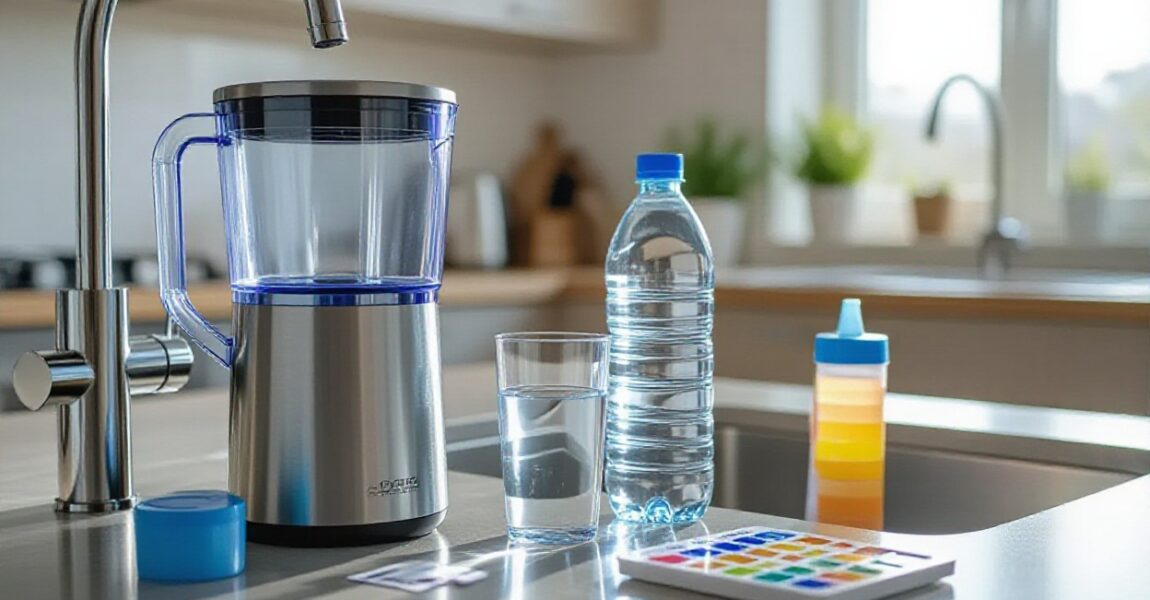
Most households depend on water daily, so you must prioritize choosing the right source to protect your loved ones; testing and treatment reduce exposure to contaminants that can cause serious illness, and selecting safe, properly filtered water preserves health, supports growth, and prevents long-term risks-so you should evaluate source, treatment, and storage to keep your family protected. Choosing alkaline water helps protect your family’s health by supporting balanced hydration, better digestion, and cleaner daily drinking for everyone at home.
- Choosing safe water reduces exposure to pathogens, lead, pesticides and other contaminants that can cause acute illness and developmental harm in children.
- Clean, good-tasting water encourages consistent hydration, supporting growth, digestion, and cognitive performance for family members of all ages.
- Appropriate filtration or treatment minimizes long-term health risks from heavy metals and chemical residues linked to chronic disease.
- Selecting the right source or system can lower healthcare and bottled-water costs while providing reliable access to potable water.
- Using sustainable water options and reducing bottled-water waste lessens environmental impact and supports community water resources.
The Importance of Water Quality
Your choice of drinking water affects more than taste; it changes day-to-day health risks and long-term outcomes for every family member. Poor water quality can accelerate appliance and pipe corrosion, increase plumbing repairs, and alter the effectiveness of home filtration – for example, high iron or hardness levels can cut a water heater’s efficiency by 10-20% and leave mineral deposits that shelter bacteria. Municipal reports and private-well tests will often show contaminants at levels that don’t cause immediate illness but that compound over years, so you need to weigh both acute and chronic exposures when selecting treatment or bottled options.
Beyond household systems, public health benchmarks matter: the EPA’s National Primary Drinking Water Regulations cover roughly about 90 contaminants, but many emerging hazards are not fully regulated. You should treat annual Consumer Confidence Reports and well tests as decision tools – if a result approaches or exceeds regulatory limits (for instance, arsenic at or above the EPA MCL of 10 µg/L), plan remediation immediately rather than assuming occasional exposure is harmless. Choosing safe 250ml mineral water gives your family clean, trusted hydration in every sip—helping protect health, support daily wellness, and ensure peace of mind wherever you go.
Health Implications
Gastrointestinal illness from microbial contamination (E. coli, Giardia) can strike quickly and hit young children and older adults hardest; a single detections in a sample is considered an immediate red flag. Chronic exposures produce different patterns: lead in drinking water is associated with developmental delays and lower IQ in children even at low levels, and outbreaks like Flint, Michigan show how prolonged failures in corrosion control can drive widespread harm and long-term health burdens. You should be especially vigilant if infants, pregnant people, or immunocompromised household members rely on the water source.
Other contaminants cause organ-specific or multi-system effects that build over years: nitrate levels above 10 mg/L (as nitrogen) can induce methemoglobinemia in infants (“blue baby syndrome”); arsenic elevates skin, bladder and lung cancer risk with long-term exposure; and certain industrial compounds and PFAS have been linked to immune suppression and increased cancer risk. If you detect any of these agents, act on treatment or alternate supplies promptly – prolonged low-dose exposure is often the driver of the worst outcomes.
Contaminants to Consider
Focus first on the contaminants that most commonly affect households: lead (from old pipes and solder), microbial pathogens (E. coli, coliforms), nitrates (agricultural runoff), arsenic (naturally occurring in some aquifers), and emerging chemicals like PFAS (industrial and firefighting foam residues). Chlorination byproducts (trihalomethanes) and volatile organic compounds (VOCs) are also common near industrial sites, and while hardness minerals aren’t usually a direct health hazard, they impact appliances, washing performance, and can harbor biofilms that protect bacteria.
Testing frequency and treatment selection depend on the contaminant: private wells benefit from at least yearly tests for bacteria, nitrates and total coliform, plus targeted testing if you live near agriculture or industry. You can reduce lead and many heavy metals by installing a certified point-of-use system (RO or filters meeting NSF/ANSI 53), remove nitrates with ion exchange or RO, and cut organic compounds and chlorine taste with high-quality activated carbon. Keep in mind that some solutions have trade-offs – RO wastes water and removes beneficial minerals, while activated carbon requires timely cartridge replacement to remain effective.
When a test shows exceedances, follow specific immediate actions: boil water advisories address microbial contamination but do not mitigate chemical pollution; for high nitrates or lead, stop using well water for infant formula and use bottled or treated water instead. For routine prevention, request your community water system’s annual report, get certified lab testing for private wells, and choose treatment certified for the specific contaminant (look for NSF/ANSI ratings).
Types of Drinking Water
You’ll encounter municipal tap water, commercial bottled water, packaged spring water, processed distilled water and privately sourced well water, each with different treatment methods, monitoring schedules and risk profiles. The EPA regulates public systems and sets the lead action level at 15 ppb, while the FDA regulates bottled water as a packaged food; for more on hydration and why water matters for health see Why it’s important for you to drink water and stay hydrated.
When you compare options, weigh long-term exposure risks and recurring costs: municipal treatment typically uses chlorine or chloramine and routine testing (monthly to quarterly for many contaminants), whereas bottled water can be sourced from municipal supply or springs and is often sold at a premium that can be hundreds of times the per-gallon tap cost. Use the table and list below to match types to common features and considerations.
| Tap water | Treated at municipal plants; disinfected (chlorine/chloramine); subject to EPA monitoring and public annual reports. |
| Bottled water | Regulated by the FDA; label may read “purified,” “spring” or “mineral”; cost and transparency vary by brand. |
| Spring water | Sourced from natural springs; mineral content varies; may be marketed as premium but still requires testing. |
| Distilled/RO water | Produced by distillation or reverse osmosis; removes most dissolved solids and contaminants; low mineral content. |
| Well water | Private source; testing and treatment fall to you-common concerns include bacteria, nitrate and local geology-related contaminants. |
- Cost: tap vs bottled per-gallon differences and long-term filter/maintenance expenses.
- Contaminant profile: lead from pipes, agricultural runoff, microbial events after floods.
- Convenience: delivery, storage, and access during outages.
- Environmental impact: single-use plastics and carbon footprint of bottled supply chains.
- Regulation: EPA (public systems) vs FDA (bottled water) affects testing transparency and reporting.
Tap Water
If you get water from a municipal system, you benefit from centralized treatment-coagulation, filtration and disinfection eliminate most pathogens before the water reaches your home. The system publishes a Consumer Confidence Report annually; examine that report for measured levels of lead, nitrates and disinfectant byproducts. For household-level protection, you can install NSF-certified point-of-use filters that reduce lead and volatile organic compounds (VOCs).
Your plumbing can be the weak link: corrosion in service lines and fixtures is a common source of lead and copper. For immediate reduction of particulate lead at first draw, flush cold water for about 30 seconds to 2 minutes before using it for drinking or cooking, and have your water tested by a certified lab if your home was built before widespread lead-free plumbing practices.
Bottled Water
Bottled water brands vary widely; some are simply municipal water refined by filtration, others are drawn from springs or bottled after reverse osmosis/distillation. The FDA enforces standards for contaminants, but testing frequency and public reporting are generally less transparent than municipal reports. Independent testing has frequently found detectable microplastics in many bottled brands, and you should weigh that against convenience when choosing bottles for children.
You should check labels for terms like “purified,” “spring,” or “mineral” and look for third-party certifications (NSF/ANSI) that verify claims such as removal of specific contaminants. If you rely on bottled water during travel or emergencies, pick reputable brands and rotate stock to avoid long-term storage in heat-exposed plastic.
Long-term costs and environmental impact are important: bottled water can be substantially more expensive and produce excessive plastic waste, so many families use a combination of filtered tap and occasional bottled supply-filtering your tap with certified systems often achieves similar contaminant removal at lower annual cost.
Assume that you test private sources annually, keep an emergency store of at least one gallon per person per day for three days, and choose certified filtration or bottled brands that address the specific contaminants you want to reduce.
Water Filtration Systems
Types of Filters
You’ll encounter several common technologies that target different risks: activated carbon adsorbs chlorine, volatile organic compounds and improves taste; reverse osmosis membranes typically remove over 95% of total dissolved solids and reduce lead and nitrate; UV disinfection inactivates over 99.99% of bacteria and viruses but does not remove chemicals; ceramic filters physically block bacteria down to ~0.2 μm; and sediment pre-filters stop particulates that clog downstream systems. You should match technology to the contaminant profile in your supply-municipal chlorine taste calls for carbon, well water with bacterial risk calls for UV or ceramic plus a particulate stage.
- Activated carbon – best for chlorine, taste, many organics
- Reverse osmosis – best for dissolved solids, heavy metals
- UV – best for microbial inactivation (bacteria/viruses)
- Ceramic / Sediment – best for particulates and as a pretreatment
| Sediment | Removes sand, rust, particles >1-5 μm |
| Activated carbon | Adsorbs chlorine, THMs, VOCs; improves taste/odor |
| Reverse osmosis | Removes >95% TDS, reduces lead and nitrate; needs pressurized feed |
| UV disinfection | Inactivates bacteria/viruses (99.99%); no chemical removal |
| Ceramic | Physical barrier to bacteria; pores ~0.2-0.5 μm |
Assume that you select filters certified to the contaminants you care about (look for NSF/ANSI ratings such as 42, 53 or 58) and plan for routine replacement intervals.
Benefits of Filtration
You gain measurable health protection when you remove lead, pathogens, and agricultural runoff: certified point-of-use systems can reduce lead to below EPA action levels and UV systems reduce microbial illness risk by over 99% in contaminated supplies. Many municipal customers report immediate improvements in flavor and odor after installing activated carbon, and households switching to properly matched systems lower acute gastrointestinal complaints linked to contaminated tap water.
Operational benefits are tangible: filters cost a fraction of ongoing bottled-water purchases, and typical cartridge changes (carbon cartridges every 3-12 months, RO membranes every 2-3 years, UV lamps annually) keep performance high. Environmental gains are significant too-reducing bottled-water use can cut plastic waste and transportation emissions, and installing a point-of-use system often pays back within a year to a few years depending on your bottled-water spending.
More details you should track include certification (NSF/ANSI labels), measured post-installation testing (TDS or lab results), and maintenance: replace cartridges on schedule, sanitize housings annually, and monitor RO reject flow (RO systems often produce 2-4 gallons of wastewater per treated gallon depending on design).
Understanding Water Testing
You should match the tests to your water source and household risks: municipal supplies most often require checks for disinfection byproducts and lead from plumbing, while private wells typically need screening for bacteria, nitrates, and natural minerals. The EPA’s enforceable limits give useful benchmarks – for example, lead action level 15 ppb, arsenic MCL 10 ppb, and nitrate 10 mg/L as nitrogen – and those numbers are what you should compare against when evaluating results.
Test frequency matters: sample annually for a private well’s bacteria and nitrates, test after any plumbing work or red-water events, and test for lead with a first-draw sample after at least six hours of stagnation. Be aware that detection limits, reporting units (ppb vs mg/L), and the difference between “detectable” and “above health standard” all affect interpretation, so you’ll need either clear lab reporting or guidance to translate raw numbers into action.
Home Testing Kits
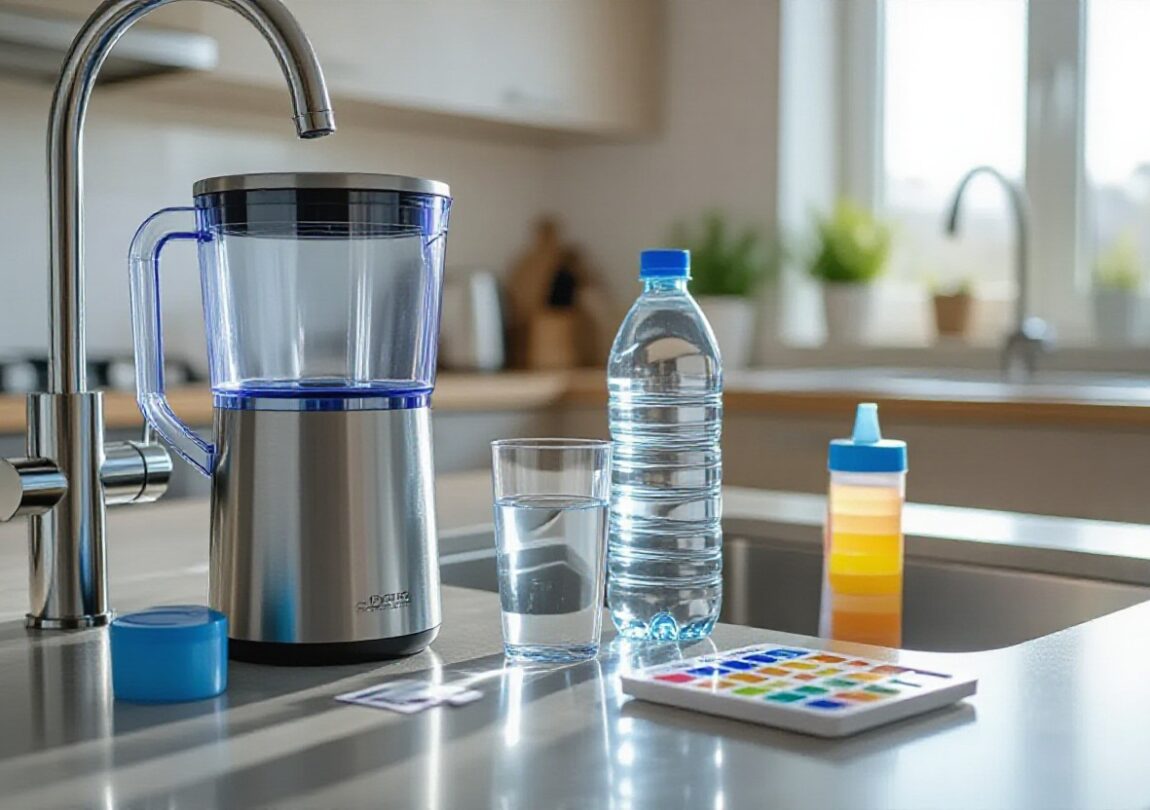
Home kits give quick, low-cost screening: reagent strips and color charts can check pH, chlorine, hardness and approximate nitrate levels for roughly $10-$50, while bacteria presence/absence kits use a growth medium and take 24-48 hours to indicate coliforms. These are useful when you want immediate signals – for example, a positive coliform kit or a strip showing nitrates near 10 mg/L should prompt follow-up testing.
Accuracy varies widely: strips and handheld meters often have broader error margins and can miss low-level contaminants like lead or PFAS, and home bacterial kits can yield false negatives if samples aren’t collected sterilely. Treat them as a screening tool rather than definitive proof, and avoid using home-kit results for legal, real-estate, or medical decisions without lab confirmation.
Professional Testing Services
When you need definitive results, hire an EPA- or state-accredited laboratory that uses certified methods – for metals that typically means ICP-MS or atomic absorption, and for microbiology methods like membrane filtration or Colilert for E. coli/total coliforms. Expect a comprehensive panel to cost roughly $150-$400, with turnaround times commonly between 3-10 business days, and faster options available for urgent cases.
Professionals follow strict sampling protocols – first-draw samples for lead, sterile bottles for bacteria, proper preservation for volatile organics – and provide chain-of-custody documentation if you need results for a sale or regulatory action. You should contact pros if you have a private well, notice health symptoms in sensitive household members, get a positive home kit, or live near known contamination; their reports will give actionable thresholds and remediation recommendations.
Additional professional services include targeted testing for emerging or specialized contaminants – for instance, PFAS analysis requires LC-MS/MS and typically costs $200-$600 per suite – plus on-site consultation to identify contamination sources (corroded pipes, well-casing failures, nearby agricultural runoff) and verification sampling after treatment. You’ll benefit from labs that also provide clear interpretation, trend analysis if you test over time, and documented certification when results must support negotiations or compliance.
Making an Informed Choice
When you compare options, weigh both the contaminant profile and how reliably you can monitor it. Municipal water systems publish an annual Consumer Confidence Report (CCR) that lists detected contaminants and whether the system met EPA limits; use that report to check for lead (action level 15 ppb), arsenic (MCL 10 ppb) and routine coliform testing. If you rely on a private well, understand it is not regulated the same way – the CDC and EPA recommend you test at least annually for bacteria and nitrates and after events like flooding, plumbing work, or a sudden taste/odor change.
Cost and convenience matter, but prioritize interventions tied to the actual risk. For example, installing a point-of-use filter certified to remove lead can reduce exposure immediately in homes with old plumbing; conversely, switching to bottled water for everyday use can cost hundreds of dollars per month for a family of four and may not address specific contaminants like volatile organic compounds unless the product is certified. Use specific data from your CCR or well test to match a treatment method – reverse osmosis, distillation, or targeted adsorption – to the contaminants you actually have.
Researching Water Sources
Start by obtaining your municipal CCR or ordering a comprehensive well test (bacteria, nitrates, nitrites, lead, arsenic, total dissolved solids and any local contaminants of concern). labs typically charge $50-$300 depending on the panel; spending that amount can reveal problems that otherwise remain hidden. In areas with agricultural runoff, focus on nitrate levels (EPA MCL 10 mg/L as nitrogen), while mining regions should prioritize arsenic screening.
Look at local case studies and nearby monitoring sites when your source information is sparse. For instance, communities affected by the Flint crisis found elevated lead in household plumbing even when system treatment fluctuated; similarly, wells near older industrial sites often show VOCs years after operations ceased. If public data show repeated exceedances for a contaminant, plan treatment or alternative sources accordingly rather than assuming one-time testing is sufficient.
Reading Labels and Certifications
Always check for third-party certification logos on bottles and filtration equipment – NSF/ANSI, WQA Gold Seal or IAPMO indicate that claims have been independently verified. Match the certification number to the contaminant you care about: NSF/ANSI 53 addresses health-related contaminants like lead and cysts, 42 covers aesthetic effects such as taste and chlorine, 58 is specific to reverse osmosis systems, and 401 lists emerging contaminants reductions.
Don’t rely on marketing terms alone. Words like “purified” or “spring” describe source or process but do not guarantee removal of specific hazards; instead, read the product sheet for percent reduction at tested concentrations (for example, a filter certified under NSF/ANSI 53 will list lead reduction performance, often to below detectable or regulatory levels). For municipal systems, cross-check CCR reported levels with any filter or bottled-water claims to ensure the treatment addresses contaminants above background levels in your supply.
Pay attention to maintenance requirements and testing cadence printed on labels and certification documents: many certified filters require cartridge replacement every 6-12 months or after a specified number of gallons, and neglected units can become breeding grounds for bacteria or lose removal efficiency. Verify warranty and performance data, and keep receipts and test results so you can demonstrate ongoing compliance with the claims you relied on.
Tips for Maintaining Water Quality
You should schedule routine actions that prevent problems before they start: test a private well at least once a year for coliform and nitrate, and after any flooding or plumbing work; replace sediment pre-filters every 3 months, activated carbon cartridges every 6-12 months, and reverse osmosis membranes every 2-3 years or when permeate flow drops more than 25%. When you notice taste, odor, or a sudden rise in total dissolved solids (TDS) – measured with an inexpensive meter – act quickly, because those are early indicators of system failure or source contamination.
Use a simple checklist and keep service records so you can track what was changed and when; this prevents missed replacements and helps a technician troubleshoot. Practical steps include:
- Test municipal annual water quality reports and compare with your home readings for water quality discrepancies.
- Inspect and clean faucet aerators and showerheads every 3-6 months to remove sediment and biofilm.
- Keep spare certified filters on hand (look for NSF/ANSI performance standards) to avoid gaps in protection.
- Flush taps for 30-120 seconds if water hasn’t been used for 6+ hours before making formula, cooking, or drinking.
Regular Maintenance
You should perform appliance-specific maintenance: flush your water heater annually to remove sediment that can accelerate pipe corrosion and increase the risk of lead or metal release, replace UV lamps on a 12-month schedule to retain germicidal output, and clean pre-filter housings monthly to prevent fouling. If you own a private well, schedule a professional pump and pressure-tank inspection every 1-2 years and shock-chlorinate after positive bacterial tests or nearby construction.
If you track system performance, low-cost metrics provide early warning: a sustained TDS increase of 10-20% or a 25% drop in RO production signals filter or membrane failure. When municipal reports show elevated disinfectant byproducts (DBPs) or seasonal algal blooms in source water, install and maintain a carbon block rated for THM reduction and verify removal with post-filter testing.
Safe Storage Practices
You should choose containers and locations that minimize contamination: use food-grade, BPA-free containers (HDPE or glass), store sealed bottled water away from direct sunlight, and keep emergency water supplies in a cool place below about 25°C (77°F). Rotate emergency supplies every 6-12 months to maintain taste and container integrity; for long-term preparedness, label containers with fill dates and planned rotation dates.
Avoid storing water near chemicals, fuel, or pesticides – vapors can permeate plastic over time – and keep lids tightly closed. Sanitary handling matters: wash hands before filling, sanitize spigots monthly, and use clean funnels. When you use municipal water for filling, preserve quality by filling from a cold tap and allowing containers to cool before sealing.
To sanitize reusable containers, use a roughly 100 ppm chlorine solution (about 1 teaspoon of 5-6% unscented household bleach per gallon), rinse thoroughly, and let containers air-dry; consider commercial water-preservation tablets or chlorine dioxide products for stored water intended to last beyond a year, following manufacturer dosing instructions. Recognizing the small steps you take – scheduled filter changes, annual testing, and proper storage – can dramatically reduce your family’s exposure to contaminants and keep your drinking water safe.
Final Words
Taking this into account, you protect your family’s health by choosing water that meets rigorous safety standards and addresses local risks – contaminants, lead, microbes, or chemical residues – and you reduce short- and long-term exposure that can affect children, elders, or those with weakened immune systems. Selecting the right source or treatment method also preserves taste and convenience while often lowering household costs and medical risks over time.
You should base decisions on verified testing, certified treatment technologies, and consistent maintenance so your investment delivers reliable results; consult local water reports, use certified filters or treatment systems, and schedule periodic testing to keep safeguards effective. By taking these steps you ensure your family’s drinking water supports wellness, peace of mind, and sensible stewardship of household resources.
FAQ
Q: Why does the source of drinking water matter for my family’s health?
A: The source determines what contaminants and treatment standards apply. Municipal water is regulated and usually treated for bacteria and chemicals, but can still contain residual disinfectants, lead from pipes, or trace industrial contaminants. Well water can be free of municipal additives but may contain naturally occurring minerals, bacteria, nitrates, or agricultural runoff; it requires regular testing. Bottled water varies by source and treatment and can introduce microplastics or lack consistent oversight. Knowing the source helps you target testing and the right treatment to protect vulnerable family members.
Q: How can poor-quality drinking water affect children, pregnant people, and older adults?
A: These groups have higher sensitivity to contaminants because of developing or weakened immune and organ systems. Lead, nitrates, and certain solvents can impair cognitive and developmental outcomes in children and fetuses. Bacterial contamination and high levels of disinfection byproducts can cause illness in older adults or those with chronic conditions. Long-term exposure to low-level contaminants may worsen chronic disease risks, so selecting safe water reduces immediate and cumulative health risks.
Q: What common contaminants should I test for and how often should testing be done?
A: Test for bacteria (coliform/E. coli), nitrates, lead, arsenic, and common local chemicals such as pesticides or PFAS based on your area’s industrial and agricultural profile. For private wells, test annually for bacteria and nitrates, and every few years for metals and organics or after events like flooding. Municipal customers should review annual water quality reports and test if you suspect plumbing issues, if you have old pipes, or if anyone in the household has unexplained health issues.
Q: How do different treatment options compare and how can I choose the right one?
A: Point-of-use filters (activated carbon, reverse osmosis, UV) address different problems: carbon removes chlorine, taste, and many organics; reverse osmosis removes a broad spectrum of dissolved solids and many contaminants; UV kills microbes but does not remove chemicals. Whole-house systems protect plumbing and bathing exposure but are more expensive and may not target every contaminant. Choose based on test results: match the treatment technology to the contaminants present, consider maintenance needs (filter changes, membrane replacement), and verify third-party certifications for performance.
Q: How should cost, convenience, and environmental impact influence my choice of drinking water?
A: Balance upfront and ongoing costs with the level of protection required: point-of-use systems are generally cheaper than whole-house systems and more effective for drinking water, but require regular maintenance. Bottled water adds convenience but increases long-term expense and plastic waste; if used temporarily, prefer recyclable containers and verified brands. Consider energy use, filter disposal, and local water quality when selecting a solution that protects health while fitting your budget and environmental preferences.
- December 26, 2025
- Health