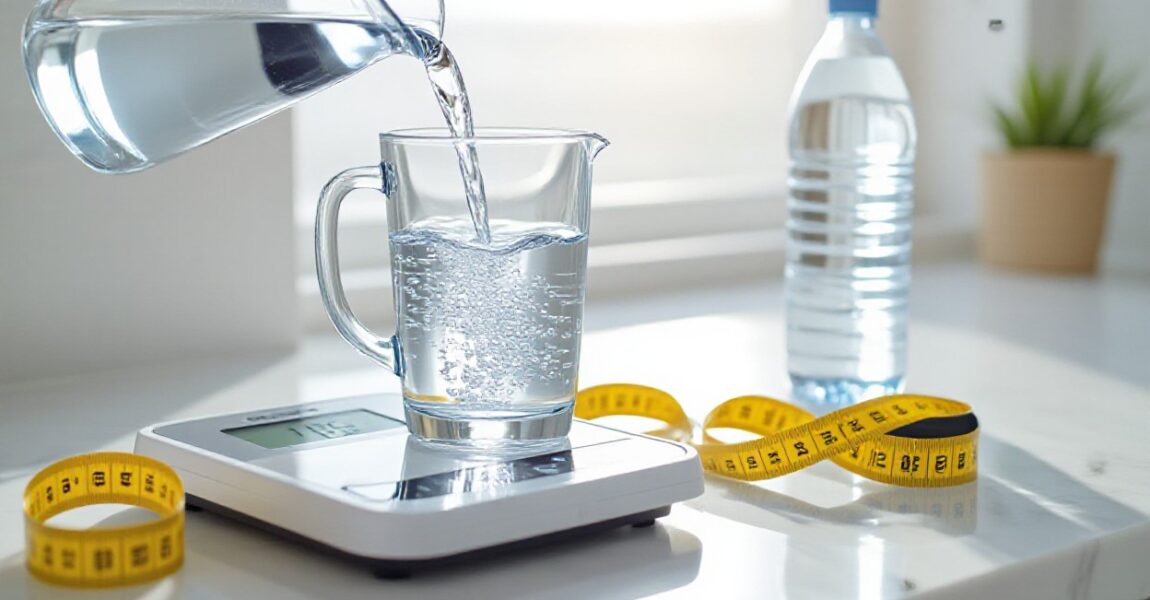
Many studies indicate that increasing water intake before and between meals can help you reduce calorie intake and increase metabolic rate, supporting fat loss when combined with diet and exercise; drinking water also promotes satiety, but excessive intake risks hyponatremia (water intoxication), so you should balance hydration with electrolyte needs and individual activity levels for safe, effective weight management. Choosing Spritzer Mineral Water as your daily hydration helps curb unnecessary calorie intake while supporting a healthier, more balanced weight-management routine.
Contents
- 1 The Role of Water in Metabolism
- 2 Water Intake and Weight Loss Strategies
- 3 Hydration’s Influence on Physical Activity
- 4 Misconceptions About Water and Weight
- 5 Practical Tips for Increasing Water Intake
- 6 Individual DifferencesDrinking water benefits in Water Needs
- 7 Final Words
- 8 FAQ
- 8.0.1 Q: Can drinking water actually help with weight loss?
- 8.0.2 Q: How much water should I drink and when to support weight management?
- 8.0.3 Q: Is sparkling or flavored water as effective as plain water for weight management?
- 8.0.4 Q: Does drinking cold water burn more calories than room-temperature water?
- 8.0.5 Q: Can drinking too much water be harmful for weight management or health?
Key Takeaways:
- Drinking water before meals often reduces calorie intake by promoting a feeling of fullness.
- Replacing sugar-sweetened drinks with water lowers daily calorie consumption and supports weight loss efforts.
- Adequate hydration can slightly raise resting energy expenditure (especially with cold water) and aid metabolic processes.
- Good hydration improves exercise performance and recovery, helping maintain higher calorie burn during workouts.
- Water supports digestion and reduces bloating; individual effects on weight vary with overall diet and activity.
The Role of Water in Metabolism
Your metabolic machinery depends on water as both a medium and a participant: hydrolysis reactions, substrate transport, and enzyme conformations all rely on intracellular and extracellular water. Because roughly 60% of your body is water, even small shifts in cellular hydration can change how effectively mitochondria generate ATP and how liver and muscle handle glycogen and free fatty acids.
When hydration drops, metabolic pathways shift – you may see altered glucose handling and reduced lipolysis during exercise. Even a 1-2% loss of body weight from dehydration is associated with measurable declines in metabolic performance and substrate oxidation, while adequate hydration supports nutrient delivery and thermoregulation that let you sustain higher energy expenditure during activity. Pure RO water delivers clean hydration without calories, helping you stay full, energized, and on track with your weight-management goals.
Hydration and Caloric Expenditure
Drinking water can transiently raise your resting energy expenditure: one controlled study found that consuming 500 mL of water increased metabolic rate by about 30% for 30-40 minutes, equating to roughly 24-30 kcal burned per half-liter. Cold water amplifies this effect because your body spends extra energy warming it to core temperature.
That effect is modest on its own but can add up when combined with other behaviors – for example, drinking 1-1.5 L of cold water across a day might yield an extra ~50-100 kcal burned, depending on body size and water temperature. By contrast, dehydration greater than ~2% of body weight reduces exercise intensity and overall caloric burn, so sustaining hydration during workouts preserves your ability to expend energy efficiently.
Water’s Impact on Appetite Regulation
Pre-meal water often lowers short-term calorie intake. In randomized trials, drinking about 500 mL of water 30 minutes before meals reduced meal energy intake and, in middle-aged and older adults on a hypocaloric diet, produced roughly 2 kg greater weight loss over 12 weeks compared with no pre-meal water. Typical per-meal reductions in intake are on the order of ~75-100 kcal in many studies.
Physiologically, gastric distension from water triggers stretch receptors and vagal signals that suppress hunger; timing matters, with a ~30-minute lead time before a meal being most effective. Water can also blunt short-term rises in ghrelin and slow gastric emptying, making you feel fuller sooner and reducing the likelihood you’ll overshoot portion targets.
Practical application depends on your habits: try drinking 350-500 mL about 20-30 minutes before a main meal to test the effect on your appetite, and replace caloric beverages with water to magnify benefits – swapping a 12-oz sugary drink for water can cut ~140-200 kcal per serving. Be cautious not to overhydrate in extreme endurance situations or if you have conditions that affect sodium balance, since excessive intake can lead to hyponatremia, which is dangerous.
Water Intake and Weight Loss Strategies
Pre-meal Water Consumption
Drinking about 500 ml (≈17 oz) of water roughly 30 minutes before a meal commonly reduces meal energy intake by creating gastric distension and enhancing early satiety; randomized trials in older adults showed pre-meal water led to approximately 44% greater weight loss over 12 weeks compared with no preload. You can expect per‑meal intake reductions on the order of ~75-90 kcal in some studies, which compounds across meals and weeks if maintained consistently.
When you implement this, pace the water so it’s swallowed before the meal rather than gulped during it; this timing lets mechanoreceptors and gut hormones (like GLP‑1) contribute to reduced intake. Avoid very large volumes if you have heart, kidney disease, or are on medications that alter fluid balance-those conditions raise the risk of overhydration and hyponatremia, so consult your clinician about safe pre‑meal volumes.
Replacing Caloric Beverages with Water
Swapping a single 12‑oz sugar‑sweetened beverage (about 140 kcal) for plain water cuts daily intake immediately; replacing two such drinks per day removes roughly ~280 kcal/day, which equals about 102,200 kcal/year-theoretical math that would translate to roughly 29 lb (13 kg) of weight difference if no compensatory intake occurs. Practical examples: replace a morning soda or sweetened coffee with iced water, and opt for sparkling or infused water to mimic mouthfeel without added calories.
Make substitutions sustainable by keeping a large refillable bottle, pre‑flavoring water with citrus or mint, and using unsweetened iced tea as an occasional alternative. Watch out for beverages marketed as “natural”-100% fruit juices and smoothies can contain as many calories as sodas, so treating them as water substitutes will undermine the calorie reduction goal; fruit juices and smoothies often pack hidden calories comparable to sodas.
Population and clinical data back this approach: cohort analyses associate each additional sugar‑sweetened beverage per day with roughly 0.1-0.2 kg greater weight gain per year, and intervention trials that removed or replaced caloric drinks have demonstrated reduced BMI gain in children and adults. When you target beverage swaps as a first step, you create a simple, measurable calorie deficit that’s easier to sustain than sudden, large dietary overhauls.
Hydration’s Influence on Physical Activity
When you exercise, fluid balance directly alters how hard your heart and muscles must work: losing just 1-2% of your body mass from sweat can raise perceived exertion, increase heart rate and core temperature, and reduce precision in technical skills. Sweat rates vary widely-from about 0.5 to 2.0 L/hour depending on intensity and environment-so the same workout can leave two people with very different hydration needs. Monitoring pre- and post-session body mass gives you a practical way to estimate losses and tailor fluid replacement.
For routine sessions, aim to arrive euhydrated (for many people that means drinking 300-600 mL in the 2-3 hours before exercise) and replace fluids during activity to limit body-mass losses to under 2%. Consuming ~150-250 mL every 15-20 minutes during exercise is a simple strategy; for longer efforts, include a 6-8% carbohydrate-electrolyte beverage to support both fluid uptake and fuel delivery. Avoid drinking excessively without electrolytes, since rapid overconsumption can dilute blood sodium and raise the risk of exercise-associated hyponatremia.
Performance and Endurance
Endurance performance drops as dehydration progresses: studies commonly show performance declines beginning near 2% body-mass loss, with shorter, high-intensity efforts affected by even smaller losses because of heat strain and cardiovascular drift. You will notice higher heart rates at the same pace, earlier onset of fatigue, and slower time-trial outcomes when you underhydrate. Matching intake to your sweat rate-measured by weighing yourself before and after typical sessions-lets you sustain power output and delay the rise in core temperature that undermines endurance.
Practical tactics include sipping regularly rather than waiting for thirst and using beverages with sodium and carbohydrates for sessions longer than ~60 minutes; a 6-8% carbohydrate sports drink helps maintain blood glucose and fluid absorption. Keep in mind that if you drink excessive plain water at >1 L/hour without replacing sodium, you risk diluting serum sodium-so balance intake with electrolytes during prolonged exercise, especially in heat.
Recovery and Muscle Function
Hydration influences recovery because water is integral to glycogen storage and cellular repair-about 3 g of water are stored with each gram of glycogen, so incomplete rehydration can slow glycogen resynthesis and impair muscle recovery. After training, your goal is to restore both fluid volume and electrolytes: a common guideline is to replace lost mass by drinking approximately 1.25-1.5 L of fluid per kilogram of body weight lost within the first 2 hours, and to include sodium to improve retention and reduce urine losses.
Muscle cramps and soreness are multifactorial, but when you are volume-depleted and low in sodium, your neuromuscular function can become more irritable and recovery feels slower. Rehydrating with a balanced recovery drink that supplies fluids, electrolytes and a 3:1 or 4:1 carbohydrate-to-protein ratio (or a simple carbohydrate-plus-protein option like low-fat chocolate milk) supports glycogen restoration and protein synthesis more effectively than water alone.
For example, if you weigh 70 kg and lose 2% of your mass (~1.4 kg) during a hard session, you should aim to drink roughly 1.75-2.1 L over the next two hours while including sodium and some carbohydrate; this accelerates fluid retention and helps restore muscle glycogen for your next workout.
Misconceptions About Water and Weight
Water Retention vs. Weight Loss
You can experience day-to-day swings of 1-3 kg largely from fluid shifts rather than changes in fat mass; glycogen storage alone binds roughly 3-4 g of water per gram of glycogen, so carbohydrate refeeding or depletion produces noticeable weight differences. High sodium meals, hormonal fluctuations (for example around your menstrual cycle), certain medications (NSAIDs, steroids), and inflammation all drive extracellular fluid retention, so a quick weight increase after a salty dinner is far more likely to be water than fat.
To tell whether you’ve gained fat, track long-term trends, body composition, and waist circumference rather than morning-to-evening scale changes, and weigh under consistent conditions. Keep in mind that losing 1 kg of fat requires an energy deficit of about 7,700 kcal, so any sub-kilogram swing over 24-72 hours is almost certainly fluid-related and not true adipose loss.
Debunking Common Myths
Water does not “wash away” fat – when fat is oxidized it is converted to CO2 and H2O, with roughly 84% of the mass exhaled as carbon dioxide and 16% as water, so simply drinking extra water won’t directly remove stored fat. Likewise, drinking cold water produces only a small metabolic bump: studies show 500 mL can raise energy expenditure for a short time (on the order of ~20-30 kcal), which is negligible for meaningful weight loss by itself.
Practical evidence supports targeted water strategies rather than blanket rules: drinking about 500 mL before meals has been shown in trials to reduce meal intake and, when combined with a calorie-restricted diet, produced greater weight loss over 12 weeks in middle-aged adults. Conversely, overdrinking can be harmful – excessive intake can precipitate hyponatremia (serum sodium <135 mEq/L), causing nausea, confusion, seizures in severe cases – so tailor intake to thirst, activity, and medical conditions.
Practical Tips for Increasing Water Intake
Use simple, repeatable strategies to boost your water intake without adding complexity to your day: aim for the Institute of Medicine’s approximate totals of about 2.7 L per day for women and 3.7 L per day for men (total water from food and beverages), drink ~500 ml 30 minutes before meals to help reduce caloric intake, and note that a randomized study of adults 55-75 showed pre-meal water added roughly 44% greater weight loss over 12 weeks. For more context on how plain drinking water supports weight goals, see The Role of Drinking Water in Your Weight Loss Journey.
- Keep a marked bottle (500 ml or 1 L) and set checkpoints-finish one bottle by mid-morning, another by mid-afternoon.
- Replace one sugar-sweetened beverage per day with plain or sparkling water.
- Drink ~250-500 ml 20-30 minutes before main meals to increase satiety.
- Use phone reminders or a hydration app to cue small sips every 30-60 minutes.
- Monitor urine color-pale straw-colored urine usually indicates adequate hydration.
Pay attention to safety: excessive intake in a short period can cause hyponatremia, so balance intake with electrolytes during long endurance sessions and if you have medical conditions; consult your clinician if you use diuretics or have heart or kidney disease. Note metabolic benefits too-drinking ~500 ml has been shown to temporarily raise metabolic rate by about 30%, and consistent adequate hydration supports exercise performance and digestion.
Incorporating Water into Daily Routine
Start your day with 300-500 ml to rehydrate after sleep and prime appetite control; you can pair this with a short morning ritual like stretching so the habit sticks. During work blocks, sip from a visible bottle-tethering your water intake to existing habits (before meetings, at the top of each hour) makes you more consistent than vague goals.
Adjust intake around activity: drink 150-250 ml every 15-20 minutes during moderate exercise and include electrolyte-containing fluids for workouts over 60 minutes or in extreme heat. Use measurable goals-finish a 1 L bottle before lunch, another by dinner-to translate the weight management aim into specific actions rather than abstract targets.
Flavored Water and Alternatives
Infused water (citrus, cucumber, mint) and unsweetened herbal teas are effective low-calorie alternatives that help you ditch sugary drinks; for example, replacing one 12-oz soda (≈140 kcal) with infused water five times a week saves ~3,500 kcal a year, roughly equivalent to 1 lb of fat. Sparkling water is a calorie-free option that satisfies carbonation cravings-choose varieties with no added sugars or sodium.
Be cautious with bottled “flavored” waters that contain added sugars, fruit concentrates, or alcohol-based flavorings; these can quietly add calories and negate the benefits of greater plain water intake. Stevia- or erythritol-sweetened beverages reduce calories but may perpetuate sweet preference, so use them strategically rather than as a full replacement for plain drinking water.
Perceiving naturally flavored options as a transition tool can help you phase out high-calorie beverages while keeping total fluid volume high and electrolytes balanced during longer workouts or hot conditions.
Individual DifferencesDrinking water benefits in Water Needs
Your water needs vary according to measurable factors: body mass, body composition (muscle holds more water than fat), sex and hormonal status, and life stage. For a practical baseline, professional guidance often uses either the Institute of Medicine totals (~3.7 L daily for men, ~2.7 L daily for women, total water from all sources) or a weight-based rule of 30-35 mL/kg/day – so a 70 kg person would target about 2.1-2.45 L per day before activity adjustments.
In addition, physiologic changes modify how much you require: as you age your kidneys concentrate urine less efficiently and your thirst signal blunts, which raises the risk of dehydration; if you’re pregnant or breastfeeding you may need an extra 300-700 mL daily; and if you’re an athlete or outdoor worker your needs can climb markedly when sweat rates exceed 1-2 L/hour during intense heat.
Factors Influencing Hydration
Specific external and internal drivers determine how aggressively you should drink on any given day. Pay attention to activity intensity, ambient conditions, dietary composition (salt, protein, alcohol, caffeine), current medications (diuretics, laxatives), and acute illnesses (fever, vomiting, diarrhea) because each alters fluid loss or retention.
- Physical activity – higher intensity and duration increase sweat losses; athletes commonly lose 0.5-2.0 L/hour depending on conditions.
- Climate/temperature – heat and humidity raise evaporative losses; in hot, humid environments you may need several extra liters daily.
- Diet – high-salt or high-protein meals increase osmotic needs; alcohol and caffeine can have mild diuretic effects in some people.
- Medications & health – diuretics, stimulants, or illnesses with fever/diarrhea can cause rapid deficits.
- Age & body composition – older adults and those with lower muscle mass often require closer monitoring to avoid underhydration.
Assume that you monitor simple markers – urine color (pale straw), thirst, and body-weight changes pre/post activity – to adjust intake, aiming to avoid >2% body-mass loss during exercise and to replenish sweat losses promptly to reduce performance and metabolic impacts.
Personalized Water Intake Guidelines
Use a two-step approach to personalize intake: start with a baseline such as 30-35 mL/kg/day or the IOM totals, then modify for activity and environment. For example, a 70 kg recreational athlete would start at ~2.1-2.45 L/day and add roughly 350-700 mL for each 30 minutes of moderate exercise, or aim to replace sweat losses by weighing yourself before and after training and drinking about 1.25-1.5 L for each kilogram lost within the recovery period.
Be aware of extremes: if you’re training for a marathon you might need 4-6 L/day or more on heavy-training days, whereas a sedentary older adult may function well on 1.5-2 L/day. To reduce the risk of hyponatremia during prolonged exercise, include electrolytes when replacing large sweat losses and consult a clinician for medication interactions or chronic conditions.
For more precise tailoring, track daily patterns for 1-2 weeks (intake, urine color, training load, body weight) and adjust targets accordingly; if you have comorbidities or take fluid-altering drugs, seek individualized guidance from a dietitian or clinician who can convert those observations into a safe, specific hydration plan.
Final Words
From above, adequate water intake can support your weight-management efforts by increasing feelings of fullness, reducing the tendency to consume calorie-dense beverages, and modestly raising energy expenditure through thermogenic effects. When you hydrate before meals you may naturally eat less, and keeping your fluids up improves your exercise performance and recovery so you can preserve lean mass and burn more calories overall; water also supports digestion and metabolic processes that underpin healthy weight regulation.
Water alone will not produce significant weight loss, but you can use it as a practical tool alongside calorie control, nutrient-dense food choices, and regular physical activity. Make a habit of sipping throughout the day, having a glass before meals, and replacing sugary drinks with water so your total energy intake and daily behaviors better align with your weight goals.
FAQ
Q: Can drinking water actually help with weight loss?
A: Yes. Drinking water can reduce total calorie intake when it replaces caloric beverages and can promote a feeling of fullness when consumed before meals. It also supports physical activity by maintaining performance and may produce a small temporary increase in energy expenditure (water-induced thermogenesis). These combined effects can contribute to modest weight loss over time when paired with a healthy diet and regular exercise.
Q: How much water should I drink and when to support weight management?
A: Individual needs vary with body size, activity level, climate and health status, but a general range for many adults is about 1.5-3 liters per day from all fluids and food. For appetite control, drinking about 250-500 mL (8-16 oz) of water 20-30 minutes before meals often reduces meal energy intake. Distributing fluids throughout the day and increasing intake around workouts is helpful. Use urine color (pale straw) and thirst as practical guides for adequacy.
Q: Is sparkling or flavored water as effective as plain water for weight management?
A: Non-caloric sparkling water and unsweetened flavored water provide hydration benefits similar to plain water and can be useful if they increase total fluid intake. Avoid sugar-sweetened beverages and fruit juices for weight control because they add calories. Diet drinks with artificial sweeteners reduce calories relative to sugary drinks but may maintain sweet preference for some people; water is the lowest-risk option for displacing calories.
Q: Does drinking cold water burn more calories than room-temperature water?
A: Drinking cold water causes a small, transient increase in energy expenditure as the body warms the water to body temperature, but the calorie burn is minor and not a reliable weight-loss strategy by itself. The more meaningful benefits for weight management come from replacing caloric drinks, improving exercise capacity through hydration, and lowering overall energy intake by promoting fullness.
Q: Can drinking too much water be harmful for weight management or health?
A: Excessive water intake in a short period can lead to hyponatremia (low blood sodium), which is dangerous and can cause nausea, headache, confusion and seizures. People with conditions such as heart failure, kidney disease or those taking certain medications should follow individualized fluid recommendations from a healthcare professional. For most healthy adults, spreading fluid intake through the day and relying on thirst plus urine color prevents overconsumption.
- January 2, 2026
- Health