
There’s growing interest in alkaline water. You might be wondering what it is and why so many people are drawn to it. This water has a higher pH level than regular tap water. Advocates claim it offers various health benefits, but scientific evidence is limited. Understanding its properties and potential effects is key to making informed choices. Alkaline water Malaysia is becoming a popular choice for people who want refreshing hydration with balanced pH and added minerals for a healthier daily lifestyle.
### Key Takeaways:
* Alkaline water has a higher pH level than regular tap water, typically between 8 and 9, due to added minerals like calcium, magnesium, and potassium, or through an electrolysis process.
* Proponents claim alkaline water offers various health benefits, including improved hydration, detoxification, and a reduction in acid reflux, though scientific evidence supporting these claims is often limited or inconclusive.
* The popularity of alkaline water stems largely from celebrity endorsements and anecdotal reports of improved well-being, creating a significant market for bottled alkaline water and home ionizers.
* While generally considered safe for consumption, some experts caution that drinking excessive amounts of alkaline water could potentially disrupt the body’s natural pH balance, particularly in individuals with certain medical conditions.
* Consumers often pay a premium for alkaline water, prompting a discussion about whether the perceived health advantages justify the increased cost compared to regular filtered water.
Contents
- 1 The Science of pH and Water Chemistry
- 2 Natural vs. Artificial Alkalinity
- 3 Safety Considerations and Potential Side Effects
- 4 The Market Growth and Cultural Popularity
- 5 To wrap up
- 6 FAQ
- 6.0.1 Q: What exactly is alkaline water, and how does it differ from regular tap water?
- 6.0.2 Q: What are the purported health benefits of drinking alkaline water, and is there scientific evidence to support these claims?
- 6.0.3 Q: How is alkaline water produced, and are there different types or methods of alkalization?
- 6.0.4 Q: Is it safe for everyone to drink alkaline water, and are there any potential side effects or considerations?
- 6.0.5 Q: Why has alkaline water become so popular in recent years, despite limited scientific backing for many of its claims?
The Science of pH and Water Chemistry
Understanding the science behind pH is crucial when evaluating the claims surrounding alkaline water. You need to grasp how the pH scale works and what it signifies in relation to the water you drink. This knowledge will help you discern marketing hype from scientific fact.
Water chemistry plays a significant role in determining a water’s pH level. The presence and concentration of dissolved minerals directly influence whether water leans towards acidic, neutral, or alkaline. Knowing these fundamental principles provides a solid foundation for understanding alkaline water. Affordable 5 gallon alkaline water delivery prices make it easy to enjoy the refreshing taste and balanced pH that explain why alkaline water is becoming so popular for daily hydration
Defining the pH Scale
The pH scale measures how acidic or alkaline a substance is, ranging from 0 to 14. A pH of 7 is considered neutral, like pure water. Values below 7 indicate increasing acidity, while values above 7 signify increasing alkalinity.
You can think of the pH scale as a spectrum, with strong acids at one end and strong bases at the other. Each whole number change on the pH scale represents a tenfold change in acidity or alkalinity, making small differences quite significant.
Mineral Concentration and Alkalinity
Many minerals dissolved in water contribute to its alkalinity. Bicarbonates, carbonates, and hydroxides are common examples of these alkaline compounds. The higher the concentration of these specific minerals, the more alkaline the water becomes.
Your tap water’s pH naturally varies depending on its source and the mineral content of the local environment. Water with a naturally high mineral content, often from underground sources, frequently exhibits a higher pH due to these dissolved substances.
Water’s ability to resist changes in pH, known as its buffering capacity, is also influenced by its mineral concentration. A higher concentration of alkaline minerals provides a greater buffering capacity, meaning the water can absorb more acid or base without a drastic change in its pH. This characteristic is particularly beneficial in systems where pH stability is desired.
Natural vs. Artificial Alkalinity
You might wonder how alkaline water achieves its higher pH. The methods used to create alkaline water can be broadly categorized into natural and artificial processes. Understanding the distinction is important for making informed choices about the water you consume, especially when considering claims about health benefits. You can find more information about the efficacy of alkaline water compared to plain water at Alkaline water: Better than plain water?
Knowing the origin of your alkaline water’s pH can help you discern its potential impact. While some methods replicate natural processes, others involve technological interventions that alter water’s composition. Be aware that the source of alkalinity influences the mineral content and other properties of the water you drink.
Geological Filtration and Mineral Enrichment
Water naturally becomes alkaline by flowing over and through rocks and soil containing alkaline minerals. As water passes through these geological layers, it picks up minerals like calcium, magnesium, and potassium. These minerals dissolve, increasing the water’s pH and creating naturally alkaline water.
This geological filtration process enriches the water with beneficial electrolytes. The slow, natural interaction with mineral-rich environments results in a gentle and sustained increase in pH. This method is often considered the most authentic form of alkaline water.
The Process of Ionization and Electrolysis
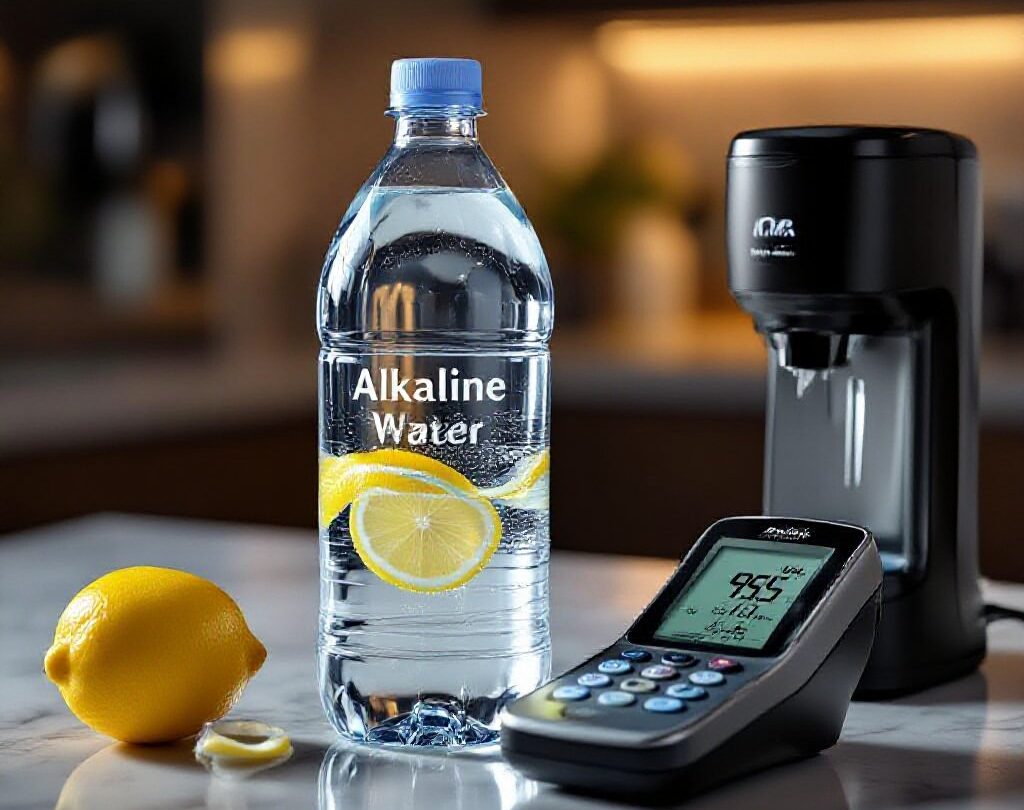
Many commercially available alkaline waters are produced through a process called ionization or electrolysis. This method uses an electrical current to separate the acidic and alkaline components of water. Water flows over electrodes, which split the H2O molecules.
The alkaline water is collected at one electrode, while acidic water is collected at the other. This process artificially raises the pH of the water, and often, minerals are added back in after the process.
This artificial process of ionization significantly changes the water’s structure, creating a higher concentration of hydroxyl ions (OH-) and a lower concentration of hydrogen ions (H+), which directly correlates to an increased pH level. You are necessaryly consuming water that has been electrically altered to achieve its alkaline state.
Safety Considerations and Potential Side Effects
Considering the widespread popularity of alkaline water, you might wonder about its safety. While generally considered safe for most healthy individuals, certain precautions and potential side effects warrant your attention before making it a regular part of your routine. It’s always wise to consult with a healthcare professional, especially if you have underlying health conditions.
You should be aware that consuming alkaline water can interact with your body’s natural processes. Understanding these interactions is key to making an informed decision about its use. Your individual health profile and consumption habits will play a significant role in how your body responds.
Effects on Natural Stomach Acidity
Your stomach naturally maintains a highly acidic environment, imperative for breaking down food and destroying harmful bacteria. Drinking alkaline water can temporarily neutralize some of this acidity, potentially impacting digestion. This alteration might hinder the proper absorption of certain nutrients.
Research suggests that consistently altering stomach pH could also affect the efficacy of some medications. You might find that your body struggles to process food as efficiently when stomach acid is regularly diluted.
Risks of Overconsumption and Metabolic Alkalosis
Excessive intake of alkaline water can lead to a condition known as metabolic alkalosis. This occurs when your body’s pH becomes too high, disrupting the delicate acid-base balance. Symptoms can range from nausea and vomiting to muscle twitching and hand tremors.
Severe cases of metabolic alkalosis can have serious health implications, including confusion and even coma. You should always adhere to recommended consumption guidelines and monitor your body’s response carefully.
Consuming large quantities of alkaline water over extended periods can significantly stress your kidneys, which are responsible for maintaining your body’s pH balance. Your body’s buffering systems are designed to handle minor fluctuations, but persistent overconsumption can overwhelm these mechanisms, leading to a dangerous imbalance. This persistent imbalance can also impact electrolyte levels, further contributing to potential health complications.
The Market Growth and Cultural Popularity
You’ve seen alkaline water bottles everywhere, from local grocery stores to high-end health shops. This beverage category has experienced a meteoric rise in popularity, transforming from a niche product into a mainstream wellness staple. Your awareness of its presence reflects a broader cultural embrace of health-conscious choices.
This widespread acceptance isn’t accidental; it’s a testament to effective marketing and a shift in consumer priorities. You find yourself increasingly drawn to products promising health benefits, and alkaline water perfectly fits that emerging demand.
The Influence of Wellness Marketing and Celebrity Endorsements
You’ll notice many health and wellness brands heavily promote alkaline water, often associating it with optimal hydration and detoxification. This strategic marketing plays a significant role in shaping public perception. You are constantly exposed to messages suggesting its benefits.
Celebrities frequently endorse alkaline water, further amplifying its appeal. You see your favorite stars touting its advantages, which can subtly influence your purchasing decisions. This star power lends an air of credibility and desirability to the product.
Consumer Shift Toward Functional Beverages
You are part of a growing trend where consumers actively seek out beverages offering more than just basic hydration. Your choices now lean towards drinks with added health benefits or specific functional properties. Alkaline water aligns perfectly with this evolving preference.
This shift signifies a broader consumer awareness regarding diet and well-being. You are no longer content with just water; you desire a drink that actively contributes to your health goals, making alkaline water an attractive option.
You are increasingly scrutinizing product labels and ingredient lists, looking for items that support a healthier lifestyle. This meticulous approach extends to your beverage choices, where you prioritize options that promise to enhance your physical performance, boost immunity, or offer other perceived health advantages. Alkaline water, with its claimed benefits of balancing pH and superior hydration, readily appeals to this discerning consumer mindset.
To wrap up
From above, you now have a clearer understanding of alkaline water, its properties, and the reasons behind its widespread popularity. You’ve explored the concept of pH and how it applies to this specific type of water, which proponents suggest offers various health benefits. You also considered the scientific backing, or lack thereof, for many of these claims, allowing you to form your own informed opinion.
Your journey into alkaline water’s appeal reveals a confluence of factors, including marketing efforts and a general consumer interest in health and wellness products. You are now better equipped to evaluate the information available and make a decision that aligns with your personal health goals and scientific understanding. Always consult with a healthcare professional before making significant changes to your diet or health regimen.
FAQ
Q: What exactly is alkaline water, and how does it differ from regular tap water?
A: Alkaline water possesses a higher pH level than standard drinking water. The pH scale ranges from 0 to 14, with 7 being neutral. Tap water typically has a pH between 6.5 and 7.5. Alkaline water usually has a pH of 8 or 9. This higher pH is achieved through various processes. Some methods involve ionization, which separates acidic and alkaline components of water. Other methods add alkaline minerals like calcium, magnesium, or potassium to increase the pH. The primary difference lies in this measurable pH value, which proponents suggest offers certain health benefits.
Q: What are the purported health benefits of drinking alkaline water, and is there scientific evidence to support these claims?
A: Advocates for alkaline water often cite several health benefits. Many believe it can neutralize acid in the bloodstream, leading to increased energy, improved metabolism, and better hydration. Other claims include detoxification, anti-aging effects, and even cancer prevention. Scientific evidence supporting these widespread claims remains limited and often inconclusive. Some small studies suggest alkaline water might help with acid reflux symptoms or improve hydration in athletes. Large-scale, peer-reviewed research confirming the broader health benefits is largely absent. Most medical professionals advise a balanced diet and sufficient hydration with regular water as the primary approach to health and wellness.
Q: How is alkaline water produced, and are there different types or methods of alkalization?
A: Several methods exist for producing alkaline water. Water ionizers are common devices that use electrolysis to separate water into acidic and alkaline streams. These machines typically attach to a kitchen faucet. Another method involves adding alkaline minerals directly to water. Manufacturers often add calcium, magnesium, or potassium bicarbonate to bottled water to increase its pH. Certain filters also exist that claim to infuse water with alkaline minerals as it passes through. Some people even create homemade alkaline water by adding baking soda or lemon to regular water, though the effectiveness and safety of these DIY methods can vary.
Q: Is it safe for everyone to drink alkaline water, and are there any potential side effects or considerations?
A: For most healthy individuals, drinking alkaline water in moderation is generally considered safe. However, certain individuals should exercise caution. People with kidney conditions, for example, may struggle to regulate their body’s pH levels, and consuming highly alkaline water could potentially exacerbate these issues. Overconsumption could theoretically lead to metabolic alkalosis, though this is rare and typically requires ingesting extremely large quantities. Symptoms might include nausea, vomiting, hand tremors, or muscle twitching. Anyone with pre-existing health conditions should consult a doctor before making significant dietary changes, including switching to alkaline water.
Q: Why has alkaline water become so popular in recent years, despite limited scientific backing for many of its claims?
A: The popularity of alkaline water stems from several factors. Celebrity endorsements and social media trends have significantly contributed to its widespread appeal. Marketing campaigns often highlight anecdotal evidence and capitalize on a general desire for healthier lifestyles and natural remedies. Many consumers are seeking ways to optimize their health and are open to trying new products that promise benefits, even if scientific proof is still developing. The perception of it being a premium or “better” form of water also plays a role in its market success. This trend reflects a broader consumer interest in wellness products that offer perceived advantages over conventional options.
- March 6, 2026
- 1
- Alkaline Water

1 Comment
Comments are closed.