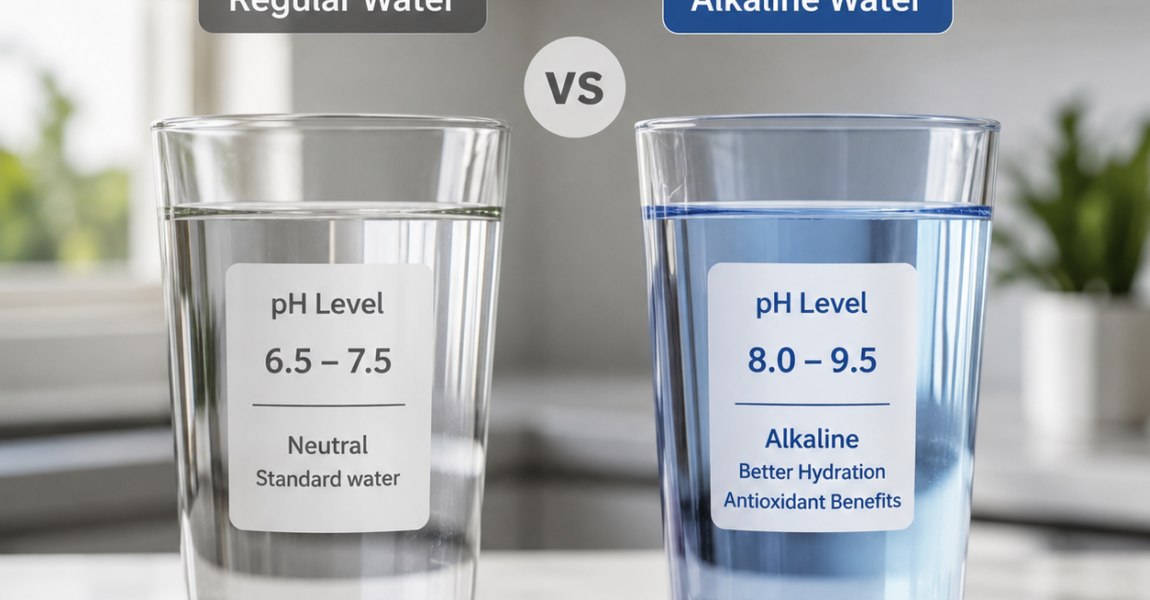
Over the years, you’ve likely heard about alkaline water and its purported benefits. You might wonder, what truly sets it apart from the tap water you drink daily? The primary distinction lies in its pH level; alkaline water has a higher pH than regular water. This difference in pH can affect your body’s chemistry, potentially offering unique advantages or posing certain risks you should understand. Discover the difference with alkaline water — higher pH hydration designed to help you stay refreshed, balanced, and energized every day.
### Key Takeaways:
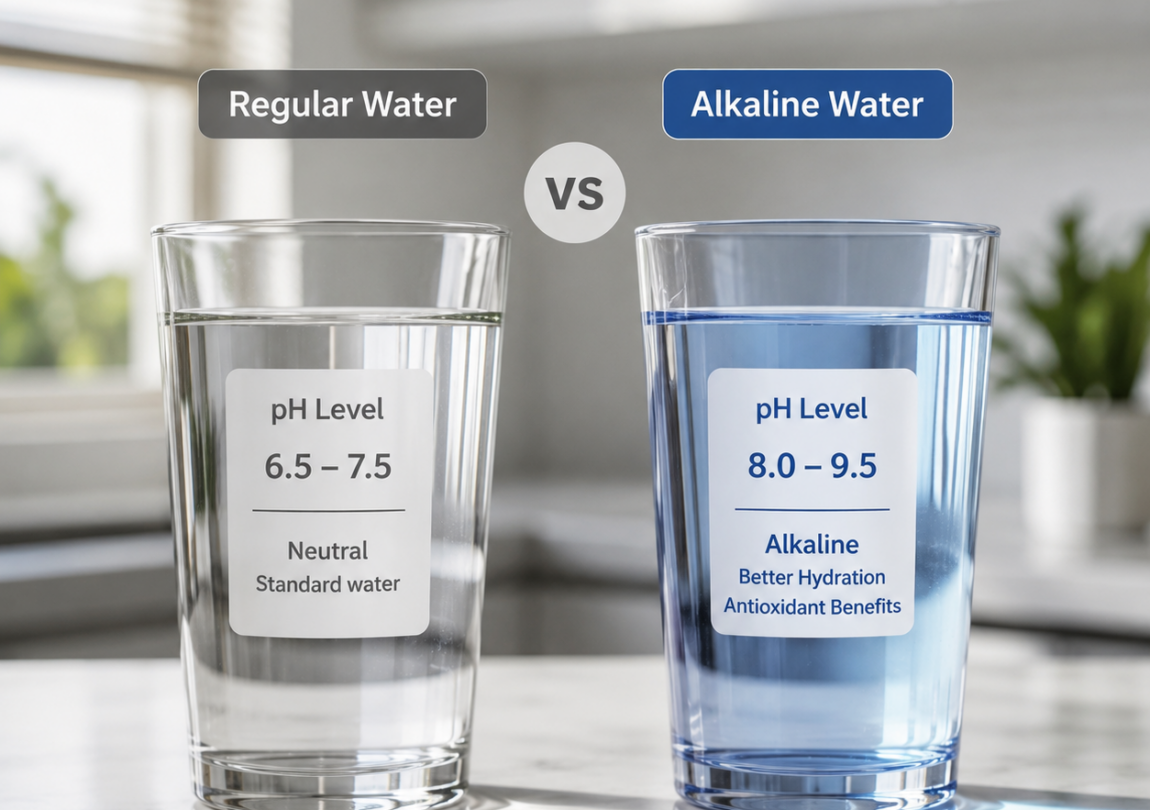
* Alkaline water has a higher pH level, typically above 7, compared to regular tap water which usually falls between 6.5 and 7.5. This difference in pH is the primary distinction.
* The elevated pH in alkaline water often comes from added minerals like calcium, magnesium, and potassium. These minerals contribute to its alkaline properties and are sometimes marketed for health benefits.
* Some alkaline water is produced through an ionization process. This electrochemical method separates the water into acidic and alkaline streams, enriching the alkaline stream with certain minerals.
* Proponents suggest alkaline water can neutralize acid in the body, improve hydration, and offer antioxidant benefits. Scientific evidence for these claims remains limited and is an ongoing area of research.
* The difference in taste between alkaline and regular water can be subtle, with some finding alkaline water to have a smoother or less acidic mouthfeel due to its mineral content.
The Chemistry of pH Levels
You might recall pH from high school science, but its application to water offers a deeper understanding of what you consume. This scale measures the concentration of hydrogen ions, directly indicating a substance’s acidity or alkalinity. A lower pH signifies a higher concentration of hydrogen ions, making the substance acidic.
Conversely, a higher pH indicates a lower concentration of hydrogen ions and a greater presence of hydroxide ions, classifying the substance as alkaline or basic. This seemingly small difference in ion balance can profoundly impact water’s properties and how it interacts with your body. Enjoy clean and refreshing alkaline water every day with the Yamada Water Dispenser — a smart choice for homes and offices that want better hydration and modern convenience
Understanding the Logarithmic Scale
You should recognize the pH scale operates on a logarithmic basis, not a linear one. This means each whole number change represents a tenfold difference in acidity or alkalinity. For example, a substance with a pH of 6 is ten times more acidic than one with a pH of 7.
This exponential relationship explains why even slight shifts in pH can have substantial implications. A small numerical difference on the scale translates to a significant change in the chemical properties of the water you drink.
Comparing Neutral Tap Water to Alkaline Standards
Your typical tap water usually falls within a neutral pH range, generally between 6.5 and 7.5. This neutrality means it contains a relatively balanced concentration of hydrogen and hydroxide ions. Alkaline water, by contrast, is specifically treated to achieve a pH above 8.0, often reaching 9.0 or even higher.
This higher pH in alkaline water signifies a greater concentration of hydroxide ions, differentiating it significantly from the water flowing from your faucet. The processing involved in creating alkaline water fundamentally alters its chemical composition.
You can see the stark contrast between your everyday tap water and specially prepared alkaline water when examining their pH values. While tap water is generally considered safe for consumption, its neutral pH doesn’t offer the specific benefits associated with higher alkalinity. Alkaline water undergoes processes like electrolysis to achieve its elevated pH, a deliberate modification that sets it apart. This difference is not just numerical; it represents a fundamental shift in the water’s chemical makeup, potentially influencing its taste, feel, and perceived health effects.
| pH Comparison: Tap Water vs. Alkaline Water | |
| Tap Water pH | Alkaline Water pH |
| Typically 6.5 – 7.5 (Neutral) | Generally 8.0 – 9.5 (Alkaline) |
Mineral Composition and Electrolytes
You will discover that the true distinction of alkaline water lies in its unique mineral composition, particularly its electrolyte content. These dissolved minerals, like calcium, magnesium, and potassium, are not merely present; they contribute significantly to the water’s pH and its potential benefits.
Regular water, while hydrating, often lacks this specific balance, offering a neutral or slightly acidic profile. The presence of these beneficial electrolytes in alkaline water is what some proponents suggest makes it more effective for hydration and supporting bodily functions.
Essential Additives: Calcium, Magnesium, and Potassium
These three minerals – calcium, magnesium, and potassium – are cornerstones of alkalinity in water. Calcium supports bone health and muscle function, while magnesium plays a role in hundreds of enzymatic reactions within your body.
Potassium helps maintain fluid balance and nerve signals. Their presence in alkaline water is often in an ionized form, which some believe makes them more readily absorbed by your body compared to their counterparts in regular tap water.
The Role of Bicarbonates in Water Alkalinity
Bicarbonates are perhaps the most influential compounds contributing to water’s alkalinity. They act as natural buffers, meaning they can resist changes in pH when acidic or alkaline substances are introduced.
This buffering capacity is what gives alkaline water its stable, higher pH. You will find that bicarbonates are naturally occurring in many mineral-rich water sources, and they are also often added during the artificial alkalization process.
Bicarbonates are crucial because they directly impact the water’s ability to neutralize excess acid in your body, a key claim made by proponents of alkaline water. Their chemical structure allows them to absorb hydrogen ions, effectively raising the pH of their environment. This mechanism is central to understanding why alkaline water is thought to offer certain physiological advantages over regular water.
Natural vs. Artificial Alkalization
You might wonder how alkaline water achieves its higher pH. This distinction often boils down to whether the alkalinity is derived from naturally occurring processes or through human-engineered methods. Understanding the difference is key to appreciating the varying properties and potential benefits of each type.
Consider the source of the alkalinity. Natural alkaline water typically originates from specific geological formations, absorbing minerals as it flows. Artificial methods, conversely, involve altering regular water through technological intervention, creating a different kind of alkaline profile.
Mineral Seepage from Volcanic Rock and Springs
Water’s journey through certain geological formations, such as those rich in volcanic rock or specific mineral springs, naturally imbues it with alkalinity. As water filters through these rocks, it dissolves alkaline minerals like calcium, magnesium, and potassium. These dissolved minerals are what contribute to the water’s naturally higher pH level.
This natural process creates a water that is not only alkaline but also contains a unique blend of trace minerals. The specific mineral composition can vary significantly depending on the geological region, offering a distinct taste and mineral profile.
The Process of Electrical Ionization and Electrolysis
Alkaline water can also be produced through a process called electrical ionization, often referred to as electrolysis. This method involves passing regular tap water over electrodes, which separates the water into acidic and alkaline components. The water that emerges with a higher pH is then collected as ionized alkaline water.
This technological approach allows for precise control over the pH level, offering a consistent product. The primary difference here is that the alkalinity is created by altering the water’s molecular structure, rather than by the natural dissolution of minerals.
The process of electrical ionization and electrolysis utilizes specialized machines known as water ionizers. These devices contain platinum-coated titanium electrodes that carry an electric current through the water. During this process, the water molecules (H2O) are split into hydrogen ions (H+) and hydroxide ions (OH-). The negative electrode attracts the positively charged hydrogen ions, forming hydrogen gas, while the positive electrode attracts the negatively charged hydroxide ions, increasing the concentration of OH- ions in the water. This higher concentration of hydroxide ions is what gives the water its elevated pH and alkaline properties.
Hydration and Physiological Absorption
Beyond the pH difference, how your body *actually* utilizes alkaline water for hydration is a key differentiator. You might wonder if the altered molecular structure impacts how quickly and effectively your cells absorb it. This section will explore the proposed mechanisms behind alkaline water’s purported hydration benefits.
Scientific inquiry suggests that alkaline water’s unique properties may influence cellular uptake and overall physiological processes. Understanding these mechanisms helps clarify why some individuals report feeling better hydrated and experiencing improved well-being when consuming alkaline water regularly.
Molecular Cluster Size and Cellular Permeability
One intriguing theory posits that alkaline water possesses smaller molecular clusters compared to regular tap water. These smaller clusters, sometimes referred to as “micro-clustered” water, are thought to facilitate easier passage through cellular membranes. This could potentially lead to more efficient hydration at a cellular level.
Your body’s cells are constantly exchanging water and nutrients, and any factor that enhances this process could be beneficial. The idea is that these smaller water clusters might permeate cells more readily, allowing for quicker rehydration and potentially better nutrient delivery within the body.
Impact on Blood Viscosity and Post-Exercise Recovery
Some studies indicate that consuming alkaline water may help reduce blood viscosity. Thicker blood requires your heart to work harder to pump it throughout your body, potentially impacting oxygen and nutrient delivery to tissues. A reduction in viscosity could translate to improved circulation.
You may experience faster recovery after intense physical activity if your blood flow is optimized. This improved circulation can aid in flushing out metabolic waste products and delivering vital nutrients to fatigued muscles, potentially lessening muscle soreness and accelerating repair.
Many athletes and active individuals seek ways to optimize their recovery protocols. The potential for alkaline water to influence blood viscosity and, consequently, post-exercise recovery, presents an interesting area of research and anecdotal evidence. If your blood can transport oxygen and nutrients more efficiently to your muscles, and simultaneously remove waste products more rapidly, your body can repair and rejuvenate itself more effectively after strenuous activity. This means you might feel less fatigued, experience reduced muscle soreness, and be ready for your next workout sooner.
Therapeutic Claims and Acid Neutralization
Many proponents suggest alkaline water offers therapeutic benefits, particularly concerning acid neutralization within your body. You might hear claims about its ability to combat acidity, a common concern in modern diets. However, you should understand that your body has sophisticated mechanisms to regulate its pH, and the impact of drinking alkaline water on systemic pH is often minimal and temporary. For a deeper explore these claims, you can explore whether is alkaline water better?
You will find some studies exploring how alkaline water might interact with specific bodily functions. While some research points to potential benefits in certain contexts, overarching scientific consensus on its widespread therapeutic efficacy is still developing. Always approach such claims with a discerning eye and consult healthcare professionals for personalized advice.
Deactivating Pepsin and Managing Acid Reflux
One specific area of interest involves alkaline water’s potential to deactivate pepsin, an enzyme contributing to acid reflux symptoms. You may experience reflux when stomach acid and pepsin travel up your esophagus, causing irritation.
Studies suggest that water with a higher pH could potentially neutralize stomach acid and render pepsin inactive. This mechanism offers a promising avenue for managing occasional acid reflux symptoms, providing a temporary soothing effect.
Examining Antioxidant Properties and Oxidation-Reduction Potential (ORP)
You might also encounter discussions about alkaline water’s antioxidant properties, often linked to its Oxidation-Reduction Potential (ORP). ORP measures a substance’s ability to either oxidize or reduce other substances.
A negative ORP indicates a substance has antioxidant properties, meaning it can donate electrons to neutralize free radicals. You might hear that alkaline water, with its often negative ORP, can combat oxidative stress in your body.
Some advocates claim that alkaline water with a negative ORP can help protect your cells from damage caused by free radicals, which are unstable molecules linked to aging and various diseases. You should know that while the concept of ORP is scientifically sound, the extent to which consuming alkaline water significantly impacts your body’s overall antioxidant capacity remains a subject of ongoing research and debate within the scientific community.
Biological Buffering and Safety Considerations
Your body possesses sophisticated mechanisms to maintain a stable pH, a process known as biological buffering. These internal systems work tirelessly to neutralize acids and bases, ensuring your blood and tissues remain within a very narrow, healthy pH range. You should understand that even slight deviations from this range can have significant physiological consequences.
This intricate balance is not something you actively control; instead, it is a constantly regulated process. The body’s buffering capacity, primarily through bicarbonate, phosphate, and protein buffer systems, is incredibly efficient at mitigating pH fluctuations from dietary intake or metabolic processes.
How the Kidneys and Lungs Maintain Systemic Homeostasis
Your respiratory system plays a rapid and effective role in pH regulation. You exhale carbon dioxide, which is an acidic byproduct of metabolism, and by adjusting your breathing rate and depth, your lungs can quickly alter the amount of CO2 expelled, thereby influencing blood pH. This immediate response provides a first line of defense against acid-base imbalances.
The kidneys offer a slower but more powerful long-term solution to pH control. You excrete excess acids or bases through urine, and they also reabsorb bicarbonate, a critical buffer, back into the bloodstream. This dual action allows your kidneys to fine-tune your body’s pH over hours or days, ensuring sustained systemic homeostasis.
Potential Risks of Over-Consumption and Metabolic Alkalosis
Consuming excessive amounts of alkaline water can potentially disrupt your body’s natural pH balance. You might experience metabolic alkalosis, a condition where your body’s pH becomes too high, leading to a range of uncomfortable symptoms. This imbalance can strain your internal regulatory systems.
Such an imbalance can manifest as symptoms like nausea, vomiting, muscle twitching, and hand tremors. You could also experience confusion, and in severe cases, even seizures. These symptoms underscore the importance of moderation and understanding your body’s limits.
Over-consumption of alkaline water can lead to metabolic alkalosis, a condition where the body’s pH becomes excessively alkaline. This can result in a spectrum of adverse effects, from mild gastrointestinal upset to more severe neurological symptoms such as confusion and tremors. Prolonged or severe metabolic alkalosis can disrupt electrolyte balance, impair kidney function, and potentially lead to cardiac arrhythmias, posing serious health risks that necessitate medical intervention.
To wrap up
Drawing together the key distinctions, you now understand what sets alkaline water apart from regular tap water. Your awareness of its higher pH level, which indicates fewer hydrogen ions, is a fundamental difference. You also recognize that alkaline water often contains a higher concentration of beneficial minerals like calcium, magnesium, and potassium, which contribute to its unique properties.
You have learned about the potential for different oxidation-reduction potential (ORP) values in alkaline water, suggesting its capacity to act as an antioxidant. The unique molecular structure that some proponents claim for alkaline water, though still a subject of scientific inquiry, is another aspect you considered. You can now articulate these differences with clarity, providing a comprehensive overview of what makes alkaline water distinct.
FAQ
Q: What is the primary difference in pH between alkaline water and regular water?
A: Alkaline water has a higher pH level than regular tap water. The pH scale ranges from 0 to 14, with 7 being neutral. Regular drinking water typically has a pH of 6.5 to 7.5. Alkaline water, by contrast, usually has a pH of 8 or higher. This elevated pH is the defining characteristic that sets it apart.
Q: How does the mineral content of alkaline water compare to regular water?
A: Alkaline water often contains higher concentrations of alkaline minerals such as calcium, magnesium, potassium, and sodium. These minerals contribute to its elevated pH. Regular tap water’s mineral content varies widely based on its source and local treatment processes, but it generally has a lower concentration of these specific alkaline compounds, or they are present in different forms that do not significantly raise the pH.
Q: Are there differences in the oxidation-reduction potential (ORP) between these two types of water?
A: Oxidation-reduction potential (ORP) measures a liquid’s ability to act as an antioxidant or pro-oxidant. Alkaline water producers often claim their product has a negative ORP, meaning it can act as an antioxidant. Regular tap water typically has a positive ORP, indicating it has oxidizing properties. The negative ORP in alkaline water is attributed to the presence of dissolved hydrogen and other antioxidant compounds, although scientific evidence supporting the health benefits of this difference in ORP is still evolving.
Q: What methods are used to produce alkaline water, and how do they differ from regular water treatment?
A: Alkaline water can be produced through several methods. One common method is ionization, where water passes over electrodes, separating it into acidic and alkaline streams. Another method involves adding alkaline minerals, like bicarbonates, to regular water. Some naturally occurring spring waters are alkaline due to geological interactions with rocks and minerals. Regular tap water treatment focuses on filtration, disinfection (e.g., chlorination), and adjusting pH to a neutral range for safety and palatability, not specifically to increase alkalinity to the levels seen in specialized alkaline water products.
Q: Do alkaline water and regular water taste different?
A: Some individuals report a smoother, slightly sweeter, or less metallic taste in alkaline water compared to regular tap water. This perceived difference in taste can be attributed to the altered mineral composition and higher pH. The taste of regular water varies significantly depending on its source and treatment, with some individuals noticing the presence of chlorine or other treatment chemicals. Many people find the taste difference subtle, while others report a noticeable preference for alkaline water.
- May 22, 2026
- Alkaline Water, Benefits