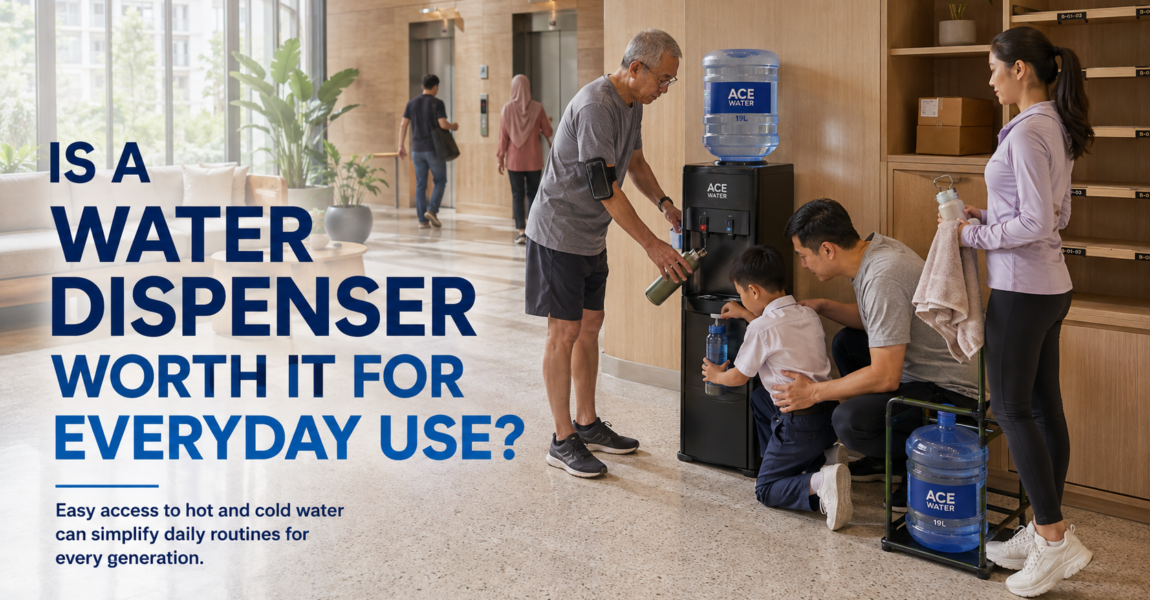
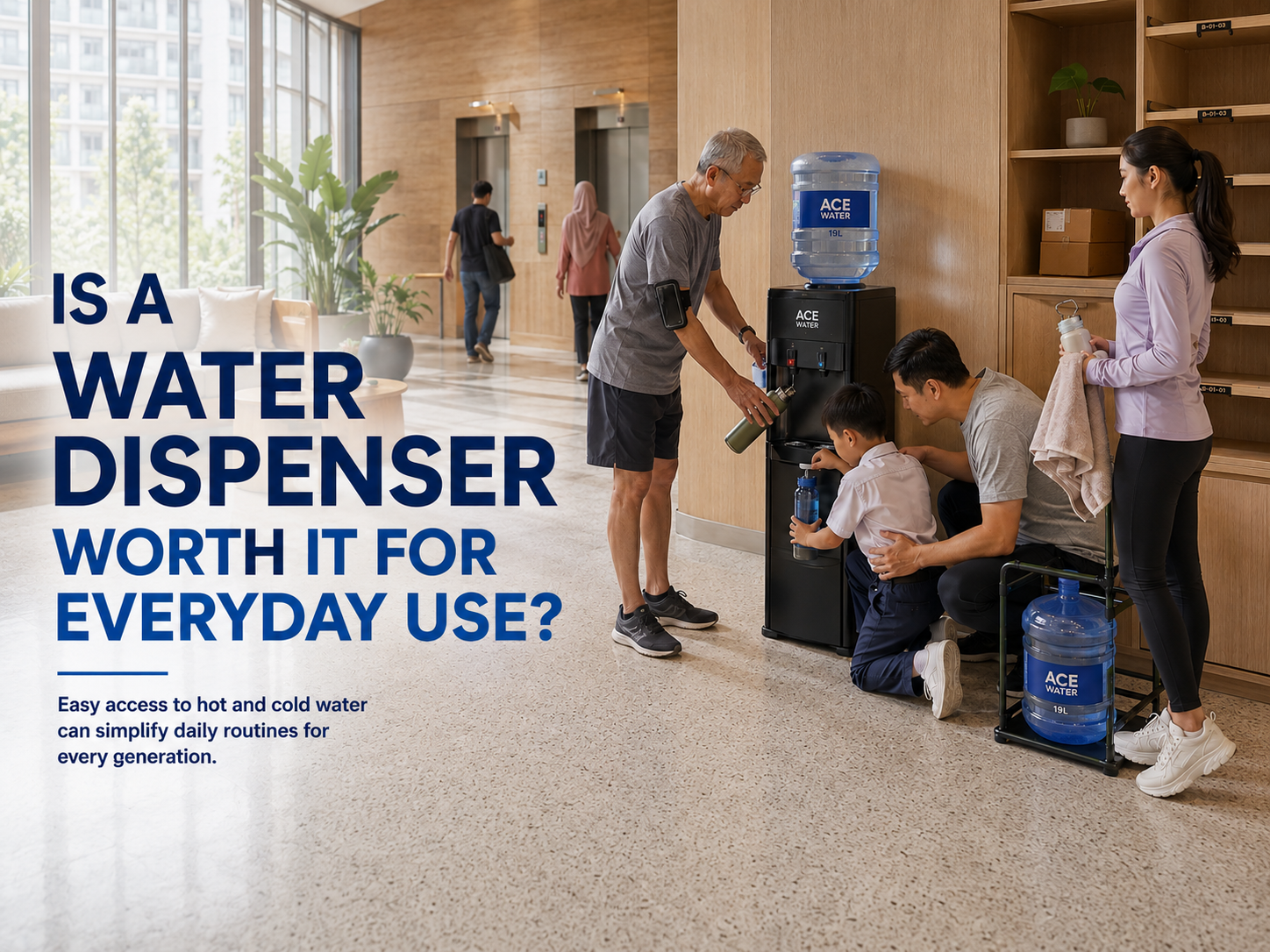
Everyday hydration is a big deal, and you’re probably wondering if a water dispenser truly earns its spot in your home or office. You want convenience, sure, but also cleaner, better-tasting water without breaking the bank or creating a mountain of plastic waste. Let’s find out if this seemingly simple appliance is the game-changer you need for your daily routine.
Seriously, why didn’t I get one of these sooner?
You’re probably thinking, “Is this really going to change my life?” And honestly, it’s one of those small changes that has a surprisingly big impact on your daily routine. The convenience factor alone is a game-changer you’ll appreciate almost immediately.
Forget about waiting for the kettle to boil or chilling water in the fridge. This simple appliance streamlines so many little moments throughout your day, making hydration and quick hot drinks incredibly accessible.
Hot tea and coffee in like two seconds flat
Imagine waking up and having perfectly hot water for your tea or instant coffee literally at the push of a button. There’s no more fiddling with kettles, waiting for them to boil, or dealing with potentially forgotten, re-boiled water that just doesn’t taste right.
This instant access really speeds up your morning routine, especially when you’re rushing out the door. You’ll find yourself reaching for that quick cup more often, saving precious minutes
No more wrestling with those heavy grocery store jugs
Hauling those multi-gallon water jugs from the supermarket to your car, and then into your house, is a chore nobody enjoys. They’re unwieldy, heavy, and frankly, a bit of a pain to deal with.
A water dispenser eliminates this struggle entirely. You simply order larger, often more economically sized, bottles that get delivered right to your door.
This means no more strained backs or awkward trips trying to balance multiple jugs. It’s a small luxury that makes a big difference in your weekly errands, freeing up space in your cart and your trunk for other groceries.
Let’s be honest, tap water just doesn’t taste that great
You’ve probably noticed that straight from the faucet, your water can have a distinct flavor – and not always in a good way. That’s because municipal water systems, while safe, often leave behind traces of chlorine and other minerals. It’s perfectly drinkable, of course, but it’s rarely a pleasant experience for your taste buds. For more on this, you might find What are the benefits of buying a water dispenser instead … quite insightful.
Think about it: when you’re grabbing a glass of water, you want something refreshing, something that actually makes you feel good. If the taste is off, you’re far less likely to reach for that glass throughout the day, which can really impact your hydration goals.
Why filtered water makes a huge difference for your palate
Filtering your water removes those undesirable elements that contribute to off-flavors. You’re not just making it safer – which it already is, generally – you’re making it genuinely enjoyable to drink. A good filter can strip out the chlorine and sediment, leaving you with a much cleaner, crisper taste.
Imagine sipping water that’s truly neutral, almost sweet in its purity. That’s the power of a quality filter. It transforms a mundane necessity into a small, daily pleasure.
Saying goodbye to that weird metallic aftertaste for good
That metallic note you sometimes get? That’s often due to dissolved minerals like iron or copper, which can be present even in treated tap water. While not harmful in small amounts, they certainly don’t enhance the drinking experience.
When you filter your water, you’re actively working to eliminate these metallic intrusions. This means no more unpleasant surprises after you’ve taken a sip; just smooth, clean water from start to finish. It’s about making sure every glass is as refreshing as the first.
Many filters are specifically designed to tackle these dissolved solids, ensuring a much purer flavor profile. You’ll notice the difference immediately, and it makes staying hydrated so much easier when you’re not battling an unwelcome aftertaste.
The real deal about what this is actually going to cost you
So, you’re probably thinking about the price tag, right? It’s a fair question, and one that often stops people in their tracks before they can enjoy the Top Benefits of Using a Water Dispenser at Home or Work. But let’s break it down beyond just the initial purchase.
You’re not just buying a machine; you’re investing in convenience and, potentially, your health. The true cost involves a few different elements, and understanding them helps you make a truly informed decision.
Upfront price vs. saving money on individual plastic bottles
The initial cost of a water dispenser can range quite a bit, from a couple of hundred dollars for a basic model to more for fancier, feature-rich units. This might seem like a lot at first glance, but consider your current spending habits.
Are you constantly grabbing single-use plastic bottles from the store? Those small purchases add up incredibly fast, often without you even realizing it. Over a year, you could easily spend more on bottled water than on a dispenser and its refills.
Don’t forget about the electricity and those filter changes
Yes, a water dispenser uses electricity, especially if it has heating and cooling functions. It’s usually not a huge drain on your utility bill, but it’s there. Think of it like a small refrigerator running continuously.
Then there are the filters. Depending on your model, you’ll need to replace them periodically, typically every three to six months. Neglecting this means you’re not getting the clean, great-tasting water you paid for, and potentially allowing contaminants to build up, which can be a serious health concern.
These filter changes are absolutely crucial for maintaining water quality. Skipping them can lead to a noticeable decline in taste and, more importantly, can compromise the very reason you got a dispenser in the first place: purer water.
My take on the whole ‘it takes up too much space’ thing
You’re probably picturing a bulky, old-school water cooler hogging a corner, right? That’s a fair concern, especially if your kitchen or office area isn’t exactly sprawling. But honestly, the modern designs are a far cry from those behemoths of yesteryear.
Many contemporary models are sleek, compact, and designed to fit into tighter spots without becoming an eyesore. Think about it – you’re likely already dedicating counter space to a coffee maker or toaster. A water dispenser might just be a more efficient use of that real estate for your hydration needs.
Finding a spot that isn’t right in the middle of the way
Consider a corner, perhaps near an outlet, where it won’t impede foot traffic or valuable prep space. Some folks even tuck them into a pantry or utility closet if there’s an accessible power source, pulling them out only when needed for refills or larger gatherings.
You could also look at models designed to sit on a countertop, if you have a bit of spare room next to the sink. These are often smaller and can be surprisingly unobtrusive, especially the ones with internal reservoirs rather than top-loading bottles.
Why bottom-loading models are a total game-changer for small kitchens
These are, without a doubt, a lifesaver for anyone with limited overhead clearance or a bad back. No more straining to hoist a heavy five-gallon bottle onto the top of the unit – the bottle simply slides into a compartment at the bottom. It’s a huge relief on your muscles and your ceilings.
The design also means the dispenser often has a lower profile, making it appear less dominant in your kitchen’s visual line. This helps maintain a sense of openness, which is incredibly important in smaller spaces where every inch feels magnified.
And let’s not forget the aesthetic benefit; with the bottle hidden away inside the cabinet, your kitchen looks much tidier. You won’t have that big, blue jug staring you down, which can really make a difference in a compact living area where visual clutter quickly becomes overwhelming.
What’s the secret to actually drinking more water anyway?
You’re probably thinking, “Okay, but will I *actually* drink more?” It’s a fair question, and one I had myself. We all know we should hydrate more, but life gets in the way, right? You’re busy, the tap water isn’t quite cold enough, or maybe you just forget to refill your glass.
But what if it was genuinely effortless? What if getting a glass of perfectly chilled (or hot!) water was as simple as pressing a button? You might be surprised by the Pros and cons of a hot/cold water dispenser at home, but for many, myself included, the convenience factor is a game-changer.
Having it right there makes it way too easy to stay hydrated
Think about it: no more waiting for the fridge filter, no more running the tap until it gets cold. The dispenser is just *there*, ready and waiting. This instant access removes all those tiny friction points that often stop us from reaching for water.
You’ll find yourself grabbing a quick glass throughout the day without even thinking about it. It becomes a natural, almost subconscious habit when the effort is practically zero.
Why kids and guests honestly love using the dispenser themselves
Kids, especially, are drawn to the novelty of a water dispenser. It feels a bit like a mini-fountain just for them! They love being able to serve themselves, and it encourages their independence. Plus, it’s a much healthier alternative to sugary drinks when they’re reaching for something to quench their thirst.
Guests appreciate it too. They don’t have to ask you for a drink or fumble with your fridge. They can just walk up and get what they need, whether it’s a cold glass of water or hot water for tea or instant coffee.
This self-serve aspect reduces your workload as a host and makes everyone feel more comfortable and at home. You’ll likely notice a significant uptick in water consumption from everyone in your household, simply because the barrier to entry is so incredibly low.
Is the plastic waste really worth the guilt?
You’re probably thinking about all those single-use plastic bottles, aren’t you? It’s a valid concern, and one that often weighs heavily on our minds when we consider convenience. But what if I told you a water dispenser could actually be a significant step toward reducing your household’s plastic footprint?
How many single-use bottles you’ll actually save every year
Think about your daily routine. If you’re buying even just one small bottle of water a day, that’s 365 bottles a year. For a family of four, that number skyrockets to well over a thousand. A dispenser, by contrast, eliminates the need for all of them.
Suddenly, those piles of empty plastic in your recycling bin start to shrink dramatically. You’re not just saving a few; you’re saving hundreds, if not thousands, of bottles from entering the waste stream annually.
The truth about recycling those big five-gallon jugs
Many people worry about the large five-gallon jugs used with dispensers. Are they just more plastic destined for a landfill? The good news is, most water delivery services operate on a closed-loop recycling system.
They collect the empty jugs directly from your home or office, sanitize them, and then refill them. This means those hefty containers get reused dozens, sometimes hundreds, of times before they’re ever truly recycled, making them a far more sustainable option than single-use bottles.
This reuse model is incredibly efficient. It drastically reduces the energy and resources needed to produce new plastic, offering a much greener alternative to the constant cycle of buying, using, and discarding smaller water bottles.
Conclusion
You’ve seen how a water dispenser can genuinely transform your daily hydration habits and even simplify kitchen tasks. Think about the convenience: no more waiting for the tap, no more lukewarm drinks, just perfectly chilled or piping hot water on demand. It’s a small change that brings a big impact to your routine.
Ultimately, deciding if a water dispenser is right for you comes down to your lifestyle and priorities. Are you looking to drink more water, reduce reliance on single-use plastic bottles, or simply enjoy better-tasting water at home? If so, you’ll likely find it’s a worthwhile investment that pays dividends in convenience and well-being.
FAQ
Q: How does a water dispenser improve the taste of drinking water?
A: Many water dispensers come equipped with filtration systems that significantly reduce impurities found in regular tap water. You’re getting rid of chlorine, sediment, and sometimes even heavy metals, which are often the culprits behind that ‘off’ taste. Think about it like a built-in Brita, but on demand and often chilled.
Q: What are the main types of water dispensers available for home use?
A: You’ve got a few main options. There are bottom-load dispensers, where the water bottle sits discreetly in the cabinet below, making bottle changes much easier. Then there are top-load models, which are probably what you picture first – the big bottle sitting right on top. And don’t forget plumbed-in units; these connect directly to your home’s water line, offering an endless supply without needing bottles at all. Each has its pros and cons, especially regarding installation and convenience.
Q: What’s the typical maintenance involved with owning a water dispenser?
A: Maintenance is pretty straightforward. For bottled dispensers, you’ll need to clean the drip tray regularly – maybe once a week or so, depending on use. The water contact parts, like the reservoir, should be sanitized every three to six months to prevent any buildup. Plumbed-in units typically require filter changes, usually every six months to a year, depending on the model and your water quality. It’s not a huge chore, but it’s important for taste and hygiene.
Q: Are there energy efficiency concerns with keeping a water dispenser plugged in all the time?
A: This is a common question, and it’s a valid one. Modern water dispensers are generally quite energy efficient. They’re designed to only activate the cooling or heating elements when needed, rather than running constantly. Many models also have an energy-saving mode or a switch to turn off the hot or cold function if you don’t use it much, which can help keep your electricity bill in check. The actual consumption is often less than you might expect, especially compared to frequently boiling a kettle or constantly opening the fridge for bottled water.
- August 14, 2026
- Dispenser