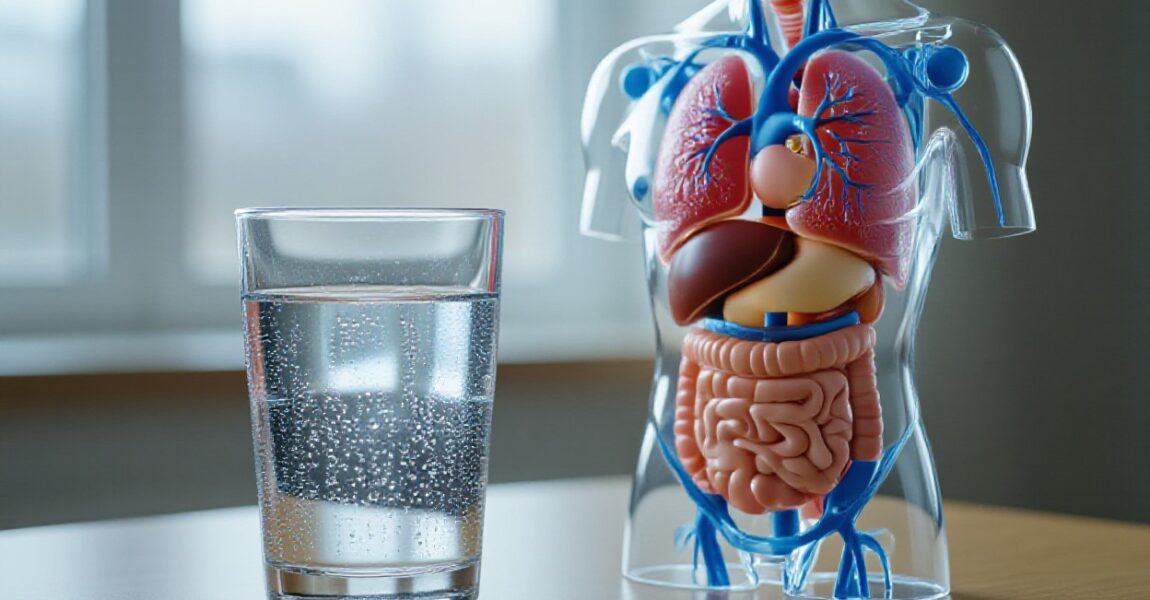
There’s a simple habit that transforms how you feel and perform: drinking enough water. When you keep your fluids up, you boost energy, digestion, circulation and mental focus, while avoiding the dangers of dehydration-impaired cognition, increased heart strain and greater risk of heat-related illness. This straightforward change helps your body run more efficiently every day. Stay energized and balanced every day with our mineral water gallon—delivering steady hydration that helps your body function better, from digestion and circulation to focus and recovery.
Contents
- 1 The Importance of Hydration
- 2 Physical Benefits of Staying Hydrated
- 3 Mental Benefits of Adequate Water Intake
- 4 Hydration and Skin Health
- 5 Optimal Water Intake: Myths and Facts
- 6 Tips for Staying Hydrated
- 7 To wrap up
- 8 FAQ
- 8.0.1 Q: How does drinking enough water improve cellular function?
- 8.0.2 Q: In what ways does hydration affect circulation and cardiovascular efficiency?
- 8.0.3 Q: How does water influence digestion, nutrient absorption, and metabolic rate?
- 8.0.4 Q: What are the effects of hydration on cognitive performance and mood?
- 8.0.5 Q: Why does drinking enough water matter for exercise, temperature control, and joint health?
Key Takeaways:
- Supports cellular function and nutrient transport – water enables metabolic reactions, delivers oxygen and nutrients to cells, and helps remove waste.
- Regulates body temperature – sweating and blood-flow adjustments prevent overheating and sustain physical performance.
- Improves digestion and nutrient absorption – adequate fluids aid saliva, digestive secretions, and smooth intestinal transit.
- Enhances joint and muscle performance – hydration lubricates joints, preserves cartilage, and reduces cramps and fatigue.
- Boosts cognitive function and mood – proper hydration sharpens focus, reaction time, and emotional stability while lowering headache risk.
The Importance of Hydration
Your body is about 60% water as an average adult, and that water is the medium for nearly every physiological process you rely on: nutrient delivery, waste removal, joint lubrication and temperature control through sweating. The kidneys alone filter roughly 150-180 liters of plasma per day, reabsorbing most of that water so you only excrete about 1-2 liters of urine under normal conditions; maintaining that balance directly supports cellular metabolism and blood volume needed for healthy circulation.
Even small deficits produce measurable effects-athletes and office workers alike lose performance with mild dehydration. Studies show that as little as 1-2% dehydration (a 1-2% drop in body weight from fluid loss) reduces attention, short-term memory and endurance, while losses of 5-10% increase risk of heat-related illness and losses above 10% can be life-threatening. Keep your body performing at its best with our 5-gallon water delivery, ensuring you always have enough clean water to support hydration, vitality, and daily body functions.
Understanding Water’s Role in the Body
Water functions as the solvent and reaction partner for digestion and metabolism: hydrolysis of macronutrients in the gut, transport of electrolytes across cell membranes, and movement of oxygen and glucose to tissues all depend on adequate hydration. Plasma osmolality is normally maintained between about 275-295 mOsm/kg, and small shifts around that range change how water moves between your cells and bloodstream, affecting everything from brain cell volume to muscle function.
Homeostasis is actively regulated-hormones like antidiuretic hormone (ADH) and aldosterone respond to tiny changes in osmolality and sodium to adjust renal reabsorption. The kidneys filter ~150-180 liters/day but reabsorb most of it so you typically produce 1-2 liters of urine; under heat and exercise losses can rise sharply to several liters per hour in extreme conditions, so you may need up to 6 liters or more per day in heavy work or hot environments.
Signs of Dehydration
Early signals are often subtle: increased thirst, dry mouth, reduced urine output and darker urine are common. Use urine color as a quick yardstick-pale straw to light yellow indicates good hydration, while dark amber urine usually signals insufficient fluid. Clinically, urine output below 0.5 mL/kg/hour is considered low and warrants attention.
As dehydration progresses you may experience lightheadedness, rapid heartbeat, low blood pressure upon standing and impaired cognitive function; severe cases produce confusion, fainting and heat-related emergencies such as heat exhaustion or heatstroke. Performance losses are measurable-a 2% body-weight fluid loss typically reduces endurance and increases perceived exertion during exercise.
Certain people are at higher risk: older adults (with blunted thirst), infants, endurance athletes, outdoor workers and anyone on diuretics or with vomiting/diarrhea. Clinically, losing roughly 5% of body weight indicates moderate dehydration and >10% is classified as severe and often requires IV fluids; look for signs such as sunken eyes, poor skin turgor and capillary refill over 2 seconds as red flags.
Physical Benefits of Staying Hydrated
Enhanced Physical Performance
When you’re even mildly dehydrated (around 2% loss of body weight from fluid), your endurance, strength and power can drop noticeably – studies report performance declines of up to 20-25% in prolonged or high-intensity efforts. Your heart rate rises, perceived exertion increases, and heat dissipation becomes less efficient, so you fatigue faster and are more prone to heat-related illness during long workouts or labor in hot environments.
You can offset much of that loss by tailoring fluid intake to your sweat rate: aim for roughly 5-10 mL/kg 2-4 hours before exercise and then replace fluids at about 0.3-0.7 L per hour during activity depending on intensity and climate. Athletes who monitor body-mass changes across sessions and replace ~80% of sweat losses tend to maintain power output and recover faster, reducing cramps and post-exercise soreness.
Improved Digestion and Nutrient Absorption
Water supports every stage of digestion: it forms saliva, helps dissolve nutrients for absorption, maintains the mucus lining of the gut and powers peristalsis so food moves smoothly through the intestines. If your total fluid intake is low, stool becomes harder and transit slows, which commonly contributes to constipation; generally adults need about 2-3 liters of total fluids per day, though individual needs vary with body size and activity level.
Hydration also affects how well you absorb water-soluble vitamins (like B and C) and minerals: adequate fluid ensures nutrients are carried to intestinal cells and then to the bloodstream, while maintaining urine volume helps kidneys flush excess solutes. In fact, maintaining a daily urine volume above roughly 2 liters is associated with a substantially lower risk of recurrent kidney stones, illustrating how hydration protects both digestion and renal health.
For practical checks, monitor the color and volume of your urine – a pale straw color and consistent voiding throughout the day indicate good intake – and pair increased dietary fiber with more fluids so fiber can form a soft, bulkier stool. For quick guidance on staying adequately hydrated in everyday life, see Are You Drinking Enough Water?
Mental Benefits of Adequate Water Intake
Boosted Cognitive Function
Even a fluid loss of just 1-2% of your body weight can produce measurable declines in attention, working memory, and complex problem‑solving. You’ll notice tasks that require sustained focus-like studying for an exam or monitoring multiple data streams at work-are the first to suffer: reaction times slow, accuracy drops, and mental endurance wanes.
When you restore fluids, performance can rebound quickly; drinking about 300-500 mL of water after mild dehydration often improves alertness and processing speed within a short time window. Practical examples include competitive athletes who regain fine motor coordination with rehydration between heats, and students who report clearer thinking after sipping water during long study sessions.
Mood Regulation and Mental Clarity
Dehydration commonly amplifies feelings of fatigue, irritability, and difficulty concentrating, so keeping your fluid balance steady helps stabilize mood. You’ll experience fewer energy slumps and less distracted thinking when you drink consistently through the day, because hydration supports neurotransmitter function and efficient nutrient delivery to the brain.
Simple habits make a big difference: start your morning with a glass, sip small amounts regularly, and avoid letting several hours pass without fluids. Use urine color as a quick check-aim for a pale straw color-and limit prolonged caffeine without water to prevent mood‑related dips.
More detailed evidence shows that you can gain subjective improvements in clarity and reduced tension within 15-30 minutes of drinking water, making short hydration breaks a high‑impact strategy for meetings, exams, or periods of sustained mental effort.
Hydration and Skin Health
Keeping your fluid balance steady maintains the microenvironment that skin cells need to function: the dermal matrix depends on interstitial fluid for nutrient delivery, waste removal and mechanical support. The Institute of Medicine recommends about 2.7 L/day for women and 3.7 L/day for men of total water (from foods and beverages), and when you meet those targets your skin’s surface hydration and barrier recovery operate more efficiently, particularly after minor insults like shaving or sun exposure.
When you’re underhydrated, circulation to the skin can decrease and the extracellular matrix loses volume, so fine lines become more visible and makeup sits unevenly; conversely, improving hydration tends to “plump” cells and temporarily smooth texture. Clinical observations show that combined strategies – increasing oral fluids to recommended intakes while using topical humectants – deliver the most consistent improvements in visible skin quality.
Effects on Skin Elasticity and Appearance
Hydration directly influences collagen and elastin behavior: as interstitial water content rises, collagen fibers glide more easily and elastic recoil improves, so your skin feels less taut and recovers shape faster after stretching. You’ll often notice changes within days to weeks – increased skin turgor and reduced look of fine lines – especially if you were previously consuming less than 1 L of fluids daily.
Specific examples include post-exercise rehydration, where restoring fluids within 30-60 minutes reduces skin tightness, and practical routines like pairing 1-2 extra glasses of water with a morning humectant (glycerin or hyaluronic acid) that can increase surface hydration by measurable amounts for several hours. For sustained elasticity, combine adequate daily intake with sunscreen and a diet rich in vitamin C and protein to support collagen synthesis.
Role of Water in Skin Disorders
In inflammatory conditions such as atopic dermatitis and psoriasis, inadequate systemic hydration can exacerbate transepidermal water loss and compromise the lipid barrier, making flares more frequent and severe; studies show that improving skin hydration reduces itch intensity and can lower reliance on topical corticosteroids. If you have chronic wounds or ulcers, insufficient fluid intake impairs perfusion and cellular migration, increasing the risk of delayed healing and infection.
Practical management involves treating the skin barrier and internal hydration together: you should maintain recommended daily fluid intake, use occlusive or ceramide-rich emollients to lock in moisture, and monitor salt and medication effects that alter fluid balance (diuretics, isotretinoin). In clinical settings, when patients presenting with severe dermatitis also show signs of volume depletion, correcting systemic hydration often speeds recovery and reduces complication rates.
Additional evidence links hydration to immune competence in the skin: adequate perfusion supports neutrophil and macrophage function at injury sites and lowers bacterial colonization risk, so by keeping fluids up you’re helping both barrier and immune defenses – an important consideration if you have recurrent infections, wound-healing problems, or are on immunosuppressive treatments.
Optimal Water Intake: Myths and Facts
How Much Water Do You Really Need?
Standard guidelines are often simplified into the “8×8” rule (about 2 liters a day), but organizations that reviewed the evidence recommend a broader range: the U.S. Institute of Medicine estimates total daily water intake (from beverages and food) at about 3.7 liters for men and 2.7 liters for women. Because roughly 20% of your water usually comes from food, what you drink will typically be lower than those totals; using them as a starting point helps you set a realistic daily target rather than chasing an arbitrary glass count.
Personal characteristics change that baseline considerably. A practical formula is about 30-35 mL per kg of body weight per day-for example, a 70 kg person would need roughly 2.1-2.45 liters. When you sweat heavily (heat, humidity, or exercise), add about 0.5-1.0 liters per hour of intense activity, and if you’re pregnant or breastfeeding add about 0.3-0.7 liters. Monitoring changes in body weight (a 1-2% loss signals mild fluid deficit) and urine color (pale straw is ideal; darker suggests dehydration) gives immediate, personalized feedback.
Misconceptions About Hydration
One persistent myth is that you must force yourself to drink far beyond thirst at all times. Thirst is a reliable short-term regulator for most healthy adults; overdrinking can dilute blood sodium and lead to hyponatremia (serum sodium <135 mmol/L), which in severe cases (<120 mmol/L) causes seizures or coma. Likewise, the belief that coffee or tea don’t count toward your fluid intake is outdated-research shows moderate caffeine intake contributes to total fluid balance for habitual consumers-whereas alcohol does promote fluid loss and raises your hydration needs.
Another common misconception is that bottled sports drinks are always better than water. For sessions under an hour, plain water is usually sufficient; during prolonged exercise (>60-90 minutes) you benefit from fluids that include sodium and carbohydrate to replace sweat losses and maintain performance. Typical sports drinks contain roughly 10-30 mmol/L of sodium and 6-8% carbohydrate; for medical rehydration (severe fluid loss from illness) solutions with higher sodium (e.g., oral rehydration formulas) are more appropriate than commercial sports beverages.
Practical markers outperform rigid rules: check urine color, track body-weight changes around exercise, and adjust intake when you’re on diuretics, SSRIs, or in very hot conditions because those factors alter needs. Studies of endurance events have reported exercise-associated hyponatremia in a notable minority of participants (up to about 10-15% in some series), highlighting that both under- and over-hydration carry dangerous consequences; therefore you should aim to drink according to thirst while using objective cues and clinical guidance when required.
Tips for Staying Hydrated
Small, consistent habits turn adequate hydration into an effortless part of your day. Carry a refillable bottle to work and set visible goals (for example, finish a 750 ml bottle by mid-afternoon), since studies show visibility and accessibility increase consumption. Include easily accessible sources of fluid: a cup of herbal tea, a bowl of broth-based soup, or a snack of watermelon – which is about 92% water – all add significantly to your daily water intake.
- Carry a bottle with time markers or use a 500-750 ml bottle to pace intake.
- Set reminders on your phone or tie drinking to habits (after every bathroom break or before meals).
- Consume water-rich foods: cucumbers (~95% water), tomatoes (~94%), and oranges (~87%).
- Add electrolytes during prolonged exercise or heavy sweating to maintain fluid balance and prevent dehydration.
- Choose sparkling or flavored water if it helps you sip more often, and avoid relying solely on diuretics like excessive caffeine.
Plan intake around predictable fluid losses: drink ~500-600 ml in the two hours before long exercise, then 0.4-0.8 liters per hour depending on intensity and heat, and replace what you lose afterwards by weighing yourself; a 1 kg loss equals roughly 1 liter of fluid. Perceiving sudden drops in energy, headaches, or dark urine as warning signs lets you correct course quickly.
Creative Ways to Increase Water Intake
Infusing your water with slices of citrus, cucumber, or herbs like mint can increase how much you drink without adding sugar – try a 1:1 mix of sparkling and still water for variety. Frozen fruit ice cubes, chilled herbal teas, and homemade electrolyte popsicles are effective for hot days; for example, a bowl of cold watermelon or a cucumber-mint spritz provides both fluid and electrolytes while feeling more like a treat than a chore.
Keep portable, ready-to-drink options: prepare 1-liter jugs with fruit slices for the week or carry single-serving electrolyte powders for long outings. You can also integrate fluids into meals – swap a heavy sauce for a broth-based alternative or add a hydrating side salad – which helps you get the commonly overlooked ~20-30% of daily fluids that typically come from food.
Monitoring Your Hydration Levels
Use simple, objective measures so you can respond before performance suffers: check urine color (aim for pale straw), monitor body-weight changes around workouts (losing >2% of body mass impairs performance), and note heart-rate changes or lightheadedness. If you have access to a refractometer, a urine specific gravity above 1.020 often indicates hypohydration; otherwise, dark urine and infrequent urination are reliable warning signs that you need more water.
Leverage technology and routines: set regular check-ins in an app, use a smart bottle that tracks sips, or place a pitcher in the fridge with a daily target to visually cue your progress. Older adults and people on certain medications may have blunted thirst signals, so scheduled sipping and extra checks of urine color are particularly important for those groups.
For post-exercise recovery, weigh yourself immediately before and after activity – each 1 kg lost corresponds to about 1 liter of fluid – and aim to replace that loss with roughly 1.25-1.5 liters of fluid over the next few hours to restore balance; treating rapid weight loss, dizziness, or confusion as dangerous signs will prompt faster intervention and reduce risk.
To wrap up
With these considerations in mind, staying adequately hydrated lets your cells, organs, and systems operate efficiently: water maintains blood volume and circulation, supports temperature regulation, aids digestion and nutrient transport, and preserves cognitive clarity so you can think and react more effectively.
Make hydration a regular habit by sipping water throughout the day, adjusting intake for activity and climate, and including water-rich foods; this simple practice reduces fatigue, speeds recovery, stabilizes mood and focus, and helps you sustain physical and mental performance over time.
FAQ
Q: How does drinking enough water improve cellular function?
A: Water is the primary solvent inside and between cells, enabling biochemical reactions, nutrient transport, and waste removal. Proper hydration maintains cell volume and membrane integrity, supports electrolyte balance that powers nerve and muscle function, and optimizes enzyme activity required for energy production and repair. Without adequate fluid, cells shrink, metabolic reactions slow, and transport of oxygen and nutrients becomes less efficient.
Q: In what ways does hydration affect circulation and cardiovascular efficiency?
A: Adequate fluid intake preserves blood volume and reduces blood viscosity, which lowers the workload on the heart and helps maintain stable blood pressure. Well-hydrated blood improves oxygen and nutrient delivery to tissues and speeds removal of metabolic waste. Dehydration can lead to faster heart rate, reduced stroke volume, and impaired perfusion to vital organs, increasing fatigue and the risk of dizziness.
Q: How does water influence digestion, nutrient absorption, and metabolic rate?
A: Water aids production of saliva and digestive juices, helps dissolve nutrients for enzymatic breakdown, and moves chyme through the gastrointestinal tract to prevent constipation. Good hydration supports the lining of the gut for efficient absorption of vitamins, minerals, and macronutrients. It also participates in metabolic reactions and supports thermogenesis; mild dehydration can blunt metabolism and impair nutrient processing.
Q: What are the effects of hydration on cognitive performance and mood?
A: The brain is highly sensitive to fluid balance; adequate hydration helps maintain cerebral blood flow, neurotransmitter synthesis, and electrical signaling. Proper hydration supports attention, short-term memory, reaction time, and executive function. Even modest fluid losses can cause headaches, difficulty concentrating, irritability, and decreased alertness, while rehydration often restores cognitive performance.
Q: Why does drinking enough water matter for exercise, temperature control, and joint health?
A: During physical activity, water enables sweat-based cooling to regulate body temperature and prevents overheating. Hydration maintains blood flow to muscles and skin, supports delivery of oxygen and nutrients, and helps remove heat and metabolites. It also preserves joint lubrication and muscle elasticity, reducing injury risk and cramps. Maintaining fluid and electrolyte balance improves endurance, strength, and recovery after exercise.
- December 24, 2025
- Health