It’s a simple, evidence-backed habit: drinking a glass of water 20–30 minutes before meals can reduce hunger and lower calorie intake, helping you control portions and support weight loss, but excessive intake in a short time can cause water intoxication by diluting electrolytes; if you have heart or kidney conditions, consult your clinician. Make smart eating easier with Desa Mineral Water—enjoy a glass before meals to help curb appetite and reduce overeating
Contents
- 1 The Science Behind Drinking Water Before Meals
- 2 Studies Supporting Water Consumption Before Meals
- 3 Practical Tips for Incorporating Water into Meal Times
- 4 Other Factors Influencing Appetite
- 5 Common Misconceptions About Water and Weight Loss
- 6 Final Words
- 7 FAQ
- 7.0.1 Q: Does drinking water before meals help you eat less?
- 7.0.2 Q: How much water and when should I drink it to reduce appetite?
- 7.0.3 Q: Does the temperature or type of drink matter?
- 7.0.4 Q: Will pre-meal water help with long-term weight loss?
- 7.0.5 Q: Are there any downsides or people who should avoid this practice?
Key Takeaways:
- Drinking about 500 mL (≈16–17 oz) of water ~30 minutes before a meal often lowers calorie intake at that meal.
- Research shows stronger effects in middle-aged and older adults; results in younger adults are smaller and less consistent.
- Reduced intake likely comes from stomach distension and increased feelings of fullness.
- The effect is modest and short-term—most effective when combined with broader diet and lifestyle changes for weight loss.
- Individual responses vary; avoid excessive water intake and adjust timing/volume to personal comfort.
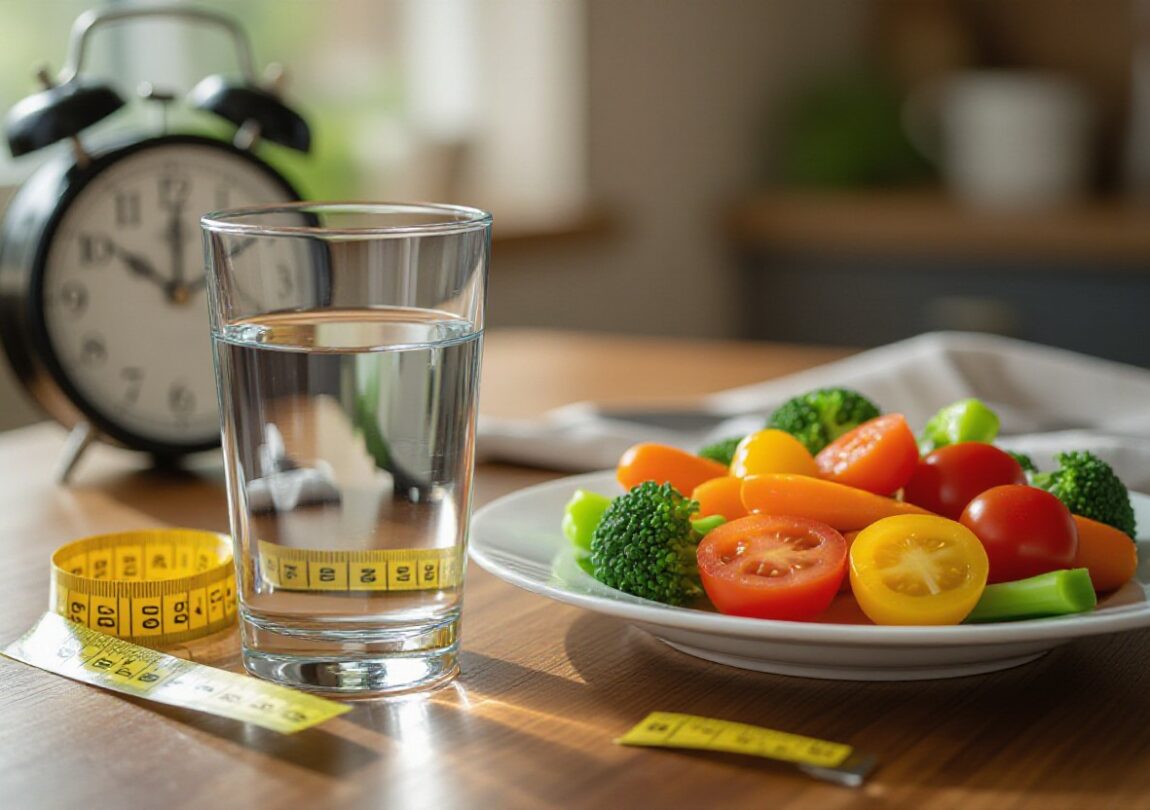
The Science Behind Drinking Water Before Meals
Multiple mechanisms explain why premeal water can change eating behavior: gastric distension activates mechanoreceptors that send satiety signals via the vagus nerve, and the added volume can reduce the space available for food, so you naturally eat less at the first bites. In studies the common protocol is about 500 mL (0.5 L) consumed ~30 minutes before a meal, which gives the stomach time to register stretch without blunting digestion once food arrives.
Physiological responses vary by age, body composition and habitual drinking patterns, so effects are not identical for everyone. While modest premeal drinking is generally safe, very large, rapid water loads can dilute blood sodium and lead to hyponatremia in extreme cases, so you should avoid unusually high volumes in a short time, especially if you take medications that affect fluid balance. Make healthier eating easier with Desa Mineral Water 500ml — drinking a bottle before meals helps you feel fuller, control portions, and stay refreshed naturally.”
Physiological Effects on Hunger
When you drink water before eating, the physical stretch of the stomach reduces subjective hunger signals: many trials report lower hunger ratings and earlier sensation of fullness during the ensuing meal. Neural signalling from gastric mechanoreceptors to brainstem satiety centers suppresses intake even if circulating hunger hormones like ghrelin show minimal short-term change in some studies.
Older adults tend to show a stronger satiety response to premeal water than younger adults, probably because baseline gastric capacity and thirst/satiety signaling differ with age; in practice this means you may notice a bigger drop in how much you want to eat if you’re middle-aged or older compared with a younger person.
Impact on Caloric Intake
Controlled trials give concrete examples: a randomized study that had participants drink 500 mL of water before meals showed greater weight loss over 12 weeks in the water group versus control, with the water group losing about 2 kg more on average in that middle-aged and older cohort. Acute feeding studies using the same 500 mL/30-minute protocol frequently report reduced energy intake at the meal — often a measurable percentage drop in calories consumed compared with no premeal water.
Effects on single meals often translate into modest daily energy reductions, but outcomes depend on whether you compensate later in the day. Some experiments show no full compensation, meaning the calories saved at the meal persist; others find partial compensation, so the net daily deficit can be small unless the habit is repeated consistently.
Practically, combining premeal water with other strategies—like protein-rich starters or mindful eating—amplifies the benefit: if you use 500 mL before meals and reduce portion size by even 5–10% per meal without compensating later, that can add up to several hundred fewer calories per week and measurable weight change over months.
Studies Supporting Water Consumption Before Meals
Research Findings
Several randomized trials and controlled feeding studies show that drinking water before a meal can lead to a modest reduction in the calories you consume at that sitting. For example, trials in middle-aged and older adults that instructed participants to drink about 500 mL of water 30 minutes before meals reported greater weight loss over 8–12 weeks compared with no pre-meal water, with pooled estimates typically in the range of about 1–2 kg additional loss in the short term. Beyond weight, acute lab studies measuring ad libitum intake often find reductions of roughly 50–100 kcal per meal when pre-meal water is consumed, which can add up if you keep the habit.
Mechanisms proposed in these studies include gastric distension and faster onset of fullness signals, and some work links the benefit to simple behavioral substitution — choosing water instead of calorie-containing beverages. Meta-analyses and popular summaries (see How Drinking More Water Can Help You Lose Weight) synthesize these effects and show a consistent, though modest, pattern across trials.
Limitations of Current Studies
Study limitations mean you need to interpret findings with care. Many trials have small sample sizes, short follow-ups (8–12 weeks), and focus on middle-aged or older adults, so the results may not generalize to younger people or those with different lifestyles. In addition, a lot of the weight-loss evidence comes from studies that pair pre-meal water with a hypocaloric diet, making it hard to isolate the effect of water alone. You should note that measurement often relies on self-reported intake and weight, which introduces bias, and differences in water volume, temperature, and timing are not standardized across studies.
Methodological gaps also include limited diversity in participant groups and few long-term maintenance trials; as a result, the long-term impact on weight and eating behavior remains uncertain. If you’re evaluating whether to adopt pre-meal water as a strategy, be aware that the evidence supports a modest short-term benefit but does not yet confirm sustained, large-scale effects across populations.
Practical Tips for Incorporating Water into Meal Times
Make small, repeatable habits part of your routine so drinking water before meals becomes automatic: keep a 16‑ounce (500 ml) glass on the table, pour water while you plate food, or set a phone reminder 20–30 minutes before typical meal times. Clinical work shows that a 500 ml preload in older adults produced greater weight loss over 12 weeks compared with no preload, so you can use that as a benchmark while tailoring volume to your needs. Use water intake strategies that support slower eating — taking 2–3 sips between bites reduces speed and enhances satiety, which helps you eat less without feeling deprived.
- Start with 250 ml (8 oz) if you’re not used to premeal drinking, then increase to 500 ml (16 oz) if it feels comfortable.
- Use sparkling water for an immediate sense of fullness, but avoid sugared or high‑calorie flavored beverages.
- Pair a glass of water with a low‑calorie starter (salad, broth) to amplify the preload effect on portion control.
- If you have heart or kidney disease, check with your clinician before markedly increasing premeal volumes.
Adjust these tactics by testing them across a week and logging how much less you eat and how you feel afterward; small experiments (250 ml versus 500 ml, 10 minutes versus 30 minutes before) reveal what reliably reduces your intake without causing discomfort. Knowing you can fine‑tune volume and timing to your physiology and schedule will make adoption sustainable.
Recommended Amounts
Use 250–500 ml (8–16 oz) of water as the typical premeal preload: most controlled studies that show reduced intake or improved weight outcomes used about 500 ml consumed 20–30 minutes before a meal. If you’re older, evidence suggests you may get a stronger effect from the full 500 ml; if you’re younger or have a small appetite, 250 ml often suffices. Place emphasis on drinking water before meals rather than swapping in caloric beverages, since noncaloric water is what supports portion control and lowers meal energy intake.
Scale back immediately if you feel bloated, short of breath, or lightheaded — those are signals you’ve overshot. For many people aiming to reduce caloric intake, a practical target is 500–1,000 ml split across three premeal drinks (roughly 500 ml total before lunch and dinner, 250 ml before breakfast), but if you have hypertension, heart failure, or advanced kidney disease, consult your provider because excessive fluid loading can be harmful.
Timing and Preparation
Consume your preload about 20–30 minutes before you begin eating; that interval lets the stomach register fullness and slows the initial eating rate. Trials that showed measurable reductions in meal energy intake and greater weight loss typically used the 30‑minute gap, so you should try that timing first and then adjust if it doesn’t suit your schedule. Drinking immediately before or sipping continuously through a meal still helps by slowing pace, but it produces a smaller preload effect on satiety.
Prepare your water to encourage adherence: use a dedicated premeal glass (16 oz for the 500 ml target), flavor with citrus or mint if plain water deters you, and substitute a clear broth or a small salad when warmth or texture helps you eat less. Sparkling water creates extra gastric distension and can boost immediate fullness, but avoid added sugars; flavored waters with sweeteners may undermine weight goals by maintaining a preference for sweet tastes.
Address practical issues such as reflux, bloating, and medication timing by sipping slowly—fast consumption of large volumes can exacerbate gastroesophageal reflux or cause discomfort—and by spacing medications that require an empty stomach; if you have fluid‑restriction orders, chronic heart or kidney conditions, or are on sodium‑retaining medications, get specific guidance from your clinician because inappropriate increases in premeal water can pose risks.
Other Factors Influencing Appetite
Your appetite is shaped by more than just drinking water before meals; environmental cues, sleep patterns, medications and social context all modulate how much you eat. For example, shift work and chronic sleep restriction can raise evening hunger and increase intake by roughly 300–500 kcal/day in experimental studies, while certain antidepressants, antipsychotics and corticosteroids are associated with appetite increases and weight gain. Practical factors you can watch for include:
- Sleep quality and timing
- Stress and emotional eating triggers
- Meal timing and portion cues in your environment
- Medications that affect appetite
- Alcohol and high-sugar snacks that blunt satiety signals
Physiological regulators such as ghrelin (which rises before meals) and leptin (proportional to fat mass) interact with gut hormones like PYY and GLP-1 to determine short-term hunger and long-term energy balance; you can influence these by adjusting sleep, physical activity and meal composition. A randomized trial showed that preloading with 500 ml of water before meals produced greater weight loss (about 2 kg over 12 weeks) in middle-aged and older adults when combined with a hypocaloric diet, illustrating how behavioral tweaks combine with biology to change intake.
Psychological Aspects
You respond to stress, boredom and social cues in ways that often override physiological satiety—cortisol elevation, for instance, increases preference for energy-dense foods and can bias choices toward sweets and fats. In lab studies, acute stress has been linked to greater snack intake, while chronic stress shifts reward pathways so you seek out higher-calorie comfort foods more frequently.
Techniques that change how you relate to those cues—brief pauses before eating, labeling emotions, and structured meal plans—reduce impulsive intake; mindful eating interventions typically cut binge or emotional eating episodes and can lower daily caloric intake by measurable amounts in clinical trials. If you train yourself to notice cues rather than react automatically, your food decisions will align more with hunger signals and less with external triggers.
Nutritional Content of Meals
Meal composition strongly determines subsequent hunger: protein has the greatest satiety per calorie, with studies suggesting ~25–30 g of protein at a meal reduces next-meal intake and increases thermogenesis. High fiber (soluble and viscous types) slows gastric emptying and blunts postprandial glucose, while low energy density (bulky, watery foods like soups, vegetables) lets you eat satisfying volumes for fewer calories.
Carbohydrates with a high glycemic load tend to produce faster post-meal drops in blood glucose and may prompt return of hunger within 60–120 minutes, whereas mixed meals with fiber and protein extend fullness. Practical swaps—replacing a sugary beverage with water or adding 15–20 g extra protein and 5–10 g fiber to a meal—can reduce total daily intake by a few hundred calories without increasing perceived deprivation.
Concrete examples: a breakfast with 30 g protein (2 eggs + 150 g Greek yogurt) plus 8–10 g fiber (berries, oats) typically delays hunger by several hours; substituting a bowl of broth-based vegetable soup before a main course reduces meal energy intake by 100–200 kcal in feeding studies. Incorporating legumes, whole grains and lean protein reliably increases satiety hormones (PYY, GLP-1) and lowers ad libitum intake at the next meal.
Perceiving hunger as a signal shaped by environment, hormones and meal makeup helps you choose strategies (sleep, stress management, targeted meal composition) that reduce overeating rather than relying on a single tactic.
Common Misconceptions About Water and Weight Loss
Myths vs. Facts
Some people treat water like a magic bullet, but the effects are modest and context-dependent. Drinking about 500 ml before a meal has reduced meal calorie intake by roughly 75–90 kcal in several trials, and in older adults that preload has produced measurable extra weight loss when paired with a reduced-calorie diet (roughly a couple of kilograms over 12 weeks in one randomized trial). If you swap a single 12-oz sugary drink (about 140 kcal) for water each day, you eliminate a high-impact source of calories — that substitution, not water itself, is often the real driver of weight change.
Other popular claims don’t hold up: the small metabolic boost after drinking water (you might burn an extra 20–30 kcal after a 500 ml bolus) is too tiny to matter by itself, and the idea that water “flushes toxins” beyond normal kidney function is misleading. More importantly, overdrinking to chase faster results can be dangerous; dilutional hyponatremia has occurred in athletes and individuals who consumed excessive volumes in short periods, so more water is not always better.
Understanding Hydration Needs
General intake targets offer a starting point: total daily water (from beverages and food) of about 3.7 L for men and 2.7 L for women is the Institute of Medicine guideline, but you should tailor that to your weight, activity and climate. A practical rule is ~30–35 ml per kg of body weight — for example, a 70 kg person would aim for roughly 2.1–2.45 L from all sources, with about 20% typically coming from food. Meeting these needs supports digestion, exercise performance and normal appetite regulation.
Activity and heat change the picture significantly. During moderate exercise you may need an extra 0.5–1.0 L per hour, and for prolonged or intense workouts you should include electrolytes rather than plain water to avoid diluting blood sodium. Thirst is a useful signal for most people, but if you exercise heavily or are older (thirst response blunts with age), schedule fluids and check urine: a pale straw color usually indicates adequate hydration. Overconsumption relative to sweat and sodium loss, especially during endurance events, can lead to hyponatremia, which is a medical emergency.
If you want a simple, actionable check: weigh yourself before and after workouts — a 1 kg drop is roughly a 1 L fluid loss — then replace about 150% of that loss over the next 2–4 hours (to account for ongoing losses) using water and an electrolyte-containing drink when workouts are long or salty. Small daily habits work too: sipping between meals and having 250–500 ml with meals can keep you hydrated and help moderate intake without risking overhydration.
Final Words
Considering all points, drinking a glass or two of water before a meal can reduce how much you eat by creating mild stomach distension and increasing satiety, producing modest short-term reductions in calorie intake—effects tend to be more consistent in middle-aged and older adults. The impact varies by timing, volume, and individual physiology, so water serves as an effective adjunctive strategy rather than a standalone weight-loss solution.
You can use pre-meal water as a simple, low-risk tool: aim for about 250–500 ml (a cup to two) roughly 20–30 minutes before eating, observe how your hunger responds, and combine this habit with portion control, protein- and fiber-rich meals, and regular physical activity for better results. If you have medical conditions or take medications that affect fluid balance, consult a healthcare professional before changing your fluid intake.
FAQ
Q: Does drinking water before meals help you eat less?
A: Yes, drinking water before a meal can reduce how much you eat at that meal for many people. Plain water increases stomach volume and can create a mild sense of fullness, leading to lower calorie intake in the short term. The effect size is modest and varies by age, body weight, meal composition and timing, so it may not produce large changes for everyone.
Q: How much water and when should I drink it to reduce appetite?
A: Studies commonly use about 240–500 ml (1–2 cups) consumed roughly 20–30 minutes before eating. That timing lets the stomach register the added volume and promotes satiety without rapidly diluting digestive secretions. Smaller sips closer to eating may help a little, but the pre-meal window is where most research shows the clearest effect.
Q: Does the temperature or type of drink matter?
A: Plain, noncaloric water is most effective for reducing calorie intake; beverages with calories (juice, soda, milk) add energy and defeat the purpose. Temperature has minimal impact on long-term effects—cold or room-temperature water may both reduce appetite—though carbonated drinks can increase perceived fullness for some people while also causing bloating or discomfort.
Q: Will pre-meal water help with long-term weight loss?
A: Drinking water before meals can support weight loss efforts as a simple behavioral tool, but by itself it usually produces only small additional weight loss. It is most effective when combined with overall calorie control, healthier food choices and regular physical activity. Some trials show modest extra weight loss when pre-meal water is added to a calorie-restricted plan, but consistent adherence matters more than the tactic alone.
Q: Are there any downsides or people who should avoid this practice?
A: For most people it is safe, but those with fluid-restricted medical conditions (advanced kidney disease, some heart-failure patients), a history of hyponatremia, severe swallowing difficulties, or problematic reflux should consult their clinician before increasing fluid intake before meals. Drinking very large volumes quickly can cause discomfort, bloating or, rarely, electrolyte imbalance if extreme. Adjust the amount and timing to what feels comfortable and medically appropriate.
- November 18, 2025
- Health