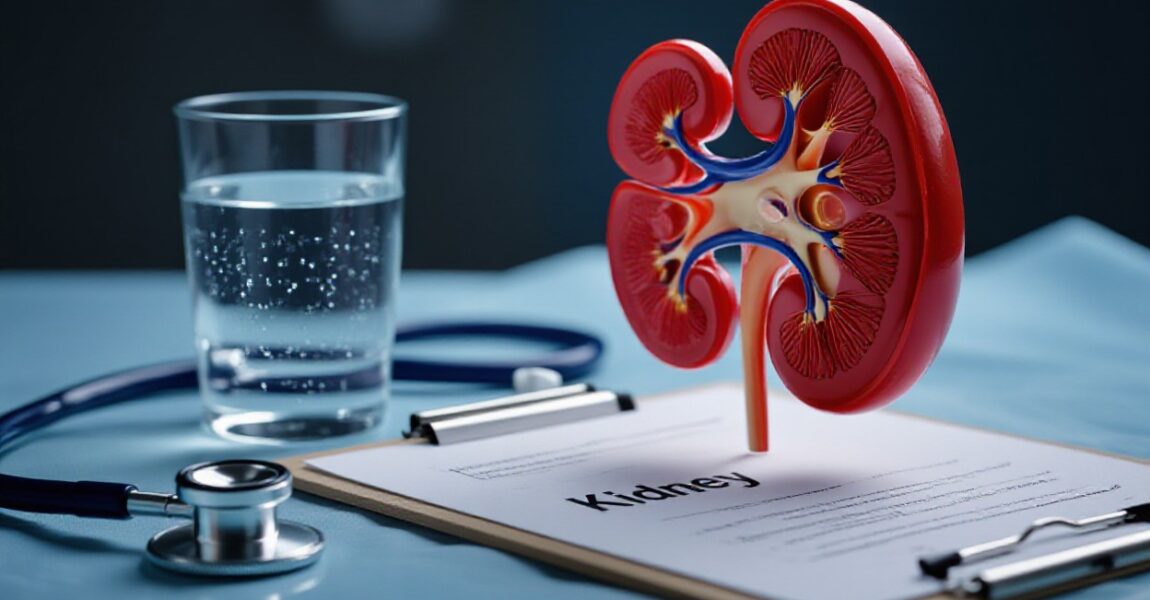
Most people don’t realize how directly water affects your kidneys: adequate hydration helps maintain filtration, reduces risk of kidney stones and urinary infections, while chronic dehydration or extreme overhydration can cause acute injury or electrolyte imbalance; you should adjust fluid intake based on activity, climate, salt and medication use, and if you have kidney disease consult your clinician to set a safe individualized target. Pure Malaysian mineral water supports kidney health by helping your kidneys flush out waste efficiently, keep urine diluted, and maintain healthy hydration every day.
Contents
- 1 Understanding Kidney Function
- 2 How Water Affects Kidney Health
- 3 Signs of Dehydration
- 4 Daily Water Intake Recommendations
- 5 Myths and Misconceptions About Water
- 6 Additional Lifestyle Factors for Kidney Health
- 7 Conclusion
- 8 FAQ
- 8.0.1 Q: How does water affect kidney function?
- 8.0.2 Q: How much water should I drink for healthy kidneys?
- 8.0.3 Q: Can drinking too much water harm my kidneys?
- 8.0.4 Q: Does water help prevent kidney stones and urinary tract infections?
- 8.0.5 Q: When should someone with kidney disease limit fluids and how do they manage intake?
Key Takeaways:
- Adequate hydration helps kidneys remove waste and maintain electrolyte balance; pale yellow urine is a simple hydration indicator.
- Individual fluid needs vary by age, climate, activity and health-typical adult intake is about 2-3 L/day but follow personalized medical advice.
- Overhydration can cause hyponatremia and is harmful for people with advanced kidney disease or on dialysis, who need prescribed fluid limits.
- To reduce kidney stone risk, drink enough to produce about 2.5 L urine daily, lower sodium and excessive animal protein, and consider citrate-containing fluids.
- Limit sugary drinks, heavy alcohol and excessive caffeine; seek medical attention for persistent dark urine, swelling, low urine output or other concerning symptoms.
Understanding Kidney Function
Role of the Kidneys
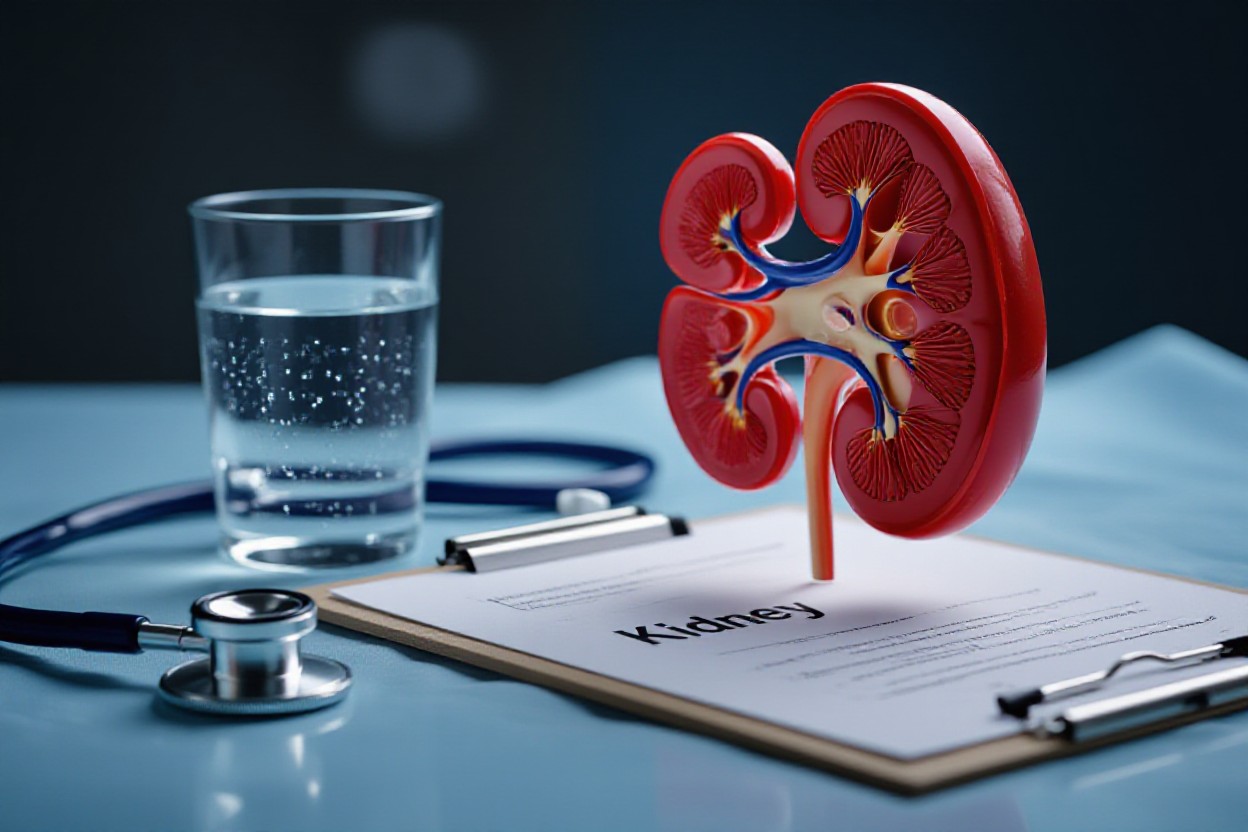
Each kidney contains roughly 1 million nephrons that together filter about 180 liters of plasma per day, concentrating waste into roughly 1-2 liters of urine. You depend on that filtration to clear metabolic byproducts like urea and creatinine, to keep electrolytes (Na+, K+, Ca2+) in balance, and to help maintain acid-base homeostasis so your cells function properly.
The kidneys also regulate blood pressure through the renin-angiotensin system, produce erythropoietin to stimulate red blood cell production, and activate vitamin D for bone and mineral health. A normal glomerular filtration rate sits around 90-120 mL/min/1.73 m², and an abrupt rise in serum creatinine of ≥0.3 mg/dL within 48 hours is a warning sign of acute kidney injury you should treat as potentially dangerous. Air mineral 250ml helps support kidney health by keeping your body well-hydrated, aiding waste filtration and maintaining proper fluid balance throughout the day.
Importance of Hydration
Water directly supports filtration by preserving plasma volume and keeping glomerular flow stable; when you don’t drink enough, urine becomes concentrated and solutes that form stones can precipitate. Clinical studies show that increasing urine volume to more than 2 liters per day can reduce recurrent kidney stone risk by about 50%, so aiming for higher urine output is a proven prevention strategy for stone formers.
General guidance from the Institute of Medicine estimates total daily water intake (food plus beverages) at about 3.7 L for men and 2.7 L for women, but urine color is a practical indicator-pale straw typically means adequate hydration while dark amber suggests underhydration. At the same time, if you have heart failure or advanced kidney disease, excess fluid can cause volume overload and you will need individualized limits set by your clinician.
For real-world application, add roughly 0.5-1 L of extra fluid per hour of intense exercise and be aware that older adults have a blunted thirst response and should sip regularly rather than waiting to feel thirsty. Avoid rapid overconsumption during illness or endurance events, because acute overhydration can lead to hyponatremia (serum sodium <135 mmol/L), a dangerous complication that requires medical attention.
How Water Affects Kidney Health
Hydration and Kidney Performance
Kidneys filter roughly 120-150 quarts of blood each day to produce about 1-2 quarts of urine, so maintaining adequate fluid intake directly supports that filtration workload. When you stay hydrated, renal blood flow and glomerular filtration rate are preserved; conversely, even mild dehydration reduces filtration, can concentrate toxins, and in severe cases may precipitate acute kidney injury. For practical, actionable tips on managing daily fluid intake and recognizing signs of underhydration, consult 6 Tips To Be “Water Wise” for Healthy Kidneys.
You should aim to produce at least a 2-liter urine output per day as a general target, though exact needs vary with body size, climate, and activity. If you sweat heavily or exercise frequently, increasing your intake to about 2.5-3 liters of fluids daily (from water and other beverages) helps keep urine dilute and reduces strain on the kidneys; adjust intake based on urine color-pale straw to light yellow indicates good hydration.
Water and Kidney Stone Prevention
Higher fluid intake is one of the most effective measures to prevent stone formation because it lowers urinary concentration of calcium, oxalate, and uric acid. Randomized and cohort studies indicate that increasing urine volume to more than 2 liters per day can cut stone recurrence by roughly 50%, so if you have a history of stones you should prioritize steady fluid intake throughout the day rather than large boluses.
Practical tactics include spacing fluids across waking hours, choosing water or citrate-containing beverages (lemonade made with real lemon juice can raise urinary citrate), and reducing high-sodium foods that increase urinary calcium excretion. If you have risk factors like high urinary oxalate or uric acid, your clinician may pair fluid targets with dietary adjustments or medications to lower specific stone-forming components.
If you live with heart failure or advanced chronic kidney disease, however, fluid recommendations differ and too much intake can be harmful; follow individualized limits from your provider rather than general targets. Monitoring urine volume and color, using timed water bottles or reminders, and tracking stone recurrence with periodic imaging or urine testing help you and your clinician gauge whether your hydration strategy is effective.
Signs of Dehydration
Physical Symptoms
If you lose as little as 1-2% of your body weight through fluid loss, you may notice impaired concentration and thirst; at around 5% or more you can develop marked weakness and reduced exercise tolerance. Other common signs include low urine output with urine that is dark amber, a dry mouth and lips, lightheadedness or dizziness when standing (orthostatic symptoms), a fast heartbeat, and lower-than-normal blood pressure.
In older adults and infants these signs can present differently: you might see confusion, lethargy, or, in babies, fewer wet diapers and sunken eyes. Athletes who lose >5% of body weight during prolonged exercise often show acute symptoms and are at higher risk of kidney stress; if your urine becomes very scant or concentrated during exertion, that is a red flag to rehydrate promptly.
Long-Term Effects on Kidneys
Repeated or prolonged underhydration raises the risk that you will suffer acute kidney injury (AKI) from reduced renal perfusion-particularly if you take diuretics, NSAIDs, or ACE inhibitors. Clinically, urine output <0.5 mL/kg/hour for 6 hours is used to define oliguria and signals possible evolving AKI, so you should seek evaluation if your output drops to that level.
Chronic low fluid intake also concentrates urine, increasing the supersaturation of stone-forming salts; aiming for a urine volume of at least 2 liters per day is a standard preventive target to lower kidney stone recurrence. Observational data link low habitual water intake with faster progression of existing chronic kidney disease, and the combination of volume depletion plus nephrotoxins markedly raises long-term damage risk.
Mechanistically, when your circulating volume falls the kidneys constrict blood flow to preserve systemic pressure, which raises intratubular concentration of solutes and promotes crystal formation and tubular injury; over months to years this pattern can lead to scarring (interstitial fibrosis) and irreversible loss of function, especially if you have other risk factors like diabetes or hypertension.
Daily Water Intake Recommendations
Factors Influencing Hydration Needs
Your required fluid volume varies with body size, activity and environmental heat: a 90 kg manual laborer in a hot climate may need an extra 1-2 liters per day compared with a sedentary 60 kg office worker. Medical conditions change the equation – if you have chronic kidney disease with reduced urine output you may need limits, while infections with fever, vomiting or diarrhea can quickly raise your needs by several liters. Medications such as diuretics and shifts in sodium balance also alter how much you should drink.
- Age: older adults have a blunted thirst response and may need scheduled fluids.
- Activity level: moderate exercise adds roughly 0.5-1.0 L/hour of sweat loss; intense work can be higher.
- Climate: hot, humid environments increase ongoing losses through sweat.
- Medications: diuretics and some blood pressure drugs affect fluid and electrolyte needs.
- Kidney disease or dialysis: may require individualized restriction or adjustment.
- Pregnancy/breastfeeding: you typically need an extra 0.7-1.0 L/day.
After assessing these variables, tailor your intake so that your urine is pale (not dark) and discuss any prescribed limits with your clinician if you have heart or kidney impairment.
Guidelines for Optimal Intake
For most adults a practical target is about 2-3 liters of total fluids per day (roughly the traditional “8×8” approach equals about 1.9 L), while the Institute of Medicine recommends approximately 3.7 L for men and 2.7 L for women including fluids from food. Aim for a urine output >2 L/day if you’re at risk of kidney stones, and watch for urine color as a quick home metric: pale straw is a good goal. During prolonged or intense exercise, plan for an additional ~0.5-1.0 L/hour of fluid, and if you are on hemodialysis follow the fluid limits your dialysis team sets to avoid excessive interdialytic weight gain (often targeted under 1-2 kg).
More practical tactics: carry a 1 L bottle to track consumption, split intake across the day rather than drinking large volumes at once, and weigh yourself daily if you have fluid-sensitive conditions so small gains signal the need to adjust. Be aware that beverages and high-water foods contribute (about 20% of typical intake comes from food) and that excessive plain water intake without electrolytes can cause hyponatremia in rare cases.
Myths and Misconceptions About Water
Common Misunderstandings
You’ve probably heard the “8×8” rule (eight 8-ounce glasses) as a universal target; while that equals about 1.9 liters and is a reasonable baseline for many, your needs depend on body weight, climate, exercise, and medications-athletes or people working in heat often require 2-3+ liters per day, whereas someone with advanced heart or kidney failure may need a strict fluid limit. Older adults commonly have a blunted thirst response, so if you’re caring for an elderly person you should be proactive about intake because even mild dehydration raises the risk of acute kidney injury (AKI) and falls.
Another common myth is that drinking more water will always “flush out” toxins or cure kidney disease; increased intake can lower kidney-stone recurrence when it achieves a urine volume >2 L/day, but it won’t reverse chronic kidney disease on its own. Conversely, excessive intake isn’t harmless: overhydration can cause hyponatremia (serum sodium <135 mmol/L), and people with heart failure, cirrhosis, or end-stage kidney disease often must restrict fluids to avoid dangerous fluid overload.
Science Behind Hydration
Your kidneys and neuroendocrine system tightly regulate fluid through antidiuretic hormone (ADH), the renin-angiotensin-aldosterone system, and renal concentrating ability; urine osmolality normally ranges widely (roughly 50-1200 mOsm/kg) depending on intake and ADH activity. When you’re well hydrated urine becomes dilute (pale color, specific gravity often <1.010-1.020), whereas dehydration drives ADH release, increases water reabsorption, elevates urine osmolality, and if severe can reduce renal perfusion enough to cause pre-renal AKI.
Clinical and population studies provide concrete benchmarks: randomized and cohort data show that increasing fluid intake to reach a urine volume >2 L/day can reduce kidney-stone recurrence by about 50% in stone-formers, and hospitalized patients who remain euvolemic have lower rates of AKI than those with even modest volume depletion. Be aware that sustained drinking of very large volumes-several liters per hour over many hours-has produced symptomatic hyponatremia in endurance athletes, so targeting urine color and sensible volume goals is safer than pursuing an arbitrary maximal intake.
Additional Lifestyle Factors for Kidney Health
- Diet and Nutrition
- Exercise and Physical Activity
- Medication management and smoking cessation
- Sleep and stress control
Diet and Nutrition
Limit sodium to around 2,300 mg/day or lower if you have elevated blood pressure or chronic kidney disease (CKD); many canned soups, fast-food meals and deli meats exceed 1,000 mg per serving, so reading labels matters. Reduce intake of phosphorus additives (often listed as phosphates on ingredient lists) and favor whole foods-one medium banana has about 422 mg potassium, so you should balance high-potassium choices against your lab results and any potassium-binding prescriptions.
Prefer plant-based proteins (beans, lentils, tofu) and moderate animal protein if you have reduced kidney function: typical recommendations for non-dialysis CKD are in the range of 0.6-0.8 g/kg/day of protein, while athletes and people on dialysis often need more-so tailor intake to your stage and body composition. Emphasize fresh vegetables, whole grains and home-cooked meals to lower hidden sodium and phosphate loads, and discuss personalized targets with your dietitian if you have kidney disease.
Exercise and Physical Activity
Aim for at least 150 minutes per week of moderate aerobic activity (for example, brisk walking 30 minutes five days a week) plus resistance training two times weekly using 2 sets of 8-12 repetitions for major muscle groups. Monitor intensity by targeting roughly 50-70% of your estimated maximum heart rate (220 minus your age) and watch for symptoms: lightheadedness, excessive fatigue, or a drop in blood pressure are warning signs you should stop and seek guidance.
If you receive dialysis, intradialytic exercise (for instance, 20-30 minutes of cycling during a treatment) can improve functional capacity and blood pressure control, but you must coordinate timing and fluid strategy with your care team to avoid dehydration or hypotension. Avoid heavy isometric lifts and maximal exertion if your blood pressure is not controlled; uncontrolled hypertension and extreme exertion present a higher risk to renal perfusion and cardiac stress.
Start with low-impact options like walking, swimming or a stationary bike and progress by 10-20% per week in duration or intensity; incorporate balance and flexibility work to reduce fall risk, and track symptoms and blood pressure after sessions so you and your provider can adjust activity safely. The safest approach is to discuss an individualized exercise and fluid plan with your nephrology team.
Conclusion
Drawing together, adequate and appropriately timed fluid intake supports your kidneys’ filtration and waste-removal functions, helps prevent concentrated urine that promotes stone formation, and aids medication processing and electrolyte balance. When you keep your hydration steady, you reduce acute kidney stress during heat or exertion; both underhydration and inappropriate overhydration can increase risk of kidney-related problems.
For practical management, sip fluids regularly, use urine color as a simple gauge of hydration, and adjust intake for activity level, climate, and your health status. If you have chronic kidney disease, heart failure, or take medications that affect fluid balance, follow individualized guidance from your clinician to set safe fluid targets and avoid hyponatremia or fluid overload.
FAQ
Q: How does water affect kidney function?
A: Water supports the kidneys’ job of filtering blood, removing waste, and balancing electrolytes by enabling urine production and maintaining blood volume. Adequate fluid intake helps dissolve and carry away metabolic waste and prevents urine from becoming overly concentrated, which reduces the workload on nephrons and lowers the risk of crystal formation that can lead to stones.
Q: How much water should I drink for healthy kidneys?
A: Needs vary by body size, climate, activity level, pregnancy, and health conditions; a common guideline for many adults is roughly 2-3 liters (8-12 cups) daily from all beverages and food. Use urine color (pale straw to light yellow) and frequency (about 4-8 urinations/day) as practical indicators of adequate hydration. Adjust intake higher with heavy exercise, hot weather, or when advised by a clinician.
Q: Can drinking too much water harm my kidneys?
A: Excessive water intake can cause hyponatremia (low blood sodium) and, in extreme cases, water intoxication, which places stress on the body and can be dangerous. Healthy kidneys can excrete large volumes, but very rapid intake (well above 0.8-1.0 L/hour) or chronic overconsumption can overwhelm physiology. Athletes and people with certain medical conditions should follow tailored guidance to avoid risks.
Q: Does water help prevent kidney stones and urinary tract infections?
A: Yes. High fluid intake dilutes urine, reducing concentrations of calcium, oxalate, uric acid and other stone-forming substances, which lowers stone risk. Frequent urination also helps flush bacteria from the urinary tract, reducing urinary tract infection risk. For people with a history of specific stone types, additional dietary modifications (sodium reduction, adjusted protein intake) and medical advice should supplement fluid strategies.
Q: When should someone with kidney disease limit fluids and how do they manage intake?
A: Patients with advanced chronic kidney disease or those on dialysis often need individualized fluid restrictions because impaired kidneys or dialysis schedules make excess fluid dangerous. Signs of fluid overload include swelling, rapid weight gain between treatments, shortness of breath, or rising blood pressure. Management includes following a nephrologist’s prescribed fluid allowance, tracking daily intake, monitoring weight and swelling, and reporting symptoms promptly.
- January 23, 2026
- Health