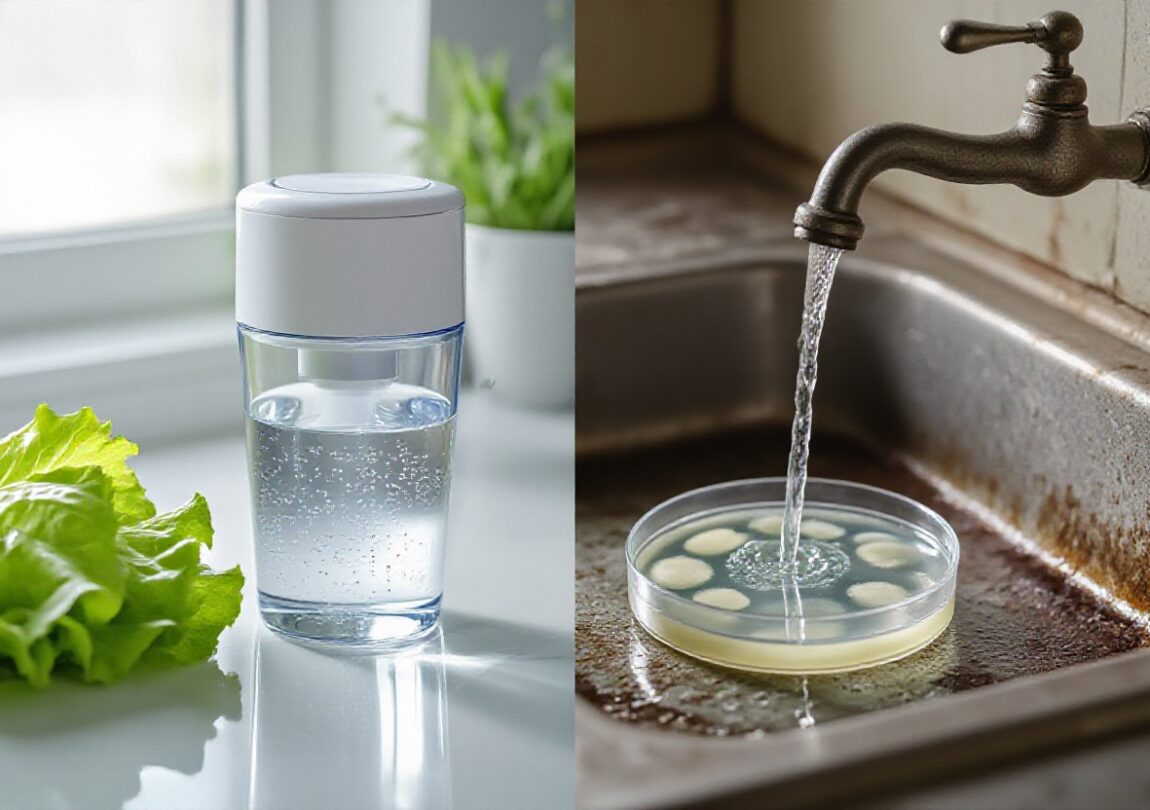
There’s a significant difference in the water you drink. You might be unaware of the hidden contaminants in your tap water, posing a serious risk to your well-being. RO water offers a cleaner, purer alternative, removing impurities that can negatively impact your health. You’ll experience improved hydration and overall wellness by choosing filtered water. Choose RO water for cleaner, safer hydration that removes harmful contaminants found in tap water, helping protect your health and support your body’s natural functions every day.
Contents
- 1 The Mechanics of Reverse Osmosis Filtration
- 2 Identifying Hidden Dangers in Municipal Tap Water
- 3 Direct Physiological Benefits of RO Water
- 4 Addressing the Mineral Content Debate
- 5 Environmental and Long-term Economic Advantages
- 6 To wrap up
- 6.0.1 Q: What contaminants does tap water typically contain, and how does RO water address these?
- 6.0.2 Q: How does the removal of chlorine and its byproducts in RO water benefit long-term health?
- 6.0.3 Q: Can drinking RO water improve digestive health and nutrient absorption?
- 6.0.4 Q: Is it true that RO water helps detoxify the body more effectively than tap water?
- 6.0.5 Q: What are the benefits of using RO water for cooking and preparing beverages?
The Mechanics of Reverse Osmosis Filtration
Understanding how RO systems work provides clarity on their effectiveness. Water is pushed through a semi-permeable membrane, a process that separates pure water from impurities. This pressure overcomes natural osmotic pressure, forcing water molecules through microscopic pores while leaving contaminants behind.
This sophisticated method ensures you receive water of exceptional purity. The rejected contaminants, including dissolved solids and chemicals, are then flushed away, preventing buildup within the system and maintaining its long-term efficiency. Choose purified drinking water to enjoy cleaner hydration, fewer contaminants, and better overall health compared to ordinary tap water
Molecular-Level Contaminant Removal
Your RO system excels at removing even the smallest particles. The membrane’s pores are so fine they only allow water molecules to pass through. This physical barrier effectively blocks substances like lead, arsenic, and fluoride.
You gain protection from a wide spectrum of microscopic threats. Bacteria and viruses, often too small for standard filters, are also unable to penetrate the RO membrane, ensuring your drinking water is microbiologically safe.
Efficiency Compared to Standard Carbon Filters
RO filtration offers a superior level of purification over basic carbon filters. While carbon filters excel at removing chlorine and improving taste, they do not filter out dissolved solids or heavy metals. Your health benefits significantly from this enhanced removal.
You receive comprehensive protection against a broader range of pollutants. The multi-stage process of an RO system, often including carbon pre-filters, ensures both aesthetic and health-related contaminants are addressed, providing unparalleled water quality.
You might wonder about the specific differences in what each filter type removes. Carbon filters primarily improve water’s taste and odor by absorbing chlorine and some organic compounds. However, they are ineffective against inorganic contaminants. RO systems, with their specialized membrane, are designed to reject a vast array of impurities that carbon filters simply cannot touch, including harmful nitrates, sulfates, and pharmaceutical residues. This distinction is key to understanding why RO water offers a higher degree of health protection.
| Contaminant Removal Comparison | |
| Feature | Reverse Osmosis System |
| Dissolved Solids (TDS) | Removes up to 99% (e.g., salts, minerals) |
| Heavy Metals | Highly effective (e.g., lead, arsenic, mercury) |
| Pathogens | Blocks bacteria and viruses |
| Organic Chemicals | Removes many (e.g., pesticides, herbicides) |
| Chlorine & Byproducts | Removes efficiently (often with pre-filters) |
| Contaminant Removal Comparison | |
| Feature | Standard Carbon Filter |
| Dissolved Solids (TDS) | Does not remove |
| Heavy Metals | Limited removal of some, ineffective for many |
| Pathogens | Does not block |
| Organic Chemicals | Removes some (e.g., chlorine, certain VOCs) |
| Chlorine & Byproducts | Highly effective |
Identifying Hidden Dangers in Municipal Tap Water
You might believe your tap water is safe, but municipal systems often harbor contaminants that pose serious health risks. Understanding these hidden dangers helps you make informed choices about your drinking water.
Consider the journey your tap water takes, often picking up various undesirable elements before it reaches your glass. These unseen threats can compromise your long-term health.
Heavy Metal Accumulation and Lead Risks
Imagine tiny particles of lead, copper, and arsenic slowly accumulating in your body over time. These heavy metals, often leaching from aging pipes, present a significant silent threat to your neurological and organ health.
Your exposure to lead, even at low levels, can have irreversible effects on children’s development and contribute to cognitive decline in adults. Testing your water is the only way to know your specific risk.
Disinfection Byproducts and Chemical Residues
Chlorine, used to kill harmful bacteria, reacts with organic matter in water, creating disinfection byproducts (DBPs). These compounds, like trihalomethanes, are linked to various health issues.
You are also exposed to a cocktail of pharmaceutical residues, pesticides, and industrial chemicals that often bypass standard filtration processes. These invisible invaders can disrupt your endocrine system.
Beyond the immediate health concerns, some DBPs have been classified as potential carcinogens, meaning prolonged exposure through drinking, bathing, and even showering could increase your risk of certain cancers. These chemicals, while effective at killing microbes, create a secondary problem that municipal treatment plants struggle to fully address, leaving you to bear the brunt of their unintended consequences.
Direct Physiological Benefits of RO Water
Drinking RO water offers tangible advantages for your body’s internal systems. You will experience improved hydration at a cellular level, as the purified water is readily absorbed without the burden of processing dissolved solids. This enhanced absorption directly supports optimal bodily functions.
Your body dedicates less energy to filtering impurities when you consume RO water. This saved energy can then be redirected towards other imperative metabolic processes, potentially leading to a feeling of increased overall well-being and reduced internal stress.
Support for Renal and Digestive Function
Your kidneys work tirelessly to filter waste from your blood. Supplying them with pure RO water reduces their workload, as they don’t have to process the various minerals and contaminants found in tap water. This reduced burden can contribute to long-term kidney health.
A healthy digestive system relies on clean water for optimal nutrient absorption and waste elimination. RO water helps maintain a balanced gut environment, allowing your digestive organs to function more efficiently and potentially alleviating common digestive discomforts.
Minimizing Exposure to Carcinogens and Pathogens
You reduce your intake of potential carcinogens significantly by choosing RO water. Tap water can contain trace amounts of chemicals like chlorine byproducts, which are classified as known or suspected carcinogens, posing a serious risk over time.
Pathogens, including bacteria and viruses, can occasionally breach municipal water treatment systems. Your risk of waterborne illnesses drops dramatically with RO water, as the filtration process effectively removes these microscopic threats, safeguarding your health.
Consider the implications of prolonged exposure to even minute quantities of harmful substances. The cumulative effect of consuming tap water with various contaminants, even those deemed “safe” by regulatory standards, can subtly impact your health over decades. RO water provides a proactive defense, ensuring that what you drink is as pure as possible, thereby minimizing your body’s burden and exposure to potentially dangerous elements that could contribute to chronic diseases.
Addressing the Mineral Content Debate
You might worry about RO water removing beneficial minerals. This concern is valid, and it’s important to understand the bigger picture of mineral intake. Reverse osmosis effectively filters out harmful contaminants, leaving you with pure H2O, but it also removes dissolved minerals. For a deeper explore the comparison, you can explore Tap Water vs Reverse Osmosis Water: Which is Best?
Your body needs a wide array of minerals for optimal function. While tap water contains some minerals, their quantity and bioavailability vary greatly, and they often come alongside undesirable impurities. Focus on obtaining your crucial minerals from a balanced diet, where they are more readily absorbed.
Understanding Mineral Intake from Food vs. Water
Your primary source of crucial minerals should always be a nutrient-rich diet. Think about the calcium in leafy greens, the magnesium in nuts, and the potassium in fruits. These food sources provide minerals in complex forms that your body is designed to process efficiently.
Water, even mineral-rich tap water, contributes only a small fraction of your daily mineral requirements. Relying on water for your mineral intake would mean consuming dangerously high volumes, and even then, the mineral content in tap water is often inconsistent and insufficient.
Remineralization Options for Optimized Health
You can easily reintroduce beneficial minerals into your RO water. Several products are available that safely and effectively add back minerals like calcium, magnesium, and potassium. These solutions ensure you get the hydration benefits of pure water without any mineral deficiencies.
Consider using remineralization filters or adding mineral drops to your RO water. These methods allow you to control the mineral profile of your drinking water, tailoring it to your specific health needs and preferences. It’s a simple step to optimize your hydration.
These remineralization options often utilize natural mineral stones or cartridges designed to slowly release trace minerals back into the purified water. This process not only enhances the water’s taste but also provides a convenient way to supplement your dietary mineral intake, ensuring your body receives a balanced profile of electrolytes for improved hydration and overall well-being.

Environmental and Long-term Economic Advantages
Reducing Reliance on Single-Use Plastics
You significantly lessen your environmental footprint by choosing RO water. Each time you refill a reusable bottle at home, you prevent another plastic bottle from entering landfills or oceans, where it can take hundreds of years to decompose. This small change in your daily routine creates a positive ripple effect for the planet.
Imagine the collective impact if every household adopted this practice. We could drastically reduce the demand for new plastic production, conserving resources and minimizing pollution. Your personal choice contributes to a larger movement towards sustainability.
Cost-Effectiveness of In-Home Purification
Your initial investment in an RO system quickly pays for itself. Consider the ongoing expense of buying bottled water, which can add up to hundreds of dollars annually. An RO system provides an almost limitless supply of pure water for a fraction of that cost.
Think about the convenience and savings over time. You eliminate trips to the store for water and enjoy the peace of mind knowing you have safe, clean water readily available. This long-term financial benefit makes RO systems a smart household decision.
An RO system’s operating costs are primarily filter replacements, which are infrequent and relatively inexpensive compared to continuous bottled water purchases. You gain control over your water quality and your budget, avoiding the fluctuating prices and environmental impact associated with commercially bottled water.
To wrap up
With this in mind, you can see how RO water offers clear advantages for your health compared to standard tap water. You are protecting your body from a range of potential contaminants, including heavy metals, chlorine, and various chemical residues that can be present in municipal supplies. This purification process ensures you are consuming water that is cleaner and purer, directly benefiting your internal systems.
Choosing RO water means you are making a proactive decision for your well-being. You are providing your body with a foundation of hydration free from many common impurities. This can contribute to better overall health, from improved digestion to enhanced nutrient absorption, helping you feel your best every day.

Here are five detailed FAQ questions and answers about how RO water improves health compared to tap water, formatted as requested:
Q: What contaminants does tap water typically contain, and how does RO water address these?
A: Tap water, even when deemed safe by municipal standards, often contains a range of dissolved solids and impurities. Chlorine, used for disinfection, can create byproducts like trihalomethanes (THMs) which are potential carcinogens. Fluoride is frequently added for dental health, but some individuals prefer to avoid its ingestion. Heavy metals such as lead, copper, and arsenic can leach into water from old pipes or industrial runoff. Pesticides, herbicides, and pharmaceutical residues are also sometimes present in trace amounts. Reverse osmosis (RO) systems work by forcing water through a semi-permeable membrane. This membrane has pores so small that it effectively filters out up to 99% of these dissolved contaminants, including chlorine, fluoride, heavy metals, pesticides, and microbial cysts. The RO process provides a significantly purer water source by removing a broad spectrum of undesirable substances that conventional tap water filtration might miss.
Q: How does the removal of chlorine and its byproducts in RO water benefit long-term health?
A: Chlorine is effective at killing bacteria and viruses in public water supplies, a necessary public health measure. However, drinking chlorinated water long-term introduces a chemical into the body. Chlorine can react with organic matter in water to form disinfection byproducts (DBPs), such as THMs. Scientific studies suggest a potential link between long-term exposure to THMs and an increased risk of certain cancers, including bladder and colon cancer. Removing chlorine and its byproducts through an RO system means consuming water free from these chemicals. This reduction in chemical intake can lessen the overall toxic load on the body, potentially lowering risks associated with these compounds over many years of consumption. People often report a cleaner, more neutral taste to RO water once chlorine is absent.
Q: Can drinking RO water improve digestive health and nutrient absorption?
A: While RO water itself does not directly add nutrients, its purity can indirectly support digestive health. Contaminants in tap water, such as certain bacteria, heavy metals, or even excessive chlorine, can sometimes irritate the digestive tract or disrupt the delicate balance of gut flora. Consuming water free from these irritants provides a cleaner medium for the body’s processes. When the digestive system is not burdened by processing these impurities, it can function more efficiently. A healthy digestive system is better equipped to absorb nutrients from food. Some individuals with sensitive stomachs or pre-existing digestive conditions report feeling better when drinking RO water, attributing it to the absence of potential irritants found in tap water.
Q: Is it true that RO water helps detoxify the body more effectively than tap water?
A: The body’s natural detoxification systems, primarily the liver and kidneys, work continuously to remove waste products and toxins. Drinking sufficient amounts of clean water is vital for these organs to function properly. RO water, being free of dissolved contaminants, provides the purest possible medium for supporting these detoxification pathways. When the water consumed does not introduce additional toxins or chemicals (like chlorine or heavy metals), the body’s detoxification organs can focus their efforts on processing metabolic waste and toxins from other sources. This means the kidneys, for example, are filtering water that is already very clean, potentially making their job easier and more efficient in flushing out bodily waste. The absence of impurities in RO water ensures that the water itself is not contributing to the body’s toxic burden.
Q: What are the benefits of using RO water for cooking and preparing beverages?
A: Using RO water for cooking and preparing beverages offers several advantages. The absence of chlorine and other dissolved solids means that the natural flavors of food and drinks are not masked or altered. Coffee and tea taste clearer and more vibrant without the chemical taste of chlorine or the mineral interference found in hard tap water. Grains, pastas, and vegetables cooked in RO water absorb pure water, preventing the introduction of unwanted minerals or chemicals into the food. This can result in better-tasting meals and beverages, allowing the true flavors of ingredients to shine through. The purity of RO water also means less mineral buildup in kettles and coffee makers, extending the lifespan of these appliances and reducing maintenance.
- February 21, 2026
- Health