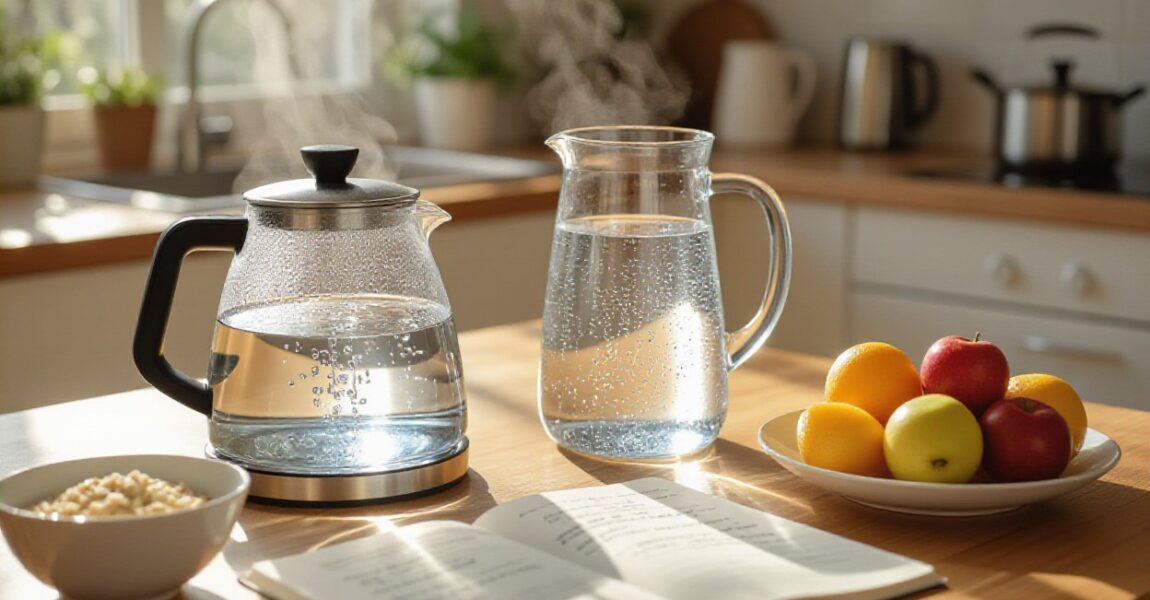
Health: When you start your day with warm water, it can relax digestive muscles, speed gastric emptying, and ease bowel movements, while cold water often feels refreshing but may tighten the stomach and slow digestion, sometimes causing discomfort; choose lukewarm to avoid scalding and maximize gentle stimulation-if you prefer cold, sip slowly to reduce cramping risk and support hydration without stressing your system. Start your day right—our bottled water delivery gives you fresh, pure water at the perfect temperature, whether you prefer warm or cold, to support smoother, healthier morning digestion
Contents
- 1 The Science of Digestion
- 2 Benefits of Hot Water for Digestion
- 3 Benefits of Cold Water for Digestion
- 4 Personal Preferences and Lifestyle Factors
- 5 Common Myths and Misconceptions
- 6 Recommendations for Optimal Digestion
- 7 Summing up
- 8 FAQ
- 8.0.1 Q: How do hot water and cold water each affect digestion in the morning?
- 8.0.2 Q: Which temperature is better for relieving morning constipation or stimulating a bowel movement?
- 8.0.3 Q: Does water temperature influence nutrient absorption or metabolic rate?
- 8.0.4 Q: Are there medical conditions where one temperature is preferable or should be avoided?
- 8.0.5 Q: Practical guidance: what temperature and routine work best for a digestion-friendly morning?
Key Takeaways:
- Hot or warm water in the morning can relax GI muscles and gently stimulate bowel movements, helping regularity.
- Warm water may improve blood flow to the digestive tract and ease digestion for people with sluggish bowels.
- Cold water can cause temporary vasoconstriction and may slow digestion or feel uncomfortable after a heavy meal for some individuals.
- Cold water boosts alertness and hydrates without calories, making it useful for cooling down or post-exercise.
- Individual tolerance and conditions (acid reflux, IBS) determine which works best; prioritize plain water at a comfortable temperature and consistent morning hydration.
The Science of Digestion
Your digestive system depends on coordinated mechanical and biochemical processes that are highly temperature-sensitive. Peristalsis and sphincter tone change with neural and smooth-muscle responses: for example, the migrating motor complex cycles roughly every 90-120 minutes during fasting, and ingesting water in the morning often triggers a gastrocolic reflex within 10-30 minutes, increasing colonic activity. Enzymes operate near body temperature (about 37°C / 98.6°F), so even modest deviations can alter reaction rates and motility in measurable ways.
At the tissue level, warm liquids tend to relax smooth muscle and increase blood flow to the gut, which can enhance gastric emptying and bowel movements, while cold liquids may transiently increase sympathetic tone and slightly slow motility. You should also be aware that extremes matter: very hot liquids (>50-60°C) risk mucosal injury and can denature digestive proteins, undermining any potential benefit. Start your morning right with our 5-gallon drinking water delivery—pure, fresh water at your doorstep, ready to be enjoyed hot or cold to support smoother digestion and a healthier daily routine
How Temperature Affects Digestive Enzymes
Temperature effects on key digestive enzymes
| Temperature range | Effect on enzymes / digestion |
|---|---|
| <20°C (cold) | Reaction rates drop; enzyme activity can be ~25-50% of optimal (Q10≈2 – activity roughly halves per 10°C fall). |
| 20-35°C (cool to near-body) | Suboptimal but functional; slower kinetics for pepsin, amylase, lipase versus 37°C. |
| ~37°C (body temp) | Peak enzyme efficiency for pepsin in stomach and pancreatic enzymes in small intestine; ideal for nutrient breakdown. |
| 40-45°C (warm) | May modestly increase reaction speed but can stress proteins; generally safe if brief. |
| >50°C (high) | Denaturation risk: enzymes lose structure and function; mucosal burn risk if ingested. |
Enzyme kinetics follow predictable thermodynamic rules: you’ll get faster catalytic turnover as temperature approaches physiological norm, but gains plateau and then reverse when protein structure fails. In practical terms, keeping your morning drink in the warm-to-body temperature window preserves enzyme activity and motility without risking denaturation.
Cold fluids reduce molecular motion, so you’ll see measurable drops in reaction velocity-often around a 50% reduction per 10°C decrease-which explains why very cold drinks can feel to you like they slow digestion even though they don’t stop it entirely.
The Role of Water in Digestion
Water acts as the solvent and transport medium: it dissolves nutrients, forms the aqueous phase for enzymes to work in, and softens stool by hydrating fiber. Consuming about 250-500 mL (1-2 cups) of water in the morning commonly increases gastric and colonic activity within 10-30 minutes, helping to move contents through the gut and reducing transit time for many people.
Beyond bulk and lubrication, water supports mucosal health and enzyme access: when you’re well hydrated, mucus layers and intestinal secretions maintain their protective and digestive roles, improving absorption efficiency. On the other hand, drinking extremely hot water poses a burn risk to the esophagus and stomach lining, while very large boluses of any temperature consumed too rapidly can cause transient discomfort or bloating.
Clinically, combining adequate water with dietary fiber is one of the most reliable ways to prevent constipation: fiber swells only when there’s sufficient water, so you’ll achieve softer stools and more regular bowel movements if you pair 20-30 g/day of fiber with steady hydration throughout the day.
Benefits of Hot Water for Digestion
Stimulating Digestion and Metabolism
When you drink warm water in the morning, the heat helps relax the smooth muscle lining of your gastrointestinal tract and increases local blood flow, which can speed up gastric motility. Consuming about 250-300 ml (8-10 oz) of warm water often triggers the gastrocolic reflex within 10-30 minutes for many people, making it easier for food to move from the stomach into the intestines and promoting a morning bowel movement.
Beyond motility, warmth can enhance enzymatic activity in the stomach and small intestine, supporting more efficient breakdown and absorption of nutrients after breakfast. You’ll notice that combining warm water with a balanced meal (for example, 20-30 g of fiber and lean protein) can produce steadier digestion and less mid-morning sluggishness compared with skipping the warm fluid.
Relieving Constipation and Bloating
Warm water helps soften stool and relax abdominal muscles, which reduces transit time through the colon and eases the urge to pass stool. If you’re prone to constipation or post-meal bloating, starting your day with a warm drink-plain water or herbal tea-can decrease abdominal discomfort and improve stool frequency; many people report symptom relief within the first week of making this a routine.
For a practical approach, drink warm water on waking and follow with a fiber-rich breakfast; adding 250-300 ml of warm water to a morning routine plus 20-30 g of soluble and insoluble fiber tends to produce the best results. Avoid scalding temperatures-choose a comfortably warm temperature-and seek medical attention if you experience severe abdominal pain, blood in your stool, or persistent constipation despite hydration and diet changes.
Benefits of Cold Water for Digestion
Hydration and Nutrient Absorption
Drinking cold water supports digestion primarily by keeping you hydrated, which directly affects how efficiently nutrients move from your gut into the bloodstream. Water dissolves soluble nutrients and maintains blood volume for transport; when you sip during and after meals you help maintain intestinal motility and microcirculation that support absorption. In practical terms, adding 300-500 ml of fluid with a meal stabilizes gastric contents and can make enzymatic breakdown and nutrient uptake more efficient without significantly altering nutrient bioavailability.
Because cold water is often more palatable, you may naturally drink larger volumes, which is a practical advantage: higher fluid intake helps prevent slow transit and constipation and supports perfusion of the intestinal mucosa. If you have sensitivity to cold in the esophagus or certain functional GI disorders, cold beverages can sometimes trigger spasms or discomfort, so gauge your response and adjust temperature or volume accordingly.
Cooling the Body After Exercise
Cold water is one of the fastest, simplest ways to reduce thermal strain after exertion; ingesting fluids in the ~10-15°C range improves thermal comfort and helps lower core and skin temperature faster than room-temperature drinks. Since sweat rates commonly fall between 0.5 and 1.5 L per hour for recreational athletes, replacing fluid losses with cool water not only restores plasma volume for nutrient transport and digestion but also shortens the time your digestive system operates under heat stress.
That cooling effect can translate into better post-workout digestion and recovery: when your core temperature drops, splanchnic blood flow returns toward baseline, which supports nutrient delivery to recovering tissues. A practical caveat: very cold or large-volume drinks consumed too quickly can provoke transient stomach cramping in some people, so moderate sips are usually preferable to gulping ice-cold water immediately after intense exercise.
For practical application, target fluids around 10-15°C and aim to sip 150-250 ml every 10-20 minutes during early recovery; if you know your sweat loss (for example, ~1 L/hour), plan to replace that over the next 1-2 hours rather than all at once. This approach balances effective cooling, steady rehydration, and gentle restoration of digestive blood flow so you can resume eating and nutrient uptake more comfortably.
Personal Preferences and Lifestyle Factors
Your choice between hot water and cold water often comes down to how your body responds and what you do first thing: if you have reflux or sensitive esophagus you may prefer tepid or cool liquids; if you chase a morning bowel movement you may favor warm water to relax GI muscles. Practical constraints matter too – access to filtered water, time for preparation, and whether you plan to exercise will steer you toward one temperature over another.
- Morning routine: quick sip vs. deliberate 300-500 ml ritual
- Digestion issues: reflux, IBS, or constipation influence temperature choice
- Activity: endurance athletes often use cold water (≈5-15°C) to lower core temperature
- Safety: avoid beverages hotter than 65°C due to increased esophageal risk
Recognizing how your symptoms, environment, and daily plans interact will make one option clearly better for your morning than the other.
Morning Routines Influenced by Water Temperature
If you wake and head straight to a workout, sipping 200-500 ml of cold water (around 5-15°C) can reduce thermal strain and improve perceived exertion; studies in athletes show core-temperature reduction and faster cooling when cold fluids are consumed during warm-weather exercise. Conversely, when you want to stimulate bowel movements, drinking 250-350 ml of warm water (about 40-50°C) within 10-20 minutes of waking often helps promote peristalsis and ease stool passage.
Morning routine vs. recommended water temperature
| Quick hydration before leaving home | 150-250 ml, room temperature (20-25°C) to avoid stomach shock |
| Pre-workout cooling | 200-500 ml, cold (5-15°C) to lower core temp and improve comfort |
| Promote bowel movement | 250-350 ml, warm (40-50°C) to relax GI muscles and stimulate peristalsis |
| Sip while getting ready | Small, frequent sips of room temperature or warm water to support steady hydration |
You should pair water volume and temperature with the timing of other morning actions – for example, delaying a heavy breakfast 15-30 minutes after warm-water stimulation can improve comfort, while cold-water rehydration immediately before a run supports performance.
Cultural Practices Surrounding Water Consumption
Across regions, cultural norms shape whether you reach for hot water or iced drinks: traditional Ayurvedic practice recommends warm water or herbal infusions in the morning to aid digestion, many East Asian breakfasts include hot tea at 60-70°C, and in hotter climates people commonly prefer cold water or iced beverages to cool down quickly. Social rituals also matter – in some cultures a morning cup of hot tea is part of communal hospitality, which influences habitual temperature choice more than physiology does.
Availability and climate drive behavior too: in tropical cities iced water and sugarcane juices dominate street mornings, whereas colder regions favor heated beverages that provide thermal comfort; when you travel, you’ll notice that local practices often align with practical goals like hydration safety, heat management, or digestive comfort. Also note that public-health guidance flags very hot beverages above 65°C as potentially harmful over time, so cultural customs sometimes clash with safety recommendations.
When you adopt or adapt cultural practices, consider local water quality and your own digestion needs – for instance, sipping 200-300 ml of warm water with lemon in the morning is a common habit in Mediterranean and South Asian households and can be helpful for some people’s digestive rhythm, but if you have reflux you may prefer cooler, less acidic options instead.
Common Myths and Misconceptions
Hot and Cold Water Myths Debunked
Many people tell you that drinking cold water after a meal will “solidify” fats and make digestion worse; however, clinical evidence does not support that claim. Small randomized and observational studies show that temperature can mildly affect gastric emptying rates, but the differences are typically not large enough to impair nutrient absorption or cause weight gain. If you want a concise review of warm-water benefits and the physiology behind them, see What Are the Benefits of Drinking Hot Water?
Another persistent belief is that hot water “detoxes” your body overnight. Your liver and kidneys handle metabolic waste, while water simply supports their function. You should know that very hot beverages carry risks: the IARC classified drinking beverages above 65°C as “probably carcinogenic to humans” (Group 2A) based on epidemiological data linking very hot drink consumption to higher esophageal cancer rates. At the same time, practical uses of cold water-like using cold water immersion post-exercise to reduce inflammation-are evidence-based and context-specific, not universal digestion rules.
Myth vs Reality
| Myth | Reality |
|---|---|
| Cold water solidifies fats and prevents digestion | Temperature may slightly alter gastric emptying, but it does not solidify dietary fat in a way that impairs digestion or causes weight gain. |
| Hot water “flushes toxins” overnight | Water aids kidney and liver function, but there is no mechanism by which hot water actively removes toxins; hydration is the key factor. |
| Any warm water is always better for constipation | Warm liquids often stimulate the gastrocolic reflex and can help some people, but individual response varies and lifestyle, fiber, and medications matter more. |
| Very hot drinks are harmless if you sip slowly | Repeated consumption of beverages above 65°C is associated with increased esophageal cancer risk; moderate temperatures are safer. |
The Truth About Timing and Temperature
When you time your water intake matters more than insisting on one fixed temperature. For example, having warm water within 15-30 minutes of waking often helps trigger the gastrocolic reflex, which can promote bowel movements for people with functional constipation-clinical reports and small trials back this practical strategy. Conversely, drinking cold water during or immediately after a heavy meal may slightly slow gastric emptying, but studies show the effect is small and usually not clinically meaningful for healthy adults.
If you exercise intensely, you should favor cold water to aid thermoregulation: a 500 mL intake of cool water after high-intensity activity lowers core temperature faster than room-temperature water and can improve perceived exertion and recovery. When digestion is your priority-such as in the morning-warm water or room temperature tends to be gentler on your gut and can help you avoid discomfort if you have reflux or esophageal sensitivity; avoid drinks above 65°C because of documented safety concerns.
Timing nuances: you can experiment with 15-30 minute windows after waking or before breakfast to see how your bowel habits respond, and consider cold fluids for rapid cooling post-workout while keeping meal-time beverages moderate in temperature to minimize transient digestive slowing.
Timing and Temperature: Practical Effects
| When You Drink | Typical Effect |
|---|---|
| Warm water in the morning (within 15-30 min) | Often stimulates gastrocolic reflex and can aid regular bowel movements for many people. |
| Cold water during/after heavy meal | May slightly slow gastric emptying; rarely significant for healthy individuals but can cause discomfort if you have motility disorders. |
| Cold water post-exercise | Improves thermoregulation and perceived recovery; recommended volume ~250-500 mL depending on sweat loss. |
| Very hot beverages (above 65°C) | Increases risk factors for esophageal injury and is linked epidemiologically to higher cancer risk; choose lower temperatures. |
Recommendations for Optimal Digestion
Start your morning hydration by aiming for 250-500 ml (8-17 oz) of water within the first 20-30 minutes after waking; this volume supports gastric motility and restores lost overnight fluid balance. Prefer temperatures that match your goals: around 50-55°C (122-131°F) can relax GI smooth muscle and encourage bowel movements, while 8-15°C (46-59°F) preserves alert hydration and may slightly slow gastric emptying but can improve post-meal thermogenesis. Adjust amount and timing based on how your body responds-if you notice bloating, reduce volume or sip slowly over 10-15 minutes.
Balance is important: combine water with a small electrolyte-containing bite (e.g., ¼ tsp salt in 500 ml or a potassium-rich piece of fruit) if you exercise intensely before breakfast or feel lightheaded on waking. If you have a history of esophageal sensitivity, recent oral surgery, or are pregnant, choose milder temperatures (near body temp, ~37°C/98°F) to avoid irritation; excessively hot liquids (>60°C/140°F) can cause burns and should be avoided.
Best Practices for Morning Hydration
Sip rather than gulp: consuming 50-150 ml every 3-5 minutes over 10-20 minutes helps prevent gastric distension and reduces reflux risk. Combine hydration with a brief movement routine-5 minutes of gentle walking or stretching increases splanchnic blood flow and can amplify warm-water effects on bowel transit, as shown in small clinical observations where mild activity plus warm fluids shortened time to first bowel movement by several hours in constipated adults.
Keep a reusable bottle at bedside to track intake and target at least 500-600 ml in the first two hours if you have low morning blood pressure or caffeine tolerance issues. Avoid adding large amounts of ice immediately after a heavy meal if you rely on rapid digestion; very cold fluids (<5°C/41°F) can tighten gastric muscles in some people and exacerbate cramping or indigestion.
Tailoring Water Temperature to Individual Needs
Match temperature to your conditions: if you struggle with constipation, start with warm water (45-55°C/113-131°F) and note effects over a week; many people report improved stool frequency within 2-4 days. Conversely, if you experience acid reflux or esophageal sensitivity, cooler or near-body-temperature water (15-37°C/59-99°F) typically reduces symptomatic belching and heartburn episodes.
Consider age and comorbidities: older adults often have reduced thirst sensation and benefit from scheduled, moderate-temperature sips (about 37°C/98°F) to prevent aspiration and thermal injury. If you take medications that require fasting absorption, time your water intake 15-30 minutes before or with instructions from your clinician to avoid altering drug kinetics.
Assess your response over 7-14 days and track outcomes-bowel frequency, bloating scale (0-10), and reflux episodes per week-to fine-tune temperature and volume. If you notice increased pain, persistent nausea, or thermal discomfort, switch to milder temperatures and consult a healthcare provider; ongoing sharp pain or difficulty swallowing warrants prompt evaluation.
Tailoring Temperature: Quick Reference
| Situation/Condition | Recommended Temperature & Practice |
| Constipation | Warm 45-55°C (113-131°F); 250-500 ml on waking; combine with gentle movement |
| Acid reflux/GERD | Near-body temp 15-37°C (59-99°F); small sips to minimize belching and LES irritation |
| Elevated morning BP or postural hypotension | Room temp to warm 20-40°C (68-104°F); 300-600 ml within 30 min of waking; monitor BP response |
| Older adults or dysphagia risk | ~37°C (98°F); small, frequent sips; supervise if needed to prevent aspiration |
| After intense exercise | Cool 10-20°C (50-68°F) with electrolytes (e.g., 200-300 mg sodium per liter) to aid rehydration |
Summing up
Hence you’ll find that warm or hot water tends to prime your digestive system in the morning by relaxing your gut, promoting peristalsis, and easing bowel movements, making it a solid choice if your goal is gentle digestive activation; cold water can be refreshing and useful after exercise but may transiently slow gastric emptying or feel uncomfortable if you have a sensitive stomach. You should weigh how you feel, your activity level, and any GI issues when choosing temperature.
If your priority is simple hydration, the temperature matters far less than the fact that you drink enough fluid, so opt for what helps you drink regularly; if you seek targeted digestive support, prefer warm water first thing and avoid extremes of temperature if you have reflux or chronic GI conditions, and consult your healthcare provider for personalized guidance.
FAQ
Q: How do hot water and cold water each affect digestion in the morning?
A: Hot water tends to relax smooth muscle in the gut, can increase blood flow and promote gastric motility and bowel movement in the short term; many people find it eases morning bloating and helps the gastrocolic reflex. Cold water can cause mild vasoconstriction and temporarily slow gastric emptying for some individuals, and may feel less soothing to the stomach. For most healthy adults the differences are modest-personal tolerance and habit often matter more than temperature alone.
Q: Which temperature is better for relieving morning constipation or stimulating a bowel movement?
A: Warm or hot water is generally more likely to stimulate a bowel movement because it can encourage peristalsis and relax abdominal muscles; drinking 1-2 glasses of warm water on waking often helps people with occasional constipation. Cold water is less likely to trigger an immediate bowel response and may be uncomfortable for those with slow transit; if constipation is persistent, combine warm fluids with dietary fiber and physical activity and consult a clinician.
Q: Does water temperature influence nutrient absorption or metabolic rate?
A: Temperature has minimal impact on nutrient absorption; digestive enzymes and intestinal uptake operate across normal beverage temperatures. Cold water requires a small amount of energy for the body to warm it to core temperature, which slightly increases calorie burn, but the effect is negligible for weight control. Warm water can make digestion feel smoother for some people by promoting gastric emptying, but it does not meaningfully change nutrient uptake on its own.
Q: Are there medical conditions where one temperature is preferable or should be avoided?
A: People with GERD or sensitive esophagi may find very hot liquids aggravate symptoms, so lukewarm to warm is safer; those with achalasia or certain motility disorders sometimes report improved swallowing with warm fluids. Cold drinks can trigger abdominal discomfort or cramping in some with IBS. Individuals with neuropathy, decreased oral sensation, or cardiovascular instability should avoid very hot beverages and check with their healthcare provider about safe practices.
Q: Practical guidance: what temperature and routine work best for a digestion-friendly morning?
A: Aim for comfortably warm water (roughly 45-60°C / 113-140°F) that isn’t scalding; drink 200-300 ml slowly upon waking to hydrate and gently stimulate the gut. Add lemon or a mild herbal infusion if desired, and pair fluids with a light breakfast and movement to reinforce digestion. Adjust based on how your body responds-if warm causes discomfort, try room-temperature water instead; if cold is unpleasant first thing, avoid it until later.
- November 25, 2025
- Health