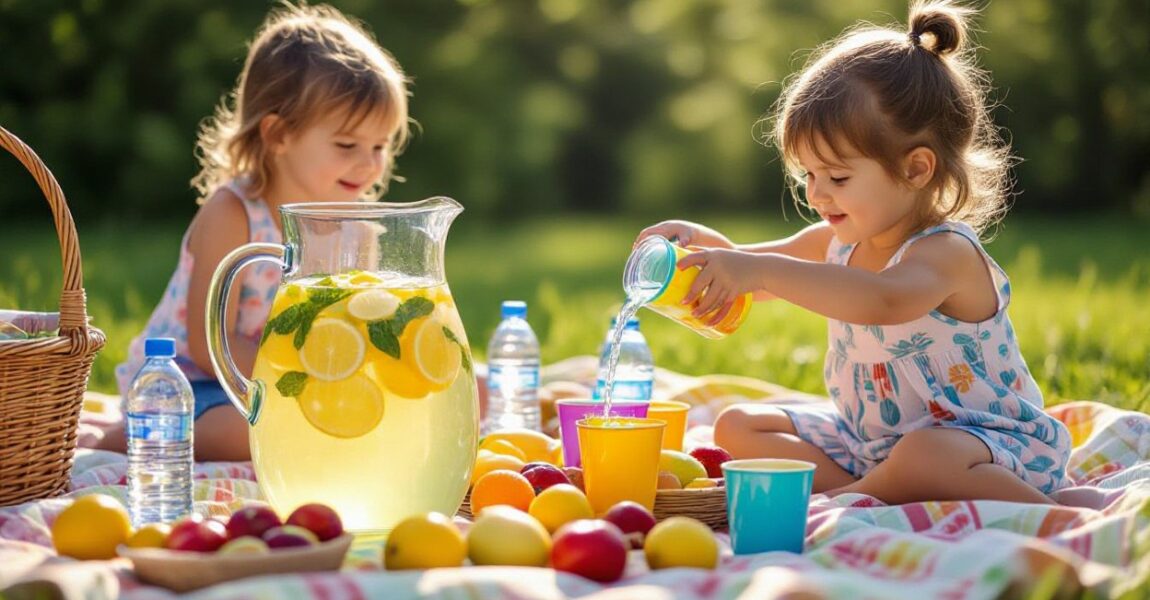
Healthy hydration starts at home: you can teach your kids seven simple habits to make drinking water automatic. Lack of fluids can cause dehydration that impairs concentration and causes headaches, so early habits matter. With clear routines and choices you provide, your child gains better energy, digestion, and focus. The most important step is consistent modeling and easy access to water, plus fun cues and age-appropriate vessels to keep them engaged and safe. Keep your children healthy and hydrated every day—pure mineral water is the safest and simplest way to build strong water habits and replace sugary drinks naturally.
- Lead by example: drink water regularly so kids copy the habit.
- Create routines: set water times (with meals, before/after play) to build consistency.
- Make water appealing: use colorful bottles, fun cups, or chilled/sparkling water to increase interest.
- Keep water accessible: place pitchers or bottles within reach at home and school.
- Limit sugary drinks and encourage water as the first choice; use positive reinforcement for good habits.
Contents
- 1 Understanding the Importance of Hydration
- 2 Establishing a Water Drinking Routine
- 3 Making Water Fun and Appealing
- 4 Encouraging Water Consumption During Activities
- 5 Leading by Example
- 6 To wrap up
- 7 FAQ
- 7.0.1 Q: What are the seven healthy water drinking habits I should teach my kids?
- 7.0.2 Q: How much water should children drink each day and how do I adjust for age or activity?
- 7.0.3 Q: My child prefers juice or soda. How can I get them to pick water instead?
- 7.0.4 Q: What practical routines help children drink water consistently during school and sports?
- 7.0.5 Q: What are signs of dehydration in children and what should I do if I notice them?
Understanding the Importance of Hydration
Daily fluid needs vary by age and activity: toddlers typically need about 4 cups (≈1.0–1.3 L) of total water per day, school-age children about 5–7 cups (≈1.2–1.7 L), and older children/adolescents often need 7–10 cups (≈1.7–2.4 L), with boys toward the upper end. When your child is active or the weather is hot, plan for extra fluids—offer small, frequent sips (for example, 4–8 ounces every 20 minutes during sustained play or sports) rather than waiting until they ask.
Physiologically, water supports nearly every system your child depends on: it helps regulate body temperature, carries nutrients, cushions joints, and makes up roughly 60% of a young child’s body weight. Even a small fluid loss — about 1–2% of body weight — can reduce attention, short-term memory, and mood, so routine sipping throughout the day has measurable benefits for learning and behavior. Keep your child hydrated the healthy way—our convenient 250ml mineral water bottles make it easy to build daily water habits at home, school, or on the go.
Water boosts cognitive performance and school readiness: studies show that children who drink water before class or tests often have better attention spans and faster problem-solving than peers who are mildly dehydrated. You can see practical gains by offering a water bottle at the desk or scheduling short water breaks before exams and homework sessions.
Beyond the classroom, water improves physical stamina, digestion, and skin health. For example, adequate daily fluids lower the risk of constipation and urinary tract infections; athletes who replace fluids promptly recover faster between drills. Emphasize water over sugary drinks to help manage calories and reduce dental decay—swapping even one daily sugary beverage for water can lower added sugar intake by 100–200 calories.
Signs of Dehydration in Children
Watch for early warning signs so you can act quickly: dry mouth or lips, decreased urine output (fewer than every 4–6 hours for older kids; fewer than 6 wet diapers/day in early infancy), dark yellow urine, and increased irritability or lethargy. Other observable signs include sunken eyes, less tear production when crying, and a rapid heartbeat or breathing with activity that seems disproportionate.
For active kids, use simple checks: weigh them before and after long practice—losing about 1 pound (≈0.45 kg) usually indicates roughly 16 ounces (≈500 mL) of fluid loss—and refill accordingly. Skin turgor (a gentle pinch to the belly or forearm) is useful too: if the skin returns slowly, hydration is likely low and you should offer fluids immediately.
Seek urgent care if your child shows any severe signs: very little or no urine for 8–12 hours, extreme sleepiness or unresponsiveness, rapid heartbeat, cool or blotchy hands and feet, or a sunken soft spot in an infant’s head. Children with fever, persistent vomiting, or diarrhea are at higher risk and may need oral rehydration solutions or medical evaluation more quickly.
Establishing a Water Drinking Routine
Set Regular Times for Water Intake
Build the habit by scheduling water around predictable daily anchors: with breakfast, mid-morning (or at school arrival), lunch, mid-afternoon, dinner and right after outdoor play. Aim for about 5 cups (≈1.2 L) a day for ages 4–8 and roughly 7–8 cups (1.6–1.9 L) for older children, adjusting up for hot weather or heavy activity; spacing sips every 1–2 hours makes that total manageable.
Use concrete cues so it’s not abstract—tell your child “one cup before leaving for school” or set a rule of “two sips after every playground break.” Pack a refillable bottle with time markers or pre-measured 250 ml cups for caregivers to hand out; during sports, schedule a 5-minute supervised water break every 20–30 minutes. Watch for signs that water is needed urgently—if your child has dark urine, dizziness, or unusual lethargy, increase fluids and seek care if symptoms persist.
Use Visual Reminders
Make hydration visible: place a clear, marked pitcher on the counter, attach a simple sticker chart on the fridge, or use bottles with hourly volume marks so your child can track progress at a glance. Visual cues reduce reliance on memory and turn an abstract goal into a series of small wins—aim for six checkmarks a day or a bottle that shows halfway by mid-afternoon.
Try color-coding family bottles (blue for you, green for your child) and putting a bright magnet note on the lunchbox: “Water break at 10:30.” In classrooms, single-cup stations or labeled water jugs for groups make take-up easier; at home, place a small cup beside the bed for morning sips so hydration starts early.
For added motivation, let your child decorate a reusable bottle or use dry-erase markers to turn hourly markers into a game—each filled segment earns a sticker or a point toward a weekly reward. Visual routines that combine measurement, personalization, and small incentives increase adherence and make the habit stick. Better hydration improves concentration and mood, so these small visual changes often translate directly into calmer mornings and sharper afternoons.
Making Water Fun and Appealing
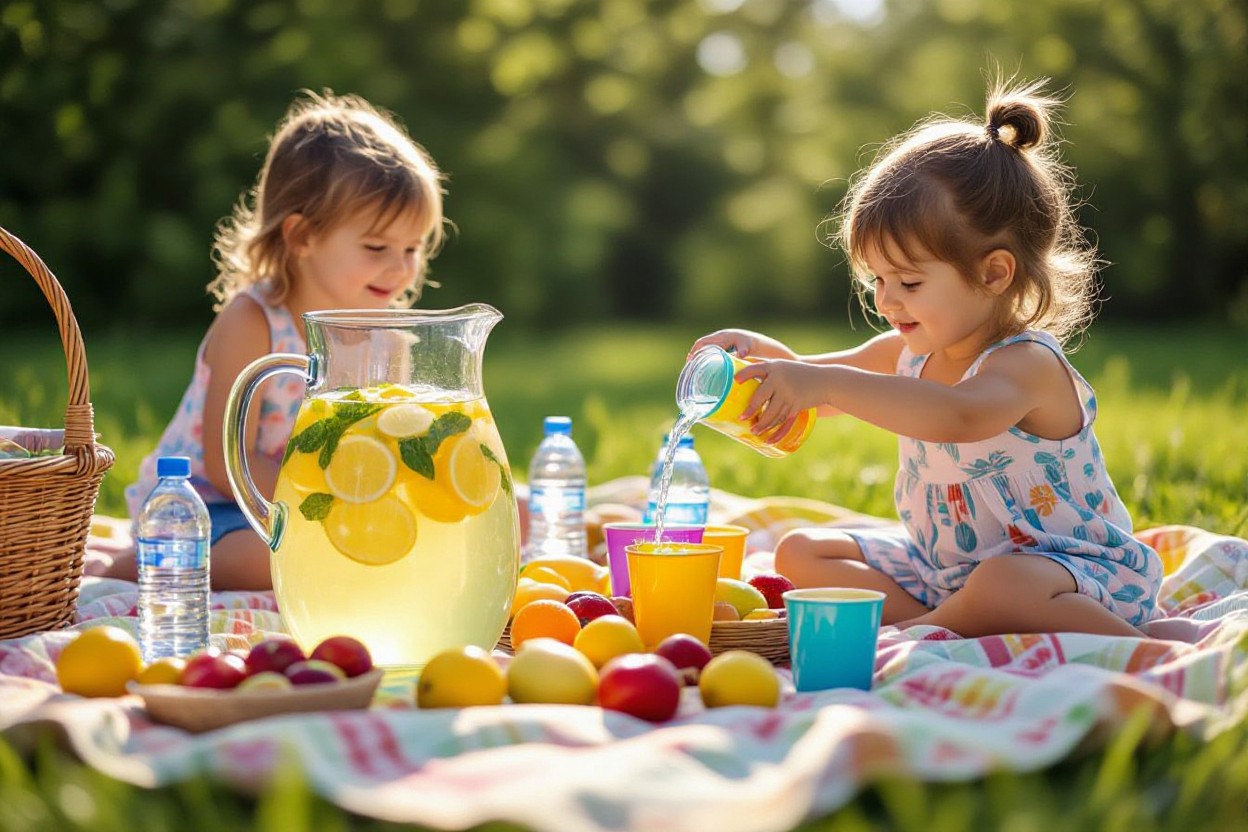
Shift the goal from forcing sips to building attraction: place a colorful pitcher on the table, set a visible water station by the play area, and offer small, frequent pours so your child experiences success. Studies of school interventions show that simply increasing access and visibility can raise water intake by roughly 20–30%, so small environment changes pay off quickly. For practical ideas you can adapt at home and school, see 7 Healthy Hydration Habits to Take Back to School This Year.
Combine visibility with ownership: let your child choose a bottle or help prep flavored infusions (below) and track daily cups with stickers or a simple chart. When you pair a routine—sips after outdoor play, a mini water break before homework—with an appealing container, your child is far more likely to meet age-appropriate targets (for example, about 5 cups/1.2 L daily for ages 4–8 and ~7–8 cups/1.6–1.9 L for ages 9–13).
Flavoring Water Naturally
Use whole fruits, herbs, and vegetables to add scent and subtle taste without added sugar: try 1 cup sliced fruit (berries, citrus, melon) per 1 liter of water, muddling lightly to release flavor, and infuse for 30 minutes or up to 12 hours in the fridge. Frozen fruit cubes—blueberries, grapes halved, or small melon balls—double as ice and a treat; they keep drinks cool and add interest without concentrated juice. Keep portions small because a 4‑ounce fruit juice serving can contain around 10–15 g of sugar, which you’re trying to avoid.
Introduce savory options too: cucumber + mint, grapefruit + rosemary, or a few basil leaves with strawberries can surprise picky kids. Supervise younger children with any added solids and avoid whole hard pieces for toddlers—choking hazards are real for under‑4s, so strain infusions or offer only thin slices when necessary.
Using Fun Reusable Water Bottles
Match size and features to your child: choose 12–16 oz (350–475 mL) bottles for preschoolers and 20–24 oz (600–700 mL) for older kids so they can finish a bottle in a typical morning or afternoon. Prefer stainless steel insulated bottles to keep water cold for 12–24 hours, look for BPA‑free plastics if weight matters, and select leak‑proof lids with easy-action spouts or straws that children can operate independently.
Make the bottle a habit anchor: add measurement markings so your child can see progress toward a daily goal, let them decorate with stickers, and keep a spare in the backpack. Dirty bottles can harbor bacteria and mold—wash bottles, lids, and straws daily, and replace seals or sport caps every 3–6 months if worn.
For school logistics, pick bottles with a narrow base that fit standard backpack pockets, or add a carabiner so your child clips the bottle to the bag; this increases the chance they’ll have it available and sip throughout the day. When your child feels ownership and the bottle stays cold and clean, you’ll see more consistent intake on busy days.
Encouraging Water Consumption During Activities
Hydration Before, During, and After Exercise
Aim to have your child drink in advance: offer about 5–7 ml per kg of body weight roughly 4 hours before activity (for a 25 kg child that’s ~125–175 ml) and top up if urine is dark. During activity, provide small sips frequently—about 120–240 ml every 15–20 minutes for moderate play, increasing with heat or intensity. If you coach or supervise practices, build water breaks into drills rather than leaving them optional.
After exercise, weigh-ins are the most reliable method: replace roughly 150% of the fluid lost over the next few hours (so if a child loses 200 g, offer ~300 ml). Watch for warning signs like dizziness, vomiting, very dark urine or rapid breathing—those indicate dehydration or heat illness and need immediate cooling and fluids. Also be cautious not to overdo plain water after prolonged exertion without electrolytes, since in rare endurance situations too much water can dilute sodium levels.
Setting Goals for Daily Intake
Use age-based targets so goals feel concrete: children 4–8 years generally need about 1.7 L/day total water, while older children (9–13) typically need ~2.1 L for girls and ~2.4 L for boys, including water from food. Break those totals into easy chunks—assign a cup at breakfast, one mid-morning, one at lunch, one mid-afternoon, and two with dinner—and mark progress on a reusable bottle with volume lines so your child can see how close they are.
Make goals achievable and measurable: set a daily sticker chart or a goal of finishing a 500 ml bottle by mid-afternoon and another by bedtime. If your child is active or it’s hot out, increase targets by 20–30% that day. Positive reinforcement works; praise consistent effort and connect drinking water to clear benefits like better attention in class and improved sports performance.
For added structure, combine goals with routine cues—have your child drink one cup before leaving for school, another when they return, and a final cup 30 minutes before bed—so the target becomes part of the day rather than an extra task. Use measurable bottles, short-term rewards (stickers, extra playtime), and periodic checks (weigh before/after long activities) to adjust individual goals based on your child’s needs and activity level.
Leading by Example
You make the pattern your kids will copy, so keep water visible and accessible throughout the day: a chilled pitcher on the counter, filled bottles in the fridge, and a reusable cup at your desk sends a clear cue. When you choose water first—before juice or soda—your children learn that plain water is the default beverage; studies and behavioral observations show that children adopt beverage choices they see adults use repeatedly. Watch for signs like dark urine, decreased energy, or dizziness as indicators that someone in the household needs more fluids right away.
Set small, observable rituals that become habits: take a family sip before each meal, refill bottles together after outdoor play, and carry a drink when you leave the house. Those simple acts create repeated exposure; over weeks you’ll see intake climb. If a child is physically active or the environment is hot, increase fluid opportunities—aim for an extra 1–2 cups during or after prolonged activity.
Modeling Good Hydration Habits
You should drink water at predictable times so your kids notice the pattern: first thing in the morning, before and after play, and with every meal. Offer practical examples—fill a 500 ml bottle and finish it during morning activities, place a small cup by the bedside, and have a glass ready at family meals. These visible cues are concrete; when you consistently drink a glass before each meal, children are more likely to follow without prompting.
Use tech and environmental nudges to support modeling: set a repeating reminder on your phone, keep a labeled refill station in the kitchen, and choose insulated bottles that keep water cold for hours. For school days, pack a child-sized bottle with their name and a small sticker—these tactile, personalized items increase the chance they’ll drink throughout the day. If you sport a visible habit like refilling during walks, your child will link hydration to activity and mimic that healthy pattern.
Engaging the Whole Family in Healthy Choices
You can turn hydration into a family project by creating shared goals and non-food rewards: try a 10-day water challenge where each family member logs cups drank and the winner picks a weekend activity. Make the effort social—share progress at dinner, post a chart on the fridge, and use colorful bottles or timers to make the behavior tangible. Limiting sugary drinks is equally important because frequent sweetened beverages can quickly add calories and harm dental health; keep those as an occasional treat rather than a daily substitute.
Involve every caregiver and household member so that the message is consistent across settings—grandparents, babysitters, and coaches should be aligned on offering water first and prompting refills. When your child sees the whole support network prioritize water, it reduces mixed signals and reinforces the habit more quickly than isolated reminders.
Practical tools that work: assign refill responsibilities (one person refills the family pitcher each morning), schedule water breaks after outdoor play and before homework, and use a simple daily plan—one cup on waking, one cup with each meal, and one cup between activities—to reach a target of about 5–8 cups (1.2–1.9 L) daily for most children, increasing that amount with heat or intense exercise.
To wrap up
Considering all points, you can build lasting water habits by modeling consistent behavior, keeping water accessible, and swapping sugary drinks for plain or lightly flavored water. Teach your children simple routines—water with meals, before and after activity, and portable bottles for school—so hydration becomes automatic rather than occasional.
Make learning practical: let your kids choose bottles and track sips, praise progress, and adjust portions by age and activity so hydration supports growth and concentration. By making hydration easy, visible, and part of daily structure, you set your family up for healthier long-term habits.
FAQ
Q: What are the seven healthy water drinking habits I should teach my kids?
A: Teach these seven habits: 1) Drink water first thing after waking to rehydrate; 2) Carry a reusable water bottle and sip throughout the day; 3) Drink water before, during and after physical activity; 4) Choose water instead of sweetened beverages at meals and snacks; 5) Add natural flavor (fruit slices, herbs) sparingly to make water appealing; 6) Establish regular water breaks—before leaving the house, at snack time, and before bed; 7) Model drinking behavior as caregivers so kids see water as the default choice.
Q: How much water should children drink each day and how do I adjust for age or activity?
A: General daily guidance: toddlers (1–3 years) about 1.0–1.3 liters total fluids; preschool to school-age (4–8 years) about 1.3–1.7 liters; older children and teens 1.7–2.6 liters depending on sex and growth. Increase intake for hot weather, vigorous play or sports—add roughly 200–400 ml per 30–60 minutes of heavy activity. Offer small, frequent sips rather than large amounts at once, and use urine color (pale straw) as a simple check for adequate hydration.
Q: My child prefers juice or soda. How can I get them to pick water instead?
A: Replace sugary drinks gradually: dilute juice with more water over time, limit sugary options to special occasions, and offer flavored water made with fruit slices or a splash of 100% juice. Make water fun—let kids pick their own reusable bottle or cup, use colorful ice cubes, or create a sticker chart with small rewards for choosing water. Keep water visible and accessible throughout the home and pack it for outings so it becomes the easy, default choice.
Q: What practical routines help children drink water consistently during school and sports?
A: Create predictable cues: a full bottle before leaving for school, a quick sip when arriving home, water with every snack and meal, and scheduled sips during breaks in activities. For school, provide an insulated bottle to keep water cool and communicate with teachers or coaches about scheduled refill breaks. For sports, pre-hydrate 30–60 minutes before exercise, sip every 15–20 minutes during activity, and replace fluids immediately afterward. Use timers or phone reminders for younger kids until the habit forms.
Q: What are signs of dehydration in children and what should I do if I notice them?
A: Early signs: dry lips or mouth, fewer wet diapers or less frequent urination, darker urine, irritability, decreased tears when crying, and tiredness. More serious signs: very dry skin, sunken eyes or fontanelle in infants, rapid heartbeat, dizziness, or confusion. For mild dehydration, offer small, frequent sips of water or an oral rehydration solution. If a child cannot keep fluids down, shows signs of severe dehydration, has high fever, or becomes lethargic, seek medical attention promptly.
- October 29, 2025
- Health