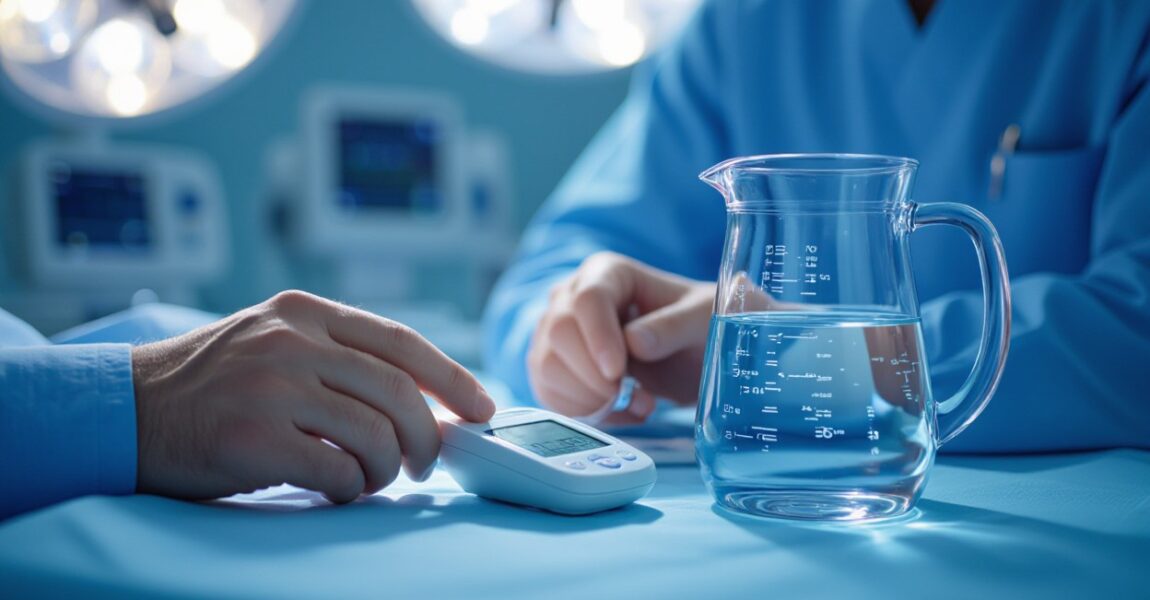
It’s common to wonder whether water affects your blood pressure; staying hydrated can modestly lower blood pressure when dehydration raises it, but the effect is usually temporary and small. You should know that overhydration may be dangerous if you have heart failure, kidney disease, or are on blood pressure medications, and that long-term control relies on diet, exercise, and prescribed therapy. If you have concerns, consult your healthcare provider. Stay hydrated the healthy way — pure RO water helps support stable blood pressure by maintaining your body’s fluid balance and reducing the strain on your heart
Contents
- 1 Understanding Blood Pressure
- 2 The Role of Hydration
- 3 Research on Water Intake and Blood Pressure
- 4 Mechanisms of Action
- 5 Practical Recommendations
- 6 Risks and Considerations
- 7 Conclusion
- 8 FAQ
- 8.0.1 Q: Does drinking water immediately lower blood pressure?
- 8.0.2 Q: Can regular water intake help lower high blood pressure over time?
- 8.0.3 Q: How much water should I drink if I want to influence blood pressure?
- 8.0.4 Q: Are there risks to drinking more water to try to change blood pressure?
- 8.0.5 Q: When should I talk to a healthcare provider about water intake and blood pressure?
Key Takeaways:
- Drinking water can produce a short-term increase in blood pressure in some people (notably those with autonomic dysfunction) via a rapid pressor response.
- Chronic dehydration can impair blood-pressure regulation and cause low BP or orthostatic symptoms; adequate hydration helps maintain normal blood pressure.
- Water alone does not provide sustained lowering of high blood pressure; long-term BP control depends on diet, exercise, weight management, sodium reduction, and medications.
- Rapid or large fluid loads can be harmful for people with heart failure or certain conditions and may worsen fluid overload or hyponatremia.
- If you have high or low blood pressure or take BP medications, consult your healthcare provider about appropriate fluid intake and monitoring.
Understanding Blood Pressure
Blood pressure reflects the force of blood against your arteries, expressed as systolic/diastolic in mmHg; a consistent reading below 120/80 mmHg is ideal, while sustained values at or above 130/80 mmHg raise your cardiovascular risk. You should monitor trends rather than a single measurement, since white-coat spikes or measurement error can mislead your care decisions. Keep your blood pressure in check with Jantzen Water — clean, crisp hydration that supports better circulation and heart health naturally
Definition and Importance
Blood pressure shows how hard your heart must work: systolic is the peak pressure and diastolic the resting pressure between beats. You face higher risk of stroke, heart attack, and kidney damage when readings cross diagnostic thresholds such as 130/80 mmHg. After you collect multiple readings at home and in clinic you can decide whether lifestyle changes or treatment are needed.
- Systolic
- Diastolic
- Hypertension
- mmHg
Factors Affecting Blood Pressure
Many influences change your numbers: excess sodium intake, overweight (each 5–10 kg can raise pressure), high alcohol use, chronic stress, certain medications, and poor sleep all push values up; conversely, regular aerobic exercise and weight loss lower systolic by several mmHg. After you identify which factors apply to your life you can prioritize interventions with the biggest expected impact.
- Sodium
- Weight
- Alcohol
- Stress
- Sleep
Digging deeper, dietary patterns like the DASH diet have been shown in trials to reduce systolic pressure by about 8–14 mmHg, while cutting sodium by ~2 g/day can lower systolic by roughly 4–5 mmHg; medication adherence and smoking cessation add further measurable benefit. After you test targeted changes for 4–12 weeks, track results to see what moves your numbers most.
- DASH diet
- Sodium reduction
- Medication adherence
- Smoking cessation
The Role of Hydration
Hydration directly shapes your blood volume, cardiac output and vascular tone; with the body roughly 60% water, even small fluid shifts change pressure dynamics. When you lose plasma volume, your systolic pressure can drop and cause lightheadedness; conversely, a rapid 500 mL water bolus can transiently raise systolic pressure by 10–40 mmHg in some older adults. Kidneys filter ~180 L/day, so fluid balance continually influences short‑term and long‑term blood pressure control.
Importance of Water in the Body
Water moves oxygen, nutrients and hormones while removing metabolic waste; it also maintains blood viscosity and temperature. You need roughly 1.5–2.5 L daily from fluids and food to sustain plasma volume that supports stable cardiac output. Adequate hydration lets your heart pump efficiently and helps medications distribute properly, so keeping fluid intake consistent supports steady blood pressure and vascular health.
Dehydration and its Effects
Even a 1–2% body weight fluid loss impairs cognition and increases heart rate; at 3–5% you may experience headaches, dizziness and reduced exercise tolerance. Plasma volume decline lowers venous return, causing orthostatic drops in pressure and a higher risk of fainting. For severe losses (>10%), organ perfusion becomes compromised, making profound hypotension and shock life‑threatening without prompt rehydration.
Mechanistically, reduced venous return lowers stroke volume so your baroreflex raises heart rate, but that compensation often falls short. The kidneys respond via RAAS, increasing sodium retention and vasoconstriction, which can paradoxically raise long‑term blood pressure. Older adults and those on diuretics face greater risk because thirst blunts and medications amplify volume shifts; in clinical studies this explains why hydration status can markedly alter antihypertensive effects.
Research on Water Intake and Blood Pressure
Across observational cohorts and short-term trials, researchers find mixed but informative signals: increasing daily fluid by roughly 500–1,000 mL is often linked to small systolic reductions (about 1–5 mmHg) in older or salt-sensitive adults, while effects are minimal in young normotensives; you should interpret results by baseline BP, medication use, and kidney function when judging clinical relevance.
Studies Supporting Blood Pressure Reduction
Several cohort analyses and small randomized trials report that when you raise intake by ~500 mL/day for weeks, average systolic BP falls by about 1–5 mmHg; for example, populations with higher habitual water intake show lower ambulatory BP and reduced antihypertensive medication needs in select case series, suggesting modest but potentially meaningful benefit for those with elevated baseline pressures.
Contradicting Findings
Not all data agree: some controlled studies detect no BP change in healthy adults after increased fluids, and in patients with autonomic failure, drinking 500 mL can cause a rapid systolic rise of 20–40 mmHg, underscoring that water’s effect depends on physiology and timing.
Mechanistically, you should note volume expansion, baroreflex differences, and renal handling drive variability; sodium intake, diuretic or vasodilator use, and reduced GFR alter responses, and excessive consumption (>3–4 L/day) raises risk of hyponatremia, so individual context determines whether increased water lowers or raises your blood pressure.
Mechanisms of Action
Water alters your blood pressure through three main pathways: rapid changes in blood volume, modulation of vascular resistance via autonomic and hormonal reflexes, and effects on blood viscosity and endothelial shear stress. Within 5–15 minutes of drinking ~500 mL, you can see measurable shifts in stroke volume and sympathetic tone. Clinical responses vary: healthy adults usually have small changes, while people with autonomic dysfunction can experience pronounced blood pressure swings.
How Water Affects Blood Volume
When you drink, fluid is absorbed into the gut and expands plasma volume, increasing venous return and stroke volume; this can raise cardiac output transiently. Studies typically use a 500 mL water bolus to provoke effects within 5–15 minutes. If you’re hypovolemic or taking diuretics, the same volume produces a larger percentage increase in plasma volume and a greater hemodynamic impact than in a well-hydrated person.
Impact on Vascular Resistance
Water can change your vascular resistance by engaging baroreflexes, osmoreceptors, and sympathetic pathways; in healthy people the net effect is usually modest, but in autonomic failure the reflex pressor response can raise systolic pressure by ~10–30 mmHg. Endothelial shear from increased flow may release nitric oxide and lower resistance, while simultaneous sympathetic activation can oppose that vasodilation, so outcomes depend on your baseline autonomic balance.
Digging deeper, you should note that multiple opposing mechanisms determine the vascular response: increased central volume raises cardiac output and shear stress, which promotes endothelial NO-mediated vasodilation, yet osmotic and GI afferents can trigger rapid sympathetic discharge and vasopressin modulation that increase peripheral resistance. Clinically, this explains why drinking ~500 mL promptly benefits many with orthostatic hypotension—systolic rises of 10–30 mmHg within 5–10 minutes—while in normotensive people baroreflex compensation blunts sustained pressure changes. Long-term hydration status also interacts with the renin–angiotensin system, so chronic underhydration may maintain higher vascular tone via elevated renin and angiotensin II.
Practical Recommendations
Balance hydration with proven lifestyle measures: make water part of a plan that includes diet, activity, and sodium control. Evidence shows acute hydration can shift blood pressure transiently, but lasting reductions come from combined habits such as the DASH diet, limiting sodium to under 2,300 mg/day (1,500 mg if you have hypertension), regular exercise, and weight loss. Monitor your BP and discuss personalized targets with your clinician.
Daily Water Intake Guidelines
Aim for about 2–3 liters (8–12 cups) daily, increasing with hot weather, sweating, or vigorous exercise. Check urine: pale yellow signals good hydration. During endurance events avoid drinking >1 L/hour without electrolytes because hyponatremia risk rises; sports drinks or oral rehydration solutions help. Adjust for diuretics, heart failure, or kidney disease per your clinician’s advice.
Lifestyle Changes to Improve Blood Pressure
You should prioritize weight loss, diet, activity, and alcohol moderation: a 5–10% weight loss can lower systolic BP by ~5–10 mmHg; the DASH diet often cuts systolic by 8–14 mmHg. Keep sodium below 2,300 mg/day (aim for 1,500 mg if hypertensive), get 150 minutes/week of moderate aerobic exercise, and limit alcohol to 2 drinks/day for men or 1 for women.
For example, the DASH trial found up to an ~11 mmHg systolic drop in people with hypertension on a high-potassium, low-sodium diet. Practical steps you can take: swap processed snacks for fruits/vegetables, walk briskly 30 minutes five times weekly, and substitute herbs for salt. Cutting sodium by ~1,000 mg/day typically reduces systolic BP ~2–5 mmHg, so small changes add up to meaningful reductions.
Risks and Considerations
When you increase fluid intake for blood pressure control, weigh benefits against risks: rapid or excessive drinking can cause a transient blood pressure rise in some individuals, as shown in Doubling of water intake increases daytime blood pressure …. You should factor in age, medications, and kidney function to avoid hyponatremia or volume-related complications.
Overhydration and its Effects
If you overhydrate, you risk hyponatremia—low serum sodium that can cause nausea, confusion, seizures, or coma—and acute water intoxication when the kidneys are overwhelmed; athletes replacing large sweat losses can still be vulnerable. Older adults and those with impaired renal concentrating ability face higher danger from even modest excesses.
- Hyponatremia — neurologic symptoms from low sodium
- Water intoxication — rapid intake exceeding renal excretion
- Edema — fluid accumulation that worsens heart or lung congestion
Recognizing your signs of overhydration (headache, confusion, swelling) lets you seek prompt care.
Individual Health Factors
Your heart failure, kidney disease (eGFR <30 mL/min/1.73 m²), or hormonal conditions like SIADH change how water affects blood pressure and sodium balance; common medications (diuretics, ACE inhibitors, NSAIDs) also alter fluid handling. You should coordinate fluid targets with your clinician and labs.
In heart failure, even an extra 500 mL can increase preload and provoke shortness of breath; in advanced CKD, reduced urine output raises risk of volume overload and hypertension. Older adults often have blunted thirst and reduced renal reserve, and athletes may need electrolyte replacement rather than plain water to avoid dilutional hyponatremia.
- Heart failure — risk of volume overload and pulmonary edema
- Chronic kidney disease — impaired excretion increases circulatory volume
- Medications — agents that alter renal handling or sodium balance
Recognizing your specific conditions will help you and your clinician set safe, individualized fluid goals.
Conclusion
Summing up, staying well hydrated helps your cardiovascular function and can help you avoid blood-pressure spikes from dehydration or orthostatic drops, but drinking water alone does not reliably lower chronic hypertension; effects are variable and sometimes transiently raise pressure in some people, so use hydration as a supportive measure alongside proven lifestyle changes and medical treatment advised by your clinician.
FAQ
Q: Does drinking water immediately lower blood pressure?
A: Not typically. A single glass of water has variable short-term effects. In many people, drinking water increases blood volume and can transiently raise blood pressure or have little net change. In people with orthostatic hypotension, a rapid 300–500 mL water bolus often raises blood pressure for 20–90 minutes. For chronic high blood pressure, an immediate drop after drinking water is not reliably seen.
Q: Can regular water intake help lower high blood pressure over time?
A: Evidence is limited. Staying adequately hydrated supports normal cardiovascular function, but long-term blood pressure reduction from increased water intake alone has not been proven as an effective treatment. Established lifestyle measures—sodium reduction, weight loss, physical activity, limited alcohol, and DASH-style diets—have stronger evidence for lowering blood pressure. Drinking enough water can be part of overall healthy habits but is not a substitute for proven therapies or medications when indicated.
Q: How much water should I drink if I want to influence blood pressure?
A: There is no specific volume of water shown to reliably lower blood pressure for most people. General fluid recommendations vary by age, activity, and climate (commonly about 2–3 liters per day for adults), but individual needs differ. For treating orthostatic hypotension, studies often use 300–500 mL quickly ingested to produce a temporary rise in blood pressure. People with heart failure, advanced kidney disease, or conditions requiring fluid restriction should not increase intake without medical advice.
Q: Are there risks to drinking more water to try to change blood pressure?
A: Yes. Excessive water intake can lead to hyponatremia (low blood sodium), worsening fluid overload in heart failure or chronic kidney disease, and interactions with diuretic or heart medications. Rapid intake may also trigger sympathetic responses (especially with cold water) that raise blood pressure. Altering fluid intake without medical guidance can be harmful for people with cardiovascular or renal conditions.
Q: When should I talk to a healthcare provider about water intake and blood pressure?
A: Consult a provider if you have diagnosed hypertension, orthostatic symptoms (dizziness or fainting when standing), heart failure, kidney disease, or are taking diuretics or other blood-pressure medications before changing fluid habits. Seek urgent care for severe symptoms such as chest pain, shortness of breath, fainting, or very high or very low blood pressure readings. A clinician can give personalized guidance on fluid targets and how they interact with your treatments.
- November 6, 2025
- Health