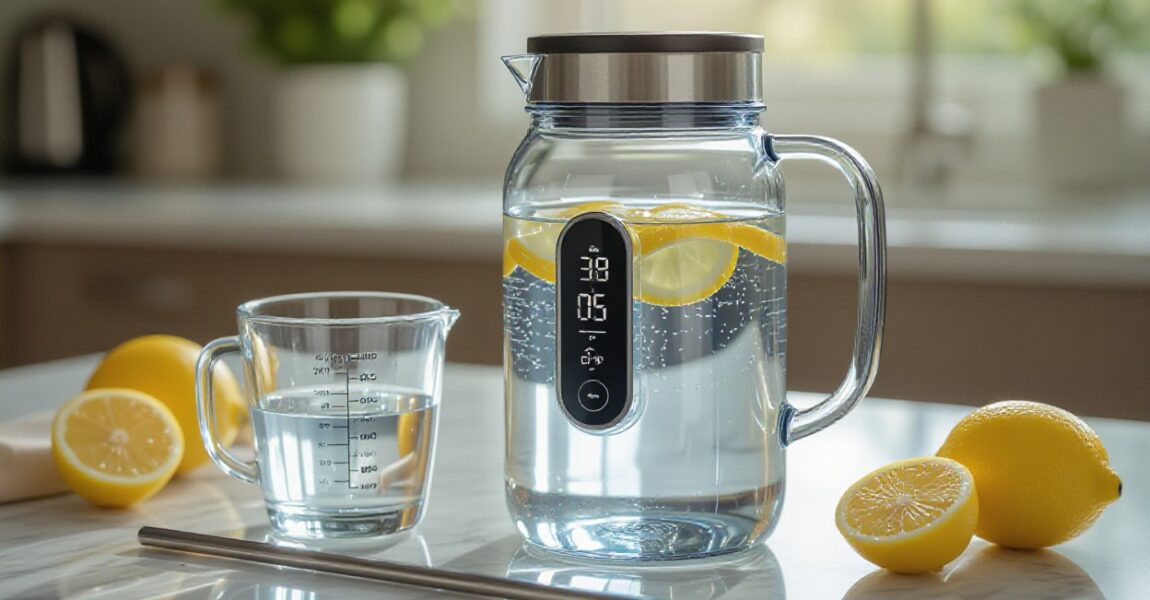
It’s wild how a tiny tweak in your day can hit harder than another giant health overhaul, especially when it comes to how you drink water. You already know hydration matters, but small, targeted changes in when, how, and what you sip can quietly fix things like brain fog, low energy, and those random afternoon headaches that keep showing up. In this post, you’ll see how 8 simple hydration shifts can protect your long-term health, stabilize your mood, and actually make your body feel like it’s working with you instead of fighting back.
You know that mid-afternoon slump where your brain feels like oatmeal and your water bottle’s still basically full from this morning? That’s usually when you realize you’ve had two coffees, three tabs open you don’t need, and about five sad sips of water. Tiny hydration tweaks can shift that whole vibe without you having to live in the bathroom or lug a gallon jug everywhere. Make your hydration upgrades effortless with a reliable mineral water supplier that delivers clean, refreshing water straight to your doorstep, so those 8 small daily changes become even easier to stick to
Contents
- 1 Why Staying Hydrated Actually Matters
- 2 My Take on Simple Changes That Work
- 3 Seriously, How Much Water Do We Need?
- 4 What About Timing – Does It Matter?
- 5 How Tiny Tweaks Can Boost Your Hydration
- 6 The Real Deal About Sports Drinks
- 7 To wrap up
- 8 FAQ
- 8.0.1 Q: Why do tiny hydration tweaks matter more than chugging a gallon of water at once?
- 8.0.2 Q: What’s an easy first hydration change I can make without overhauling my whole routine?
- 8.0.3 Q: How can I stop forgetting to drink water once the day gets busy?
- 8.0.4 Q: Are drinks like coffee, tea, or flavored water actually hurting my hydration?
- 8.0.5 Q: How do I know if these small hydration changes are actually working for me?
Key Takeaways:
- Pair water with existing habits – drink a small glass every time you make coffee, sit down to work, or brush your teeth so hydration becomes automatic instead of something you “should” do.
- Stop relying on thirst alone – sip consistently through the day using a smaller bottle you refill, so you’re drinking in waves instead of chugging once when you’re already dried out.
- Level up plain water with little add-ins like a squeeze of lemon, a pinch of salt, or electrolyte powder so it actually tastes good and hydrates better when you’re sweaty, busy, or low-energy.
- Eat your water too by leaning on juicy stuff like cucumbers, oranges, berries, soups, and yogurt, which quietly bump your intake without you feeling like you’re constantly chugging.
- Front-load hydration earlier in the day and ease up at night, so you get better energy and focus without wrecking your sleep with a million bathroom trips.
Why Staying Hydrated Actually Matters
The Science Behind Hydration
With everyone walking around with smart water bottles and hydration-tracking apps lately, it’s easy to forget there’s real biochemistry behind the trend. About 50-60% of your body is water, and your blood is basically a salty water solution that ferries oxygen, nutrients, hormones, and waste all over your system. When you drink enough, your cells keep the right balance of sodium, potassium, and other electrolytes so your nerves can fire on cue and your muscles can actually contract the way you want them to. That balance is what keeps your heart rhythm steady and your brain from feeling like it’s running on dial-up internet.
Every time you sweat, breathe, pee, or even just exist in a heated office, you’re slowly losing fluid that has to be replaced. Your kidneys are constantly adjusting how much water to keep or let go of, trying to keep your blood volume and blood pressure in a healthy range, and if you shortchange them, they have to work overtime. Hydration also drives things you don’t always connect to water, like how well you digest food, how efficiently your body clears toxins, and even how springy and plump your skin looks. When you stay on top of fluids, you’re basically giving your body the raw material it needs to do thousands of tiny jobs quietly in the background, all day, every day. Level up your hydration effortlessly with Desa Mineral Water 1.5L—perfect for those small daily sips that add up to big changes in your energy, focus, and overall wellbeing
How Dehydration Affects You
What surprises a lot of people is that you can feel the impact of dehydration at just a 1-2% drop in body water. At that point, your blood literally gets thicker, your heart has to pump harder, and your brain gets less oxygen and glucose, so you feel foggy, irritable, and weirdly tired for “no reason”. Studies on athletes and office workers both show that this mild level of dehydration can cut mental performance and focus, and in some tests, reaction time, by up to 20-25%. You might just think you need more coffee, but your body is quietly asking for water first.
Push it further and things ramp up fast: your core temperature climbs, your sweat response changes, and your risk of headaches, muscle cramps, and kidney stress shoots up. Even your mood takes a hit, with research linking mild dehydration to higher levels of tension and anxiety. One large study found that people who consistently drank less than 1.2 liters a day had significantly more fatigue and lower overall wellbeing compared to those closer to 2 liters. So if you find yourself snapping at people by 3 p.m., squinting at your screen, and re-reading the same sentence, there’s a good chance your water intake is part of that story.
On a more everyday level, you’ll notice dehydration in tiny, annoying ways long before it becomes a medical issue, and those are the ones that quietly drag your quality of life down. Your workouts feel heavier, your runs feel slower, your skin looks dull even with decent skincare, and your digestion gets sluggish so you feel bloated after normal meals. Over months and years, consistently skimping on fluids can contribute to more kidney stone formation, more urinary tract infections, and higher strain on your cardiovascular system, especially if you already sit a lot or have blood pressure issues. The wild part is that so much of this is fixable with simple, boring habits like a glass of water before coffee or a bottle at your desk, which is why these “small” hydration tweaks actually matter way more than they sound.
My Take on Simple Changes That Work
Switching Up Your Drink Choices
One client told me she was “terrible at drinking water” but polished off three cans of soda without thinking every single afternoon. You might be in the same boat: it’s not that you don’t drink, it’s that you drink the stuff that quietly works against you. Swapping just one 12-ounce soda for water each day can save you around 140 calories and about 39 grams of sugar – over a year that’s more than 50,000 calories you aren’t sipping. Your hydration improves while your blood sugar, skin, and energy all benefit too.
Instead of trying to go from 0 to 100, you just rotate in better choices. Maybe mornings stay coffee (no problem), but you trade the second sugary latte for plain water or unsweetened tea. Or you keep your afternoon iced tea but ask for half-sweet, then eventually go unsweetened with a squeeze of lemon. You’re not punishing yourself, you’re quietly nudging your habits so the default drink on your desk is actually helping your body instead of draining it.
Adding a Splash of Flavor
A friend of mine used to joke that water was “too boring to bother with” until she started tossing whatever fruit was in her fridge into a big pitcher. You can do the same: sliced strawberries and basil, cucumber and mint, orange and blueberry, even just plain lemon with a pinch of sea salt. Within 15 minutes the flavor starts to infuse, and suddenly that glass doesn’t feel like a chore anymore, it feels like a treat. Flavor turns hydration into something you actually crave instead of something you force.
What surprises a lot of people is how little you need to make a difference. Half a lime, three cucumber slices, a few frozen berries, or even a splash (1-2 tablespoons) of 100% fruit juice can be enough to make you go “oh, ok, I can drink that.” Because your brain gets a tiny reward from the flavor, you naturally reach for the glass more often, which is really all you’re after here – not perfection, just more consistent sips through your day.
There are also some clever flavor tricks that keep your hydration habit almost effortless: freeze herbs or chopped fruit into ice cubes so every time you fill your glass you get slow-release flavor, keep a small bottle of unsweetened coconut water in the fridge to mix 1:3 with plain water when you want something that tastes like vacation, and if you’re active or sweating a lot, add a light electrolyte powder that uses around 200-300 mg sodium per serving instead of a super sugary sports drink. When you stack these tiny flavor hacks, your daily water isn’t just “water” anymore, it’s a rotating lineup of drinks you actually look forward to drinking, which is exactly why you stick with it long term.
Seriously, How Much Water Do We Need?
Understanding Your Body’s Needs
You probably need less “perfect math” and more honest awareness. That old “8 glasses a day” rule is a lazy shortcut – helpful for some people, way off for others. A more grounded range for most adults is about 2 to 3 liters of total fluids per day (roughly 8-12 cups), and that includes water in food, coffee, tea, even that bowl of soup. If you weigh more, move more, or live somewhere hot, you’re going to be on the higher end, sometimes far beyond it on sweaty days.
Think of it this way: your body weight, activity level, and environment are constantly shifting the target. A simple starting point many sports dietitians use is around 30-35 ml of fluid per kilogram of bodyweight, so if you weigh 70 kg (about 155 lbs) you’re looking at roughly 2.1-2.5 liters on a typical day. Then you stack on more: intense workouts can cost you 0.5-2 liters of sweat per hour, high altitude makes you lose more fluid just by breathing, and pregnancy or breastfeeding can bump needs by several hundred milliliters too. It’s not about chasing perfection – it’s about giving your body enough baseline water so it doesn’t have to work overtime.
Signs You’re Not Drinking Enough
What really matters is whether your body is quietly waving a red flag, and it usually starts with your bathroom habits. If you’re only peeing a few times a day and the color is consistently dark yellow or amber, that’s a pretty loud signal that you’re under-fueled on fluids. Ideally, you’re aiming for pee that’s pale straw to light yellow most of the day – it doesn’t need to be crystal clear, but it shouldn’t look like strong tea either.
Hydration issues rarely show up in just one way, they creep in from a bunch of angles. You might notice low energy, headaches, brain fog, dry mouth, or feeling unusually irritable, especially in the afternoon. Some people get muscle cramps or feel their heart rate spike higher than usual during easy workouts. And if you’re waking up with that cotton-mouth feeling, chapped lips, or you realize your skin stays tented for a moment when you pinch the back of your hand, your daily water baseline is probably lagging behind what your body would actually love.
Diving a bit deeper, there are a few signs you really don’t want to shrug off, because they hint you’re drifting into more serious dehydration territory. If you’re barely peeing, feel dizzy when you stand up, have a pounding headache, racing heartbeat, or you suddenly can’t tolerate your usual workout without feeling wiped or nauseous, that’s not “normal busy day” stuff, that’s your body yelling for fluid. Chronic under-drinking can also sneak up on your digestion – constipation, super hard stools, or that heavy, stuck feeling after meals often improve dramatically just by getting an extra 500-750 ml of water in daily. It sounds almost too simple, but over and over I see that once hydration is dialed in, a lot of these nagging little issues calm down fast.
What About Timing – Does It Matter?
When you drink can quietly shape how energized, focused, and steady you feel all day. Instead of chugging a random bottle at 3 pm because your head hurts, timing your water like you time your meals or workouts helps smooth out those energy spikes and dips. You don’t need a complicated schedule, but having a few consistent “anchor moments” – like right after waking, before meals, and pre-workout – can keep you hydrated without you thinking about it every five minutes.
What surprises most people is how quickly timing tweaks add up. Swapping your late-night chugging habit for earlier, steady sips can mean less midnight bathroom trips and better sleep quality. If you like stacking habits, pairing hydration changes with other tiny upgrades (like the ones in 10 Small Changes That Can Have Big Impacts) helps you build a routine that actually sticks, not one you abandon after three days.
The Best Times to Drink Water
Your first glass in the morning might be the highest-impact sip you take all day. After 7-8 hours without fluids, your body is basically running on yesterday’s water, so 8-16 oz right after you wake up helps kickstart circulation, digestion, and mental clarity. If you drink coffee, having that water first reduces the dehydrating effect of caffeine and keeps you from feeling like you’re crashing before 10 am.
Spacing things out around meals works really well too. A glass of water about 20-30 minutes before you eat can support digestion and help you feel satisfied, while constantly chugging huge amounts during meals may leave you feeling bloated. Toss in another 8-16 oz an hour before exercise, a few small sips during, and some water afterward, and suddenly you’re hitting solid hydration numbers without carrying around a gallon jug like it’s your new personality.
Making It a Habit
Hydration timing only works if it goes on autopilot. You don’t need 17 alarms on your phone, you just need to bolt water onto stuff you already do. For example, drink a glass while your coffee brews, another when you sit down at your desk, and one while you prep dinner. Same actions, same environment, just a new default behavior layered on top.
Visual cues help more than willpower. Keeping a filled bottle at eye level on your desk, a glass by the bathroom sink, or a small bottle in your bag makes drinking water the easy choice instead of the “I have to think about it” choice. And if you like tracking data, a simple sticky note tally, an app, or a marked bottle with time lines turns this from a vague goal into something you can actually see yourself improving at day by day.
Over time, you want hydration to feel like brushing your teeth – slightly weird to skip, normal to do. That might mean starting with just three anchor times (wake up, mid-afternoon, pre-dinner) and getting rock-solid with those before adding anything else. Once those are second nature, you can tweak amounts, add a pre-workout glass, or shift timing to match your schedule, but the base habit is already baked in, which makes every other change a lot easier to pull off and keep.
How Tiny Tweaks Can Boost Your Hydration
Think of your hydration like a bank account – small, frequent deposits often do more than one big lump sum. Instead of stressing over chugging 3 liters at once, you get way better results by nudging your habits: shifting when you sip, what you sip with, and how you get tiny bits of fluid in all day. Those 100-150 ml “micro sips” every hour can easily add up to an extra 1-1.5 liters without you feeling like you’re trying that viral gallon-chug challenge.
What usually makes the biggest difference isn’t some fancy supplement, it’s stuff like keeping water within arm’s reach, pairing a glass with routines you already have, or swapping one salty snack for something with a bit more fluid. Studies on hydration habits show that people who build these low-effort cues into their day end up with 20-30% higher total fluid intake without actively thinking about it. That “I barely changed anything” feeling is exactly what you want, because those are the tweaks you’ll actually stick with 6 months from now.
Using Tech to Remind You
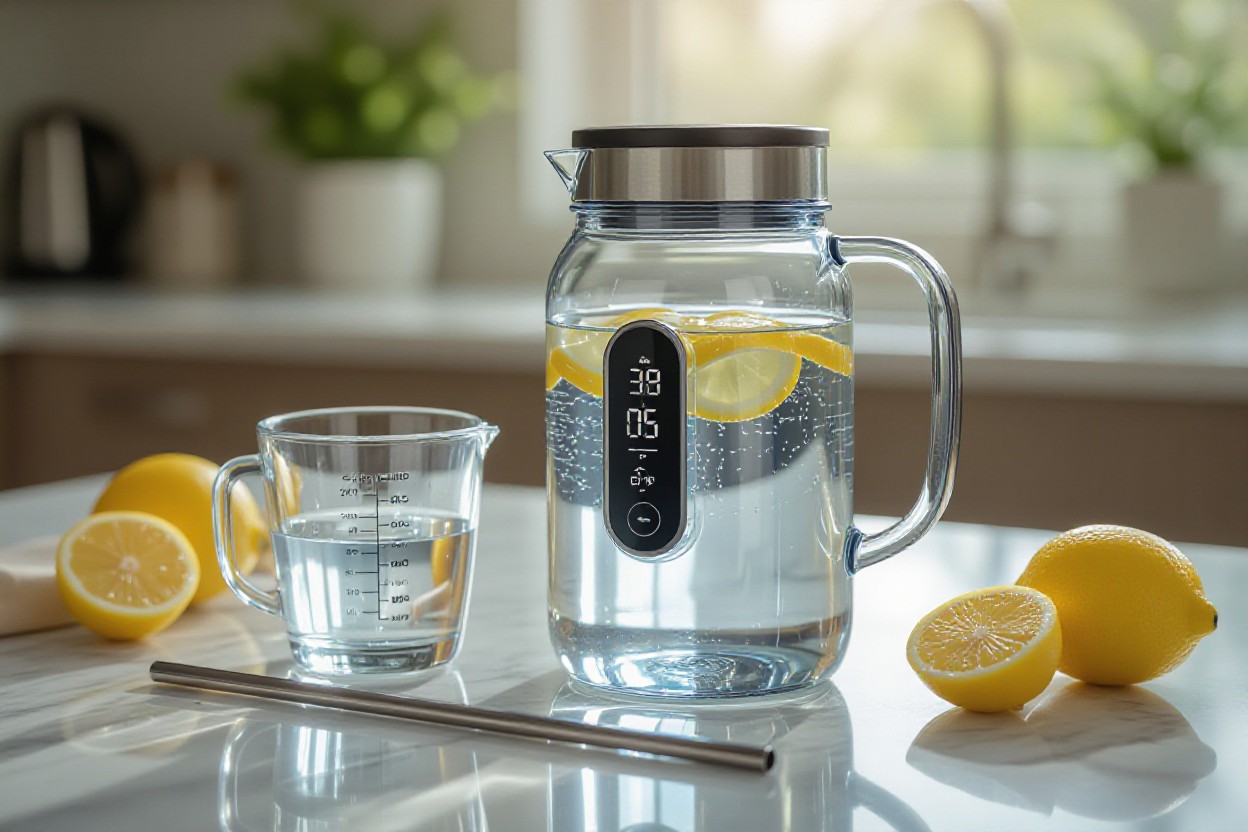
Compared to willpower alone, a tiny nudge from your phone or watch is like having a personal assistant quietly tapping you on the shoulder. A simple reminder every 60-90 minutes can bump your daily intake by up to 1 liter, especially if you’re the kind of person who gets lost in work and looks up 4 hours later wondering why your head hurts. You don’t need a complicated setup either – a recurring alarm, a habit app, or a smart bottle that lights up can do the heavy lifting.
What works surprisingly well is tying digital reminders to real-world actions. Set an alert right before your regular meetings: “200 ml before this call.” Use a watch notification that says “3 big sips” instead of a vague “drink water” that you’ll swipe away. And if you’re on your laptop all day, browser extensions that pop up every 45 minutes can break that “I’ll drink later” cycle. Over time, you’ll start noticing your body cue you before the reminder goes off, which is exactly the point – the tech trains your habits, not the other way around.
Hydrating Foods You Should Consider
Instead of trying to drink everything, let your plate do part of the heavy lifting. Foods like cucumber, celery, iceberg lettuce, radish and zucchini are all over 90% water, which means that side salad or snack plate might quietly give you 250-400 ml of fluid without you thinking twice. Even a medium orange or peach can add around 120-150 ml, which is basically a small glass of water disguised as a snack.
On busy days, it’s a lot easier to crunch through some watermelon slices (around 92% water) or grapes at your desk than to force down another giant bottle. Soups, broths, and yogurt also sneak in fluid – a 250 ml bowl of vegetable soup is basically flavored water with benefits. What you want is this mix of “sippable” and “chewable” hydration sprinkled through your day so that hitting your target feels like a side effect of eating normally, not a full-time job.
So if you want to lean into this, stack your meals with hydrating combos: add tomato and cucumber to your sandwich, go for salsa instead of a dry side, keep cut watermelon or strawberries in the fridge at eye level, choose Greek yogurt with fruit instead of a dry granola bar. At dinner, a veggie-heavy stir fry with bell peppers (around 92% water) and snap peas, plus a small bowl of miso or chicken soup, can easily sneak in an extra 400-600 ml of fluid. It doesn’t have to look fancy at all – you’re basically hacking your grocery list so that every bite quietly tops up your hydration in the background.
The Real Deal About Sports Drinks
When They’re Necessary
Ever wondered if you actually need that neon sports drink or if it just feels sporty to hold it? You typically only benefit from one when you’re doing longer, intense workouts that last 60-90 minutes or more, especially in heat or humidity. Think long runs, soccer tournaments, HIIT sessions that leave your shirt soaked, or a hard manual-labor job outdoors all afternoon. In those situations, you’re losing a serious amount of sodium, potassium, and fluid through sweat, and a sports drink can help you replace electrolytes and carbs fast enough to keep your energy stable.
Outside of that, water usually does the job just fine. If your workout is under an hour, at a moderate pace, and you’re not drenched, you probably don’t need the extra sugar and sodium. You might benefit from a sports drink too if you’re a very salty sweater (you see white crusty marks on your clothes or face after workouts) or you’re prone to heat exhaustion or dizziness when exercising. In those edge cases, sipping a sports drink can keep you feeling steady instead of wiped out halfway through.
The Downsides You Should Know
So what’s the catch with something that promises energy and electrolytes in one bright bottle? A lot of popular sports drinks pack in 14-21 grams of sugar per 12 ounces, which adds up quickly if you’re casually sipping them at your desk or in the car. That extra sugar hits your blood fast, then drops, and you end up feeling weirdly tired or snacky a short time later even though you just “fueled up”.
Another thing that flies under the radar is the sodium load. Some bottles give you 200-400 mg of sodium, which is helpful mid-marathon but not ideal if you’re just lightly active, managing blood pressure, or already eating lots of salty packaged food. Then you’ve got the extras: artificial colors, preservatives, and sometimes caffeine or sugar alcohols that can mess with your gut, especially if you chug them on an empty stomach. If you’re trying to lose fat or simply keep your daily calories in check, drinking your calories like this can quietly stall your progress.
On top of all that, there’s the habit that creeps in almost without you noticing: using sports drinks as your default flavored drink instead of a specific performance tool. You might start grabbing one because water feels boring or because it’s on sale, and before you know it you’re drinking 100-200 extra calories a day that don’t actually help your training. Over a month, that can mean 3,000-6,000 extra calories just from sips that weren’t even that satisfying, which is wild when you think about how hard you’d have to work to burn that off.
To wrap up
Now a lot of people think hydration is all or nothing – like you either nail some perfect water goal or you’re totally off the wagon – but it really doesn’t work that way. You’ve seen how tiny tweaks like sipping earlier in the day, adding a pinch of electrolytes, or swapping one sugary drink for water can quietly stack up in your favor, and that’s exactly where your real progress lives. When you start paying attention to your own signals – energy, focus, skin, even your mood – you’ll notice those small changes aren’t so small after all.
What really matters is that you turn a few of these habits into your new default, because that’s when hydration stops feeling like a chore and starts feeling like just how you live. You don’t need perfection, you need consistency, and you’ve already got a list of simple options to play with so pick two or three, test them in your actual life, and adjust as you go. Over time, those easy little choices add up to better days, better workouts, better sleep.
FAQ
Q: Why do tiny hydration tweaks matter more than chugging a gallon of water at once?
A: Small hydration changes fit into your real life, which means you actually stick with them. Slamming a giant bottle once a day just sends you running to the bathroom and doesn’t keep you steadily hydrated anyway.
When you spread your water out in little habits – like a glass when you wake up, one with each meal, sips while you work – your body can actually use it better. Your energy, focus, and digestion all respond more to consistency than to occasional big water “events”.
Another thing people notice when they shift to small steady habits is fewer headaches, less afternoon brain fog, and less of that weird “tired but wired” feeling. It’s not magic – it’s just that your body likes gentle, predictable support instead of all-or-nothing chaos.
Q: What’s an easy first hydration change I can make without overhauling my whole routine?
A: Start with one simple anchor habit: drink a glass of water right after you wake up. Not later in the morning, not “when you get a second” – literally as part of getting out of bed and shuffling into your day.
Your body is slightly dehydrated after a full night of not drinking anything, so that first glass acts like a reset button. People are often surprised how much less groggy and sluggish they feel just from that one tweak, before coffee, before breakfast, before scrolling your phone.
If a full glass feels like too much at first, do half a glass and work up. The key is that you tie it to something you already do – like brushing your teeth or starting the coffee – so it becomes autopilot instead of one more chore on your mental to-do list.
Q: How can I stop forgetting to drink water once the day gets busy?
A: The trick is to attach hydration to things that are already happening, instead of relying on willpower or random reminders. For example, drink a few big sips every time you sit back down at your desk, every time you hit “send” on an email batch, or every time you refill your coffee or tea.
Visual cues help a ton too. Keeping a clear bottle or glass in your line of sight on your desk or counter quietly nags you in the background. If your water is always out of sight, it’s basically out of mind while you’re juggling everything else.
You can also use tiny “rules” to make it simple: one glass with each meal, a refill before any snack, a few sips every time you check social media. Those little micro-habits stack up fast, and by the end of the day you’ve easily hit your target without feeling like you were working at it all day long.
Q: Are drinks like coffee, tea, or flavored water actually hurting my hydration?
A: Plain water is still the MVP, but you don’t have to live on it exclusively to stay hydrated. Normal amounts of coffee and tea still contribute to your daily fluid intake, especially if you’re not slamming cup after cup back to back.
Flavored waters, herbal teas, and even water with a squeeze of lemon or a pinch of salt can make drinking more interesting, which means you’re more likely to stay consistent. Just keep an eye on added sugars and weird ingredients if you’re leaning hard on flavored drinks all day.
If your “hydration” drinks come loaded with sugar, heavy caffeine, or alcohol, that’s where things start working against you. A good rule of thumb: if you can sip it all day without your heart racing or your teeth feeling sticky, it’s probably a reasonable helper for your hydration routine.
Q: How do I know if these small hydration changes are actually working for me?
A: Instead of obsessing over ounces, pay attention to how your body feels over a week or two. If you’re a bit more alert in the afternoon, your skin looks less dull, or you don’t crash as hard mid-morning, those are real signs that steady hydration is kicking in.
The boring but useful checks still help too: your urine should be a light yellow most of the time, not deep golden and not totally clear all day either. That light, straw-like color usually means you’re in a good zone without overdoing it.
One more simple test is how often you’re reaching for snacks when you might just be thirsty. A lot of people realize that some of their “random cravings” calm down when they’re drinking regularly, not perfectly, just steadily. When all those little clues start lining up, that’s your proof that the tiny changes are paying off in a bigger way.
- November 26, 2025
- Benefits